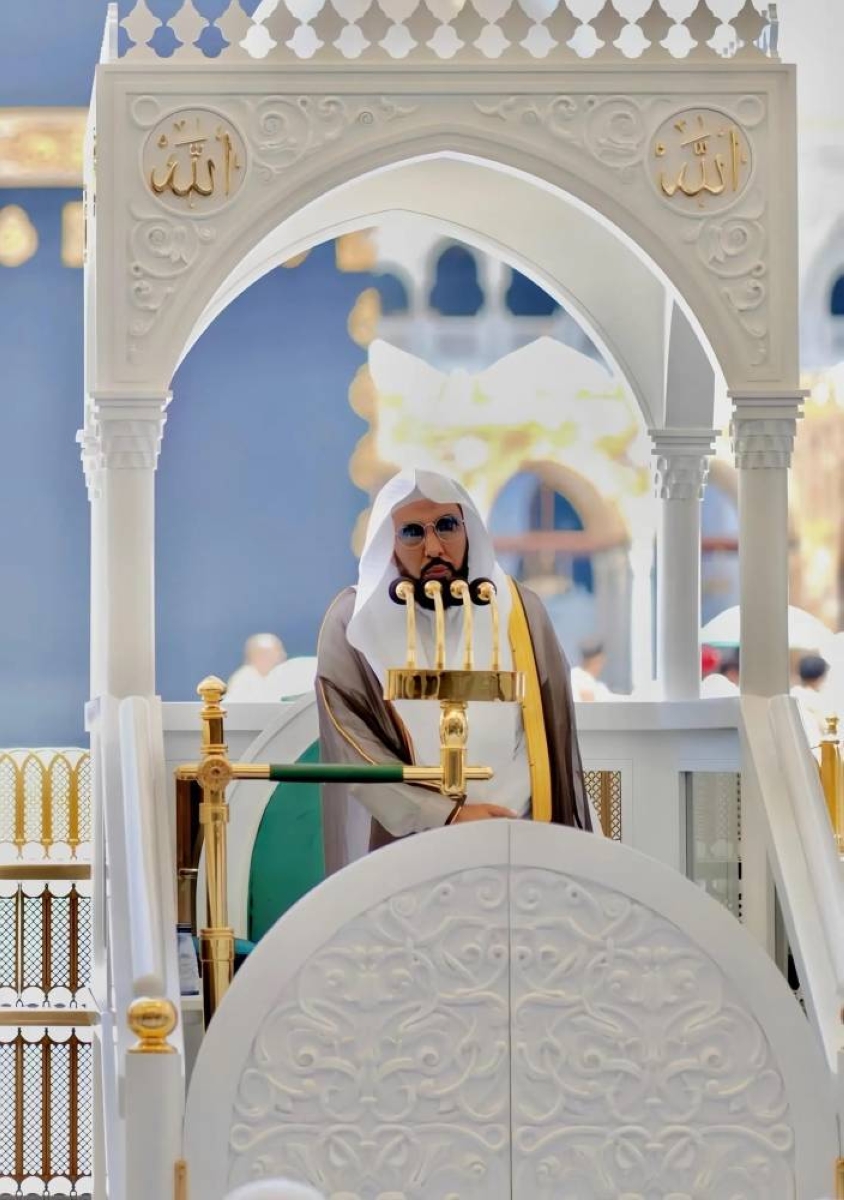
أوصى إمام وخطيب المسجد الحرام الشيخ الدكتور عبدالله بن عواد الجهني، المسلمين بتقوى الله -عز وجل- وطاعته، تقوى من أناب إليه، والحذر من مخالفة أمره، حذر من يوقن بالحساب والعرض عليه، وعبادته مخلصين له الدين، ومراقبته مراقبة أهل الإيمان واليقين.
وقال فضيلته في خطبة الجمعة التي ألقاها اليوم بالمسجد الحرام: «تيقظوا من سِنَةِ الغفلات فقد انقضى محرّم وحلّ بكم صفر، وتنبهوا من رقدة الجهالات واعتبروا بمرور الأيام، فالسعيد من اعتبر، واعلموا أن الله تعالى بعث رسوله- صلى الله عليه وعلى آله وسلم تسليما- بالهدى، وبصّر به من العمى، ذهبت بأنواره ظلمات الجاهلية الجهلاء، وعصبيتها وفخرها بالآباء، واستقسامها بالأزلام وتشاؤمها بالأيام والأنواء».
وحذّر من التشاؤم والطيرة لأنها تَوَقُّعُ الْبَلَاءِ وَسُوءُ الظَّنِّ، وذلك دأب الجاهلين والكفار قال تعالى: (قل لن يصيبنا إلا ما كتب الله لنا هو مولانا وعلى الله فليتوكل المؤمنون).
ونهى الشيخ الجهني عن سبّ الأوقات والدهور، والتشاؤم بالأيام والسنين والشهور، ولا تنسبوا النفع والضر إلا إلى من إليه ترجع الأمور، فلا شؤم في شهور ولا أيام، فما قُدِّرَ لا بد أن يكون، ومعاداة الأيام جنون، قال- عليه الصلاة والسلام-: (من ردته الطيرة عن حاجته فقد أشرك)، رواه أبو داود.
واختتم فضيلته خطبته قائلًا: «أصلحوا ما ظهر من أعمالكم وما بطن، واستعملوا جوارحكم في طاعته شكرًا وحافظوا على ما جاء به نبيكم، وأكثروا من الصلاة عليه، فبالصلاة عليه تنالوا الأجر والفوز والقبول، وبكثرة الصلاة عليه تنحل العقد وتنفرج الكروب وتُقضى الديون».
كما أوصى إمام وخطيب المسجد النبوي الشيخ عبدالمحسن القاسم المسلمين بتقوى الله حق التقوى ومراقبته في السر والنجوى.
وبين إمام وخطيب المسجد النبوي أن من أعظم نعم الله إرسال الرسل فهم سبيل السعادة والفلاح في الدنيا والآخرة ولا يعرف الطيب من الخبيث إلا من جهتهم ولا ينال رضا الله إلا على أيديهم، موضحًا أن الضرورة إليهم أعظم من حاجة البدن إلى الروح، مشيرًا إلى بقاء أهل الأرض لا يكون إلا بآثار الرسالة الموجودة فيهم.
وأوضح فضيلته أن الله تعالى أيد رسله بآيات وبراهين تدل على صدق رسالتهم قال تعالى: (أَلَمۡ يَأۡتِهِمۡ نَبَأُ ٱلَّذِينَ مِن قَبۡلِهِمۡ قَوۡمِ نُوحٖ وَعَادٖ وَثَمُودَ وَقَوۡمِ إِبۡرَٰهِيمَ وَأَصۡحَٰبِ مَدۡيَنَ وَٱلۡمُؤۡتَفِكَٰتِۚ أَتَتۡهُمۡ رُسُلُهُم بِٱلۡبَيِّنَٰتِۖ)، مبينًا أن الآيات الدالة على نبوة محمد- صلى الله عليه وسلم- كثيرة ومتنوعة وهي أكثر وأعظم من آيات غيره من الأنبياء، قال عز من قائل: (سَنُرِيهِمْ آيَاتِنَا فِي الْآفَاقِ وَفِي أَنفُسِهِمْ حَتَّىٰ يَتَبَيَّنَ لَهُمْ أَنَّهُ الْحَقُّ ۗ).
وتابع إمام وخطيب المسجد النبوي أنه بعد ظهور نبوة محمد- صلى الله عليه وسلم- كثرت طلبات المشركين وتنوعت اعتراضاتهم فاقترحوا عليه آياتٍ يأتيهم بها تكبرًا وعنادًا، وقالوا لو أنزل علينا كتاب لأخلصنا العبادة لله قال تعالى: (وَإِن كَانُواْ لَيَقُولُونَ لَوۡ أَنَّ عِندَنَا ذِكۡرٗا مِّنَ ٱلۡأَوَّلِينَ لَكُنَّا عِبَادَ ٱللَّهِ ٱلۡمُخۡلَصِينَ فَكَفَرُواْ بِهِۦۖ فَسَوۡفَ يَعۡلَمُونَ).
وبين فضيلته أن المشركين بعد نزول القرآن ورؤيتهم ما فيه من المعجزات قالوا لولا أنزل هذا القرآن على رجل عظيم من أهل مكة والطائف قال تعالى: (وَقَالُواْ لَوۡلَا نُزِّلَ هَٰذَا ٱلۡقُرۡءَانُ عَلَىٰ رَجُلٖ مِّنَ ٱلۡقَرۡيَتَيۡنِ عَظِيمٍ).
وأشار إمام وخطيب المسجد النبوي إلى أن المشركين لما عجزوا عن تحدي الله بأن يأتوا بمثل هذا القرآن أو ببعضه طلبوا من النبي- صلى الله عليه وسلم- استبدال القرآن بغيره قال تعالى: (وَإِذَا تُتۡلَىٰ عَلَيۡهِمۡ ءَايَاتُنَا بَيِّنَٰتٖ قَالَ ٱلَّذِينَ لَا يَرۡجُونَ لِقَآءَنَا ٱئۡتِ بِقُرۡءَانٍ غَيۡرِ هَٰذَآ أَوۡ بَدِّلۡهُۚ قُلۡ مَا يَكُونُ لِيٓ أَنۡ أُبَدِّلَهُۥ مِن تِلۡقَآيِٕ نَفۡسِيٓۖ إِنۡ أَتَّبِعُ إِلَّا مَا يُوحَىٰٓ إِلَيَّۖ).
وأوضح إمام وخطيب المسجد النبوي أن الله تعالى لو أجاب المشركين بما طلبوا لطلبوا المزيد استكبارًا وعنادًا، مبينًا أنهم من عتوهم إذا تأخرت الاستجابة لمطلبهم في آيةٍ من الآيات استهزأوا برسول الله- صلى الله عليه وسلم- بأن ينشأ آيةً من عنده قال تعالى: (وَإِذَا لَمۡ تَأۡتِهِم بِـَٔايَةٖ قَالُواْ لَوۡلَا ٱجۡتَبَيۡتَهَاۚ قُلۡ إِنَّمَآ أَتَّبِعُ مَا يُوحَىٰٓ إِلَيَّ مِن رَّبِّيۚ).
وتابع فضيلته قائلًا إن الله تعالى بيّن أنه القادر على إنزال الآيات ولا شأن لرسله ولا لأحد من خلقه فيها قال جل من قائل: (وَمَا كَانَ لِرَسُولٍ أَن يَأۡتِيَ بِـَٔايَةٍ إِلَّا بِإِذۡنِ ٱللَّهِۗ).
وبين إمام وخطيب المسجد النبوي أنه لجهل المشركين بحكمة الله لم يحقق الله لهم ما يقترحونه ولأن ما طلبوه من الآيات لا يوجب إيمانًا فقد سألها الأولون وأُعْطُوْهَا ولم يؤمنوا فكان هلاكهم واستئصالهم قال الله تعالى عنهم: (بَلۡ قَالُوٓاْ أَضۡغَٰثُ أَحۡلَٰمِۭ بَلِ ٱفۡتَرَىٰهُ بَلۡ هُوَ شَاعِرٞ فَلۡيَأۡتِنَا بِـَٔايَةٖ كَمَآ أُرۡسِلَ ٱلۡأَوَّلُونَ مَآ ءَامَنَتۡ قَبۡلَهُم مِّن قَرۡيَةٍ أَهۡلَكۡنَٰهَآۖ أَفَهُمۡ يُؤۡمِنُونَ)، مشيرًا إلى أن النبي- صلى الله عليه وسلم- كان يضيق صدره بما يقولون قال تعالى: (وَلَقَدۡ نَعۡلَمُ أَنَّكَ يَضِيقُ صَدۡرُكَ بِمَا يَقُولُونَ).
وأوضح فضيلته أن الله لم يجر العادة بإظهار الآيات إلا للأمة التي حتم بعذابها واستئصالها محذرًا من الاستهانة بجناب الربوبية أو الرسالة فمن لم يعظمهما هلك.
وختم إمام وخطيب المسجد النبوي بأن الإسلام مبنيٌ على أصلين تحقيق شهادة أنّ لا إله إلا الله وأن محمدًا رسول الله، فباتباع محمد- صلى الله عليه وسلم- يكون توحيد الله وهو من خير البرية.
The Imam and preacher of the Grand Mosque, Sheikh Dr. Abdullah bin Awad Al-Juhani, advised Muslims to fear Allah - the Almighty - and obey Him, with piety for those who turn to Him, and to be cautious of disobeying His commands, aware of the reckoning and presentation before Him. He emphasized worshiping Him sincerely and being mindful as the people of faith and certainty.
In his Friday sermon delivered today at the Grand Mosque, he said: “Be alert from the slumber of heedlessness, for the month of Muharram has passed and the month of Safar has come upon you. Awaken from the sleep of ignorance and reflect on the passing days; the fortunate is the one who reflects. Know that Allah, the Exalted, sent His Messenger - peace be upon him and his family - with guidance, and illuminated the blind with His light, dispelling the darkness of ignorance and its pride in ancestry, its reliance on arrows, and its pessimism regarding days and weather.”
He warned against pessimism and superstition, as they are expectations of calamity and ill thoughts, which are the habits of the ignorant and disbelievers. Allah, the Almighty, said: (Say, 'Never will we be struck except by what Allah has decreed upon us; He is our protector. And upon Allah let the believers rely.')
Sheikh Al-Juhani prohibited cursing the times and eras, and being pessimistic about days, years, and months. He stated that one should attribute benefit and harm only to the One to whom all matters return. There is no omen in months or days; what is decreed must happen, and opposing the days is madness. The Prophet - peace be upon him - said: (Whoever is turned away by superstition from his need has committed shirk), narrated by Abu Dawood.
He concluded his sermon by saying: “Rectify what is apparent of your deeds and what is hidden, and use your limbs in His obedience as gratitude, and preserve what your Prophet has brought. Increase your prayers upon him, for through praying upon him you will attain reward, success, and acceptance. By increasing prayers upon him, knots will be untied, troubles will be relieved, and debts will be settled.”
Additionally, the Imam and preacher of the Prophet's Mosque, Sheikh Abdul Mohsen Al-Qasim, advised Muslims to fear Allah as He deserves and to be mindful of Him in secrecy and whispers.
The Imam and preacher of the Prophet's Mosque stated that one of the greatest blessings of Allah is sending the messengers, as they are the path to happiness and success in this world and the Hereafter. The good cannot be distinguished from the bad except through them, and Allah's pleasure cannot be attained except through their hands, clarifying that the necessity for them is greater than the body's need for the soul, pointing out that the survival of the people of the earth can only be through the effects of the message present among them.
He explained that Allah, the Almighty, supported His messengers with signs and proofs that indicate the truth of their message. Allah said: (Has the news of those before them not come to them, the people of Noah, 'Aad, Thamud, the people of Abraham, the companions of Midian, and the overturned cities? Their messengers came to them with clear signs.) He clarified that the signs indicating the prophethood of Muhammad - peace be upon him - are numerous and varied, and they are more and greater than the signs of other prophets. Allah, the Exalted, said: (We will show them Our signs in the horizons and within themselves until it becomes clear to them that it is the truth.)
The Imam and preacher of the Prophet's Mosque continued that after the emergence of the prophethood of Muhammad - peace be upon him - the demands of the polytheists increased and their objections varied. They proposed to him signs that he should bring them out of arrogance and stubbornness, saying, "If only a book were sent down to us, we would be devoted to the worship of Allah." Allah said: (And they were saying, 'If only we had a reminder from those of old, we would surely be among the righteous servants of Allah.' But they disbelieved in it, and soon they will know.)
He clarified that after the revelation of the Quran and witnessing its miracles, the polytheists said, "If only this Quran had been sent down to a great man from the two cities." Allah said: (And they said, 'Why was this Quran not sent down upon a great man from one of the two cities?')
The Imam and preacher of the Prophet's Mosque pointed out that when the polytheists were unable to challenge Allah by bringing forth a Quran like it or even part of it, they asked the Prophet - peace be upon him - to replace the Quran with something else. Allah said: (And when Our verses are recited to them, clear signs, those who do not expect to meet Us say, 'Bring us a Quran other than this or change it.' Say, 'It is not for me to change it on my own accord. I follow only what is revealed to me from my Lord.')
He explained that if Allah had answered the polytheists' requests, they would have demanded more out of arrogance and stubbornness. He pointed out that they, in their arrogance, when the response to their demand was delayed in one of the signs, mocked the Messenger of Allah - peace be upon him - by asking him to create a sign from himself. Allah said: (And if you do not bring them a sign, they will say, 'Why have you not chosen it?' Say, 'I only follow what is revealed to me from my Lord.')
He continued by saying that Allah has made it clear that He is capable of sending down signs, and that His messengers and no one among His creation have any control over them. Allah, the Exalted, said: (And it is not for a messenger to bring a sign except by permission of Allah.)
The Imam and preacher of the Prophet's Mosque stated that due to the ignorance of the polytheists regarding Allah's wisdom, He did not fulfill their proposals, and because what they requested in terms of signs does not necessitate faith, the earlier peoples asked for them and were given them, yet they did not believe, leading to their destruction and eradication. Allah said about them: (But they said, 'These are but tales of the ancients. Rather, he has invented it. Rather, he is a poet. Let him bring us a sign like those who were sent before.' No community believed before them, so will they believe?) He pointed out that the Prophet - peace be upon him - felt constricted by what they said. Allah said: (And We certainly know that your breast is constrained by what they say.)
He explained that Allah does not usually show signs except to the nation that He has decreed punishment and eradication upon, warning against belittling the majesty of Lordship or the message. Whoever does not honor them will perish.
The Imam and preacher of the Prophet's Mosque concluded that Islam is based on two foundations: the testimony that there is no deity but Allah and that Muhammad is the Messenger of Allah. By following Muhammad - peace be upon him - one achieves the oneness of Allah, which is the best of creation.