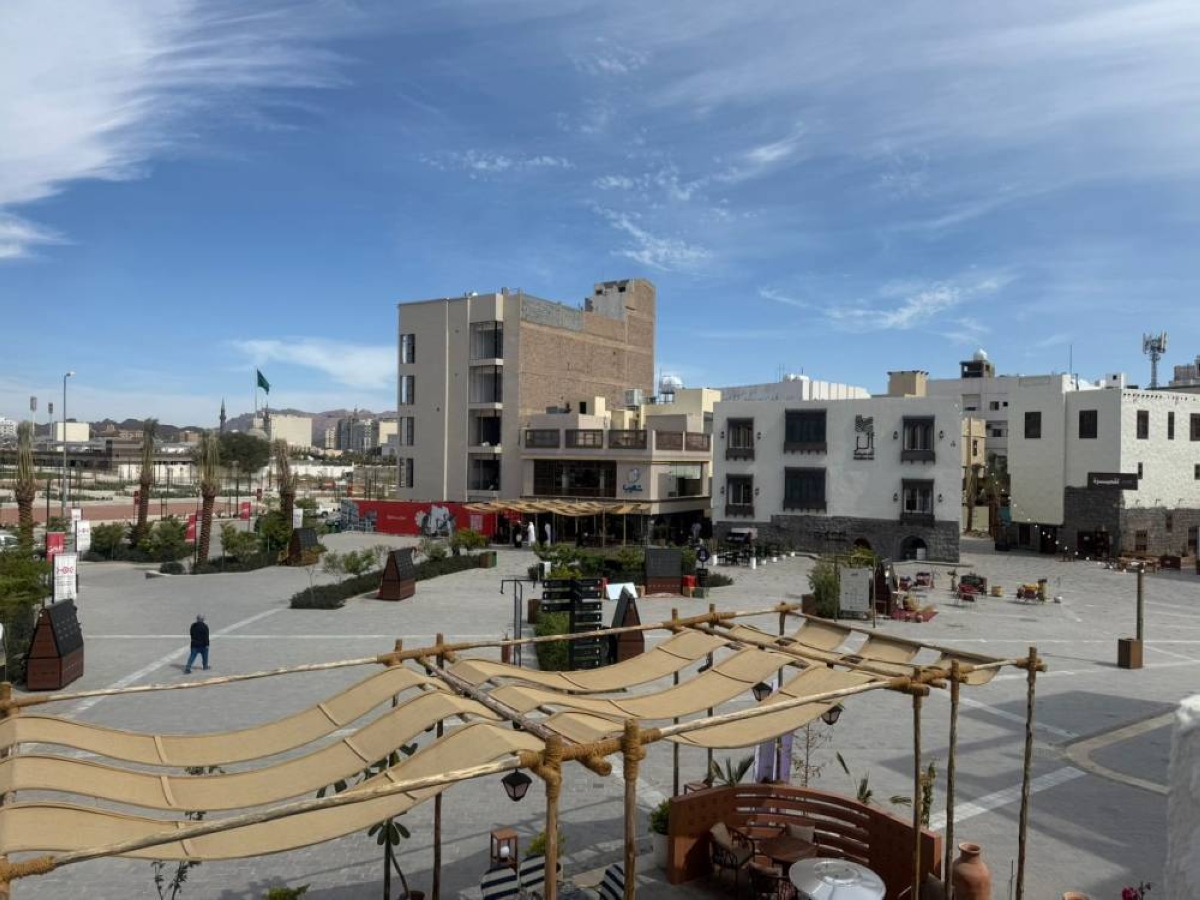

أصدرت هيئة تطوير المدينة المنورة تقرير أطلس، الذي يكشف حالة التنمية المستدامة للأحياء كأول أطلس من نوعه على المستوى الوطني والعالمي، الذي يعنى في الوضع الحضري على مستوى أحياء المدينة، مستنداً إلى مؤشرات حضرية دقيقة ومنهجية تحليلية متقدمة في إطار مستهدفات رؤية 2030، وتحقيق أهداف التنمية المستدامة، والارتقاء بجودة الحياة وتعزيز الخدمات المقدمة للسكان بما يعكس النهج الإنساني والتنموي الذي تتبناه الحكومة لتحقيق التنمية.
واستعرض تقرير الأطلس، نتائج تحليل أوضاع 70 حياً سكنياً في المدينة؛ بهدف تشخيص التحديات واستكشاف الفرص في كل حي على حدة، وتقديم تصور متكامل يدعم صناع القرار في تحديد أولويات التدخل، وتوجيه الاستثمارات، وصياغة السياسات التنموية الكفيلة بسد الفجوات، وتحقيق العدالة المكانية والتنمية المتوازنة.
واستندت النتائج التحليلية الواردة بالأطلس، على قاعدة بيانات مكانية وإحصائية حديثة، وتوظيف نتائج المسح الاجتماعي والاقتصادي، إلى جانب مؤشرات مبادرة جودة الحياة الصادرة عن مركز برنامج جودة الحياة بالتعاون مع برنامج الأمم المتحدة، التي شاركت المدينة المنورة في تطويرها ضمن أول خمس مدن على المستوى العالمي، إضافة إلى عدد من المعايير والأدوات الدولية والوطنية ذات الصلة، مع الأخذ بعين الاعتبار الخصائص العمرانية الفريدة للمدينة المنورة وتاريخها الحضري العريق، ودورها المحوري في خدمة ضيوف الرحمن من الحجاج والمعتمرين والزوار.
وطور المرصد الحضري بالمدينة المنورة، تطبيقاً إلكترونياً ضمن منصة منارة للبيانات الحضرية لاستعراض نتائج التحليل ودعم شركاء التنمية بأدوات التحليل المكاني والحضري المتقدمة، وذلك ضمن جهود الهيئة لتسخير البيانات والابتكار في دعم صناع القرار على مستوى المنطقة في اتخاذ سياسات تنموية وخطط مستدامة مبنية على بيانات حديثة ودقيقة.
واستعرض الأطلس، حالة التنمية المستدامة لأحياء مدينة المدينة وأهم نتائج تحليل الوضع التنموي لـ70 حياً باستخدام المؤشرات الحضرية المربوطة وتقييم الخدمات والمرافق ومدي تكاملها مع حاجات السكان من خلال دراسة القطاعات التنموية المتمثلة في الأبعاد الاجتماعية والاقتصادية، والإسكان، والنقل، والبنية التحتية، والبيئة العمرانية واستخدامات الأراضي، والتعليم والصحة والثقافة والترفيه والسياحة، والأمن والسلامة. وتحديد أبرز القضايا ذات الأولوية لكل قطاع في كل حي، والتأكيد على أهم المبادرات التنموية اللازمة. وجاءت النتائج لتؤكد تحقيق المدينة وأحياءها لحزمة كبيرة من أهداف التنمية المستدامة والرؤية. وفى إطار ذلك حققت المدينة المنورة الهدف الأول من أهداف التنمية وحقق 66 حياً نتائج جيدة في قطاع الإسكان، وسجل أكثر من ثلث الأحياء نسباً أعلى من 95% في مؤشر المسكن اللائق.
١٠٠٪ مؤشر المرور والطرق في 21 حياً
التقرير، أكد تحقيق 59 حياً الهدف الـ11 في التخطيط الحضري الفعال، ونصيب الفرد من المسطحات الخضراء، ويعتبر 95% من مباني المدينة ذات نظم إنشاء حديثة ومتينة، وترتفع الكثافة السكانية في الأحياء القديمة، التي يتركز فيها أكبر نسبة من المناطق غير المخططة، وتميز 54 حياً في مؤشرات النقل الحضري المستدام وهو أحد الغايات الرئيسية لتحقيق الهدف الـ11 أيضاً. وأكد 96.2% من سكان المدينة رضاهم عن جودة الطرق وحالة المرور وسجل 21 حياً نسبة 100% في هذا المؤشر.
وحققت المدينة الغاية 7.1 من أهداف التنمية المستدامة ضمان حصول الجميع بتكلفة ميسورة على خدمات الطاقة الحديثة الموثوقة بحلول عام 2030، إذ تغطي الشبكة العامة للكهرباء 99.5% من المدينة منها 53 حياً بنسبة 100%، وترتفع نسبة تغطية السكان المخدومين بشبكة الاتصالات لتسجل 100% في 50 حياً، وتقترب أحياء المدينة من تحقيق الهدف السادس من أهداف التنمية المستدامة «ضمان توافر المياه والصرف الصحي للجميع وإدارتها بشكل مستدام»، فقد ارتفعت نسبة السكان المخدومين بشبكات المياه العامة لتصل إلى 100% في 45 حياً.
تحققت مستهدفات الرؤية وبرامجها في تغطية الصرف الصحي..
بالنسبة للصرف الصحي، تصل نسبة التغطية 100 % في 22 حياً، وعموماً كانت أحياء (العاقول، وادي البطان، ورقان، السكب) الأكثر بعداً عن التغطية بخدمات البنية التحتية، كما جاءت نسبة رضا السكان عن الخدمات التعليمية 100 % في 37 حياً من أحياء المدينة لتحقق مستهدفات رؤية المملكة وبرامجها، فضلاً عن الهدف الرابع لأهداف التنمية المستدامة، وتميزت نسب التغطية للمدارس بمراحلها المختلفة في 52 حياً، ومتوسطة في 11 حياً، بينما كانت 7 أحياء (النبلاء، الغراء، السد، الصناعية، وادي البطان، ورقان، السكب) بعيدة عن نطاق تغطية المدارس حسب المعايير التخطيطية.
وسجلت نسبة التغطية بالمستشفيات 100 % في 48 حياً تتماشي مع الغاية 3.8 للهدف الثالث من أهداف التنمية المستدامة «تحقيق التغطية الصحية الشاملة»، وترتفع نسب مشاركة السكان في الأنشطة الثقافية والرياضية في 35 حياً، بينما سجلت باقي الأحياء نسباً متوسطة.
أمان شامل في 50 حياً
أشارت النتائج الأولية للمسح الميداني لجودة الحياة لأحياء المدينة المنورة، أن نسبة رضا المواطنين عن الأمان داخل الحي بلغت 96.2%، ووصلت إلى 100% في 50 حياً، كذلك بلغت نسبة التغطية لخدمة مراكز الشرطة 100% في 49 حياً.
وقسم التحليل السابق أحياء المدينة المنورة، إلى ثلاث مجموعات رئيسية، تتضمن الأحياء غير المخططة، والأحياء المخططة الواقعة على أطراف النطاق العمراني، والأحياء المخططة مكتملة الخدمات، وذلك لدعم متخذ القرار في تحديد أولويات التدخل السريعة والجزئية والإمكانات بناءً على وضع كل حي بالمجموعات المختلفة، وأهم المبادرات التي تهدف من التقرير تحقيق تنمية مستدامة متوازنة بأحياء المدينة المنورة، واستكمال شبكات البنية التحتية الأساسية، لا سيما في الأحياء الطرفية، وتحفيز الكثافة السكانية في الأحياء المخططة لتحقيق كفاءة واستدامة، وتشغيل الخدمات والأنشطة.
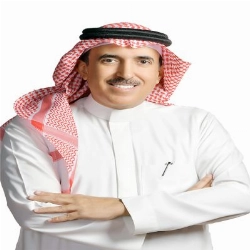
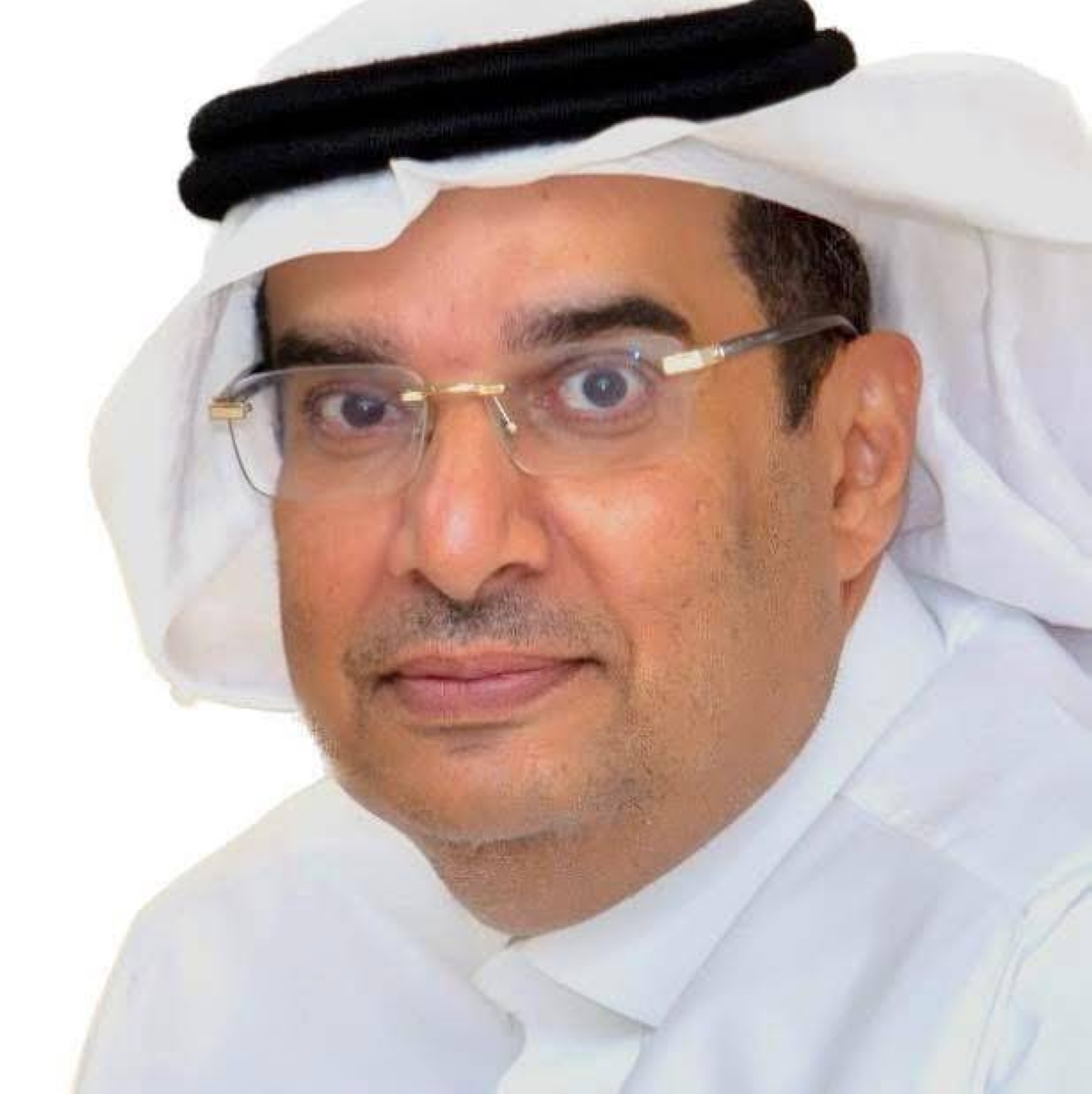
وأفاد المختص في الأمن الفكري الدكتور حميد الأحمدي، أن التقرير يعزّز جوانب الأمن الفكري في الأحياء، ويساعد الجهات المختصة في هذا الشأن، مؤكداً أن التقرير سيساهم في التنمية المستدامة في جميع أحياء المدينة، وسيكون مؤشراً مهماً لعمل القطاع العام والخاص في تحقيق أهدافه التطويرية للأحياء.
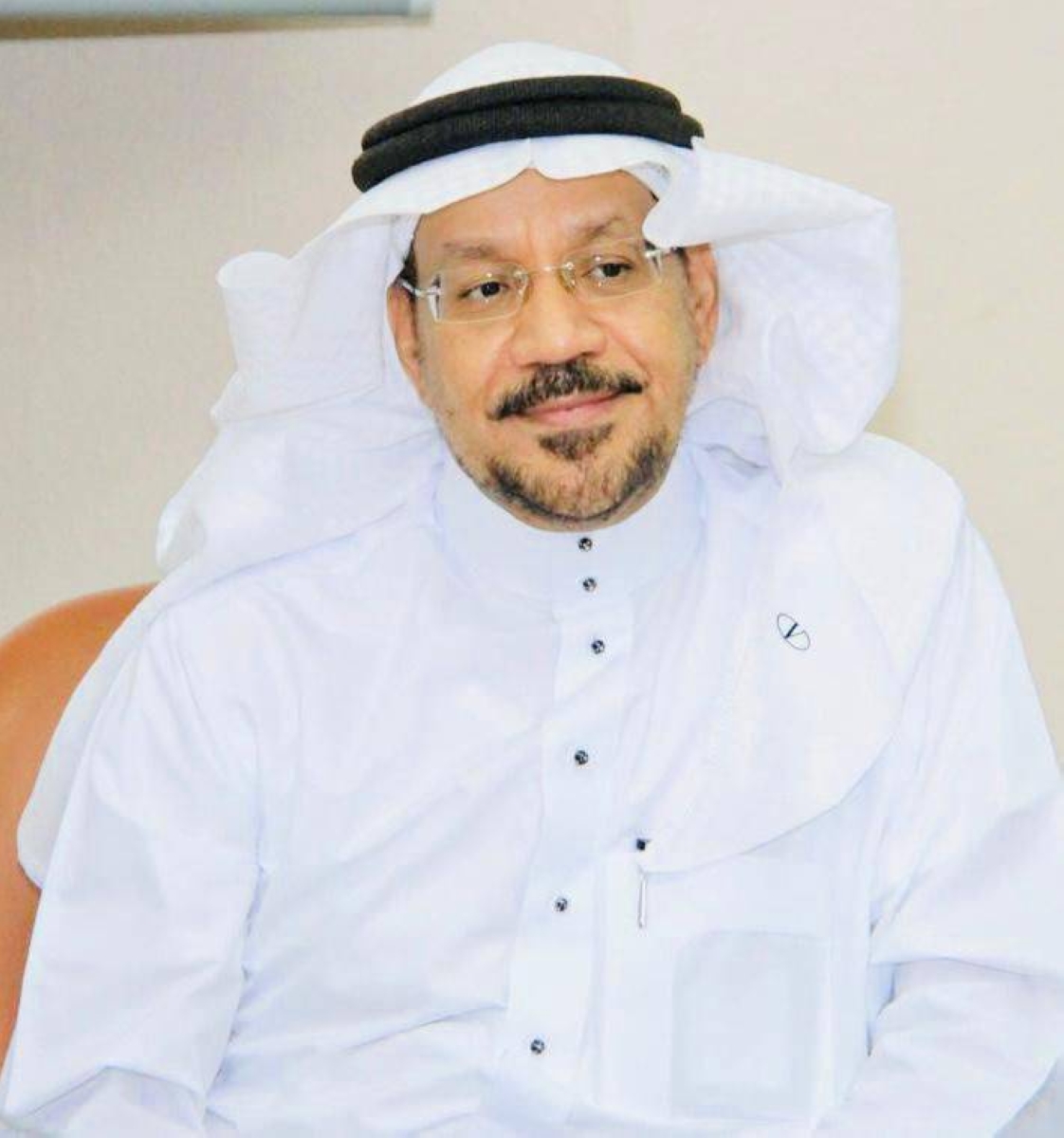
ومن جانبه، أكد المستشار الإعلامي عبدالغني القش، أن التقرير اتسم بالشفافية والوضوح، ويحقق كثيراً من الأهداف التنموية في تحقيق الرضا للسكان، وأن التقرير كان مبنيّاً على أرض الواقع، ووفق أبرز طرق الحديثة للإحصاء، مؤكداً أن التقرير يسهم في تحسين جودة الحياة للمواطنين في أحياء المدينة كافة.
استعرض نتائـج تحليـل 70 حياً..
«أطلس».. يكشف أوضاع التنمية المستدامة لأحياء المدينة
24 يوليو 2025 - 05:13
|
آخر تحديث 24 يوليو 2025 - 05:13


تابع قناة عكاظ على الواتساب
سامي المغامسي (المدينة المنورة) sami4086@
The Medina Development Authority has issued the Atlas Report, which reveals the state of sustainable development in the neighborhoods as the first atlas of its kind at the national and global levels, focusing on the urban situation at the neighborhood level in the city. It is based on precise urban indicators and advanced analytical methodologies within the framework of the Vision 2030 targets, achieving sustainable development goals, enhancing quality of life, and improving services provided to residents, reflecting the human and developmental approach adopted by the government to achieve development.
The Atlas Report reviewed the results of analyzing the conditions of 70 residential neighborhoods in the city, aiming to diagnose challenges and explore opportunities in each neighborhood individually, and to provide a comprehensive vision that supports decision-makers in determining intervention priorities, directing investments, and formulating developmental policies capable of bridging gaps and achieving spatial justice and balanced development.
The analytical results presented in the atlas were based on a modern spatial and statistical database, utilizing results from social and economic surveys, along with indicators from the Quality of Life Initiative issued by the Quality of Life Program Center in collaboration with the United Nations Program, in which Medina participated in its development among the first five cities globally. Additionally, several relevant international and national standards and tools were considered, taking into account the unique urban characteristics of Medina and its rich urban history, as well as its pivotal role in serving the guests of Allah, including pilgrims, umrah performers, and visitors.
The Urban Observatory in Medina developed an electronic application within the Manarat platform for urban data to showcase the results of the analysis and support development partners with advanced spatial and urban analysis tools. This is part of the authority's efforts to harness data and innovation to support decision-makers at the regional level in making sustainable developmental policies and plans based on modern and accurate data.
The atlas presented the state of sustainable development in the neighborhoods of Medina and the main results of the developmental situation analysis of 70 neighborhoods using linked urban indicators and evaluating services and facilities in relation to the needs of residents through studying developmental sectors represented in social and economic dimensions, housing, transportation, infrastructure, urban environment and land use, education, health, culture, recreation, tourism, and safety and security. It identified the most pressing issues for each sector in each neighborhood and emphasized the most necessary developmental initiatives. The results confirmed that the city and its neighborhoods achieved a large package of sustainable development goals and the vision. In this context, Medina achieved the first goal of development, with 66 neighborhoods showing good results in the housing sector, and more than one-third of the neighborhoods recorded rates above 95% in the decent housing index.
100% traffic and roads index in 21 neighborhoods
The report confirmed that 59 neighborhoods achieved the 11th goal in effective urban planning and per capita green spaces. It is noted that 95% of the city's buildings have modern and robust construction systems, and the population density is higher in the older neighborhoods, where the largest percentage of unplanned areas is concentrated. Fifty-four neighborhoods excelled in sustainable urban transportation indicators, which is also one of the main goals of achieving the 11th goal. Moreover, 96.2% of the city's residents expressed satisfaction with the quality of roads and traffic conditions, with 21 neighborhoods recording a 100% rate in this indicator.
Medina achieved goal 7.1 of the sustainable development goals, ensuring that everyone has access to modern and reliable energy services at an affordable cost by 2030, as the public electricity network covers 99.5% of the city, with 53 neighborhoods at 100%. The coverage rate of the population served by the telecommunications network reached 100% in 50 neighborhoods, and the neighborhoods of Medina are close to achieving the sixth goal of the sustainable development goals, "ensuring availability and sustainable management of water and sanitation for all," as the percentage of the population served by public water networks reached 100% in 45 neighborhoods.
The targets of the vision and its programs were achieved in covering sanitation...
Regarding sanitation, the coverage rate reaches 100% in 22 neighborhoods. Overall, the neighborhoods (Al-Aqool, Wadi Al-Batan, Raqan, Al-Sakb) were the furthest from coverage by infrastructure services. Additionally, the satisfaction rate of residents regarding educational services reached 100% in 37 neighborhoods of the city, achieving the targets of the Kingdom's vision and its programs, as well as the fourth goal of the sustainable development goals. The coverage rates for schools at different stages were distinguished in 52 neighborhoods, moderate in 11 neighborhoods, while 7 neighborhoods (Al-Nabala, Al-Ghara, Al-Sad, Industrial, Wadi Al-Batan, Raqan, Al-Sakb) were far from the school coverage range according to planning standards.
The coverage rate for hospitals recorded 100% in 48 neighborhoods, aligning with goal 3.8 of the third sustainable development goal, "achieving universal health coverage." The participation rates of residents in cultural and sports activities increased in 35 neighborhoods, while the remaining neighborhoods recorded moderate rates.
Comprehensive safety in 50 neighborhoods
The preliminary results of the field survey on the quality of life in the neighborhoods of Medina indicated that the satisfaction rate of citizens regarding safety within the neighborhood reached 96.2%, reaching 100% in 50 neighborhoods. The coverage rate for police service reached 100% in 49 neighborhoods.
The previous analysis divided the neighborhoods of Medina into three main groups, including unplanned neighborhoods, planned neighborhoods located on the outskirts of the urban area, and fully serviced planned neighborhoods, to support decision-makers in determining rapid and partial intervention priorities and possibilities based on the status of each neighborhood within the different groups. The main initiatives aimed at achieving balanced sustainable development in the neighborhoods of Medina include completing basic infrastructure networks, especially in peripheral neighborhoods, stimulating population density in planned neighborhoods to achieve efficiency and sustainability, and operating services and activities.
Dr. Hamid Al-Ahmadi, an expert in intellectual security, stated that the report enhances aspects of intellectual security in the neighborhoods and assists the relevant authorities in this regard, affirming that the report will contribute to sustainable development in all neighborhoods of the city and will be an important indicator for the work of the public and private sectors in achieving their developmental goals for the neighborhoods.
For his part, media advisor Abdulghani Al-Qash confirmed that the report was characterized by transparency and clarity, achieving many developmental goals in ensuring residents' satisfaction, and that the report was based on reality and according to the most prominent modern statistical methods, emphasizing that the report contributes to improving the quality of life for citizens in all neighborhoods of the city.
The Atlas Report reviewed the results of analyzing the conditions of 70 residential neighborhoods in the city, aiming to diagnose challenges and explore opportunities in each neighborhood individually, and to provide a comprehensive vision that supports decision-makers in determining intervention priorities, directing investments, and formulating developmental policies capable of bridging gaps and achieving spatial justice and balanced development.
The analytical results presented in the atlas were based on a modern spatial and statistical database, utilizing results from social and economic surveys, along with indicators from the Quality of Life Initiative issued by the Quality of Life Program Center in collaboration with the United Nations Program, in which Medina participated in its development among the first five cities globally. Additionally, several relevant international and national standards and tools were considered, taking into account the unique urban characteristics of Medina and its rich urban history, as well as its pivotal role in serving the guests of Allah, including pilgrims, umrah performers, and visitors.
The Urban Observatory in Medina developed an electronic application within the Manarat platform for urban data to showcase the results of the analysis and support development partners with advanced spatial and urban analysis tools. This is part of the authority's efforts to harness data and innovation to support decision-makers at the regional level in making sustainable developmental policies and plans based on modern and accurate data.
The atlas presented the state of sustainable development in the neighborhoods of Medina and the main results of the developmental situation analysis of 70 neighborhoods using linked urban indicators and evaluating services and facilities in relation to the needs of residents through studying developmental sectors represented in social and economic dimensions, housing, transportation, infrastructure, urban environment and land use, education, health, culture, recreation, tourism, and safety and security. It identified the most pressing issues for each sector in each neighborhood and emphasized the most necessary developmental initiatives. The results confirmed that the city and its neighborhoods achieved a large package of sustainable development goals and the vision. In this context, Medina achieved the first goal of development, with 66 neighborhoods showing good results in the housing sector, and more than one-third of the neighborhoods recorded rates above 95% in the decent housing index.
100% traffic and roads index in 21 neighborhoods
The report confirmed that 59 neighborhoods achieved the 11th goal in effective urban planning and per capita green spaces. It is noted that 95% of the city's buildings have modern and robust construction systems, and the population density is higher in the older neighborhoods, where the largest percentage of unplanned areas is concentrated. Fifty-four neighborhoods excelled in sustainable urban transportation indicators, which is also one of the main goals of achieving the 11th goal. Moreover, 96.2% of the city's residents expressed satisfaction with the quality of roads and traffic conditions, with 21 neighborhoods recording a 100% rate in this indicator.
Medina achieved goal 7.1 of the sustainable development goals, ensuring that everyone has access to modern and reliable energy services at an affordable cost by 2030, as the public electricity network covers 99.5% of the city, with 53 neighborhoods at 100%. The coverage rate of the population served by the telecommunications network reached 100% in 50 neighborhoods, and the neighborhoods of Medina are close to achieving the sixth goal of the sustainable development goals, "ensuring availability and sustainable management of water and sanitation for all," as the percentage of the population served by public water networks reached 100% in 45 neighborhoods.
The targets of the vision and its programs were achieved in covering sanitation...
Regarding sanitation, the coverage rate reaches 100% in 22 neighborhoods. Overall, the neighborhoods (Al-Aqool, Wadi Al-Batan, Raqan, Al-Sakb) were the furthest from coverage by infrastructure services. Additionally, the satisfaction rate of residents regarding educational services reached 100% in 37 neighborhoods of the city, achieving the targets of the Kingdom's vision and its programs, as well as the fourth goal of the sustainable development goals. The coverage rates for schools at different stages were distinguished in 52 neighborhoods, moderate in 11 neighborhoods, while 7 neighborhoods (Al-Nabala, Al-Ghara, Al-Sad, Industrial, Wadi Al-Batan, Raqan, Al-Sakb) were far from the school coverage range according to planning standards.
The coverage rate for hospitals recorded 100% in 48 neighborhoods, aligning with goal 3.8 of the third sustainable development goal, "achieving universal health coverage." The participation rates of residents in cultural and sports activities increased in 35 neighborhoods, while the remaining neighborhoods recorded moderate rates.
Comprehensive safety in 50 neighborhoods
The preliminary results of the field survey on the quality of life in the neighborhoods of Medina indicated that the satisfaction rate of citizens regarding safety within the neighborhood reached 96.2%, reaching 100% in 50 neighborhoods. The coverage rate for police service reached 100% in 49 neighborhoods.
The previous analysis divided the neighborhoods of Medina into three main groups, including unplanned neighborhoods, planned neighborhoods located on the outskirts of the urban area, and fully serviced planned neighborhoods, to support decision-makers in determining rapid and partial intervention priorities and possibilities based on the status of each neighborhood within the different groups. The main initiatives aimed at achieving balanced sustainable development in the neighborhoods of Medina include completing basic infrastructure networks, especially in peripheral neighborhoods, stimulating population density in planned neighborhoods to achieve efficiency and sustainability, and operating services and activities.
Dr. Hamid Al-Ahmadi, an expert in intellectual security, stated that the report enhances aspects of intellectual security in the neighborhoods and assists the relevant authorities in this regard, affirming that the report will contribute to sustainable development in all neighborhoods of the city and will be an important indicator for the work of the public and private sectors in achieving their developmental goals for the neighborhoods.
For his part, media advisor Abdulghani Al-Qash confirmed that the report was characterized by transparency and clarity, achieving many developmental goals in ensuring residents' satisfaction, and that the report was based on reality and according to the most prominent modern statistical methods, emphasizing that the report contributes to improving the quality of life for citizens in all neighborhoods of the city.