




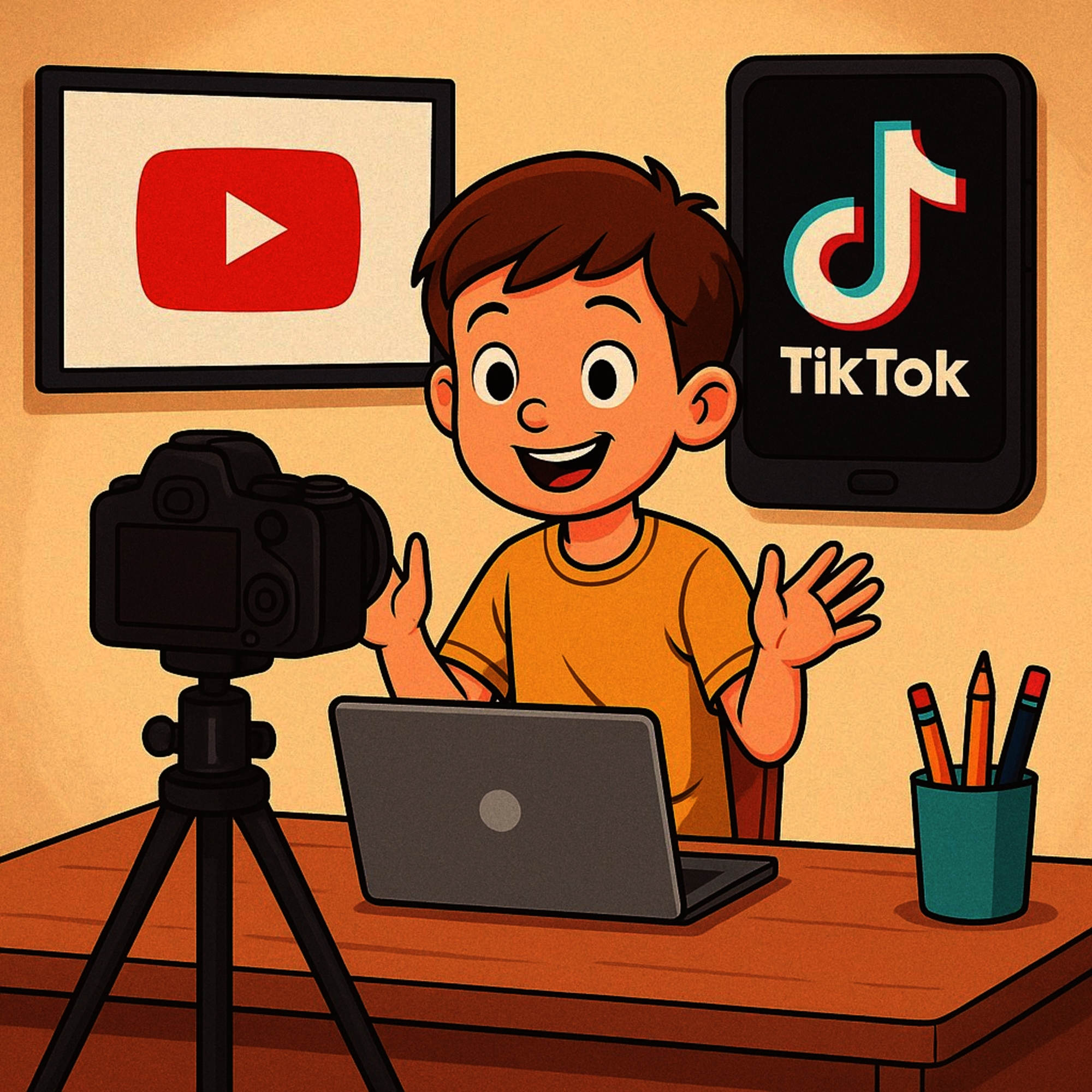

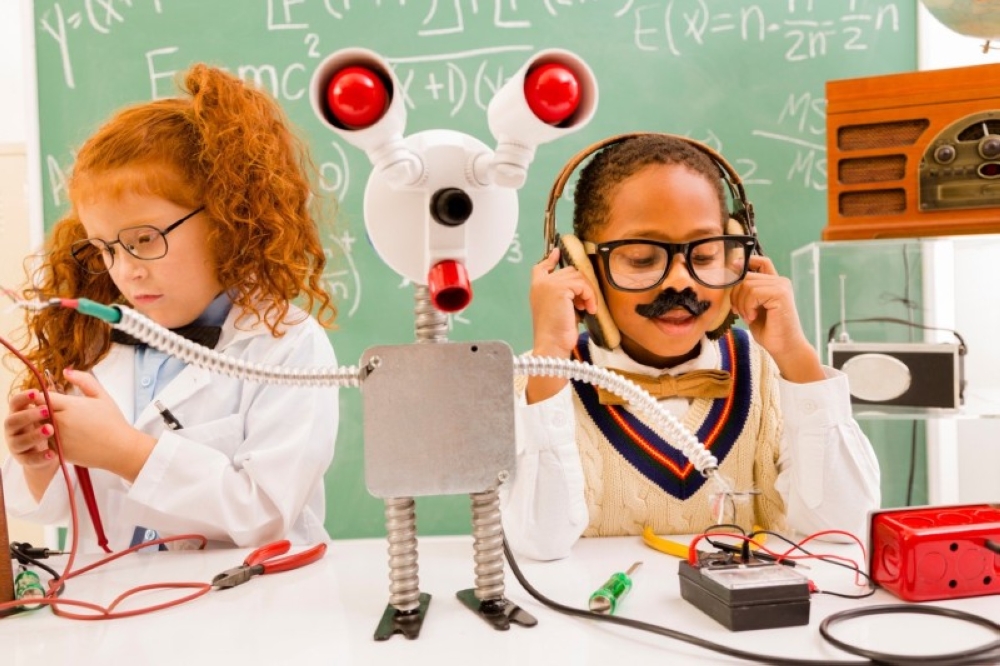


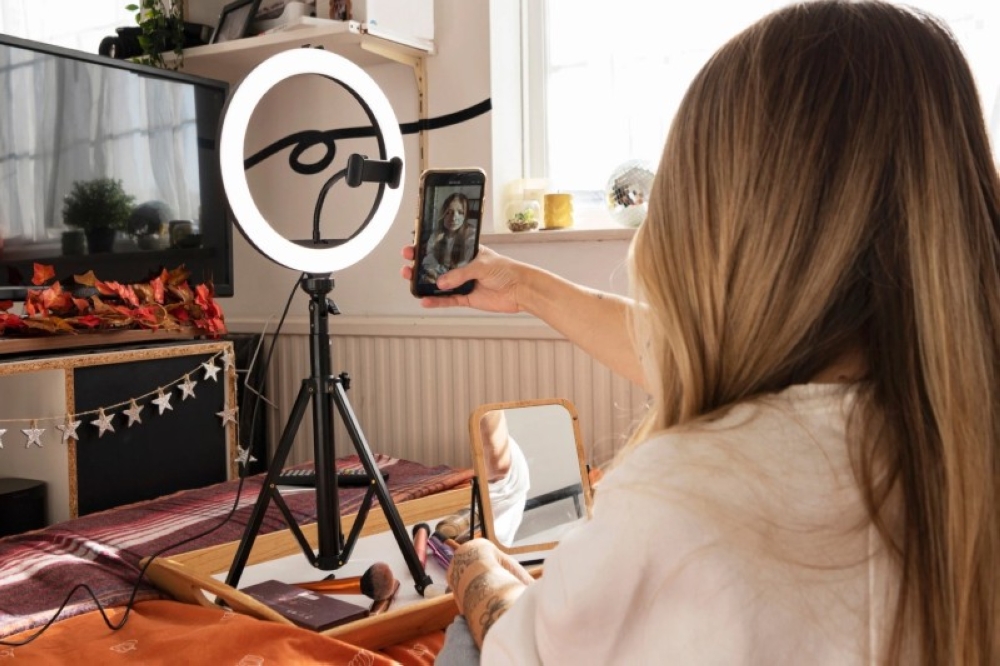
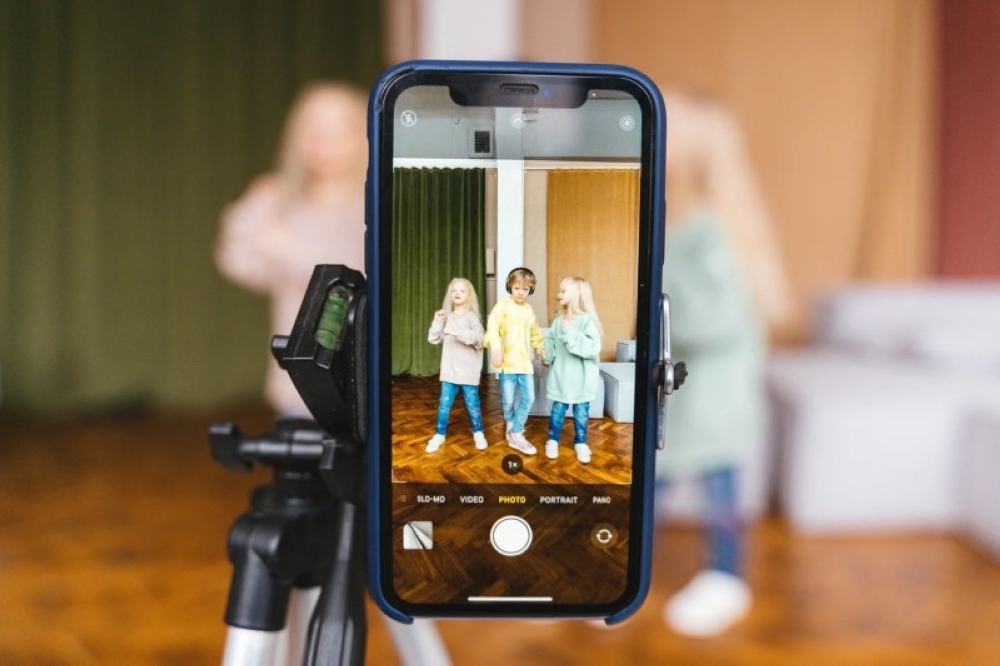
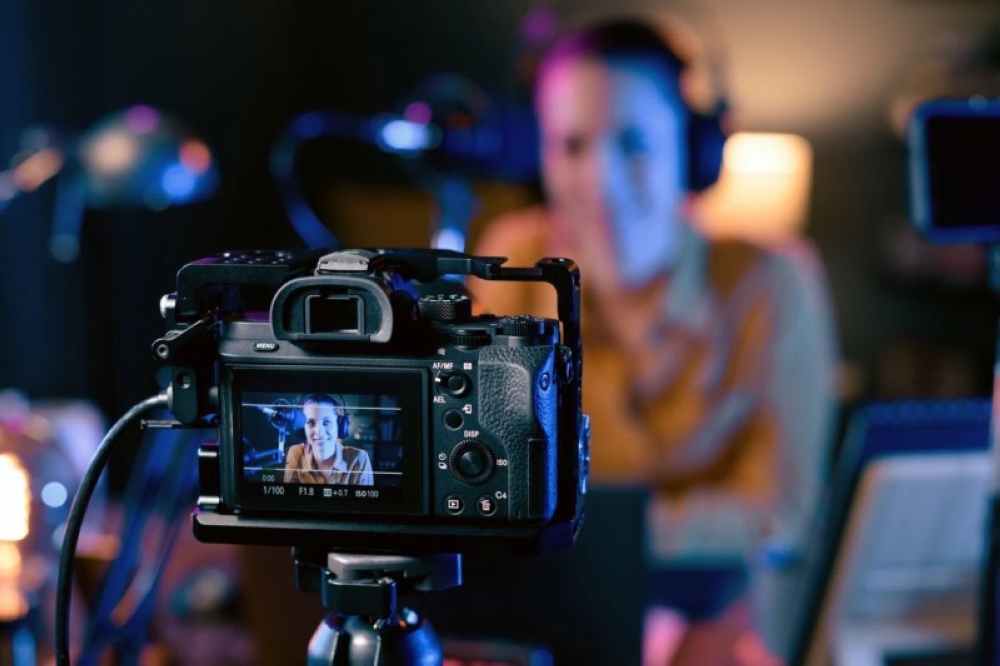
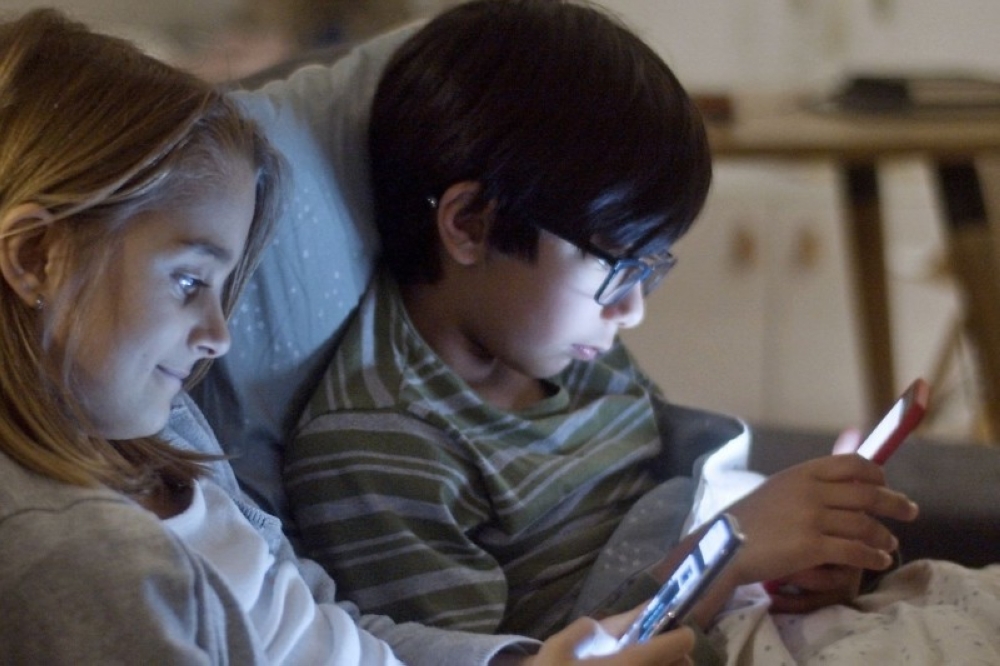
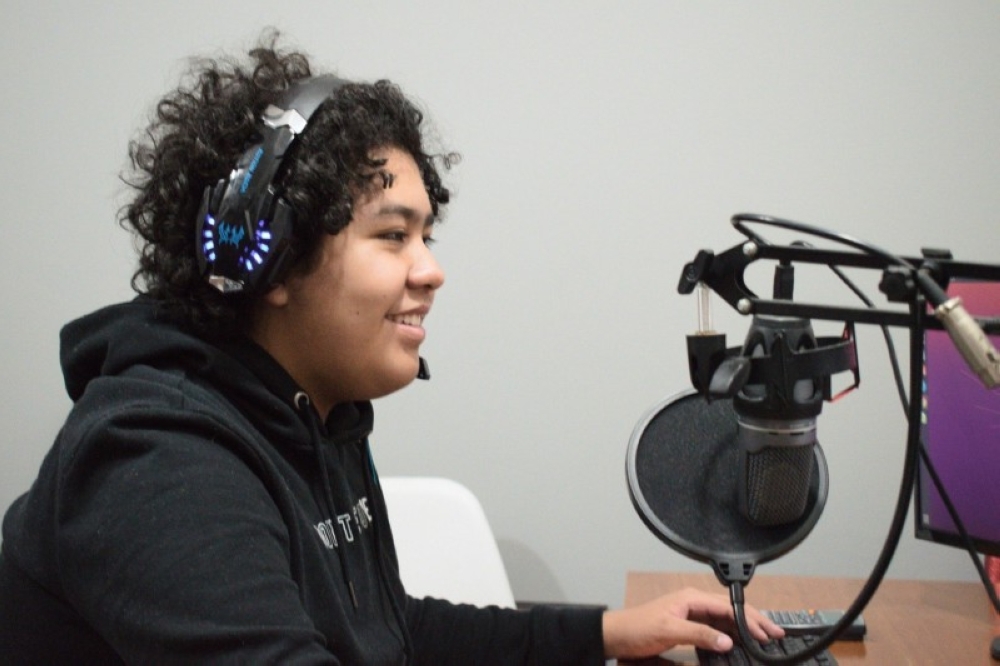
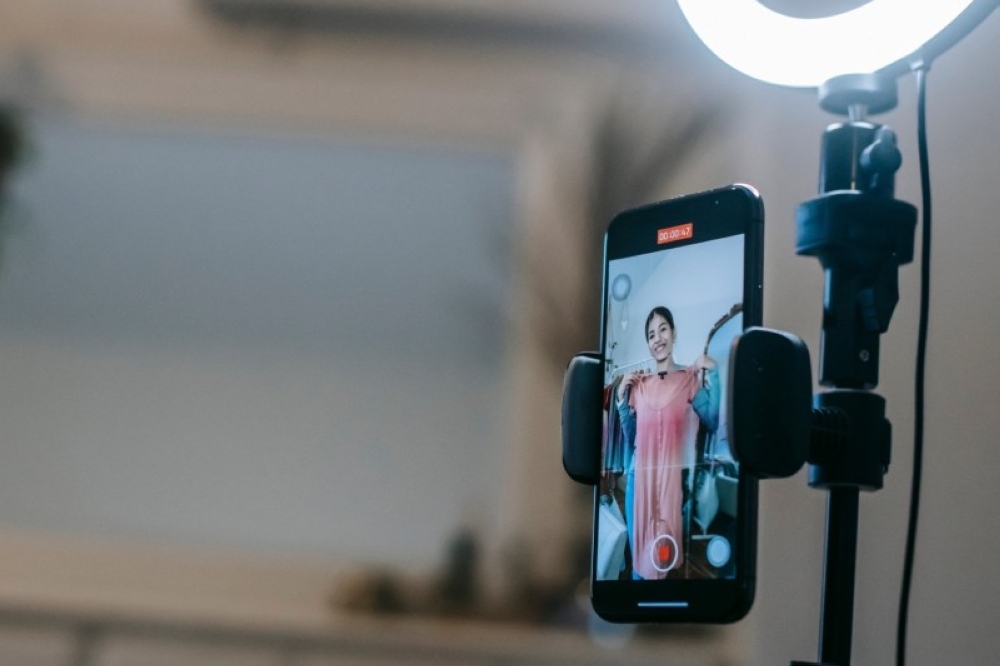
في عصر تتقدمه الشاشات، لم تعد الطفولة مجرد مرحلة عابرة في حياة الإنسان، بل تحوّلت إلى «منتج رقمي» يُتابعه الملايين، ويُدر دخلاً كبيراً على العائلات والمنصات الإعلانية. غير أن هذا الحضور الكثيف للأطفال في منصات التواصل يثير تساؤلات أخلاقية وقانونية: هل نحن أمام جيل جديد من «النجوم القُصّر» دون حماية؟.. ومن يُدافع عن براءتهم من الاستغلال؟
إذ أظهرت دراسات محلية ارتفاعاً ملحوظاً في نسبة الأطفال المؤثرين في السعودية بنسبة تجاوزت 45% خلال ثلاث سنوات، فيما تصل بعض أرباحهم الشهرية إلى ما يفوق 100 ألف ريال.
وتشير دراسة اجتماعية حديثة، إلى أن 6 من كل 10 أطفال مؤثرين يتعرضون لضغوط أسرية تتعلق بالتصوير المستمر أو التفاعل مع المتابعين، دون وجود حماية نفسية أو قانونية موازية. كما تشير دراسة أمريكية إلى أن الأطفال دون سن 17 عاماً يُساهمون بما يقارب 11 مليار دولار من عائدات الإعلانات السنوية على منصات التواصل الاجتماعي، مع تحقيق بعض الأطفال أرباحاً تصل إلى 26 مليون دولار سنوياً.
وفي دراسة أجرتها جامعة كاليفورنيا، تم التأكيد على أن الأطفال الذين يظهرون بانتظام في المحتوى الرقمي يفتقرون إلى الحماية القانونية الكافية، مما يجعلهم عرضة للاستغلال المالي والنفسي.
امنعوا الاستغلال التجاري المقنّع
التربوية والمستشارة القانونية هيا السليمان، قالت لـ «عكاظ»، إن غياب تشريع واضح لتنظيم ظهور الأطفال في المحتوى الرقمي يُعد ثغرة قانونية وتربوية كبيرة، فالساحة الرقمية في حاجة لجهة رقابية متخصصة تتابع نشاطات الأطفال المؤثرين أو تُلزم أولياء أمورهم بتقديم تقارير اجتماعية دورية، حتى لا يتعرض هؤلاء الأطفال لاستغلال غير مرئي.
واستندت السليمان، في حديثها، إلى دراسة صادرة عن جامعة إلينوي الأمريكية (2022)، التي أوضحت، أن الأطفال المشاركين بانتظام في المحتوى الرقمي يعانون بنسبة 47% من اضطرابات سلوكية أو عاطفية ناتجة عن الضغط المستمر لتأدية أدوار أمام الجمهور، خصوصاً في غياب الإشراف النفسي أو التربوي.
كما أشارت إلى تقرير صادر عن منظمة «Common Sense Media» يؤكد، أن 81% من الأطفال المؤثرين لا يخضعون لأي رقابة تنظيمية على محتواهم، وأن الأرباح تذهب بالكامل إلى حسابات أولياء الأمور، دون وجود نظام مالي مستقل يحفظ حقوق الطفل. وفي السياق المحلي، أظهرت دراسة لجامعة الملك سعود (2023)، أن أكثر من 62% من الأسر السعودية التي تملك حسابات مؤثرة لأطفالها لم تخضع لأي استشارة تربوية أو قانونية قبل دخول المجال، وأن نسبة كبيرة من الأطفال يعانون من «تأخر اجتماعي وتعبير عاطفي غير متوازن»، بسبب الاعتماد على لغة الكاميرا بدلاً من التفاعل الواقعي.
وختمت السليمان، بالتأكيد على ضرورة تدخل مشترك بين وزارات التعليم، والإعلام، والموارد البشرية والتنمية الاجتماعية؛ لوضع إطار تربوي وتشريعي يحفظ كرامة الطفل، ويحميه من الاستغلال الترفيهي والتجاري المقنّع.
تشريع خاص بالأطفال المؤثرين
المحامي والمستشار القانوني سلمان الرمالي، يرى عبر حديثه لـ«عكاظ»، أن السعودية خطت خطوات مهمة في حماية الطفل في الفضاء الرقمي، إلّا أن غياب تشريع مباشر ينظم مشاركة الأطفال في صناعة المحتوى على المنصات الرقمية أمر يجب معالجته بشكل عاجل، ولدينا أنظمة عامة مثل نظام حماية الطفل الذي يُجرّم استغلال القُصّر، وكذلك الإطار الوطني لحماية الأطفال في الفضاء الرقمي الذي يُعنى بالوقاية من التنمّر والانتهاكات الرقمية، إضافة إلى سياسات أصدرتها الهيئة السعودية للبيانات والذكاء الاصطناعي (SDAIA) لحماية بيانات الأطفال، لكن الحاجة ملحة لتنظيم حقوق الطفل المؤثر، وضبط ظهوره الإعلامي والتجاري.
وشدد الرمالي، على ضرورة إصدار تشريع خاص بالأطفال المؤثرين، يتضمن ضوابط واضحة مثل فتح حسابات استثمارية باسم الطفل، تحديد سقف لساعات الظهور، وإشراف نفسي واجتماعي على المحتوى، مضيفاً: «حين يتحول الطفل إلى أداة ربحية دون حماية قانونية، فنحن أمام إشكالية تربوية واجتماعية واقتصادية حقيقية تتطلب تدخلاً تشريعياً عاجلاً».
لا للتصفيق المفرط
أكد الأخصائي النفسي ماجد الطريفي لـ «عكاظ»، أن الظهور المستمر للأطفال على منصات التواصل الاجتماعي دون توازن نفسي أو إشراف تربوي، يُعد خطراً حقيقياً على بنائهم العاطفي وهويتهم الذاتية، خصوصاً حين يُربط القبول الاجتماعي بعدد المشاهدات أو التعليقات. وأوضح أن التصفيق المفرط والتعزيز المستمر للأطفال المؤثرين قد يُغذي مشاعر نرجسية مبكرة، ويؤدي إلى اضطرابات في احترام الذات، خصوصاً في حال تراجع الشهرة أو التوقف المفاجئ عن الظهور الرقمي.
وأشار إلى دراسة صادرة عن جامعة ستانفورد (2021) أكدت، أن الأطفال الذين يتلقون تعزيزاً متكرّراً عبر المنصات الرقمية معرضون بنسبة 62% للإصابة باضطرابات مرتبطة بالهوية الذاتية والمقارنة الاجتماعية، مقارنة بأقرانهم الذين يتلقون تعزيزهم من مصادر تربوية تقليدية.
كما بيّنت دراسة حديثة من جامعة الإمام محمد بن سعود الإسلامية (2023)، أن 43% من الأطفال السعوديين الذين يظهرون بانتظام في محتوى ترفيهي أو تجاري يعانون من تقلبات مزاجية، وميول انعزالية عند غياب الكاميرا، فيما 28% أظهروا علامات فرط تعلق بالهواتف والشاشات.
وختم الطريفي بأن الطفولة مرحلة تأسيسية حساسة، وأن الشهرة الرقمية دون تهيئة نفسية أو ضوابط صحية قد تتحول من فرصة إلى عبء نفسي يرافق الطفل في مراحله المقبلة، مشدداً على ضرورة وجود أخصائيين نفسيين ضمن أي مشروع رقمي يتضمن ظهوراً منتظماً للأطفال.
الحماية من التنمر والاستغلال
تُقدّر قيمة اقتصاد المؤثرين الرقميين بنحو 250 مليار دولار، ويشكل الأطفال جزءاً كبيراً من هذه السوق، إذ يحقق بعضهم أرباحاً تصل إلى 35 مليون دولار سنوياً، كما في حالة قناة «Ryan’s World». وفي إيرلندا، تم تحديد وجود أكثر من 1,200 مؤثر طفل نشط على وسائل التواصل الاجتماعي، مما يثير مخاوف بشأن استغلالهم وغياب الحماية القانونية الكافية. وأفاد 33% من البالغين في الولايات المتحدة بأن الأطفال المؤثرين غالباً ما يتعرضون للاستغلال من قبل أولياء أمورهم أو القائمين على إدارتهم.
وأظهرت دراسة في السعودية، أن الإعجابات والتعليقات على وسائل التواصل الاجتماعي تُعد من أبرز العوامل المؤثرة سلباً على الصحة النفسية للشباب، مما قد يؤدي إلى القلق والاكتئاب.
وأطلقت السعودية «الإطار الوطني لحماية الأطفال في الفضاء الرقمي»؛ لحمايتهم من المخاطر مثل التنمر والاستغلال الجنسي، كما يحظر «نظام حماية الطفل» استغلال الأطفال لأغراض تسويقية تؤثر على نموهم النفسي والاجتماعي.
تآكل مفهوم الطفولة
الإحصائي الاجتماعي عبدالله البقعاوي، أكد، أن المجتمع العربي يشهد تحولاً ملحوظاً في نظرة بعض الأسر لمفهوم الطفولة، وبات يُنظر إلى الطفل أحياناً كمصدر دخل رقمي أو وسيلة لتحقيق شهرة عائلية، لا ككائن نامٍ يحتاج إلى تربية، واحتواء، وتوجيه عاطفي واجتماعي.
واستند البقعاوي، إلى دراسة صادرة عن جامعة لندن للاقتصاد، أوضحت، أن الأطفال المؤثرين غالباً ما يتحولون إلى ما يُعرف بـ«الطفل المزود بالخدمة» داخل الأسرة، اذ يتراجع دور الرعاية أمام متطلبات التصوير والتفاعل الرقمي، مما يؤثر سلباً على العلاقات الأسرية وتوازن الطفل النفسي والاجتماعي.
كما أظهرت دراسة من جامعة هارفارد (2021)، أن 51% من الأطفال المشاركين في صناعة المحتوى يشعرون بضغط غير مباشر لتحقيق نجاح رقمي يُرضي الأسرة أو يتماشى مع توقعات المتابعين، مما يؤدي إلى تآكل مفهوم الطفولة الطبيعية وتداخل الأدوار بين الأبوة والاحتراف الإعلامي.
وأشار البقعاوي إلى أن المجتمع السعودي بحاجة لتعزيز الثقافة الأسرية التي تُعيد تعريف الطفولة كمجال للنمو والرعاية، لا كمشروع رقمي. ودعا إلى إطلاق حملات توعوية، ومراكز دعم اجتماعي للأسَر التي تدمج أطفالها في عالم المحتوى، إلى جانب إصدار لائحة تنظيمية تُعزّز من التوازن بين الطفولة والظهور الرقمي.
وختم حديثه بالقول: «الطفل ليس مشروعاً استثمارياً، بل هو مشروع تنموي. إن لم نُحسن تشكيله اليوم لن نستطيع إصلاح ما يتكسر لاحقاً في بنية المجتمع».
خبراء واختصاصيون يستعرضون عبر «عكاظ» صناعة محتوى الأطفال والحماية..
المؤثرون القُصّر !
22 يوليو 2025 - 01:47
|
آخر تحديث 22 يوليو 2025 - 01:47


تابع قناة عكاظ على الواتساب
متعب العواد (حائل) motabalawwd@
In an era dominated by screens, childhood has ceased to be merely a transient phase in a person's life; it has transformed into a "digital product" followed by millions, generating significant income for families and advertising platforms. However, this intense presence of children on social media raises ethical and legal questions: Are we facing a new generation of "minor stars" without protection? And who will defend their innocence from exploitation?
Local studies have shown a notable increase in the percentage of child influencers in Saudi Arabia, exceeding 45% over three years, with some of their monthly earnings surpassing 100,000 riyals.
A recent social study indicates that 6 out of every 10 child influencers experience family pressures related to continuous filming or interaction with followers, without adequate psychological or legal protection. An American study also suggests that children under the age of 17 contribute nearly 11 billion dollars to annual advertising revenues on social media platforms, with some children earning up to 26 million dollars annually.
A study conducted by the University of California confirmed that children who regularly appear in digital content lack sufficient legal protection, making them vulnerable to financial and psychological exploitation.
Stop the masked commercial exploitation
Educational and legal consultant Haya Al-Sulaiman stated to "Okaz" that the absence of clear legislation regulating children's appearances in digital content is a significant legal and educational gap. The digital arena needs a specialized regulatory body to monitor the activities of child influencers or require their guardians to submit periodic social reports, so these children do not fall victim to invisible exploitation.
Al-Sulaiman referenced a study from the University of Illinois (2022), which revealed that children regularly participating in digital content suffer from behavioral or emotional disorders at a rate of 47% due to the constant pressure to perform in front of an audience, especially in the absence of psychological or educational supervision.
She also pointed to a report from "Common Sense Media" confirming that 81% of child influencers are not subject to any regulatory oversight regarding their content, and that profits go entirely to their guardians' accounts, without an independent financial system protecting the child's rights. In the local context, a study from King Saud University (2023) showed that more than 62% of Saudi families with influencer accounts for their children did not seek any educational or legal advice before entering the field, and a large percentage of children suffer from "social delays and unbalanced emotional expression" due to reliance on camera language instead of real interaction.
Al-Sulaiman concluded by emphasizing the need for a joint intervention between the Ministries of Education, Media, and Human Resources and Social Development to establish an educational and legislative framework that preserves the dignity of the child and protects them from masked entertainment and commercial exploitation.
Specific legislation for child influencers
Lawyer and legal consultant Salman Al-Ramali expressed in his conversation with "Okaz" that Saudi Arabia has made significant strides in protecting children in the digital space; however, the lack of direct legislation regulating children's participation in content creation on digital platforms is an urgent issue that needs to be addressed. We have general systems like the Child Protection Law, which criminalizes the exploitation of minors, as well as the national framework for protecting children in the digital space, which focuses on preventing bullying and digital violations, in addition to policies issued by the Saudi Data and Artificial Intelligence Authority (SDAIA) to protect children's data. However, there is an urgent need to regulate the rights of child influencers and control their media and commercial appearances.
Al-Ramali stressed the necessity of issuing specific legislation for child influencers that includes clear controls such as opening investment accounts in the child's name, setting limits on appearance hours, and providing psychological and social supervision over the content. He added, "When a child becomes a profit-making tool without legal protection, we face a real educational, social, and economic issue that requires urgent legislative intervention."
No to excessive applause
Psychologist Majid Al-Turaifi confirmed to "Okaz" that the continuous appearance of children on social media platforms without psychological balance or educational supervision poses a real danger to their emotional development and self-identity, especially when social acceptance is linked to the number of views or comments. He explained that excessive applause and continuous reinforcement for child influencers may foster early narcissistic feelings and lead to self-esteem disorders, particularly if fame declines or there is a sudden halt to digital appearances.
He referenced a study from Stanford University (2021) which confirmed that children who receive repeated reinforcement through digital platforms are 62% more likely to experience disorders related to self-identity and social comparison compared to their peers who receive reinforcement from traditional educational sources.
A recent study from Imam Muhammad bin Saud Islamic University (2023) indicated that 43% of Saudi children who regularly appear in entertainment or commercial content experience mood swings and tendencies toward isolation when the camera is absent, while 28% showed signs of excessive attachment to phones and screens.
Al-Turaifi concluded that childhood is a sensitive foundational stage, and digital fame without psychological preparation or healthy controls can turn from an opportunity into a psychological burden that follows the child into future stages. He emphasized the need for psychological specialists to be involved in any digital project that includes regular appearances by children.
Protection from bullying and exploitation
The value of the influencer economy is estimated at around 250 billion dollars, with children making up a significant part of this market, as some earn up to 35 million dollars annually, as in the case of "Ryan’s World." In Ireland, there are over 1,200 active child influencers identified on social media, raising concerns about their exploitation and the lack of adequate legal protection. 33% of adults in the United States reported that child influencers are often exploited by their parents or those managing them.
A study in Saudi Arabia showed that likes and comments on social media are among the most significant factors negatively affecting the mental health of youth, potentially leading to anxiety and depression.
Saudi Arabia launched the "National Framework for Protecting Children in the Digital Space" to protect them from risks such as bullying and sexual exploitation, and the "Child Protection Law" prohibits the exploitation of children for marketing purposes that affect their psychological and social development.
Erosion of the concept of childhood
Social statistician Abdullah Al-Baqaawi confirmed that Arab society is witnessing a noticeable shift in some families' perceptions of the concept of childhood, as children are sometimes viewed as a source of digital income or a means to achieve family fame, rather than as growing beings in need of nurturing, emotional support, and social guidance.
Al-Baqaawi referenced a study from the London School of Economics, which indicated that child influencers often become what is known as "service-providing children" within the family, as the role of caregiving diminishes in the face of the demands of filming and digital interaction, negatively impacting family relationships and the child's psychological and social balance.
A study from Harvard University (2021) showed that 51% of children participating in content creation feel indirect pressure to achieve digital success that satisfies the family or aligns with follower expectations, leading to the erosion of the natural concept of childhood and the blurring of roles between parenthood and media professionalism.
Al-Baqaawi pointed out that Saudi society needs to enhance family culture that redefines childhood as a space for growth and care, not as a digital project. He called for awareness campaigns and social support centers for families that integrate their children into the content world, along with issuing regulatory guidelines that promote a balance between childhood and digital appearances.
He concluded by saying, "A child is not an investment project; rather, they are a developmental project. If we do not shape them well today, we will not be able to fix what breaks later in the fabric of society."
Local studies have shown a notable increase in the percentage of child influencers in Saudi Arabia, exceeding 45% over three years, with some of their monthly earnings surpassing 100,000 riyals.
A recent social study indicates that 6 out of every 10 child influencers experience family pressures related to continuous filming or interaction with followers, without adequate psychological or legal protection. An American study also suggests that children under the age of 17 contribute nearly 11 billion dollars to annual advertising revenues on social media platforms, with some children earning up to 26 million dollars annually.
A study conducted by the University of California confirmed that children who regularly appear in digital content lack sufficient legal protection, making them vulnerable to financial and psychological exploitation.
Stop the masked commercial exploitation
Educational and legal consultant Haya Al-Sulaiman stated to "Okaz" that the absence of clear legislation regulating children's appearances in digital content is a significant legal and educational gap. The digital arena needs a specialized regulatory body to monitor the activities of child influencers or require their guardians to submit periodic social reports, so these children do not fall victim to invisible exploitation.
Al-Sulaiman referenced a study from the University of Illinois (2022), which revealed that children regularly participating in digital content suffer from behavioral or emotional disorders at a rate of 47% due to the constant pressure to perform in front of an audience, especially in the absence of psychological or educational supervision.
She also pointed to a report from "Common Sense Media" confirming that 81% of child influencers are not subject to any regulatory oversight regarding their content, and that profits go entirely to their guardians' accounts, without an independent financial system protecting the child's rights. In the local context, a study from King Saud University (2023) showed that more than 62% of Saudi families with influencer accounts for their children did not seek any educational or legal advice before entering the field, and a large percentage of children suffer from "social delays and unbalanced emotional expression" due to reliance on camera language instead of real interaction.
Al-Sulaiman concluded by emphasizing the need for a joint intervention between the Ministries of Education, Media, and Human Resources and Social Development to establish an educational and legislative framework that preserves the dignity of the child and protects them from masked entertainment and commercial exploitation.
Specific legislation for child influencers
Lawyer and legal consultant Salman Al-Ramali expressed in his conversation with "Okaz" that Saudi Arabia has made significant strides in protecting children in the digital space; however, the lack of direct legislation regulating children's participation in content creation on digital platforms is an urgent issue that needs to be addressed. We have general systems like the Child Protection Law, which criminalizes the exploitation of minors, as well as the national framework for protecting children in the digital space, which focuses on preventing bullying and digital violations, in addition to policies issued by the Saudi Data and Artificial Intelligence Authority (SDAIA) to protect children's data. However, there is an urgent need to regulate the rights of child influencers and control their media and commercial appearances.
Al-Ramali stressed the necessity of issuing specific legislation for child influencers that includes clear controls such as opening investment accounts in the child's name, setting limits on appearance hours, and providing psychological and social supervision over the content. He added, "When a child becomes a profit-making tool without legal protection, we face a real educational, social, and economic issue that requires urgent legislative intervention."
No to excessive applause
Psychologist Majid Al-Turaifi confirmed to "Okaz" that the continuous appearance of children on social media platforms without psychological balance or educational supervision poses a real danger to their emotional development and self-identity, especially when social acceptance is linked to the number of views or comments. He explained that excessive applause and continuous reinforcement for child influencers may foster early narcissistic feelings and lead to self-esteem disorders, particularly if fame declines or there is a sudden halt to digital appearances.
He referenced a study from Stanford University (2021) which confirmed that children who receive repeated reinforcement through digital platforms are 62% more likely to experience disorders related to self-identity and social comparison compared to their peers who receive reinforcement from traditional educational sources.
A recent study from Imam Muhammad bin Saud Islamic University (2023) indicated that 43% of Saudi children who regularly appear in entertainment or commercial content experience mood swings and tendencies toward isolation when the camera is absent, while 28% showed signs of excessive attachment to phones and screens.
Al-Turaifi concluded that childhood is a sensitive foundational stage, and digital fame without psychological preparation or healthy controls can turn from an opportunity into a psychological burden that follows the child into future stages. He emphasized the need for psychological specialists to be involved in any digital project that includes regular appearances by children.
Protection from bullying and exploitation
The value of the influencer economy is estimated at around 250 billion dollars, with children making up a significant part of this market, as some earn up to 35 million dollars annually, as in the case of "Ryan’s World." In Ireland, there are over 1,200 active child influencers identified on social media, raising concerns about their exploitation and the lack of adequate legal protection. 33% of adults in the United States reported that child influencers are often exploited by their parents or those managing them.
A study in Saudi Arabia showed that likes and comments on social media are among the most significant factors negatively affecting the mental health of youth, potentially leading to anxiety and depression.
Saudi Arabia launched the "National Framework for Protecting Children in the Digital Space" to protect them from risks such as bullying and sexual exploitation, and the "Child Protection Law" prohibits the exploitation of children for marketing purposes that affect their psychological and social development.
Erosion of the concept of childhood
Social statistician Abdullah Al-Baqaawi confirmed that Arab society is witnessing a noticeable shift in some families' perceptions of the concept of childhood, as children are sometimes viewed as a source of digital income or a means to achieve family fame, rather than as growing beings in need of nurturing, emotional support, and social guidance.
Al-Baqaawi referenced a study from the London School of Economics, which indicated that child influencers often become what is known as "service-providing children" within the family, as the role of caregiving diminishes in the face of the demands of filming and digital interaction, negatively impacting family relationships and the child's psychological and social balance.
A study from Harvard University (2021) showed that 51% of children participating in content creation feel indirect pressure to achieve digital success that satisfies the family or aligns with follower expectations, leading to the erosion of the natural concept of childhood and the blurring of roles between parenthood and media professionalism.
Al-Baqaawi pointed out that Saudi society needs to enhance family culture that redefines childhood as a space for growth and care, not as a digital project. He called for awareness campaigns and social support centers for families that integrate their children into the content world, along with issuing regulatory guidelines that promote a balance between childhood and digital appearances.
He concluded by saying, "A child is not an investment project; rather, they are a developmental project. If we do not shape them well today, we will not be able to fix what breaks later in the fabric of society."




