في قلب الجغرافيا السورية التي أنهكها الصراع، تتقدم القبائل كقوة مجتمعية ضاربة الجذور، تمتلك شرعية الأرض، وتحمل في ذاكرتها سردية الانتماء والتهدئة.
من الجنوب إلى الشرق، ومن الجزيرة إلى البادية، تتحرك القبائل بمسؤولية تُعيد ضبط المشهد، حين يتراجع من بيده القرار.
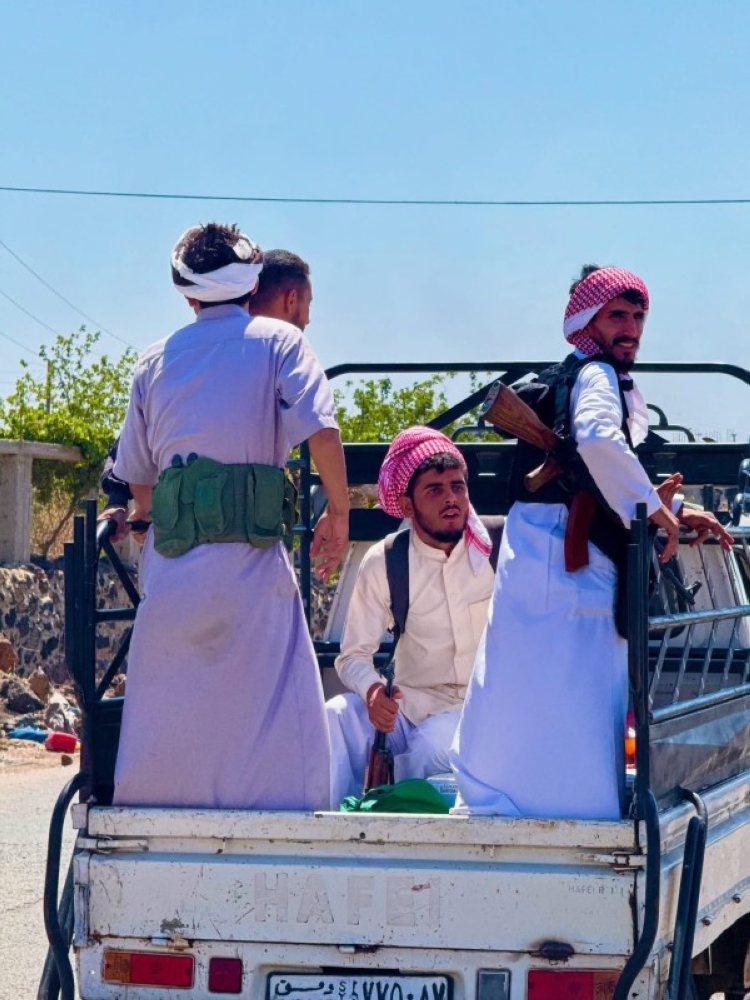
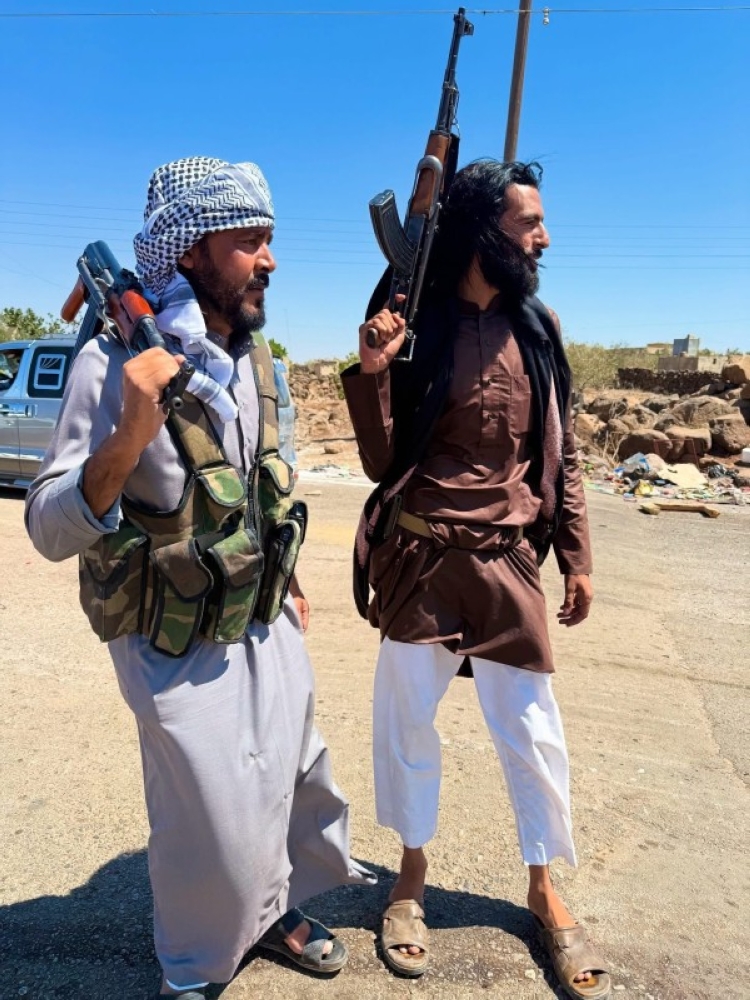
السويداء حملت مشهدًا ناطقًا بهذا التحول، حيث تجمّعت قبائل عريقة: البكارة، والعقيدات، وعنزة، وشمر، والجبور، والمحاميد، والدليم، وكنانة، وبني صخر، والنعيم، وبني خالد، والظفير، والفضول، والموالي، والشرابيين، والعدوان، والعبيد، واللهيب، والمسالمة، والقطان، والرفاعي، والحريري، والزعبي، والمشاهدة، والفدعان، والعمارات، والبو شعبان، وخفاجة؛ في مشهد تجاوز الإطار العشائري نحو إعلان واضح لتحمّل المسؤولية الوطنية.
القبائل في سورية لا تُنتظر لتشارك، بل تتحرّك حين تتطلب الأرض من ينهض بها.
هذا الحراك لم يُولد كرد فعل، بل كموقف أصيل متجذر في ثقافة تعتبر حماية الأرض شرفًا، والسكون على الفوضى خيانة للمبدأ.
بيان المجلس الأعلى للعشائر حمل دلالة دقيقة: التزامٌ بكل ما يصدر من الدولة، ودعوة إلى بسط نفوذها على كامل التراب السوري وهذا تأكيد على أن القبيلة شريك في صناعة التوازن، لا متفرج على هشاشته.
السلاح في يد رجال القبائل لم يخرج من فوضى، بل تحرّك بانضباط يعكس معرفة دقيقة بالزمن والموقع.
في مجتمع تشظّت فيه الولاءات، حافظت القبيلة على ثباتها، فلم تتغير مواقفها بتغير الرايات، ولم ترهن قرارها لأجندات مستوردة.
وحين تغيب المؤسسات، تملأ القبيلة الفراغ لا عبر الشعارات، بل عبر الانتماء المسؤول.
وفي سورية، القبائل اليوم لا تبحث عن سلطة، بل عن وطن يتسع لها ولغيرها، دون تهميش ولا وصاية.
هذا هو المشهد.. حضور قبلي عاقل، يُعيد الاعتبار لصوت الضمير العربي في زمن تصدعت فيه الهويات..
In the heart of the Syrian geography, worn by conflict, tribes emerge as a rooted social force, possessing the legitimacy of the land and carrying in their memory a narrative of belonging and reconciliation.
From the south to the east, and from the island to the desert, the tribes move with a responsibility that re-establishes the scene when those in power retreat.
As-Suwayda presented a vivid scene of this transformation, where ancient tribes gathered: the Bakara, the Aqidat, the Anaza, the Shammar, the Jabour, the Mahamid, the Dulaym, the Kinanah, the Bani Sakhr, the Naim, the Bani Khalid, the Dhafir, the Fadoul, the Mawali, the Sharabiyin, the Adwan, the Abid, the Lahib, the Masalama, the Qattan, the Rifa'i, the Hariri, the Zu'bi, the Mushahda, the Fad'an, the Imarat, the Bu Sha'ban, and the Khafaja; in a scene that transcended the tribal framework towards a clear declaration of national responsibility.
The tribes in Syria are not waited upon to participate; they act when the land requires someone to uplift it.
This movement was not born as a reaction, but as an authentic stance rooted in a culture that considers protecting the land an honor, and remaining idle amidst chaos a betrayal of principle.
The statement from the Supreme Council of Tribes carried a precise indication: a commitment to everything issued by the state, and a call to extend its influence over all Syrian territory, affirming that the tribe is a partner in creating balance, not a spectator of its fragility.
The weapons in the hands of the tribal men did not emerge from chaos, but moved with discipline that reflects a precise understanding of time and place.
In a society where loyalties have fragmented, the tribe has maintained its stability; its positions have not changed with the shifting banners, nor has it tied its decisions to imported agendas.
And when institutions are absent, the tribe fills the void not through slogans, but through responsible belonging.
In Syria today, the tribes are not seeking power, but a homeland that accommodates them and others, without marginalization or guardianship.
This is the scene... a wise tribal presence, restoring the significance of the Arab conscience in a time when identities have fractured...