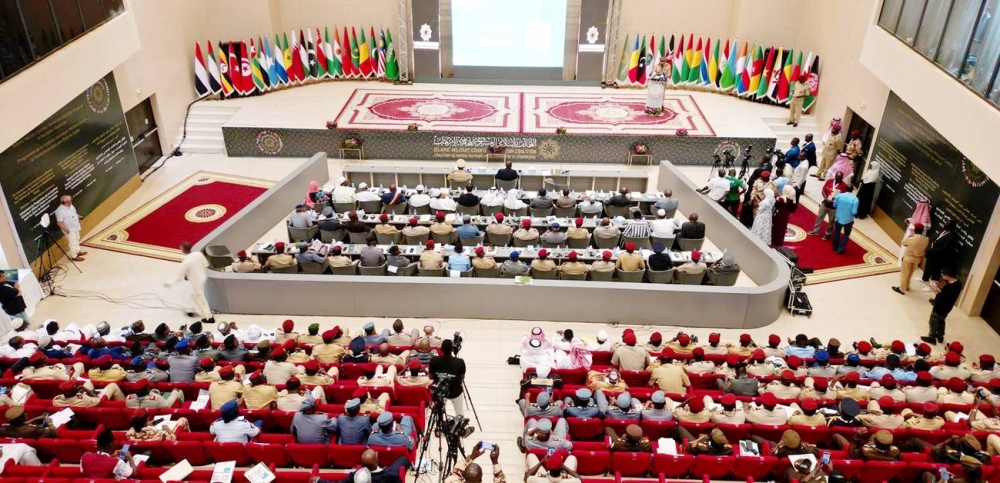
دشّن التحالف الإسلامي العسكري لمحاربة الإرهاب، في العاصمة التشادية إنجامينا، أمس، برنامج دول الساحل لتعزيز القدرات في محاربة الإرهاب في محطته الرابعة، وافتُتح البرنامج بكلمة ألقاها الأمين العام للتحالف الإسلامي اللواء الطيار الركن محمد بن سعيد المغيدي أبان فيها أن إطلاق برنامج دول الساحل في جمهورية تشاد يمثل محطةً إستراتيجية جديدة في مسيرة التحالف لمواجهة الإرهاب والتطرف، عبر آليات متكاملة تشمل الجوانب الفكرية والإعلامية والعسكرية ومحاربة تمويل الإرهاب، مؤكداً أن تضافر جهود الدول الأعضاء هو السبيل الأمثل لتحقيق الأمن والاستقرار في المنطقة.
مشيراً إلى أن هذا البرنامج يأتي ضمن خطة طموحة أطلقها التحالف تشمل تنفيذ 90 برنامجاً تدريبياً لأكثر من 4600 متدرب، إضافة إلى 20 برنامجاً توعوياً في 15 دولة، وقد نُفذ حتى الآن 25 برنامجاً بمشاركة 284 متدرباً من 26 دولة.
من جانبه، ألقى وزير الأمن العام والهجرة بجمهورية تشاد، الفريق علي أحمد أغبش كلمة نيابة عن وزير القوات المسلحة، أشاد بدور التحالف الإسلامي في دعم دول الساحل وتعزيز جهودها في محاربة الإرهاب وتمويله، وأكد التزام بلاده بتعزيز التعاون الدولي والإقليمي لمحاربة الإرهاب وتمويله.
وعد البرنامج من الركائز الأساسية في مواجهة الإرهاب؛ نظراً لما له من أثر بالغ في تجفيف منابع التمويلات غير المشروعة، التي تُستغل في دعم الجماعات الإرهابية والمتطرفة.
وتضمّن الحفل عرضاً تعريفياً بأهداف ومضامين ورشة العمل المصاحبة، التي تستمر على مدى يومين، وتهدف إلى تمكين المشاركين من تطوير آليات عملية لتنفيذ قرارات مجلس الأمن، وتطبيق الاتفاقيات الدولية، وتعزيز التكامل بين الأطر القانونية والأمنية في مجال محاربة الإرهاب.
ويأتي هذا التدشين، إلى جانب ورشة العمل المصاحبة له، ضمن سلسلة الأنشطة المتخصصة التي ينفذها التحالف الإسلامي العسكري لمحاربة الإرهاب، في إطار برنامجه الإقليمي لدول الساحل، الذي يشمل كلاً من: تشاد، والنيجر، ومالي، وموريتانيا، وبوركينا فاسو، ويهدف إلى تعزيز القدرات الوطنية للدول الأعضاء، وتطوير خطط وإستراتيجيات فعالة وشاملة لمحاربة الإرهاب.
The Islamic Military Alliance to Combat Terrorism launched yesterday in the Chadian capital, N'Djamena, the Sahel States Program to enhance capabilities in combating terrorism at its fourth station. The program was inaugurated with a speech delivered by the Secretary-General of the Islamic Alliance, Major General Pilot Rakan Mohammed bin Said Al-Magidi, in which he stated that the launch of the Sahel States Program in the Republic of Chad represents a new strategic milestone in the alliance's journey to confront terrorism and extremism, through integrated mechanisms that include intellectual, media, military aspects, and combating the financing of terrorism. He emphasized that the concerted efforts of member states are the optimal way to achieve security and stability in the region.
He pointed out that this program is part of an ambitious plan launched by the alliance, which includes the implementation of 90 training programs for more than 4,600 trainees, in addition to 20 awareness programs in 15 countries. So far, 25 programs have been implemented with the participation of 284 trainees from 26 countries.
For his part, the Minister of Public Security and Immigration of the Republic of Chad, Lieutenant General Ali Ahmed Agbesh, delivered a speech on behalf of the Minister of Armed Forces, praising the role of the Islamic Alliance in supporting the Sahel countries and enhancing their efforts in combating terrorism and its financing. He affirmed his country's commitment to strengthening international and regional cooperation to combat terrorism and its financing.
The program is considered one of the fundamental pillars in combating terrorism, given its significant impact on drying up the sources of illicit financing that are exploited to support terrorist and extremist groups.
The ceremony included a presentation introducing the objectives and contents of the accompanying workshop, which will last for two days, aimed at enabling participants to develop practical mechanisms for implementing Security Council resolutions, applying international agreements, and enhancing integration between legal and security frameworks in the field of combating terrorism.
This launch, along with the accompanying workshop, is part of a series of specialized activities carried out by the Islamic Military Alliance to Combat Terrorism, within the framework of its regional program for the Sahel States, which includes Chad, Niger, Mali, Mauritania, and Burkina Faso. The program aims to enhance the national capacities of member states and develop effective and comprehensive plans and strategies to combat terrorism.