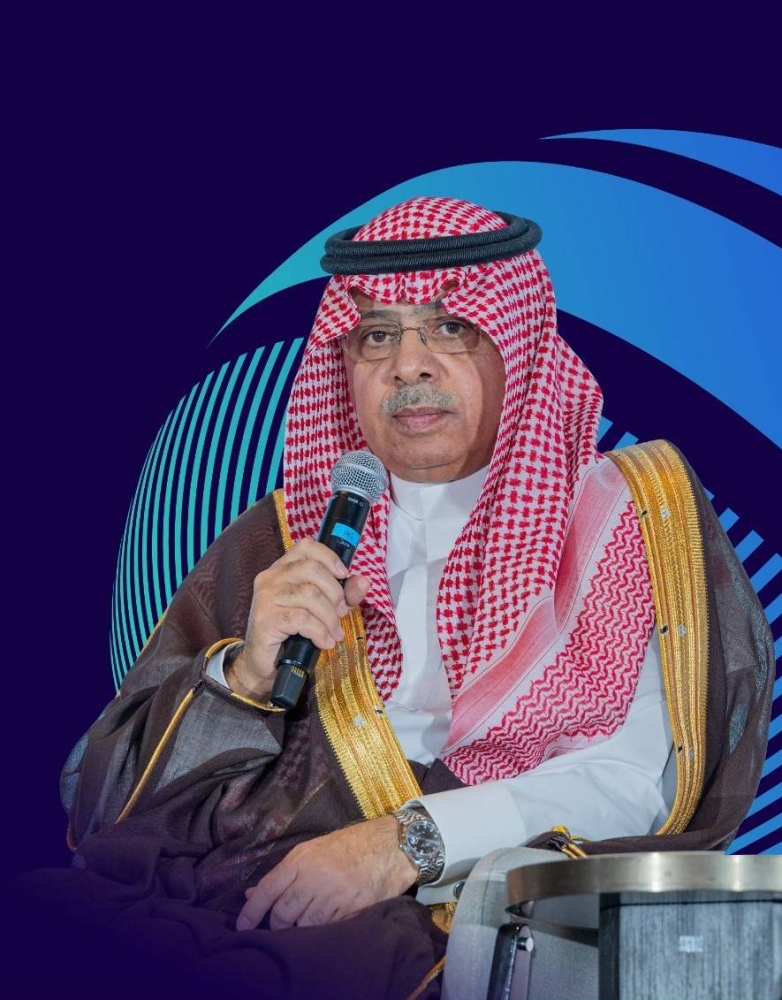
شارك رئيس الهيئة العامة للطيران المدني رئيس المجلس التنفيذي للمنظمة العربية للطيران المدني عبدالعزيز بن عبدالله الدعيلج، أمس، في أعمال أسبوع الطيران رفيع المستوى الذي تنظمه وزارة النقل بجمهورية سنغافورة خلال الفترة من 13-18 يوليو، من خلال جلسة حوارية بعنوان «مستقبل النقل العالمي في عالم متغير.. الفرص والشراكات»، إذ أشار في كلمته إلى التحدي الذي يواجه قطاع الطيران والمتمثل في إدارة الارتفاع الحاد في الطلب على السفر، مبيناً أن تقديرات المجلس الدولي للمطارات متوقعة بوصول عدد المسافرين إلى 12 مليار مسافرٍ بحلول عام 2030، وهذا النمو يضع ضغوطاً كبيرةً على البنية التحتية، وسلاسل التوريد، واللوائح، والقوى العاملة، وجهود الاستدامة.
وتطرّق إلى التحديات الإقليمية التي تواجه منطقة الشرق الأوسط، لا سيما إغلاق عددٍ من الأجواء، وما تتيحه هذه التحديات من فرصٍ؛ لتعزيز الكفاءة التشغيلية، وتوسيع نطاق تدريب الكوادر المؤهلة، وتطوير آليات مبتكرة تضمن سلامة وانسيابية الحركة الجوية؛ وفي هذا السياق قامت المملكة العربية السعودية بإعادة توجيه نحو 41 ألف رحلة جوية خلال الفترة الماضية، في خطوة تعكس مستوى الكفاءة وسرعة الاستجابة والتنسيق الفعّال بين دول المنطقة.
وأكّد أهمية بناء كوادر بشرية فعالة قادرة على مواكبة التطورات المتسارعة في قطاع الطيران المدني، وهذا يتطلب مواءمة المخرجات التعليمية مع حاجات القطاع، وتعزيز الابتكار والبحث العلمي، وتوفير برامج تدريبية متقدمة تواكب أفضل الممارسات العالمية، وتطرق إلى موضوع الاستدامة والطريق إلى الحياد الكربوني، مبيناً أن قطاع الطيران يسهم بنحو 2% من الانبعاثات الكربونية العالمية، ويتطلب تحقيق هدف منظمة الطيران المدني الدولي (ICAO) بالوصول إلى الحياد الكربوني بحلول 2050، جهودًا مشتركة تشمل التكنولوجيا، والوقود المستدام للطيران (SAF)، والوقود منخفض الكربون (LCAF) وتحسين الكفاءة التشغيلية، وتطوير البنية التحتية، ومواءمة التنظيمات، والتمويل المناخي.
وعد مبادرة الشرق الأوسط الأخضر نموذجاً إقليمياً للعمل التعاوني في مجال الاستدامة البيئية، مشيراً إلى أن الهيئة العامة للطيران المدني في المملكة أطلقت برنامج الاستدامة البيئية للطيران المدني، بما يدعم الأهداف الوطنية والعالمية، وتشمل المبادرات مطارات محايدة كربونياً، مثل: مطار البحر الأحمر الدولي، الذي يوفر الوقود المستدام للطيران (SAF) لجميع شركات الطيران العاملة، ومبادرة «مطاراتنا خضراء»؛ التي تهدف إلى زراعة مليون شجرة في مواقع المطارات بحلول 2030، وبرامج متكاملة لفرز وإعادة تدوير النفايات في المطارات الكبرى، إلى جانب شراكات إستراتيجية مع منظمات وطنية ودولية بما في ذلك منظمة الطيران الدولي والمجلس الدولي للمطارات؛ لتبني وتعزيز أفضل الممارسات في الإدارة البيئية.
The Chairman of the General Authority of Civil Aviation and Chairman of the Executive Council of the Arab Civil Aviation Organization, Abdulaziz bin Abdullah Al-Duailej, participated yesterday in the High-Level Aviation Week organized by the Ministry of Transport of the Republic of Singapore from July 13-18, through a panel discussion titled "The Future of Global Transport in a Changing World: Opportunities and Partnerships." In his speech, he highlighted the challenge facing the aviation sector, which is managing the sharp increase in demand for travel, noting that the International Airports Council estimates that the number of passengers is expected to reach 12 billion by 2030. This growth places significant pressure on infrastructure, supply chains, regulations, workforce, and sustainability efforts.
He addressed the regional challenges facing the Middle East, particularly the closure of several airspaces, and the opportunities these challenges present to enhance operational efficiency, expand the training of qualified personnel, and develop innovative mechanisms to ensure the safety and smoothness of air traffic. In this context, the Kingdom of Saudi Arabia has redirected approximately 41,000 flights in the past period, reflecting the level of efficiency, rapid response, and effective coordination among the countries in the region.
He emphasized the importance of building an effective human workforce capable of keeping pace with the rapid developments in the civil aviation sector. This requires aligning educational outputs with the needs of the sector, enhancing innovation and scientific research, and providing advanced training programs that keep up with the best global practices. He also touched on the topic of sustainability and the path to carbon neutrality, indicating that the aviation sector contributes about 2% of global carbon emissions. Achieving the International Civil Aviation Organization (ICAO) goal of reaching carbon neutrality by 2050 requires joint efforts that include technology, sustainable aviation fuel (SAF), low carbon aviation fuel (LCAF), improving operational efficiency, developing infrastructure, aligning regulations, and climate financing.
He described the Middle East Green Initiative as a regional model for collaborative action in the field of environmental sustainability, noting that the General Authority of Civil Aviation in the Kingdom has launched an environmental sustainability program for civil aviation that supports national and global goals. The initiatives include carbon-neutral airports, such as the Red Sea International Airport, which provides sustainable aviation fuel (SAF) to all operating airlines, and the "Our Airports are Green" initiative, which aims to plant one million trees at airport locations by 2030, as well as integrated programs for sorting and recycling waste at major airports, along with strategic partnerships with national and international organizations, including the International Civil Aviation Organization and the International Airports Council, to adopt and promote best practices in environmental management.