


-------------
- السوق تستقبل السياح بروائح الكادي والريحان
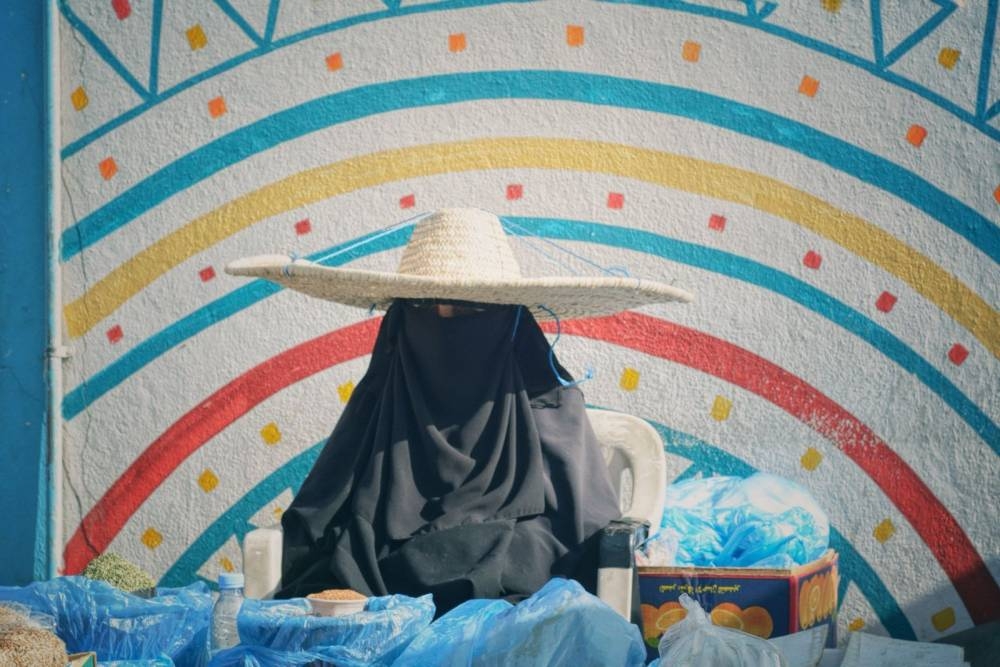
- الهوية المحلية حاضرة في كل تفاصيل السوق
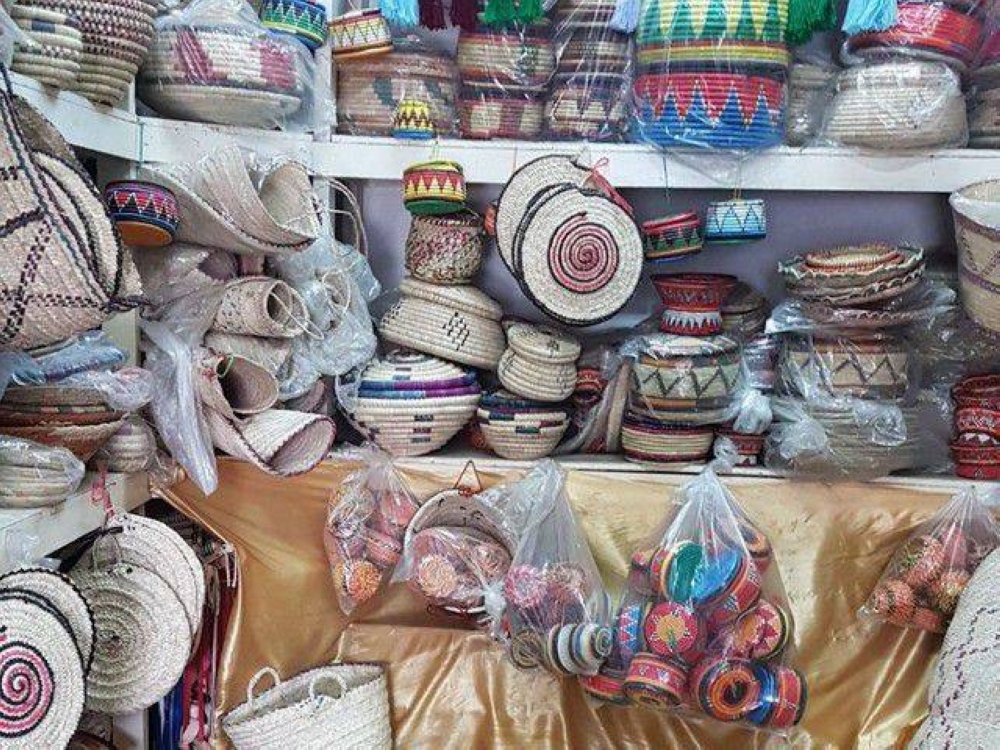
- منتجات تراثية وأزياء تقليدية تنعش موسم الصيف
----------------
مع بداية موسم الصيف، تشهد سوق الثلاثاء الشعبية في محافظة النماص، إقبالًا واسعًا من الزوار والسياح، ممن يبحثون عن تجربة تراثية أصيلة، تجمع بين عبق الماضي ونبض الحاضر.
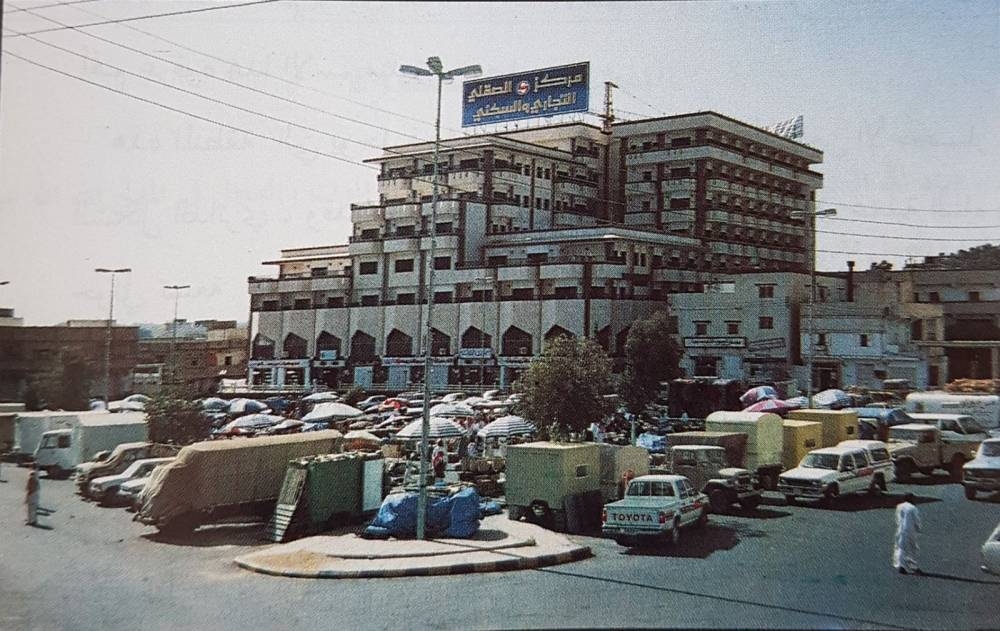
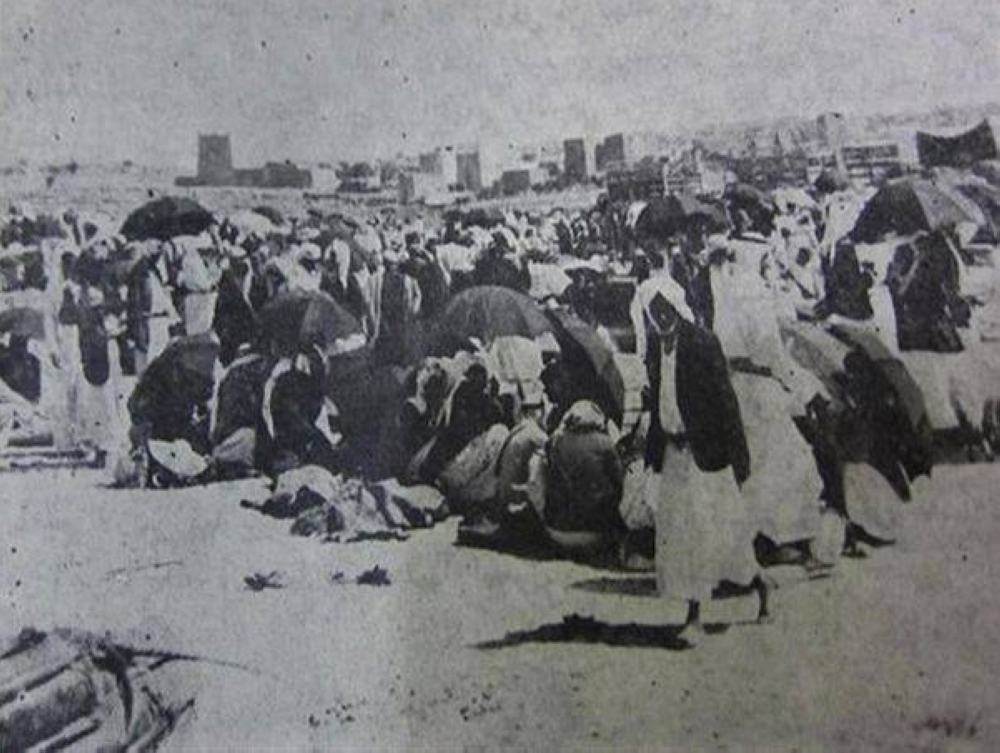
وتعد السوق الأسبوعية من أعرق الأسواق الشعبية في منطقة عسير، ويعود تاريخها إلى أكثر من 200 عام، وكانت تُعرف سابقًا بـ«سوق ابن مدحان»، قبل أن يستقر اسمها على «سوق الثلاثاء» نسبة إلى يوم انعقادها.
ورغم أن السوق تفتح أبوابها طيلة أيام الأسبوع، إلا أن الثلاثاء يظل اليوم الأهم والأكثر ازدحامًا، إذ تتحول إلى ملتقى اجتماعي واقتصادي، يجمع الأهالي والزوار، في مشهد نابض بالحياة، تتناغم فيه الروائح العطرية والألوان الزاهية والأهازيج الشعبية.
ملتقى للتراث والذاكرة
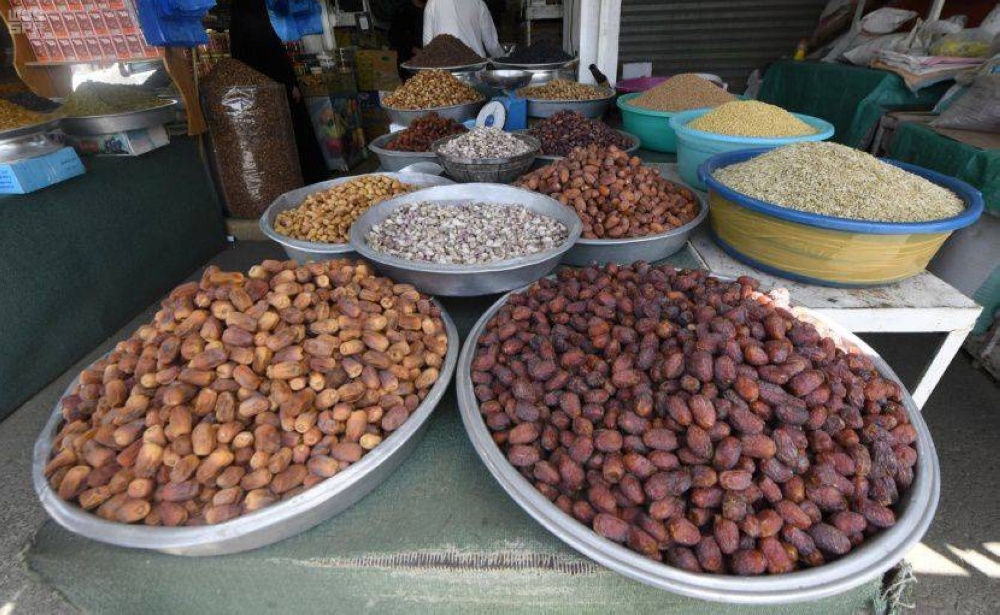
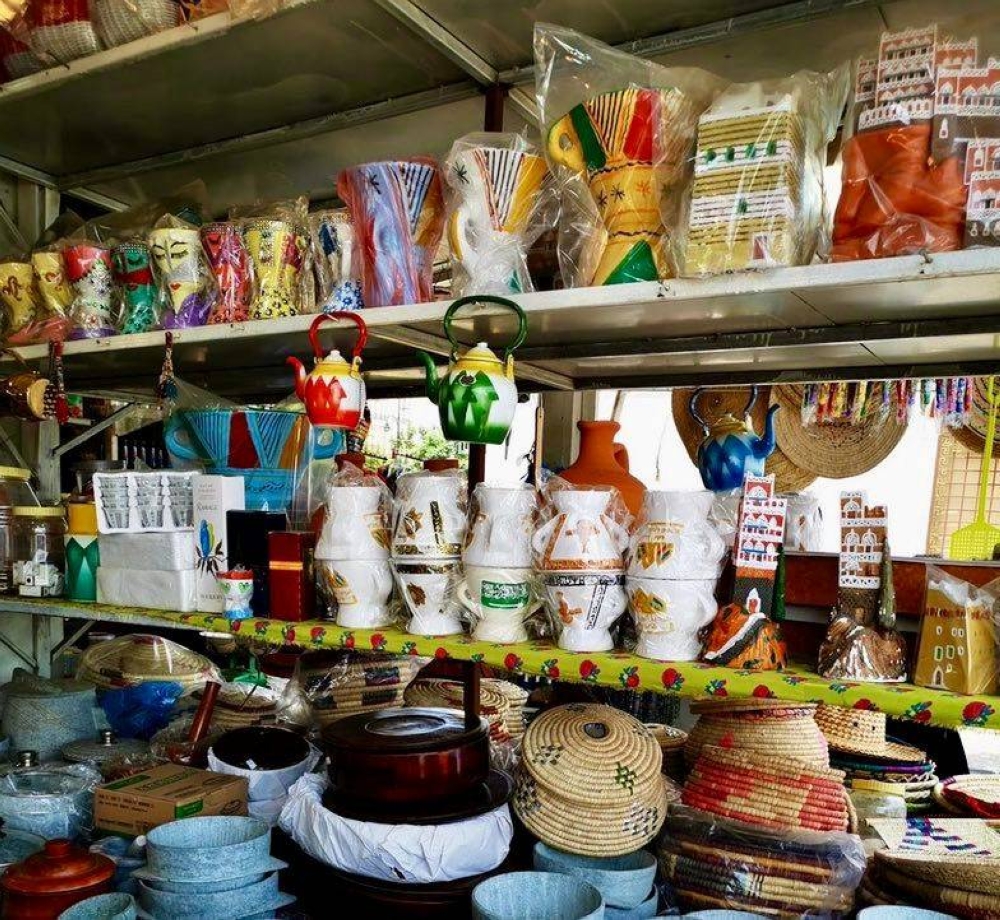
تقع السوق في قلب مدينة النماص، وتضم عشرات المحلات (الدكاكين)، التي تعرض منتجات يدوية وتراثية مثل المصنوعات الفخارية، والمباخر الخشبية، والملابس المطرزة، والعسل، والسمن، والقمح، والتمور بأنواعها، إضافة إلى النباتات العطرية كالريحان والبرك والكادي.
ويجد زوار في السوق أثناء تنقّلهم بين أركانها تجربة مفعمة بالحيوية والحنين، إذ يمكنهم تذوق المأكولات الشعبية، واقتناء الهدايا التذكارية، والتفاعل مع الحرفيين المحليين. وتُعد السوق فرصة ثمينة لالتقاط الصور وسط مشاهد نابضة بالتراث والجمال، لاسيما الزي التقليدي والصناعات اليدوية، التي تعكس هوية المنطقة.
وتحرص الجهات السياحية في المنطقة على إبراز السوق وجهةً رئيسيةً ضمن خارطة الفعاليات الصيفية؛ نظراً لما تمثله من أهمية ثقافية واقتصادية، ودورها في دعم الأسر المنتجة والحرفيين المحليين.
حضور عائلي متجدد
يُلاحظ في السوق حضور لافت للعائلات والأطفال، إذ خصصت بعض المحلات لبيع الألعاب، والملابس التقليدية المعروفة بـ«المكلفات» والشيال المطرزة.
وتعد السوق اليوم شاهداً حيّاً على استمرارية التراث في ذاكرة المكان، وحلقة وصل بين الأجيال، وركيزة من ركائز الهوية العسيرية. وفي ظل الإقبال المتزايد عليها خلال موسم الصيف، تثبت السوق أنها لا تزال قادرةً على جذب الانتباه، رغم كل جديد وحديث.
حكاية قرنين.. سوق «الثلاثاء» في النماص بعدسة «عكاظ»
12 يوليو 2025 - 12:25
|
آخر تحديث 12 يوليو 2025 - 12:25


تابع قناة عكاظ على الواتساب
عبدالعزيز الشهري (النماص) abdalaziz_12345@
-------------
- The market welcomes tourists with the scents of oud and basil
- The local identity is present in every detail of the market
- Heritage products and traditional clothing revive the summer season
----------------
With the beginning of the summer season, the popular Tuesday market in the Al-Namas governorate witnesses a wide turnout from visitors and tourists seeking an authentic heritage experience that combines the fragrance of the past with the pulse of the present.
The weekly market is one of the oldest popular markets in the Asir region, with a history of over 200 years. It was previously known as "Ibn Midhhan Market" before settling on the name "Tuesday Market" in reference to the day it is held.
Although the market opens its doors throughout the week, Tuesday remains the most important and busiest day, as it transforms into a social and economic gathering that brings together locals and visitors in a vibrant scene filled with aromatic scents, bright colors, and folk songs.
A gathering for heritage and memory
The market is located in the heart of Al-Namas city and includes dozens of shops (stores) that display handmade and heritage products such as pottery, wooden incense burners, embroidered clothing, honey, ghee, wheat, and various types of dates, in addition to aromatic plants like basil, marjoram, and oud.
Visitors to the market, while moving between its corners, find an experience full of vitality and nostalgia, as they can taste traditional foods, purchase souvenirs, and interact with local artisans. The market is a valuable opportunity to capture photos amidst scenes vibrant with heritage and beauty, especially the traditional attire and handicrafts that reflect the identity of the region.
The tourism authorities in the region are keen to highlight the market as a main destination within the summer events map, given its cultural and economic significance and its role in supporting productive families and local artisans.
A renewed family presence
There is a noticeable presence of families and children in the market, as some shops are dedicated to selling toys and traditional clothing known as "mukallafat" and embroidered shawls.
The market today stands as a living testament to the continuity of heritage in the memory of the place, a link between generations, and a pillar of the Asiri identity. Amid the increasing turnout during the summer season, the market proves that it is still capable of attracting attention, despite all that is new and modern.
- The market welcomes tourists with the scents of oud and basil
- The local identity is present in every detail of the market
- Heritage products and traditional clothing revive the summer season
----------------
With the beginning of the summer season, the popular Tuesday market in the Al-Namas governorate witnesses a wide turnout from visitors and tourists seeking an authentic heritage experience that combines the fragrance of the past with the pulse of the present.
The weekly market is one of the oldest popular markets in the Asir region, with a history of over 200 years. It was previously known as "Ibn Midhhan Market" before settling on the name "Tuesday Market" in reference to the day it is held.
Although the market opens its doors throughout the week, Tuesday remains the most important and busiest day, as it transforms into a social and economic gathering that brings together locals and visitors in a vibrant scene filled with aromatic scents, bright colors, and folk songs.
A gathering for heritage and memory
The market is located in the heart of Al-Namas city and includes dozens of shops (stores) that display handmade and heritage products such as pottery, wooden incense burners, embroidered clothing, honey, ghee, wheat, and various types of dates, in addition to aromatic plants like basil, marjoram, and oud.
Visitors to the market, while moving between its corners, find an experience full of vitality and nostalgia, as they can taste traditional foods, purchase souvenirs, and interact with local artisans. The market is a valuable opportunity to capture photos amidst scenes vibrant with heritage and beauty, especially the traditional attire and handicrafts that reflect the identity of the region.
The tourism authorities in the region are keen to highlight the market as a main destination within the summer events map, given its cultural and economic significance and its role in supporting productive families and local artisans.
A renewed family presence
There is a noticeable presence of families and children in the market, as some shops are dedicated to selling toys and traditional clothing known as "mukallafat" and embroidered shawls.
The market today stands as a living testament to the continuity of heritage in the memory of the place, a link between generations, and a pillar of the Asiri identity. Amid the increasing turnout during the summer season, the market proves that it is still capable of attracting attention, despite all that is new and modern.




