



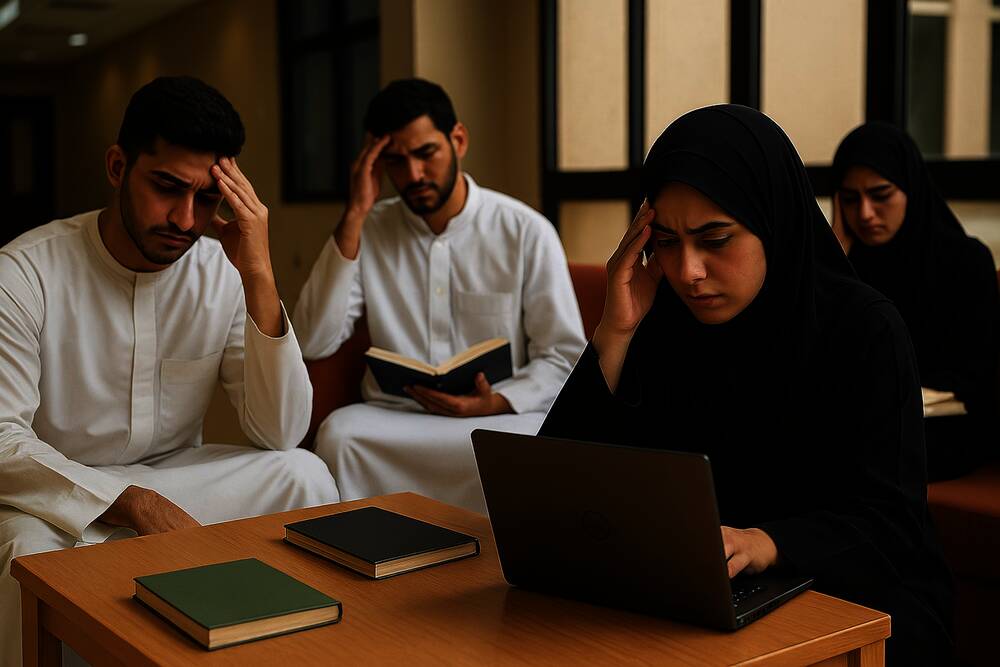
رغم ما تحمله منصة القبول المركزي الموحد من مزايا تنظيمية وإلكترونية؛ تهدف إلى تسهيل إجراءات القبول الجامعي، إلا أن تجارب الميدان كشفت تحديات حقيقية يواجهها الطلاب والطالبات وأسرهم، خصوصاً في ما يتعلق بتوزيع المقبولين على جامعات خارج مناطقهم، ما تسبب في موجة انزعاج بين أولياء الأمور، وأعاد طرح السؤال القديم الجديد: التوزيع المكاني هل يخدم العدالة التعليمية، أم يربك الاستقرار النفسي والاقتصادي؟ وتشير بيانات التعليم إلى أن عدد الطلاب المقيدين في الجامعات السعودية بلغ أكثر من 1.36 مليون طالب وطالبة في 2023، موزعين على 29 جامعة حكومية و38 جامعة وكلية أهلية. إلا أن تطبيق نظام القبول الموحد، الذي يُفترض أنه يسهل الفرص ويزيد العدالة، تسبب فعلياً في تشتيت عدد كبير من الطلاب خارج مناطق إقاماتهم، ما يُثقل كاهل الأسر بتكاليف السكن والنقل، ويؤثر على استقرار الطلاب في أول سنة جامعية تعتبر محورية في تشكيل شخصيتهم الأكاديمية.
يقول خالد الشمري (والد طالبة في السنة التحضيرية)، إن قبول ابنته جاء في منطقة تبعد 600 كيلومتر عن محل سكن العائلة، ما اضطرهم لتأجير سكن خاص وتكبد مصاريف إضافية تتجاوز 30% من دخل الأسرة الشهري.
وفي السياق ذاته، يرى سلمان حميد الشمري، أن النظام الموحد أهدر فرصة القرب الأسري والتوجيه المباشر للطلاب، موضحاً أن ابنه الوحيد يقيم الآن في منطقة بعيدة عنه بلا أي قريب أو دعم عائلي.
أما نورة الحمد، والدة لثلاثة توائم من خريجي المسار العام، فتصف التجربة بـ«المرهقة نفسياً ومادياً»: «تخيل أن تتابع أبناءك في ثلاث جامعات بثلاث مناطق مختلفة».
ويرى الباحث في علم النفس، ماجد الطريفي، خطورة هذا النمط من القبول على طلاب السنة الأولى في الجامعة، مؤكداً، أن هذه المرحلة تتطلب إشرافاً نفسياً وأسرياً مباشراً، وأن الغربة المبكرة دون استعداد كافٍ قد تُنتج مشكلات مثل القلق، الانعزال، أو الانخراط في سلوكيات ضاغطة نفسياً.
ومن جانبه، يضيف الباحث في علم الاجتماع عبدالله البقعاوي، أن اضطرار الأسر إلى إرسال أبنائها إلى مناطق بعيدة يخلق فجوة اجتماعية متسارعة ويُضعف الترابط الأسري، موضحاً أن القبول الموحد بصيغته الحالية لا يراعي الجغرافيا السكانية ولا طبيعة المجتمعات المحلية.
التجربة البرازيلية والهولندية في «قبول»!
رغم الهدف المعلن لنظام القبول المركزي الجامعي بتوحيد الإجراءات وتوسيع فرص التعليم العالي، إلا أن التجارب العالمية والدراسات الحديثة تكشف تحديات حقيقية تواجه هذا النمط، أبرزها تشتيت الطلاب عن مناطقهم الأصلية، وإضعاف الترابط الأسري، وزيادة الضغوط النفسية في سنوات الجامعة الأولى، وفي البرازيل مثلاً كشفت دراسة صادرة عن كلية الاقتصاد بجامعة FGV في ريو دي جانيرو، أن تطبيق نظام القبول المركزي البرازيلي (SISU) أدى إلى ارتفاع الهجرة الطلابية بين المناطق بنسبة 2.9 نقطة مئوية واستقطاب طلاب من خارج الولاية دون ضمان استقرارهم؛ ما يُحدِث تأثيراً غير مدروس على البيئة الأسرية، وعبئاً مالياً مضاعفاً على العائلات. وفي هولندا، يعاني الطلاب المغتربون نفسياً، إذ أظهرت أكثر من دراسة من جامعة Utrecht الهولندية، أن الطلاب المغتربين أبلغوا عن نسب أعلى من الحنين النفسي، وزادت الغربة عند التفاعل عن بُعد مع العائلة، أو الانعزال في السكن الجامعي.
وفي الولايات المتحدة، تعاني 94% من الطالبات الغربة في الأسابيع الأولى، وقالت دراسة في جامعة أمريكية تابعت 174 طالبة خلال أول 10 أسابيع من الفصل الجامعي، وخلصت إلى أن 94% شعرن بأعراض الغربة والانفصال الأسري، والتأقلم كان أصعب لدى الطالبات اللواتي يدرسن بعيداً عن عائلاتهن. وتأمل الأسر من وزارة التعليم إعادة النظر في آلية القبول الموحد، مع منح أولوية لقبول الطالب والطالبة في جامعات مناطقهم الأصلية قبل النظر في توزيعهم على مناطق أخرى.
«عكاظ» ترصد تجارب 3 دول..
«القبول المركزي» يشتّت الطلاب.. والآباء يطالبون بـ «النظام المحلي»
10 يوليو 2025 - 05:44
|
آخر تحديث 10 يوليو 2025 - 05:44


تابع قناة عكاظ على الواتساب
متعب العواد (حائل) motabalawwd@
Despite the organizational and electronic advantages that the unified central admission platform offers, aimed at facilitating university admission procedures, field experiences have revealed real challenges faced by students and their families, particularly regarding the distribution of accepted students to universities outside their regions. This has caused a wave of discontent among parents and has raised the old yet new question: Does spatial distribution serve educational justice, or does it disrupt psychological and economic stability? Education data indicates that the number of enrolled students in Saudi universities exceeded 1.36 million in 2023, distributed across 29 public universities and 38 private universities and colleges. However, the implementation of the unified admission system, which is supposed to facilitate opportunities and increase fairness, has actually resulted in a significant number of students being scattered outside their residential areas, burdening families with housing and transportation costs, and affecting students' stability in their first university year, which is crucial in shaping their academic identity.
Khalid Al-Shammari (father of a preparatory year student) says that his daughter was accepted in an area 600 kilometers away from the family's residence, forcing them to rent private accommodation and incur additional expenses exceeding 30% of the family's monthly income.
In the same context, Salman Hamid Al-Shammari believes that the unified system has wasted the opportunity for family proximity and direct guidance for students, explaining that his only son now lives in a distant area without any relatives or family support.
Noura Al-Hamad, mother of three twins who graduated from the general track, describes the experience as "mentally and financially exhausting": "Imagine following your children in three universities in three different regions."
Psychologist Majid Al-Turaifi sees the danger of this admission pattern for first-year university students, emphasizing that this stage requires direct psychological and family supervision, and that early estrangement without adequate preparation may lead to problems such as anxiety, isolation, or engaging in psychologically stressful behaviors.
For his part, sociologist Abdullah Al-Buqawi adds that families being forced to send their children to distant areas creates a rapidly widening social gap and weakens family ties, explaining that the current form of unified admission does not take into account population geography or the nature of local communities.
The Brazilian and Dutch experience in "Admission"!
Despite the declared goal of the central university admission system to unify procedures and expand opportunities for higher education, global experiences and recent studies reveal real challenges facing this model, most notably the scattering of students from their original areas, weakening family ties, and increasing psychological pressures in the early university years. In Brazil, for example, a study from the Economics Department at FGV University in Rio de Janeiro revealed that the implementation of the Brazilian central admission system (SISU) led to a 2.9 percentage point increase in student migration between regions and attracted students from outside the state without ensuring their stability; creating an unstudied impact on the family environment and a multiplied financial burden on families. In the Netherlands, expatriate students suffer psychologically, as more than one study from Utrecht University showed that expatriate students reported higher rates of psychological homesickness, which increased when interacting remotely with family or isolating in university housing.
In the United States, 94% of female students experience homesickness in the first weeks. A study at an American university that followed 174 female students during the first 10 weeks of the semester concluded that 94% felt symptoms of homesickness and family separation, and adaptation was more difficult for students studying far from their families. Families hope that the Ministry of Education will reconsider the mechanism of unified admission, prioritizing the acceptance of students in universities in their original regions before considering their distribution to other areas.
Khalid Al-Shammari (father of a preparatory year student) says that his daughter was accepted in an area 600 kilometers away from the family's residence, forcing them to rent private accommodation and incur additional expenses exceeding 30% of the family's monthly income.
In the same context, Salman Hamid Al-Shammari believes that the unified system has wasted the opportunity for family proximity and direct guidance for students, explaining that his only son now lives in a distant area without any relatives or family support.
Noura Al-Hamad, mother of three twins who graduated from the general track, describes the experience as "mentally and financially exhausting": "Imagine following your children in three universities in three different regions."
Psychologist Majid Al-Turaifi sees the danger of this admission pattern for first-year university students, emphasizing that this stage requires direct psychological and family supervision, and that early estrangement without adequate preparation may lead to problems such as anxiety, isolation, or engaging in psychologically stressful behaviors.
For his part, sociologist Abdullah Al-Buqawi adds that families being forced to send their children to distant areas creates a rapidly widening social gap and weakens family ties, explaining that the current form of unified admission does not take into account population geography or the nature of local communities.
The Brazilian and Dutch experience in "Admission"!
Despite the declared goal of the central university admission system to unify procedures and expand opportunities for higher education, global experiences and recent studies reveal real challenges facing this model, most notably the scattering of students from their original areas, weakening family ties, and increasing psychological pressures in the early university years. In Brazil, for example, a study from the Economics Department at FGV University in Rio de Janeiro revealed that the implementation of the Brazilian central admission system (SISU) led to a 2.9 percentage point increase in student migration between regions and attracted students from outside the state without ensuring their stability; creating an unstudied impact on the family environment and a multiplied financial burden on families. In the Netherlands, expatriate students suffer psychologically, as more than one study from Utrecht University showed that expatriate students reported higher rates of psychological homesickness, which increased when interacting remotely with family or isolating in university housing.
In the United States, 94% of female students experience homesickness in the first weeks. A study at an American university that followed 174 female students during the first 10 weeks of the semester concluded that 94% felt symptoms of homesickness and family separation, and adaptation was more difficult for students studying far from their families. Families hope that the Ministry of Education will reconsider the mechanism of unified admission, prioritizing the acceptance of students in universities in their original regions before considering their distribution to other areas.


