


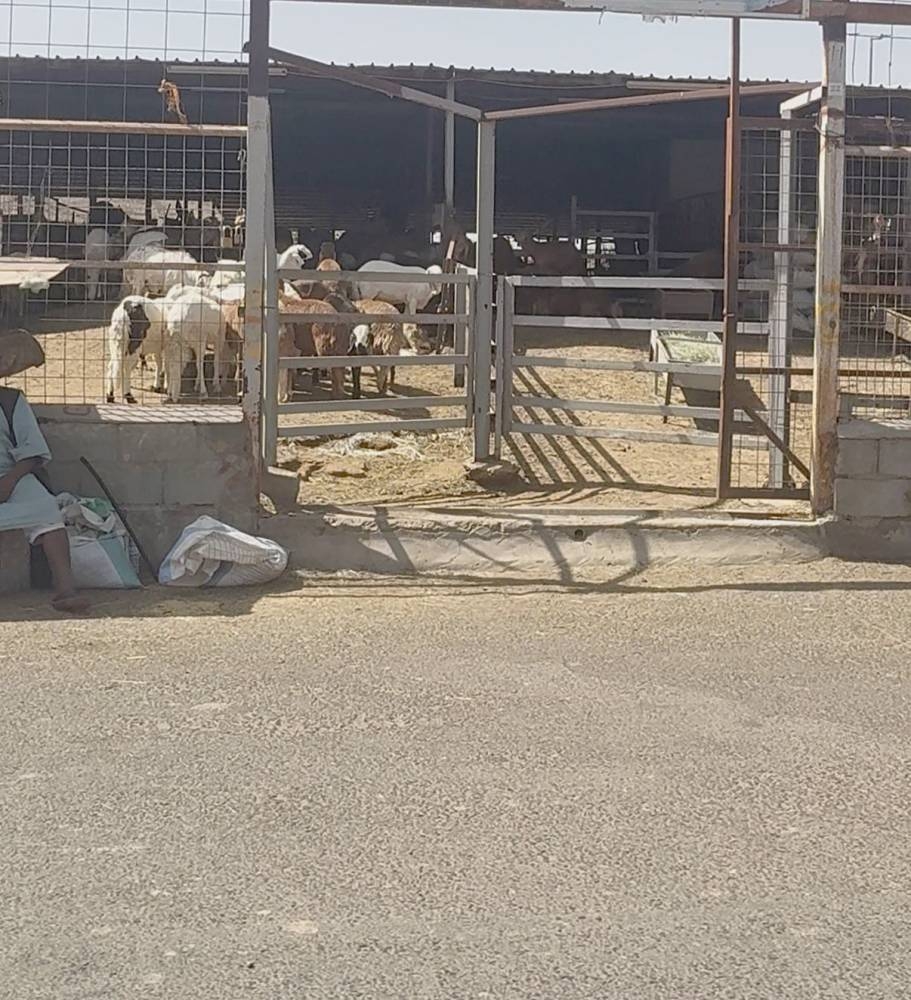
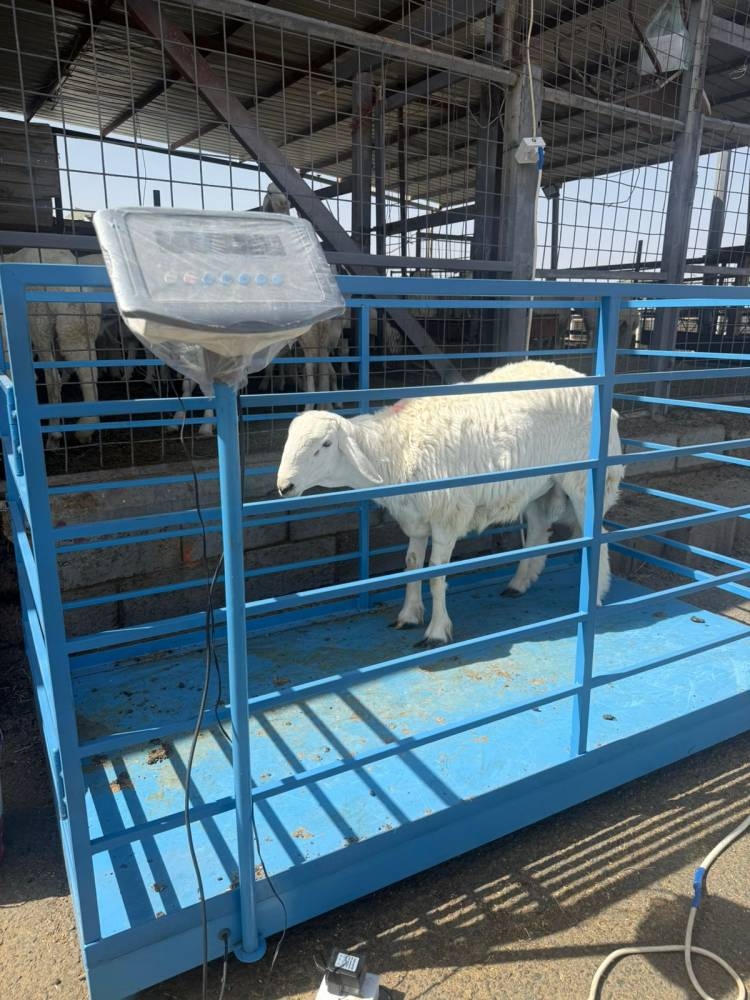
رصدت «عكاظ» في جولة ميدانية على أسواق النفع العام في الطائف، التزام حظيرة واحدة فقط بتطبيق قرار بيع المواشي الحية بالميزان، في وقتٍ باشرت فيه عشرات الحظائر الأخرى نشاطها دون الالتزام بالآلية الجديدة التي دخلت حيّز التنفيذ رسميّاً منذ ستة أيام.وكشف صاحب الحظيرة «أبو ذياب» لـ«عكاظ» أن البيع بالوزن يضمن عدالة أكبر للطرفين، وأن «الذبيحة كلما زاد وزنها، انخفض سعر الكيلو، والعكس صحيح، مشيراً إلى أن أحد الخراف التي قام بوزنها بلغ 53 كيلوغرامًا، وبيع بسعر 35 ريالاً للكيلو، ليصل إجمالي السعر إلى 1855 ريالاً. وأكد أن هذه الطريقة في التسعير تُحقق توازناً بين جودة اللحوم وحجم الذبيحة، وتمنح المشتري حرية التقييم على أساس الوزن الفعلي.في المقابل، أبدى نواف الروقي وسلطان البقمي استغرابهما من بدء تنفيذ القرار دون جاهزية الأسواق، وأن استمرار ارتفاع أسعار المواشي، بشكل جنوني، فيما أكد مهتمون بالثروة الحيوانية أن ارتفاع أسعار الأغنام جاء انعكاساً لارتفاع أسعار الأعلاف منذ شهرين، مؤكدين أن البيع بالوزن لا يُعد حلاً كافياً ما لم يتم إلزام باعة الجملة بالتسعير العادل، وتوحيد الأسعار بين السوقين «البيع بالجملة والتجزئة»؛ لضمان العدالة وتنظيم السوق فعليّاً.يشار الى أن وزارة البيئة والمياه والزراعة بدأت اعتباراً من غرة محرم 1447هـ، في تطبيق قرار بيع المواشي الحية المعدّة للذبح بالوزن، في خطوة تهدف إلى تعزيز الشفافية والعدالة بين البائع والمشتري، وتنظيم حركة البيع في الأسواق، إلا أن تأخر التجهيزات والرقابة في بعض الأسواق لا يزال يشكّل عائقاً أمام نجاح القرار في مراحله الأولى.
بعد 6 أيام من التطبيق.. حظيرة يتيمة تلتزم بميزان المواشي بالطائف


"Okaz" monitored in a field tour of the public benefit markets in Taif, the commitment of only one pen to apply the decision to sell live livestock by weight, at a time when dozens of other pens began their activities without adhering to the new mechanism that officially came into effect six days ago. The owner of the pen, "Abu Dhiab," revealed to "Okaz" that selling by weight ensures greater fairness for both parties, and that "the heavier the slaughtered animal, the lower the price per kilo, and vice versa." He pointed out that one of the sheep he weighed reached 53 kilograms and was sold at a price of 35 riyals per kilo, bringing the total price to 1855 riyals. He confirmed that this pricing method achieves a balance between the quality of the meat and the size of the slaughtered animal, and gives the buyer the freedom to evaluate based on the actual weight. On the other hand, Nawaf Al-Ruqai and Sultan Al-Buqami expressed their astonishment at the implementation of the decision without the markets being ready, noting the continued insane rise in livestock prices. Meanwhile, those interested in livestock wealth confirmed that the rise in sheep prices was a reflection of the increase in feed prices over the past two months, asserting that selling by weight is not a sufficient solution unless wholesale sellers are obligated to fair pricing and unify prices between the two markets ("wholesale and retail") to ensure fairness and effectively organize the market. It is worth mentioning that the Ministry of Environment, Water, and Agriculture began, starting from the first of Muharram 1447 AH, to implement the decision to sell live livestock prepared for slaughter by weight, in a step aimed at enhancing transparency and fairness between the seller and the buyer, and organizing the movement of sales in the markets. However, delays in preparations and oversight in some markets still pose an obstacle to the success of the decision in its initial stages.




