


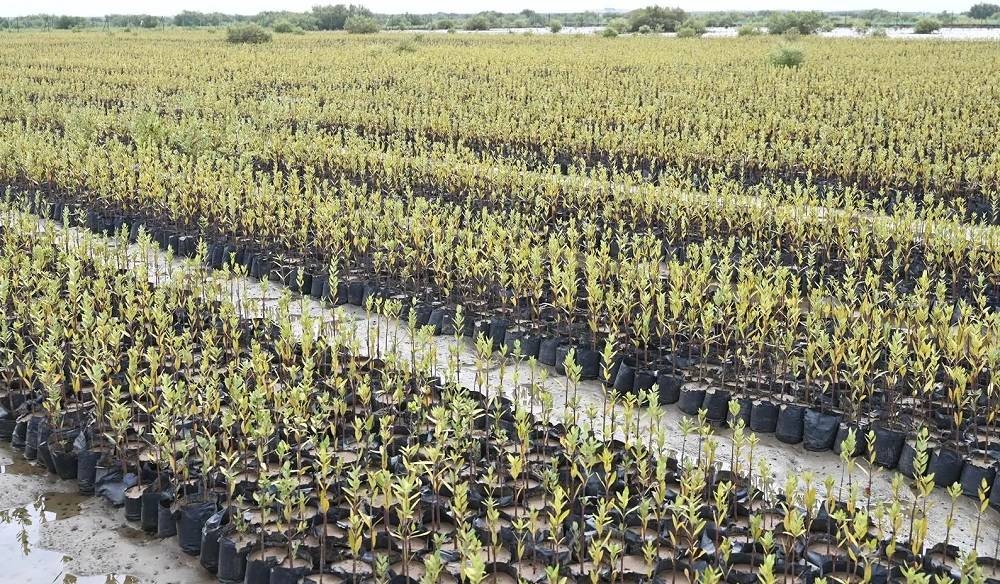
أكد المركز الوطني لتنمية الغطاء النباتي ومكافحة التصحر جهود المملكة في تنمية الغطاء النباتي والتشجير والحفاظ على الموارد المائية، وتعزيز قدرتها على مواجهة آثار التصحر والجفاف، الناتجة عن التغير المناخي وتزايد الأنشطة البشرية.
وأبرز المركز تطبيق الأنظمة والمعايير ذات الصلة، وحماية الغابات وتنميتها واستدامتها، والإدارة المستدامة للمراعي والمتنزهات الوطنية، وإعادة تأهيل الغطاء النباتي والتشجير، مركزاً على إشراك القطاع الخاص لأداء المهمات ذات الصلة، إلى جانب الالتزام بالاتفاقيات الدولية، ورفع تقارير الأداء.
ونوّه المركز بمناسبة اليوم العالمي للتصحر بأهمية استعادة الأراضي المتدهورة، لتعزيز الأمن الغذائي والمائي، ودعم الجهود العالمية في مواجهة التغير المناخي، إذ يعتمد أكثر من نصف الناتج المحلي الإجمالي العالمي على موارد الطبيعة وخدمات النظم البيئية، لافتاً النظر إلى أن اليوم العالمي للتصحر والجفاف يوعي بالتصحر والجفاف وأثر ذلك في الأمن الغذائي والمائي والتنوع الأحيائي، والتشجيع على تبني ممارسات مستدامة لإدارة الأراضي والمياه، مما يعزز استعادة الأراضي، إضافة إلى التعريف بالجفاف وما يسببه من تهديدات للتنمية المستدامة.
ويسعى المركز الوطني لتنمية الغطاء النباتي ومكافحة التصحر إلى تحقيق الأهداف الإستراتيجية للمملكة ضمن إطار رؤية 2030، من خلال الإسهام في الارتقاء بمستوى المعيشة وجودتها، وخفض التلوث البيئي، وإعادة تأهيل الأراضي المتدهورة، والعمل على تطوير منظومة الحماية البيئية من الأخطار الطبيعية، وتعزيز الوقاية من الآفات التي تُهدد الغطاء النباتي، إلى جانب بناء القدرات الوطنية وضمان الاستفادة المستدامة من الموارد الطبيعية الحيوية في المملكة.
وتُعد مبادرة الشرق الأوسط الأخضر إحدى أبرز المبادرات الإقليمية التي تقودها المملكة لمعالجة تحديات شح المياه ومواجهة تهديدات التصحر في مختلف أنحاء المنطقة، وتتضمن جهود المملكة في مواجهة شح المياه تنفيذ برنامج استمطار السحب، الذي أُطلق في عام 2022، لزيادة معدلات الهطول المطري وتعزيز مصادر المياه المتجددة، وتتكامل مشاريع «مبادرة الشرق الأوسط الأخضر» مع أهداف «مبادرة السعودية الخضراء»، لا سيما في مجال التشجير، إذ تستهدف زراعة 50 مليار شجرة على مستوى المنطقة خلال العقود القادمة، وهو ما يعادل نحو 5% من الهدف العالمي للتشجير، ومن المتوقع أن تسهم هذه الجهود في خفض الانبعاثات الكربونية العالمية بنسبة تُقدّر بـ2.5%.
«تنمية الغطاء النباتي» يؤكد تأهيل الأراضي وتطوير الحماية البيئية من الأخطار
18 يونيو 2025 - 17:17
|
آخر تحديث 18 يونيو 2025 - 17:29


تابع قناة عكاظ على الواتساب
«عكاظ» (جدة) okaz_online@
The National Center for Vegetation Cover Development and Combating Desertification confirmed the Kingdom's efforts in vegetation cover development, afforestation, and water resource conservation, enhancing its ability to face the impacts of desertification and drought resulting from climate change and increasing human activities.
The center highlighted the application of relevant systems and standards, the protection and development of forests, sustainable management of pastures and national parks, and the rehabilitation of vegetation cover and afforestation, focusing on involving the private sector in carrying out related tasks, alongside commitment to international agreements and performance reporting.
On the occasion of World Day to Combat Desertification, the center emphasized the importance of restoring degraded lands to enhance food and water security and support global efforts to combat climate change, noting that more than half of the global GDP relies on natural resources and ecosystem services. It pointed out that the World Day to Combat Desertification and Drought raises awareness about desertification and drought and their impact on food and water security and biodiversity, encouraging the adoption of sustainable practices for land and water management, which enhances land restoration, in addition to raising awareness about drought and the threats it poses to sustainable development.
The National Center for Vegetation Cover Development and Combating Desertification aims to achieve the Kingdom's strategic goals within the framework of Vision 2030 by contributing to improving the quality of life and living standards, reducing environmental pollution, rehabilitating degraded lands, developing an environmental protection system against natural hazards, and enhancing prevention against pests that threaten vegetation cover, alongside building national capacities and ensuring the sustainable use of vital natural resources in the Kingdom.
The Green Middle East Initiative is one of the most prominent regional initiatives led by the Kingdom to address water scarcity challenges and combat desertification threats across the region. The Kingdom's efforts to combat water scarcity include the implementation of a cloud seeding program launched in 2022 to increase rainfall rates and enhance renewable water sources. The projects of the "Green Middle East Initiative" complement the goals of the "Saudi Green Initiative," particularly in the field of afforestation, targeting the planting of 50 billion trees across the region over the coming decades, which is equivalent to about 5% of the global afforestation target. These efforts are expected to contribute to a reduction in global carbon emissions by an estimated 2.5%.
The center highlighted the application of relevant systems and standards, the protection and development of forests, sustainable management of pastures and national parks, and the rehabilitation of vegetation cover and afforestation, focusing on involving the private sector in carrying out related tasks, alongside commitment to international agreements and performance reporting.
On the occasion of World Day to Combat Desertification, the center emphasized the importance of restoring degraded lands to enhance food and water security and support global efforts to combat climate change, noting that more than half of the global GDP relies on natural resources and ecosystem services. It pointed out that the World Day to Combat Desertification and Drought raises awareness about desertification and drought and their impact on food and water security and biodiversity, encouraging the adoption of sustainable practices for land and water management, which enhances land restoration, in addition to raising awareness about drought and the threats it poses to sustainable development.
The National Center for Vegetation Cover Development and Combating Desertification aims to achieve the Kingdom's strategic goals within the framework of Vision 2030 by contributing to improving the quality of life and living standards, reducing environmental pollution, rehabilitating degraded lands, developing an environmental protection system against natural hazards, and enhancing prevention against pests that threaten vegetation cover, alongside building national capacities and ensuring the sustainable use of vital natural resources in the Kingdom.
The Green Middle East Initiative is one of the most prominent regional initiatives led by the Kingdom to address water scarcity challenges and combat desertification threats across the region. The Kingdom's efforts to combat water scarcity include the implementation of a cloud seeding program launched in 2022 to increase rainfall rates and enhance renewable water sources. The projects of the "Green Middle East Initiative" complement the goals of the "Saudi Green Initiative," particularly in the field of afforestation, targeting the planting of 50 billion trees across the region over the coming decades, which is equivalent to about 5% of the global afforestation target. These efforts are expected to contribute to a reduction in global carbon emissions by an estimated 2.5%.





