



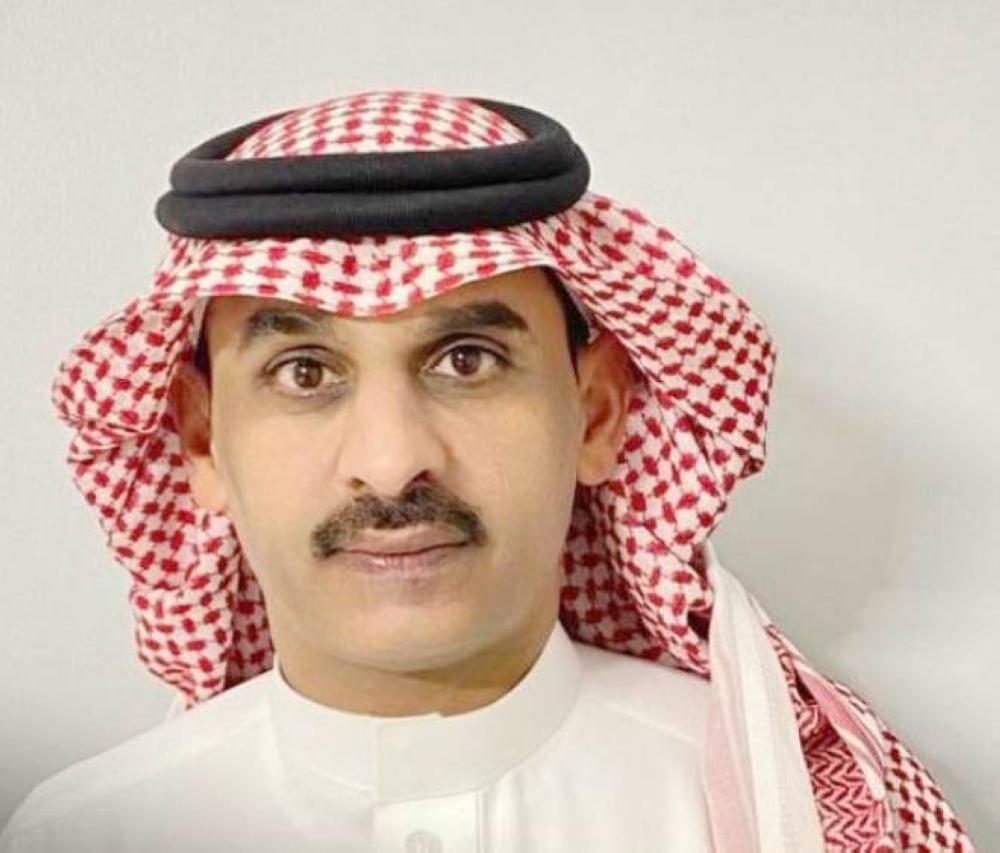
حقق فرع وزارة البيئة والمياه والزراعة بمنطقة عسير، قفزات في مجال التنمية الزراعية، وشهدت الـ 18 شهراً الماضية نمواً في الناتج الزراعي المحلي مقترباً من الناتج الزراعي المستهدف للمنطقة في عام 2030. وتمثلت البداية في ارتفاع عدد المستفيدين من الدعم المباشر الذي يقدمه (ريف السعودية) إلى أكثر من 22 ألف مستفيد بالمنطقة، يمثلون ما نسبته 21% من إجمالي المستفيدين على مستوى مناطق المملكة، وبذلك تصبح منطقة عسير، واحدة من أكثر المناطق استفادة من هذا البرنامج الرائد، وكان لذلك الأثر الكبير في التنمية الزراعية بأرياف المنطقة بشكل خاص، كما استقبلت زراعة عسير أكثر من 127 ألف مزارع ومستفيد وتمت خدمتهم عبر قنوات الوزارة المحددة. وأوضح مدير عام فرع وزارة البيئة والمياه والزراعة بمنطقة عسير المهندس أحمد آل مجثل، في حديثه لـ «عكاظ»، أن نسبة إنتاج العسل في عسير، بحسب آخر إحصاءات الوزارة هي الأولى في كمية إنتاج العسل، وتمثل 20% من إجمالي إنتاج المملكة، وعدد النحالين الممارسين هو بالطبع الأكثر على مستوى المملكة، حيث تجاوز العدد 8 آلاف نحّال مصرّح لهم من الوزارة.
كما ارتفعت الحيازات الزراعية إلى أكثر من 159 ألف حيازة زراعية لتكون منطقة عسير هي الأولى في عدد الحيازات الزراعية على مستوى المناطق، وما يميز هذه الحيازات وجودها في كافة أرجاء المنطقة حتى في أعالي الجبال أو على الهضاب الشرقية أو في السهول الممتدة وبمساحات متباينة وأشكال متعددة بحسب تضاريس كل محافظة.
وعمل فرع وزارة البيئة والمياه والزراعة بالمنطقة على دعم وتشجيع مستثمري الدواجن، وبذلك ارتفع عدد تراخيص مشاريع الدواجن ليصل لـ 398 ترخيصاً وهو العدد الأكثر على مستوى المملكة، كما أن مخططات مشاريع الدواجن الآن هي 129 مخططاً، وهي الأعلى على مستوى المملكة، ونتيجة لذلك أصبح إنتاج الدجاج اللاحم في عسير 142 ألف طن، ويمثل 15% من إجمالي إنتاج المملكة، والمستهدف للعام 2030، إنتاج 223 ألف طن.
«إنتاج التمور»
وأضاف آل مجثل: «تتميز المحافظات والمراكز الشرقية والشمالية الشرقية في عسير، بإنتاج أجود أنواع التمور ذات الخصائص الفريدة التي تجعلها مطلوبة للأسواق المحلية والإقليمية، وبفضل دعم الدولة لقطاع التمور وتسهيل وصول المياه للمزارع وتشجيع المزارعين وتسويق منتجاتهم، ارتفع ناتج التمور في عسير إلى أكثر من 100 ألف طن وارتفعت أعداد رؤوس الماشية المدعومة بالإعانات المباشرة إلى 4.4 مليون رأس، وأعداد رؤوس الماعز المدعومة إلى 1.2 مليون رأس، وتعد منطقة عسير هي الأكثر إنتاجاً للماعز بين مناطق المملكة».
«الأسواق والمسالخ»
آل مجثل أوضح، أن فرع الوزارة، قام بإسناد 56 سوقاً ومسلخاً إلى الشركة الوطنية للخدمات الزراعية بهدف تطوير البنية التحتية لتلك المواقع، وتحسين جودة الخدمات المقدمة للمستفيدين، بينما تستمر زراعة عسير بمراقبة الأداء ومتابعة الامتثال بأسواق النفع العام المختلفة والمسالخ النظامية، حيث أكمل الفرع بنهاية العام الماضي وحتى منتصف هذا العام، أكثر من 46 ألف جولة رقابية صاحبها تسجيل مخالفات وإنذارات على مخالفي نظام الزراعة ولوائحه التنفيذية، كما أشرفت الفرق البيطرية والمختصون على ما يزيد على 450 ألف رأس من المذبوحات بالمسالخ النظامية خلال الفترة ذاتها ويتم تقديم الخدمات العلاجية لما يزيد على 2.9 مليون رأس من المواشي ومعالجة 1,850 حيواناً أليفاً.
كما تم تسجيل المزرعة الإرشادية التابعة لوزارة البيئة والمياه والزراعة بمركز وادي بن هشبل، كأكبر مزرعة مستدامة على مستوى العالم، بمساحة تتجاوز 3.2 مليون متر مربع وتتكون من 50 حقلاً إرشادياً بها أكثر من 18 ألف شجرة. ويبذل الفرع جهوداً كبيرة في تشجيع زراعة البُر (القمح) الأصيل بالمنطقة ليتجاوز الإنتاج 41 ألف طن، وقد دشن وزير البيئة أصناف القمح في فبراير الماضي الأصناف (عسير 01 وعسير 101)، كأفضل أنواع القمح عالية الإنتاجية (8 طن/هكتار)، وبها مستوى بروتين عالي ( 15.4%)، مقارنة بأنواع القمح الأخرى بالمملكة، فيما تم وضع المستهدف لإنتاج القمح بالمنطقة في 2030 ليكون 259 ألف طن ليكون معززاً للأمن الغذائي بالمملكة.
وارتفع الإنتاج الكلي ليصل إلى 13 ألف طن ويمثل 14% من إجمالي إنتاج الفاكهة بالمملكة، والمستهدف الوصول إلى 17 ألف طن بحلول 2030.
وتم تدشين أول بنك ومعرض للبذور بزراعة عسير وهو الأول من نوعه بالوزارة ويحتوي على عدد كبير من الأصول الوراثية النباتية بالمنطقة منها على سبيل المثال ثمانية عشر صنفاً من القمح، وثلاثة أصناف من الشعير، وأربعة أصناف من الدخن، وأصناف من الذرة والسمسم والعدس وغيرها.
كما تم الانتهاء من وثائق 166 موقعاً استثمارياً تابعة لزراعة عسير وهو العدد الأكبر على مستوى الوزارة، وتتعدد الفرص الاستثمارية ما بين مدن زراعية، ومراعٍ، ومواقع تسمين ثروة حيوانية، وصناعات تحويلية وغيرها.
وفي جانب الثروة السمكية، طبقاً لآل مجثل، تم تسليم 53 محرك صيد للصيادين السعوديين بمنطقة عسير، وتقديم ورش العمل والإرشادات التي تساعد الصيادين المحليين على تعزيز الوعي واكتساب المهارة اللازمة للصيد، فيما سواحل المنطقة بها 5 مرافئ على طول ساحل البحر الأحمر الذي يبلغ طوله 140 كم، ويقابله 24 جزيرة، وقد بدأت الوزارة فعلياً بتأهيل تلك المرافئ، وتم الانتهاء حالياً من تأهيل مرفأ القحمة بتكلفة 27 مليون ريال، بينما بلغ إنتاج الأسماك بالمنطقة، أكثر من 4 آلاف طن ويمثل 6% من إنتاج الأسماك بالمملكة، والمستهدف لـ 2030 الوصول إلى 6 آلاف طن.
وتم عمل أول تأهيل للحواجز المائية التقليدية بالمملكة (الكظايم)، وكانت البداية بكظامة الغرسة بمركز بلّسمر، والكظامة هي كلمة محلية تعني حاجزاً مائياً صغيراً على جداول المياه التي تأتي من الجبال الغربية باتجاه الشرق بهدف حفظ مياه الأمطار، وتوزيع حصص المياه على المزارع وسكان القرى المجاورة، فيما يتميز إنشاء الكظايم بقلة التكلفة، وسرعة الإنجاز، وسهولة التشغيل والصيانة.
41فعالية بيئية وزراعية
خلال 2024، والنصف الأول من العام 2025، نفذت زراعة عسير 41 فعالية بيئية وزراعية ومائية وهو العدد الأكبر من الفعاليات على مستوى فروع الوزارة، والإدارات الحكومية بالمنطقة، فيما تنوعت الفعاليات ما بين مهرجانات، وورش عمل، ومحاضرات توعوية، ولقاءات بالمزارعين وغيرها، وشملت معظم محافظات عسير. وحظي البن في المنطقة بعناية أهالي عسير، فهو رمز الضيافة العربية الأصيلة، ويعتبر سلعة مميزة بأسواق المنطقة، ولذلك وضع أمير المنطقة الأمير تركي بن طلال، وبحضور وزير البيئة والمياه والزراعة، حجر الأساس لأول مركز متخصص للبن على مستوى المملكة، لتشجيع مزارعي البن المحليين على الإنتاج ومساعدتهم في تحسين منتجهم من البن، وتعزيز عمليات تسويق البن السعودي.
وفعّلت زراعة عسير، إيصال التيار الكهربائي للحيازات الزراعية بموجب السجلات الزراعية المطورة كأول منطقة تطبّق هذا الإجراء بناء على تفاهمات بين وزارة البيئة والمياه والزراعة ووزارة الطاقة لخدمة التنمية الزراعية والعمل على إزاحة الوقود السائل من المزارع، وارتفعت أعداد السجلات الزراعية المطورة بالمنطقة لتصل إلى أكثر من 27 ألف سجل زراعي خلال 18 شهراً، وتعد هذه النسبة هي الأعلى بين مناطق المملكة.
وأشاد مدير عام فرع وزارة البيئة والمياه والزراعة، بدعم القيادة للقطاع الزراعي، والذي انعكس بشكل إيجابي على التنمية الزراعية في المملكة، وتحقيق مستهدفات الوزارة لتحقيق المساهمة الفاعلة في الأمن الغذائي والرفاه الاقتصادي للمجتمع، كما أكّد أن تحقيق المستهدفات الزراعية بالمنطقة هو خط الأساس لبرامج التنمية الزراعية المستدامة.
المنجزات
- تخصيص أول مدينة للأنعام على مستوى المنطقة على مساحة تجاوزت مليون متر مربع.
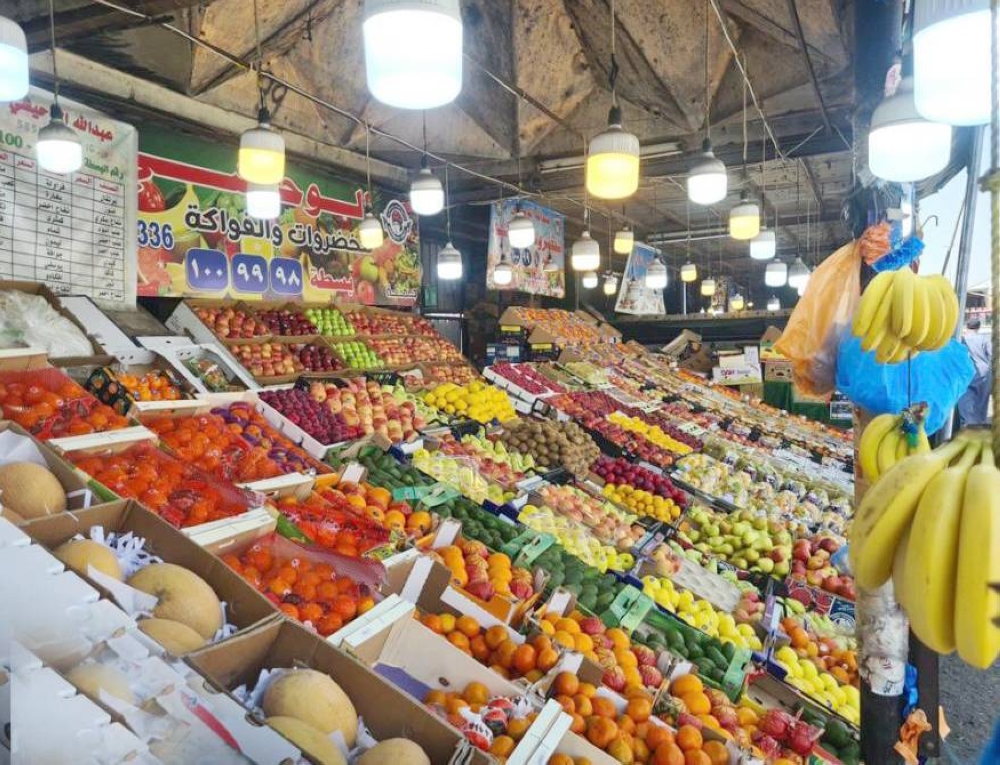
- تفعيل أول سوق خضار موسمي بالمنطقة بمساحة تتجاوز 100 ألف متر مربع، ويحتوي على مختبر لفحص جودة المعروضات الغذائية وخدمات للفرز والتعبئة والتغليف.
- إنشاء أول محطة لإنتاج ملكات النحل بالمنطقة، للمحافظة على سلالة النحل البلدي بمحافظة النماص.
- إنشاء أول مركز للتسويق الزراعي بالمنطقة بمحافظة خميس مشيط، بهدف تقديم خدمات التعبئة والتغليف والتسويق للمزارعين بالمنطقة.
- تشجيع المزارع السياحية وتقديم الدورات التدريبية وحلقات النقاش لتصل حالياً إلى 40 مزرعة سياحية مسجلة بمنطقة عسير وتستقبل السياح، وتساهم في تحقيق مستهدفات المنطقة السياحية.
- استحداث موقع مجاني للمزارعين الموسميين لتسويق منتجاتهم بأبها.
- تحديد جادة ومنطقة السرو، كأول موقع مخصص للفعاليات البيئية والزراعية بالمنطقة.
الأعلى في مواقع ومشاريع الدواجن والاستثمار.. والأكثر إنتاجاً للماعز
عسير الأولى في الحيازات والسجلات الزراعية
17 يونيو 2025 - 08:18
|
آخر تحديث 17 يونيو 2025 - 08:18


تابع قناة عكاظ على الواتساب
خالد آل مريّح (أبها) Abowajan@
The branch of the Ministry of Environment, Water, and Agriculture in the Asir region has achieved leaps in agricultural development, witnessing growth in local agricultural output over the past 18 months, approaching the targeted agricultural output for the region by 2030. The beginning was marked by an increase in the number of beneficiaries of the direct support provided by (Riyadh Saudi Arabia) to more than 22,000 beneficiaries in the region, representing 21% of the total beneficiaries across the Kingdom's regions. Thus, the Asir region becomes one of the most benefited areas from this pioneering program, which has had a significant impact on agricultural development in the rural areas of the region in particular. Additionally, Asir's agriculture has welcomed more than 127,000 farmers and beneficiaries who have been served through the ministry's designated channels. The Director General of the Ministry of Environment, Water, and Agriculture branch in Asir, Engineer Ahmed Al-Mujthal, stated in an interview with "Okaz" that the honey production rate in Asir, according to the latest ministry statistics, ranks first in honey production quantity, representing 20% of the total production in the Kingdom, and the number of practicing beekeepers is, of course, the highest in the Kingdom, exceeding 8,000 licensed beekeepers by the ministry.
Agricultural holdings have also increased to more than 159,000 holdings, making Asir the first in the number of agricultural holdings at the regional level. What distinguishes these holdings is their presence throughout the region, even in the high mountains, on the eastern plateaus, or in the extended plains, with varying areas and multiple shapes according to the topography of each governorate.
The branch of the Ministry of Environment, Water, and Agriculture in the region has worked to support and encourage poultry investors, resulting in an increase in the number of poultry project licenses to reach 398 licenses, the highest number in the Kingdom. Additionally, the poultry project plans now include 129 plans, also the highest in the Kingdom. As a result, the production of broiler chickens in Asir has reached 142,000 tons, representing 15% of the total production in the Kingdom, with a target of producing 223,000 tons by 2030.
"Date Production"
Al-Mujthal added: "The eastern and northeastern governorates and centers in Asir are distinguished by producing the finest types of dates with unique characteristics that make them sought after in local and regional markets. Thanks to the state's support for the date sector, facilitating water access to farms, encouraging farmers, and marketing their products, date production in Asir has risen to more than 100,000 tons, and the number of livestock heads supported by direct subsidies has reached 4.4 million heads, while the number of supported goats has reached 1.2 million heads. The Asir region is the largest producer of goats among the Kingdom's regions."
"Markets and Slaughterhouses"
Al-Mujthal clarified that the ministry branch has assigned 56 markets and slaughterhouses to the National Agricultural Services Company with the aim of developing the infrastructure of those sites and improving the quality of services provided to beneficiaries. Meanwhile, Asir's agriculture continues to monitor performance and compliance in various public benefit markets and regulated slaughterhouses. By the end of last year and until mid-this year, the branch completed more than 46,000 inspection rounds, accompanied by the registration of violations and warnings against violators of the agriculture system and its executive regulations. Veterinary teams and specialists supervised more than 450,000 heads of slaughtered animals in regulated slaughterhouses during the same period, providing treatment services for more than 2.9 million heads of livestock and treating 1,850 pets.
The advisory farm affiliated with the Ministry of Environment, Water, and Agriculture in Wadi Bin Hashbal has been registered as the largest sustainable farm in the world, covering an area exceeding 3.2 million square meters and consisting of 50 advisory fields with more than 18,000 trees. The branch is making significant efforts to encourage the cultivation of indigenous wheat in the region, with production exceeding 41,000 tons. The Minister of Environment launched wheat varieties last February, namely (Asir 01 and Asir 101), as the best high-yield wheat varieties (8 tons/ha), with a high protein level (15.4%), compared to other wheat varieties in the Kingdom. The target for wheat production in the region by 2030 is set at 259,000 tons to enhance food security in the Kingdom.
Total production has risen to 13,000 tons, representing 14% of the total fruit production in the Kingdom, with a target of reaching 17,000 tons by 2030.
The first seed bank and exhibition in Asir agriculture has been launched, the first of its kind in the ministry, containing a large number of plant genetic assets in the region, including, for example, eighteen varieties of wheat, three varieties of barley, four varieties of millet, and varieties of corn, sesame, lentils, and others.
Additionally, documents for 166 investment sites affiliated with Asir agriculture have been completed, the largest number in the ministry, with various investment opportunities ranging from agricultural cities, pastures, livestock fattening sites, to processing industries, and more.
In the field of fisheries, according to Al-Mujthal, 53 fishing engines have been delivered to Saudi fishermen in the Asir region, along with workshops and guidance to help local fishermen enhance their awareness and acquire the necessary skills for fishing. The region's coasts have 5 ports along the 140 km Red Sea coast, facing 24 islands. The ministry has already begun rehabilitating these ports, and the rehabilitation of Al-Qahma port has been completed at a cost of 27 million riyals. Meanwhile, fish production in the region has exceeded 4,000 tons, representing 6% of the fish production in the Kingdom, with a target of reaching 6,000 tons by 2030.
The first rehabilitation of traditional water barriers in the Kingdom (Al-Khazaim) has been carried out, starting with the Kizama of Al-Gharsah in the Balsamer center. "Kizama" is a local term meaning a small water barrier on water streams coming from the western mountains towards the east, aimed at preserving rainwater and distributing water shares to farms and neighboring village residents. The establishment of the Kizama is characterized by low cost, quick completion, and ease of operation and maintenance.
41 Environmental and Agricultural Events
During 2024 and the first half of 2025, Asir agriculture has implemented 41 environmental, agricultural, and water events, the largest number of events at the level of the ministry branches and government departments in the region. The events varied between festivals, workshops, awareness lectures, and meetings with farmers, covering most of Asir's governorates. Coffee in the region has received the attention of the people of Asir, as it is a symbol of authentic Arab hospitality and considered a distinctive commodity in the region's markets. Therefore, the region's prince, Prince Turki bin Talal, along with the Minister of Environment, Water, and Agriculture, laid the foundation stone for the first specialized coffee center in the Kingdom to encourage local coffee farmers to produce and help them improve their coffee product, enhancing the marketing operations of Saudi coffee.
Asir agriculture has activated the provision of electricity to agricultural holdings based on developed agricultural records as the first region to implement this procedure based on agreements between the Ministry of Environment, Water, and Agriculture and the Ministry of Energy to serve agricultural development and work to eliminate liquid fuel from farms. The number of developed agricultural records in the region has increased to more than 27,000 agricultural records over 18 months, making this percentage the highest among the Kingdom's regions.
The Director General of the Ministry of Environment, Water, and Agriculture branch praised the leadership's support for the agricultural sector, which has positively reflected on agricultural development in the Kingdom and achieving the ministry's targets for effective contributions to food security and the economic well-being of the community. He also confirmed that achieving agricultural targets in the region is the foundation for sustainable agricultural development programs.
Achievements
- Allocation of the first livestock city at the regional level, covering an area exceeding one million square meters.
- Activation of the first seasonal vegetable market in the region, covering an area exceeding 100,000 square meters, which includes a laboratory for testing the quality of food products and services for sorting, packaging, and wrapping.
- Establishment of the first queen bee production station in the region to preserve the local bee breed in the Nammas governorate.
- Establishment of the first agricultural marketing center in the region in Khamis Mushait, aimed at providing packaging, wrapping, and marketing services for farmers in the region.
- Encouragement of agritourism farms and providing training courses and discussion sessions, currently reaching 40 registered agritourism farms in the Asir region that welcome tourists and contribute to achieving the region's tourism targets.
- Creation of a free site for seasonal farmers to market their products in Abha.
- Designation of Al-Saru area as the first site dedicated to environmental and agricultural events in the region.
Agricultural holdings have also increased to more than 159,000 holdings, making Asir the first in the number of agricultural holdings at the regional level. What distinguishes these holdings is their presence throughout the region, even in the high mountains, on the eastern plateaus, or in the extended plains, with varying areas and multiple shapes according to the topography of each governorate.
The branch of the Ministry of Environment, Water, and Agriculture in the region has worked to support and encourage poultry investors, resulting in an increase in the number of poultry project licenses to reach 398 licenses, the highest number in the Kingdom. Additionally, the poultry project plans now include 129 plans, also the highest in the Kingdom. As a result, the production of broiler chickens in Asir has reached 142,000 tons, representing 15% of the total production in the Kingdom, with a target of producing 223,000 tons by 2030.
"Date Production"
Al-Mujthal added: "The eastern and northeastern governorates and centers in Asir are distinguished by producing the finest types of dates with unique characteristics that make them sought after in local and regional markets. Thanks to the state's support for the date sector, facilitating water access to farms, encouraging farmers, and marketing their products, date production in Asir has risen to more than 100,000 tons, and the number of livestock heads supported by direct subsidies has reached 4.4 million heads, while the number of supported goats has reached 1.2 million heads. The Asir region is the largest producer of goats among the Kingdom's regions."
"Markets and Slaughterhouses"
Al-Mujthal clarified that the ministry branch has assigned 56 markets and slaughterhouses to the National Agricultural Services Company with the aim of developing the infrastructure of those sites and improving the quality of services provided to beneficiaries. Meanwhile, Asir's agriculture continues to monitor performance and compliance in various public benefit markets and regulated slaughterhouses. By the end of last year and until mid-this year, the branch completed more than 46,000 inspection rounds, accompanied by the registration of violations and warnings against violators of the agriculture system and its executive regulations. Veterinary teams and specialists supervised more than 450,000 heads of slaughtered animals in regulated slaughterhouses during the same period, providing treatment services for more than 2.9 million heads of livestock and treating 1,850 pets.
The advisory farm affiliated with the Ministry of Environment, Water, and Agriculture in Wadi Bin Hashbal has been registered as the largest sustainable farm in the world, covering an area exceeding 3.2 million square meters and consisting of 50 advisory fields with more than 18,000 trees. The branch is making significant efforts to encourage the cultivation of indigenous wheat in the region, with production exceeding 41,000 tons. The Minister of Environment launched wheat varieties last February, namely (Asir 01 and Asir 101), as the best high-yield wheat varieties (8 tons/ha), with a high protein level (15.4%), compared to other wheat varieties in the Kingdom. The target for wheat production in the region by 2030 is set at 259,000 tons to enhance food security in the Kingdom.
Total production has risen to 13,000 tons, representing 14% of the total fruit production in the Kingdom, with a target of reaching 17,000 tons by 2030.
The first seed bank and exhibition in Asir agriculture has been launched, the first of its kind in the ministry, containing a large number of plant genetic assets in the region, including, for example, eighteen varieties of wheat, three varieties of barley, four varieties of millet, and varieties of corn, sesame, lentils, and others.
Additionally, documents for 166 investment sites affiliated with Asir agriculture have been completed, the largest number in the ministry, with various investment opportunities ranging from agricultural cities, pastures, livestock fattening sites, to processing industries, and more.
In the field of fisheries, according to Al-Mujthal, 53 fishing engines have been delivered to Saudi fishermen in the Asir region, along with workshops and guidance to help local fishermen enhance their awareness and acquire the necessary skills for fishing. The region's coasts have 5 ports along the 140 km Red Sea coast, facing 24 islands. The ministry has already begun rehabilitating these ports, and the rehabilitation of Al-Qahma port has been completed at a cost of 27 million riyals. Meanwhile, fish production in the region has exceeded 4,000 tons, representing 6% of the fish production in the Kingdom, with a target of reaching 6,000 tons by 2030.
The first rehabilitation of traditional water barriers in the Kingdom (Al-Khazaim) has been carried out, starting with the Kizama of Al-Gharsah in the Balsamer center. "Kizama" is a local term meaning a small water barrier on water streams coming from the western mountains towards the east, aimed at preserving rainwater and distributing water shares to farms and neighboring village residents. The establishment of the Kizama is characterized by low cost, quick completion, and ease of operation and maintenance.
41 Environmental and Agricultural Events
During 2024 and the first half of 2025, Asir agriculture has implemented 41 environmental, agricultural, and water events, the largest number of events at the level of the ministry branches and government departments in the region. The events varied between festivals, workshops, awareness lectures, and meetings with farmers, covering most of Asir's governorates. Coffee in the region has received the attention of the people of Asir, as it is a symbol of authentic Arab hospitality and considered a distinctive commodity in the region's markets. Therefore, the region's prince, Prince Turki bin Talal, along with the Minister of Environment, Water, and Agriculture, laid the foundation stone for the first specialized coffee center in the Kingdom to encourage local coffee farmers to produce and help them improve their coffee product, enhancing the marketing operations of Saudi coffee.
Asir agriculture has activated the provision of electricity to agricultural holdings based on developed agricultural records as the first region to implement this procedure based on agreements between the Ministry of Environment, Water, and Agriculture and the Ministry of Energy to serve agricultural development and work to eliminate liquid fuel from farms. The number of developed agricultural records in the region has increased to more than 27,000 agricultural records over 18 months, making this percentage the highest among the Kingdom's regions.
The Director General of the Ministry of Environment, Water, and Agriculture branch praised the leadership's support for the agricultural sector, which has positively reflected on agricultural development in the Kingdom and achieving the ministry's targets for effective contributions to food security and the economic well-being of the community. He also confirmed that achieving agricultural targets in the region is the foundation for sustainable agricultural development programs.
Achievements
- Allocation of the first livestock city at the regional level, covering an area exceeding one million square meters.
- Activation of the first seasonal vegetable market in the region, covering an area exceeding 100,000 square meters, which includes a laboratory for testing the quality of food products and services for sorting, packaging, and wrapping.
- Establishment of the first queen bee production station in the region to preserve the local bee breed in the Nammas governorate.
- Establishment of the first agricultural marketing center in the region in Khamis Mushait, aimed at providing packaging, wrapping, and marketing services for farmers in the region.
- Encouragement of agritourism farms and providing training courses and discussion sessions, currently reaching 40 registered agritourism farms in the Asir region that welcome tourists and contribute to achieving the region's tourism targets.
- Creation of a free site for seasonal farmers to market their products in Abha.
- Designation of Al-Saru area as the first site dedicated to environmental and agricultural events in the region.





