


تشهد المشاعر المقدسة واحدة من أكبر حركات السير البشرية في العالم تزيد على 25 كيلومتراً، وتمتد من منطقة جبل الرحمة بمشعر عرفات حتى مشعر منى مروراً بمشعر مزدلفة.
ويعد طريق المشاة في المشاعر المقدسة من أطول طرق المشاة في العالم، تم تنفيذه بأربعة مسارات بإجمالي أطوال تزيد على 25 كيلومتراً، يبلغ طول الطريق الأول 5,100 متر طولي، والثاني 7,580 متراً طولياً، والثالث 7,556 متراً طولياً، والرابع 4,620 متراً طولياً.
وشهد موسم حج هذا العام مشروعاً يهدف إلى تقليل درجات حرارة الأرض عبر تنفيذ المرحلة الأولى من مشروع طلاء الأسفلت الخافض للحرارة في طريق مشاة منى المؤدي إلى منشأة الجمرات، بمساحة تجاوزت 3,500 متر مربع، أثبتت التجربة فعاليتها في تخفيض درجات حرارة السطح من 15 إلى 20 درجة مئوية، باستخدام حساسات حرارية تراقب البيانات كل 10 ثوانٍ.
فيما شهدت هذه الطرق المخصصة للمشاة سابقا تركيب بلاط «إنترلوك» بما يعادل 500 ألف متر مربع، ووضع 500 من الحواجز الخرسانية وتركيب 1,000 كرسي لاستراحة الحجاج. وتيسيراً لحركة الحجيج تم تركيب مظلات لوقايتهم من حرارة الشمس العالية، إضافة إلى أعمدة الرذاذ لتلطيف الأجواء الساخنة.
ويحوي المسار أيضاً ممراً خاصاً للأشخاص ذوي الاحتياجات؛ بهدف تيسير حجهم، ومساعدتهم على التنقل في منطقة المشاعر المقدسة دون أي صعوبات أو مخاطر تهدد سلامتهم. كما تم تركيب مظلات لوقاية الحجاج من أشعة الشمس، ووضع حواجز لمنع دخول المركبات إلى طريق المشاة لحفظ أمن وسلامة المشاة.
أسفلت خافض للحرارة في طريق مشاة.. وحساسات حرارية تراقب البيانات كل 10 ثوانٍ
المشاعر تشهد واحدة من أكبر حركات السير البشرية في العالم
8 يونيو 2025 - 04:10
|
آخر تحديث 8 يونيو 2025 - 04:10
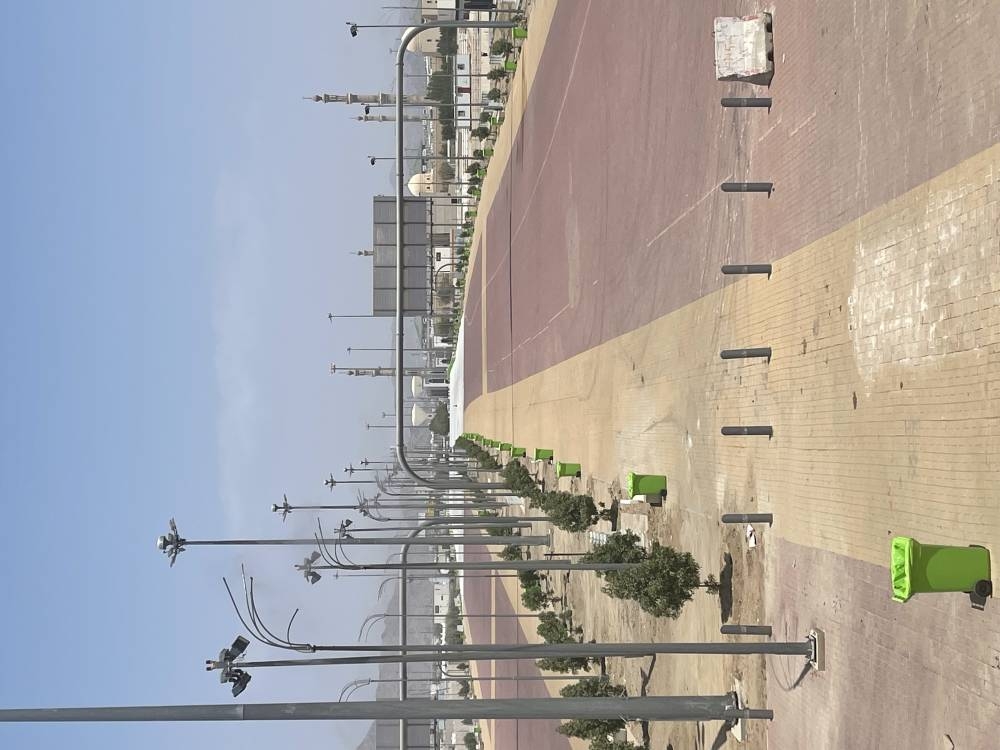
من أطول طرق المشاة في العالم.


تابع قناة عكاظ على الواتساب
إبراهيم العلوي i_waleeed22@ (المشاعر المقدسة)
The holy sites witness one of the largest human movements in the world, exceeding 25 kilometers, extending from the area of Mount Mercy in the Arafat site to the Mina site, passing through Muzdalifah.
The pedestrian pathway in the holy sites is considered one of the longest pedestrian paths in the world, implemented with four lanes totaling more than 25 kilometers in length. The first path is 5,100 meters long, the second is 7,580 meters long, the third is 7,556 meters long, and the fourth is 4,620 meters long.
This year's Hajj season witnessed a project aimed at reducing ground temperatures through the implementation of the first phase of a heat-reducing asphalt coating project on the pedestrian path leading to the Jamarat facility, covering an area of over 3,500 square meters. The experiment has proven effective in reducing surface temperatures by 15 to 20 degrees Celsius, using thermal sensors that monitor data every 10 seconds.
In addition, these previously designated pedestrian paths saw the installation of interlocking tiles equivalent to 500,000 square meters, the placement of 500 concrete barriers, and the installation of 1,000 benches for the pilgrims' rest. To facilitate the movement of the pilgrims, canopies were installed to protect them from the high sun temperatures, in addition to misting columns to cool the hot atmosphere.
The path also includes a special lane for individuals with special needs, aimed at facilitating their pilgrimage and assisting them in navigating the holy sites without any difficulties or risks that threaten their safety. Canopies were also installed to protect the pilgrims from sunlight, and barriers were placed to prevent vehicles from entering the pedestrian path to ensure the safety and security of the pedestrians.
The pedestrian pathway in the holy sites is considered one of the longest pedestrian paths in the world, implemented with four lanes totaling more than 25 kilometers in length. The first path is 5,100 meters long, the second is 7,580 meters long, the third is 7,556 meters long, and the fourth is 4,620 meters long.
This year's Hajj season witnessed a project aimed at reducing ground temperatures through the implementation of the first phase of a heat-reducing asphalt coating project on the pedestrian path leading to the Jamarat facility, covering an area of over 3,500 square meters. The experiment has proven effective in reducing surface temperatures by 15 to 20 degrees Celsius, using thermal sensors that monitor data every 10 seconds.
In addition, these previously designated pedestrian paths saw the installation of interlocking tiles equivalent to 500,000 square meters, the placement of 500 concrete barriers, and the installation of 1,000 benches for the pilgrims' rest. To facilitate the movement of the pilgrims, canopies were installed to protect them from the high sun temperatures, in addition to misting columns to cool the hot atmosphere.
The path also includes a special lane for individuals with special needs, aimed at facilitating their pilgrimage and assisting them in navigating the holy sites without any difficulties or risks that threaten their safety. Canopies were also installed to protect the pilgrims from sunlight, and barriers were placed to prevent vehicles from entering the pedestrian path to ensure the safety and security of the pedestrians.


