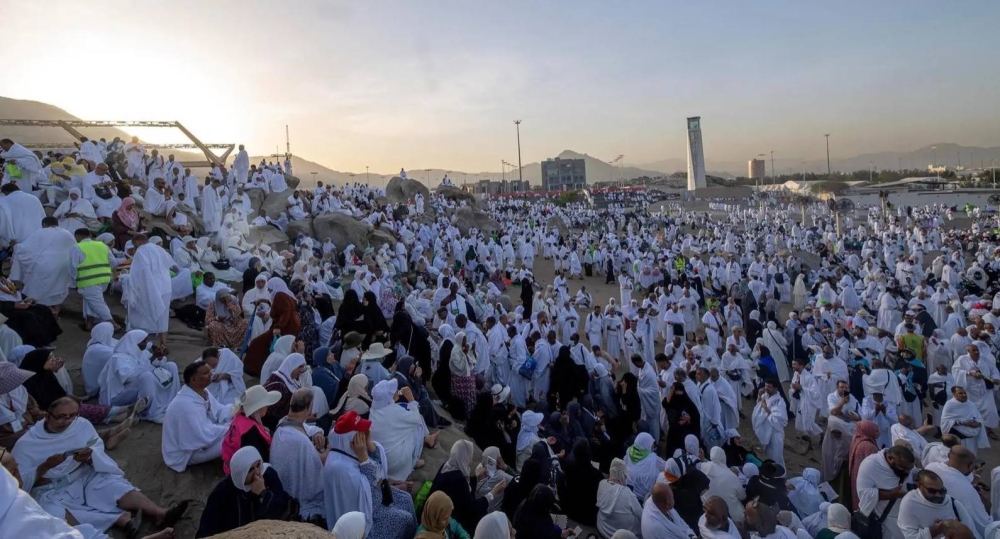
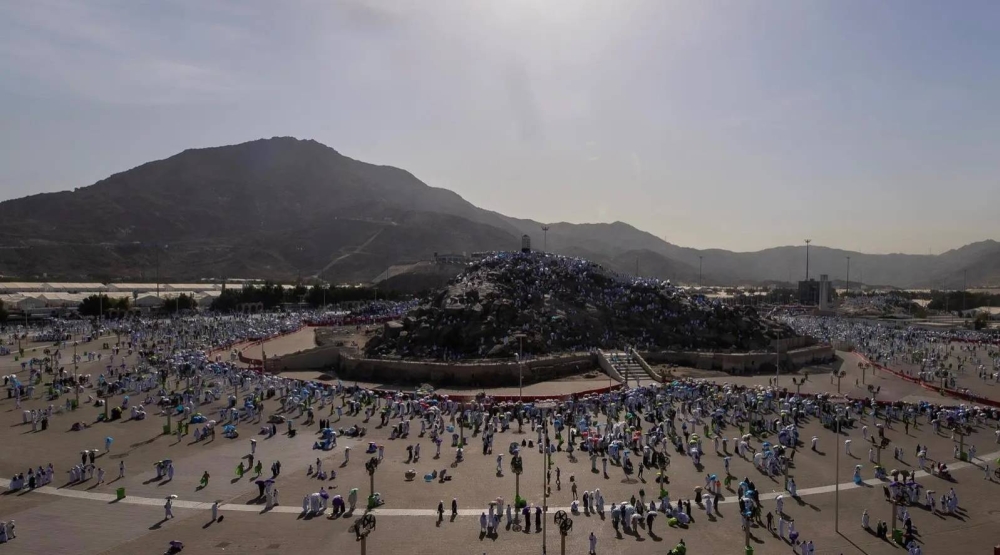
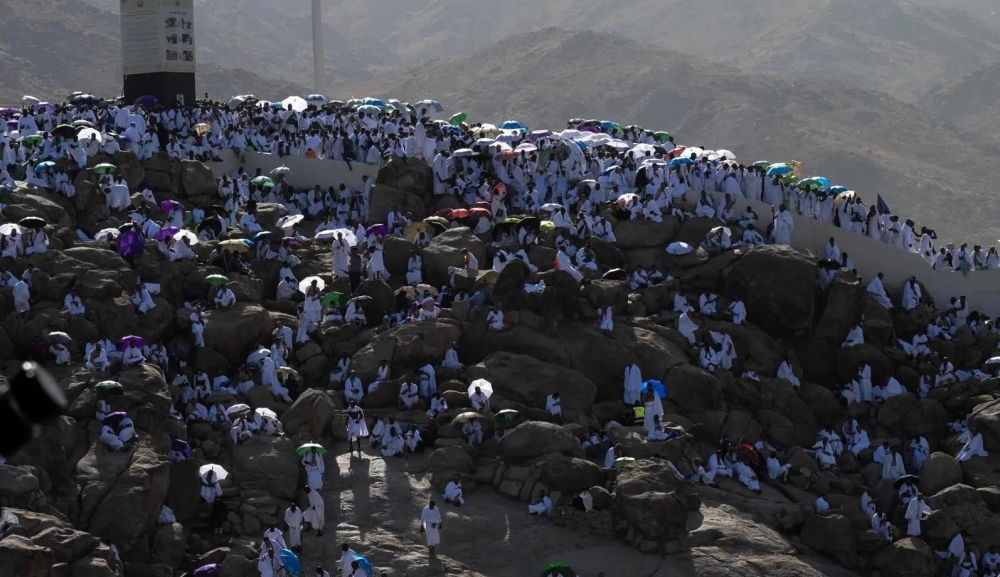
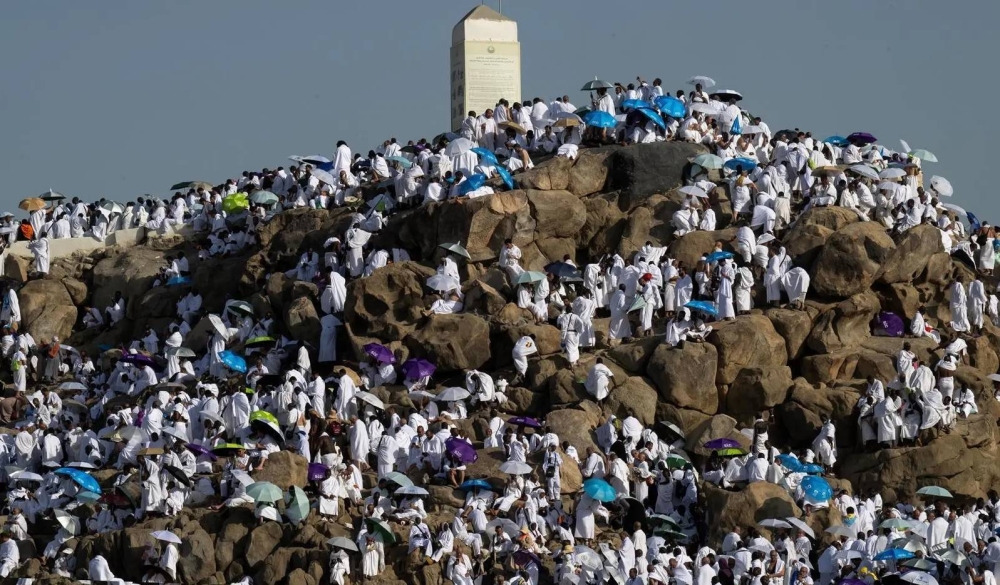
أعلنت وزارة الحج والعمرة نجاح خطة التفويج إلى مشعر عرفات، التي انطلقت مع فجر اليوم التاسع من ذي الحجة، مستندة إلى نموذج تشغيلي موحد يربط بين الجهات الخدمية والتنظيمية عبر مركز التفويج والعمليات المشتركة، ويُعدُّ أحد أبرز عناصر التطوير في موسم حج هذا العام.
وجرت عمليات التصعيد وفق جداول زمنية محكمة، باستخدام حافلات حديثة وقطار المشاعر المقدسة، وسط متابعة ميدانية دقيقة وضمانات أمنية عالية، ما أدى إلى انسيابية الحركة في الطرق المؤدية إلى عرفات، وتوزيع الحجاج على المخيمات بسلاسة ودون ازدحام يُذكر.
وتأتي هذه الجهود ضمن إستراتيجية تفويج متكاملة أعدّتها الوزارة لتنظيم حركة ضيوف الرحمن خلال موسم حج 1446، حيث جرى تنفيذ تجارب محاكاة مسبقة لتوقع مختلف السيناريوهات، وضمان جاهزية الفرق الميدانية، وتنسيق الأدوار بين الجهات المشاركة.
كما تمت الاستفادة من تقنيات الذكاء الاصطناعي، لتحليل البيانات اللحظية والتنبؤ بمواقع الكثافة، ما أتاح إعادة توجيه الحشود بمرونة وسرعة.
وفي هذا السياق، فُعّل مركز الرصد والتحكم الذي يعمل على مدار الساعة، ويعتمد على شبكة من الكاميرات الذكية المرتبطة بنظام مركزي لاتخاذ القرارات الفورية بالتنسيق مع الجهات الأمنية والخدمية.
وأسهمت بطاقة «نسك» الرقمية في تعزيز الالتزام بالمواعيد وتسهيل حركة الحجاج، من خلال ربطها بمنصتي «نسك» و«توكلنا» واستخدام رمز الاستجابة الموحد لتتبع الدخول والخروج من المشاعر.
ويُعدُّ نجاح خطة التفويج إلى عرفات مؤشراً مهماً على كفاءة التخطيط المبكر والتكامل الميداني، ويُمهّد لنجاح بقية مراحل التفويج في المشاعر، بدءاً من النفرة إلى مزدلفة، وحتى الانتهاء من رمي الجمرات في منى، ضمن منظومة تشغيلية مستدامة، ترتكز على مستهدفات برنامج «خدمة ضيوف الرحمن» أحد برامج رؤية المملكة 2030.
The Ministry of Hajj and Umrah announced the success of the crowd management plan to the Arafat site, which began at dawn on the ninth of Dhu al-Hijjah, relying on a unified operational model that connects service and organizational entities through the crowd management and joint operations center. This is considered one of the most prominent elements of development in this year's Hajj season.
The ascent operations were carried out according to strict schedules, using modern buses and the holy sites train, amidst precise field monitoring and high security guarantees, which led to smooth traffic on the roads leading to Arafat and the distribution of pilgrims to the camps seamlessly and without significant congestion.
These efforts come as part of a comprehensive crowd management strategy prepared by the ministry to organize the movement of the guests of Allah during the Hajj season of 1446, where prior simulation experiments were conducted to anticipate various scenarios, ensure the readiness of field teams, and coordinate roles among the participating entities.
Artificial intelligence technologies were also utilized to analyze real-time data and predict density locations, allowing for the flexible and rapid redirecting of crowds.
In this context, the monitoring and control center, which operates around the clock, was activated, relying on a network of smart cameras connected to a central system for making immediate decisions in coordination with security and service entities.
The digital "Nusk" card contributed to enhancing adherence to schedules and facilitating the movement of pilgrims by linking it to the "Nusk" and "Tawakkalna" platforms and using a unified response code to track entry and exit from the holy sites.
The success of the crowd management plan to Arafat is an important indicator of the efficiency of early planning and field integration, paving the way for the success of the remaining stages of crowd management in the holy sites, starting from the departure to Muzdalifah, and until the completion of the stoning of the Jamaraat in Mina, within a sustainable operational system based on the objectives of the "Service of the Guests of Allah" program, one of the programs of Saudi Vision 2030.