بدأ حجاج بيت الله الحرام بالتوافد صباح اليوم (الأربعاء) إلى مشعر منى لقضاء يوم التروية تقرباً لله تعالى راجين منه القبول والمغفرة، مكثرين من التلبية والتسبيح والتكبير، في صورة روحانية وإيمانية.
ويقضي الحاج بمنى يوم التروية، ويستحب فيه المبيت في منى تأسياً بسنة النبي محمد صلى الله عليه وسلم، وسمي بذلك لأن الناس كانوا يتروون فيه من الماء ويحملون ما يحتاجون إليه، وفي هذا اليوم يذهب الحجيج إلى منى حيث يصلي الناس الظهر والعصر والمغرب والعشاء قصراً دون جمع، ويُسن المبيت في منى.
ويعود الحجاج إلى منى صبيحة اليوم العاشر من ذي الحجة بعد وقوفهم على صعيد عرفات الطاهر يوم التاسع من شهر ذي الحجة، ومن ثم المبيت في مزدلفة، ويقضون في منى أيام التشريق الثلاثة لرمي الجمرات الثلاث مبتدئين بالجمرة الصغرى ثم الوسطى ثم الكبرى، ومن تعجل في يومين فلا إثم عليه.
وتشمل الاستعدادات تجهيزات لوجستية وأمنية وصحية متكاملة لاستيعاب ملايين الحجاج القادمين من مختلف أنحاء العالم. وتضمنت الاستعدادات تركيب أكثر من 500 مروحة بنظام الرذاذ على مساحة تتجاوز 35 ألف متر مربع، ضمن مشروع تظليل وتلطيف الأجواء، بهدف تقليل التعرض لأشعة الشمس وتوفير بيئة مريحة للحجاج، كما شملت التحضيرات تطوير البنية التحتية، بما في ذلك شبكة الطرق والمحطات الخاصة بقطار المشاعر المقدسة، الذي يعمل على نقل الحجاج بين المشاعر بكفاءة عالية، حيث تبلغ قدرته التشغيلية 72 ألف حاج في الساعة، وتسهم هذه الجهود في تسهيل حركة الحجاج وتقليل الزحام خلال المناسك.
وأكدت قوات أمن الحج جاهزيتها لضمان سلامة الحجاج، وتم تنفيذ فرضيات محاكاة لإدارة الحشود والطوارئ في مشعر منى بالتنسيق مع مختلف القطاعات، ومتابعة جوية عبر طيران الأمن لضمان انسيابية حركة الحجاج، إلى جانب توفير خدمات طبية وتمريضية متقدمة لتأمين سلامة ضيوف الرحمن.
وأنهت وزارة الصحة إنشاء مستشفى طوارئ جديد في مشعر منى بسعة 200 سرير، وتدشين 3 مستشفيات ميدانية إضافية بسعة إجمالية تتجاوز 1200 سرير، إلى جانب 71 نقطة طوارئ، 900 سيارة إسعاف، 11 طائرة إخلاء، وأكثر من 7500 مسعف.
كما سخرت وزارة الصحة مستشفى الصحة الافتراضي الذي يواصل تقديم خدماته بأعلى جودة لدعم الرعاية الصحية عن بُعد، بما في ذلك تفعيل أجهزة استشعار لمراقبة المرضى المصابين بالأمراض المزمنة، وتقديم الاستشارات الطبية، ما يساهم في رفع كفاءة الاستجابة وتوسيع نطاق الخدمة.
فيما أنهت الشؤون الصحية بوزارة الحرس الوطني والقوات المسلحة بوزارة الدفاع تجهيز مواقعها بالمشاعر المقدسة عبر مستشفيات وعيادات ومركز للإجهاد الحراري وضربات الشمس في كل من مشعري منى وعرفة.
وفي ذات السياق، فعّلت هيئة الهلال الأحمر السعودي خدمة الإسعاف الجوي بـ(11) طائرة مخصصة لنقل الحالات الصحية الحرجة من الحرم المكي والمشاعر المقدسة، عبر (13) مهبطاً إستراتيجياً موزعة بعناية لضمان سرعة الاستجابة الطبية في جميع المواقع، ضمن خطتها التشغيلية لموسم حج 1446.
ويشرف على هذه الخدمة أكثر من (120) كادراً مؤهلاً من أطباء وفنيي طب طوارئ، يعملون على مدار الساعة لتقديم الرعاية العاجلة للحجاج، بما ينسجم مع إستراتيجية الهيئة في تحقيق «رحلة مريض نموذجية»، ويدعم مستهدفات رؤية المملكة 2030 في تعزيز جودة الرعاية الصحية المقدمة لضيوف الرحمن.
مراوح رذاذ على مساحة تتجاوز 35,000 م2 لتلطيف الجو.. حضور أمني واسع لسلامة الحجاج
مشعر منى يستقبل ضيوف الرحمن.. ومتابعة جوية لضمان انسيابية الحركة
4 يونيو 2025 - 02:30
|
آخر تحديث 4 يونيو 2025 - 02:30
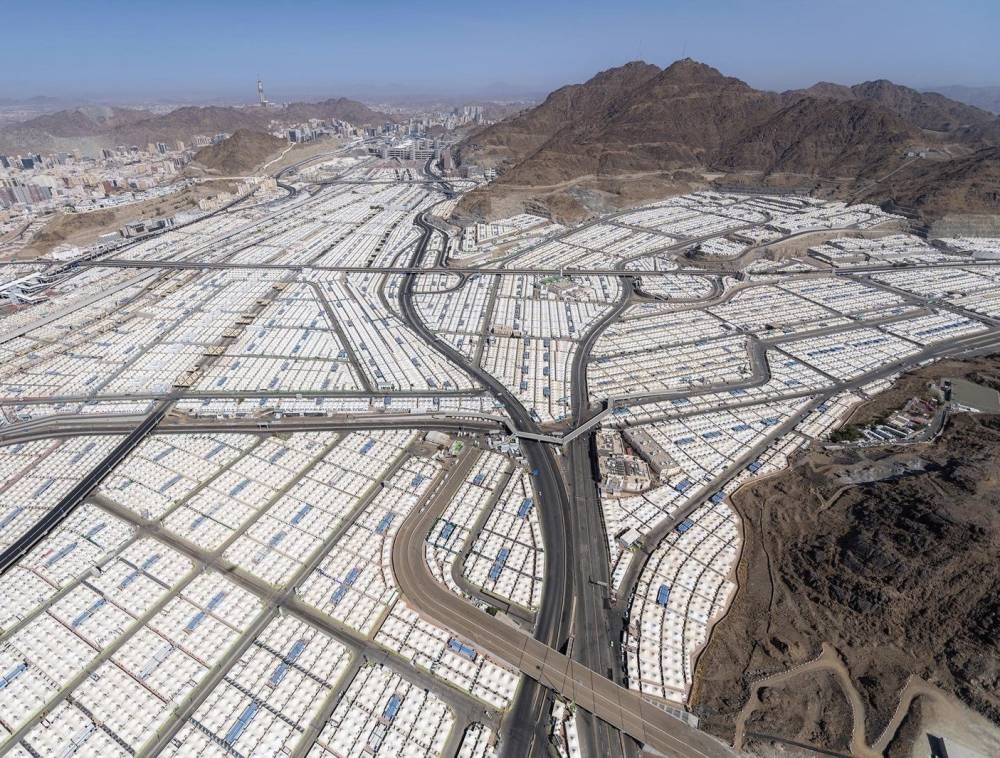
حجاج بيت الله الحرام يتوافدون إلى مشعر منى لقضاء يوم التروية.


تابع قناة عكاظ على الواتساب
The pilgrims of the House of Allah began to arrive this morning (Wednesday) at the site of Mina to spend the Day of Tarwiyah, seeking closeness to Allah Almighty, hoping for acceptance and forgiveness, while increasing their chants of Talbiyah, Tasbih, and Takbir, in a spiritual and faithful atmosphere.
The pilgrim spends the Day of Tarwiyah in Mina, and it is recommended to stay overnight there, following the Sunnah of the Prophet Muhammad (peace be upon him). It is called the Day of Tarwiyah because people used to gather water and carry what they needed. On this day, the pilgrims go to Mina where they pray the Dhuhr, Asr, Maghrib, and Isha prayers shortened without combining them, and it is recommended to spend the night in Mina.
The pilgrims return to Mina on the morning of the tenth day of Dhul-Hijjah after standing on the pure plain of Arafat on the ninth day of Dhul-Hijjah, and then spending the night in Muzdalifah. They spend the three days of Tashreeq in Mina throwing the three Jamaraat, starting with the small Jamrah, then the middle one, and finally the large one. Those who hasten to leave in two days will incur no sin.
The preparations include comprehensive logistical, security, and health arrangements to accommodate millions of pilgrims arriving from various parts of the world. The preparations included the installation of more than 500 mist fans over an area exceeding 35,000 square meters, as part of a shading and cooling project aimed at reducing exposure to sunlight and providing a comfortable environment for the pilgrims. The preparations also included the development of infrastructure, including the road network and stations for the Holy Sites Train, which operates efficiently to transport pilgrims between the holy sites, with a capacity of 72,000 pilgrims per hour. These efforts contribute to facilitating the movement of pilgrims and reducing congestion during the rituals.
The Hajj security forces confirmed their readiness to ensure the safety of the pilgrims, and simulation exercises for crowd management and emergencies were conducted in Mina in coordination with various sectors, along with aerial monitoring by security aviation to ensure smooth movement of the pilgrims, in addition to providing advanced medical and nursing services to secure the safety of the guests of Allah.
The Ministry of Health has completed the establishment of a new emergency hospital in Mina with a capacity of 200 beds, and inaugurated three additional field hospitals with a total capacity exceeding 1,200 beds, along with 71 emergency points, 900 ambulances, 11 evacuation aircraft, and more than 7,500 paramedics.
The Ministry of Health has also harnessed the virtual health hospital, which continues to provide high-quality services to support remote healthcare, including the activation of sensors to monitor patients with chronic diseases and provide medical consultations, contributing to enhancing response efficiency and expanding the scope of service.
Meanwhile, the Health Affairs of the Ministry of National Guard and the Armed Forces of the Ministry of Defense have completed the preparation of their sites in the holy sites through hospitals, clinics, and a center for heat stress and sunstroke in both Mina and Arafat.
In the same context, the Saudi Red Crescent Authority activated air ambulance services with 11 aircraft dedicated to transporting critical health cases from the Grand Mosque and the holy sites, through 13 strategically distributed landing sites to ensure rapid medical response at all locations, as part of its operational plan for the Hajj season 1446.
This service is overseen by more than 120 qualified personnel, including doctors and emergency medical technicians, who work around the clock to provide urgent care to the pilgrims, in line with the Authority's strategy to achieve an "ideal patient journey," supporting the objectives of Saudi Vision 2030 in enhancing the quality of healthcare provided to the guests of Allah.
The pilgrim spends the Day of Tarwiyah in Mina, and it is recommended to stay overnight there, following the Sunnah of the Prophet Muhammad (peace be upon him). It is called the Day of Tarwiyah because people used to gather water and carry what they needed. On this day, the pilgrims go to Mina where they pray the Dhuhr, Asr, Maghrib, and Isha prayers shortened without combining them, and it is recommended to spend the night in Mina.
The pilgrims return to Mina on the morning of the tenth day of Dhul-Hijjah after standing on the pure plain of Arafat on the ninth day of Dhul-Hijjah, and then spending the night in Muzdalifah. They spend the three days of Tashreeq in Mina throwing the three Jamaraat, starting with the small Jamrah, then the middle one, and finally the large one. Those who hasten to leave in two days will incur no sin.
The preparations include comprehensive logistical, security, and health arrangements to accommodate millions of pilgrims arriving from various parts of the world. The preparations included the installation of more than 500 mist fans over an area exceeding 35,000 square meters, as part of a shading and cooling project aimed at reducing exposure to sunlight and providing a comfortable environment for the pilgrims. The preparations also included the development of infrastructure, including the road network and stations for the Holy Sites Train, which operates efficiently to transport pilgrims between the holy sites, with a capacity of 72,000 pilgrims per hour. These efforts contribute to facilitating the movement of pilgrims and reducing congestion during the rituals.
The Hajj security forces confirmed their readiness to ensure the safety of the pilgrims, and simulation exercises for crowd management and emergencies were conducted in Mina in coordination with various sectors, along with aerial monitoring by security aviation to ensure smooth movement of the pilgrims, in addition to providing advanced medical and nursing services to secure the safety of the guests of Allah.
The Ministry of Health has completed the establishment of a new emergency hospital in Mina with a capacity of 200 beds, and inaugurated three additional field hospitals with a total capacity exceeding 1,200 beds, along with 71 emergency points, 900 ambulances, 11 evacuation aircraft, and more than 7,500 paramedics.
The Ministry of Health has also harnessed the virtual health hospital, which continues to provide high-quality services to support remote healthcare, including the activation of sensors to monitor patients with chronic diseases and provide medical consultations, contributing to enhancing response efficiency and expanding the scope of service.
Meanwhile, the Health Affairs of the Ministry of National Guard and the Armed Forces of the Ministry of Defense have completed the preparation of their sites in the holy sites through hospitals, clinics, and a center for heat stress and sunstroke in both Mina and Arafat.
In the same context, the Saudi Red Crescent Authority activated air ambulance services with 11 aircraft dedicated to transporting critical health cases from the Grand Mosque and the holy sites, through 13 strategically distributed landing sites to ensure rapid medical response at all locations, as part of its operational plan for the Hajj season 1446.
This service is overseen by more than 120 qualified personnel, including doctors and emergency medical technicians, who work around the clock to provide urgent care to the pilgrims, in line with the Authority's strategy to achieve an "ideal patient journey," supporting the objectives of Saudi Vision 2030 in enhancing the quality of healthcare provided to the guests of Allah.