


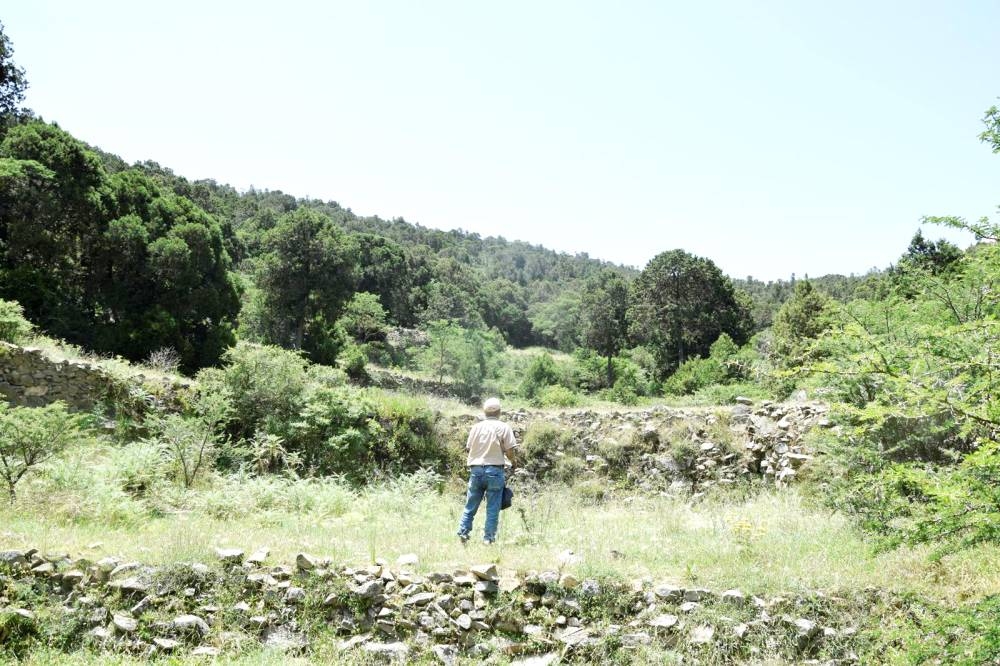
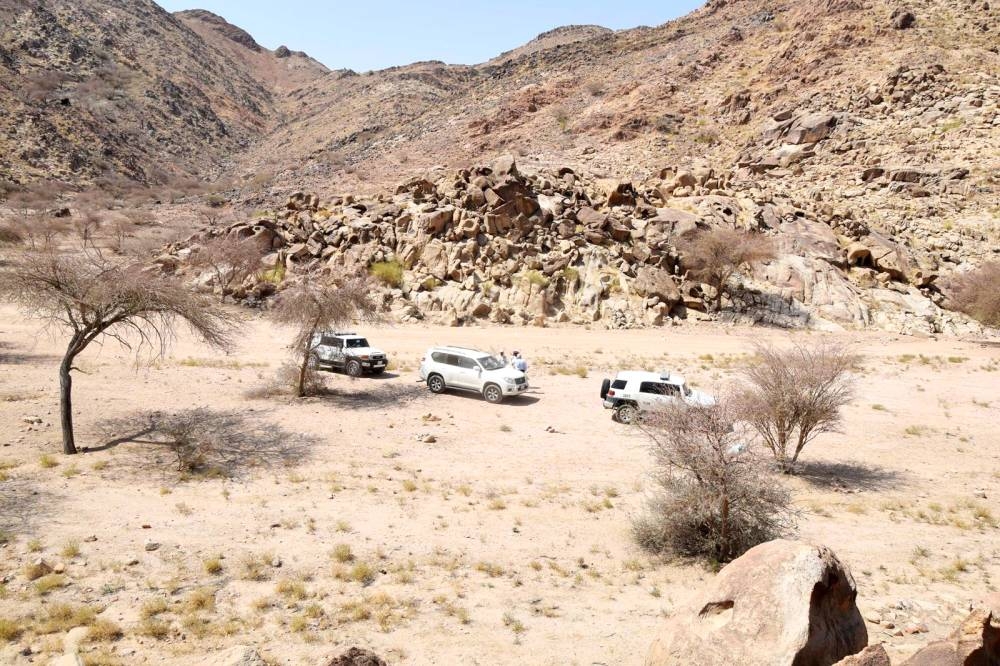
ضمن جهوده لتعزيز حماية الغابات، والحد من أخطار الحرائق تحقيقاً لأهداف الاستدامة البيئية، أنهى المركز الوطني لتنمية الغطاء النباتي ومكافحة التصحر دراسة بعنوان «سبل الوقاية من حرائق الغابات ومعالجة آثارها في المناطق الجنوبية والجنوبية الغربية من المملكة»، بالتعاون مع جامعة الملك خالد وجامعة موناش الأسترالية.
وشملت الدراسة تقييماً شاملاً لأوضاع الغابات والمخاطر المحيطة بها، وإنشاء قاعدة بيانات رقمية، ودراسة تفصيلية للإجراءات الوقائية والسلوكيات المجتمعية، إضافة إلى وضع خطة تحرك متكاملة تشمل الجهات ذات العلاقة مع تحديد مهمات كل جهة، باستخدام تقنيات حديثة مثل: الإنذار المبكر، والطائرات دون طيار، كما قدّم تصاميم ميدانية، وبدائل مستدامة لإنشاء ممرات إستراتيجية، وتطوير دليل لإعادة تأهيل الغابات بعد الحريق، إلى جانب تصميم أداة لتقييم الأداء، وإنشاء هيكل تنظيمي لغرفة عمليات مشتركة، وتفعيل دور المجتمع والفرق التطوعية في الوقاية والمكافحة.
وأولت الدراسة أهمية خاصة لإشراك المجتمع، من خلال تطوير آلية شاملة تتيح للفرق التطوعية المجتمعية في مناطق الغابات الإسهام الفاعل في جهود الوقاية والمكافحة، عبر التدريب والتأهيل والتكامل مع عمل الجهات الرسمية.
وتُمثِّل هذه الدراسة أحد النماذج المميزة للتكامل المؤسسي والتقني والمجتمعي في مجال تنمية الغابات وحمايتها، وتؤكد التزام المملكة بالحفاظ على مواردها الطبيعية، ومواجهة تحديات التغير المناخي، بما يعكس رؤية إستراتيجية تسعى لتحقيق التوازن بين التنمية وحماية النظم البيئية.
يذكر أن المركز الوطني لتنمية الغطاء النباتي ومكافحة التصحر يعمل على تعزيز وجود غطاء نباتي مستدام في الغابات، إذ تبنَّى مبادرة لزراعة 60 مليون شجرة، بما يعادل تأهيل 300 ألف هكتار حتى عام 2030، إضافةً إلى عمله بنظام اللائحة التنفيذية لتنمية الغطاء النباتي ومكافحة التصحر، عبر المادة السادسة الخاصة بضوابط الغابات؛ التي تهدف إلى إعداد وتنفيذ خطة وطنية للإدارة المستدامة للغابات، والعمل على حمايتها، والمحافظة عليها وتطويرها، وتنظيم الرعي في أراضي الغابات.
«الغطاء النباتي» ينهي دراسة للوقاية من الحرائق بالمناطق الجنوبية والجنوبية الغربية
29 مايو 2025 - 09:13
|
آخر تحديث 29 مايو 2025 - 09:13


تابع قناة عكاظ على الواتساب
«عكاظ» (الرياض) okaz_online@
As part of its efforts to enhance forest protection and reduce fire hazards in pursuit of environmental sustainability goals, the National Center for Vegetation Cover Development and Combating Desertification has completed a study titled "Ways to Prevent Forest Fires and Address Their Effects in the Southern and Southwestern Regions of the Kingdom," in collaboration with King Khalid University and Monash University in Australia.
The study included a comprehensive assessment of the conditions of forests and the surrounding risks, the creation of a digital database, a detailed study of preventive measures and community behaviors, in addition to developing a comprehensive action plan that includes relevant entities with defined tasks for each party, using modern technologies such as early warning systems and drones. It also presented field designs and sustainable alternatives for creating strategic corridors, developed a guide for forest rehabilitation after fires, designed a performance assessment tool, established an organizational structure for a joint operations room, and activated the role of the community and volunteer teams in prevention and combating efforts.
The study placed special emphasis on community involvement by developing a comprehensive mechanism that allows community volunteer teams in forest areas to actively contribute to prevention and combating efforts through training, qualification, and integration with the work of official entities.
This study represents one of the distinguished models of institutional, technical, and community integration in the field of forest development and protection, and it reaffirms the Kingdom's commitment to preserving its natural resources and addressing the challenges of climate change, reflecting a strategic vision that seeks to achieve a balance between development and the protection of ecosystems.
It is worth noting that the National Center for Vegetation Cover Development and Combating Desertification is working to enhance the presence of sustainable vegetation cover in forests, having adopted an initiative to plant 60 million trees, equivalent to rehabilitating 300,000 hectares by 2030. Additionally, it operates under the executive regulations for vegetation cover development and combating desertification, through Article Six concerning forest controls, which aims to prepare and implement a national plan for the sustainable management of forests, work on their protection, preservation, and development, and regulate grazing in forest lands.
The study included a comprehensive assessment of the conditions of forests and the surrounding risks, the creation of a digital database, a detailed study of preventive measures and community behaviors, in addition to developing a comprehensive action plan that includes relevant entities with defined tasks for each party, using modern technologies such as early warning systems and drones. It also presented field designs and sustainable alternatives for creating strategic corridors, developed a guide for forest rehabilitation after fires, designed a performance assessment tool, established an organizational structure for a joint operations room, and activated the role of the community and volunteer teams in prevention and combating efforts.
The study placed special emphasis on community involvement by developing a comprehensive mechanism that allows community volunteer teams in forest areas to actively contribute to prevention and combating efforts through training, qualification, and integration with the work of official entities.
This study represents one of the distinguished models of institutional, technical, and community integration in the field of forest development and protection, and it reaffirms the Kingdom's commitment to preserving its natural resources and addressing the challenges of climate change, reflecting a strategic vision that seeks to achieve a balance between development and the protection of ecosystems.
It is worth noting that the National Center for Vegetation Cover Development and Combating Desertification is working to enhance the presence of sustainable vegetation cover in forests, having adopted an initiative to plant 60 million trees, equivalent to rehabilitating 300,000 hectares by 2030. Additionally, it operates under the executive regulations for vegetation cover development and combating desertification, through Article Six concerning forest controls, which aims to prepare and implement a national plan for the sustainable management of forests, work on their protection, preservation, and development, and regulate grazing in forest lands.


