أكد نائب وزير المالية عبدالمحسن بن سعد الخلف أن المملكة تبنّت العديد من الإصلاحات الهيكلية وطورت إطاراً مالياً قوياً، يساعدها على مواجهة الصدمات الخارجية دون المساس بالخطط التنموية أو استدامة المالية العامة.
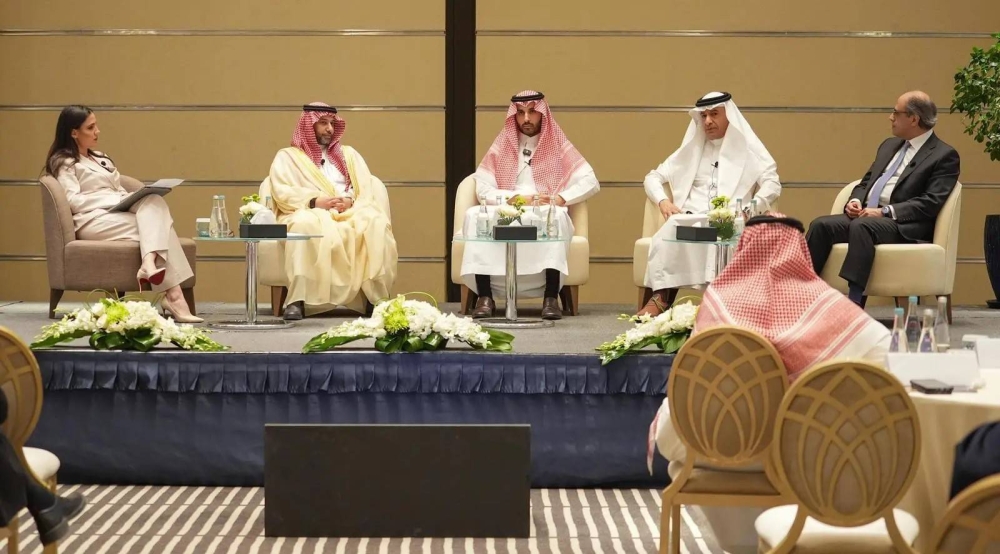
وأشار خلال مشاركته في جلسة حوارية أقامها صندوق النقد الدولي اليوم في مدينة الرياض بعنوان «التطورات والتوقعات الاقتصادية الإقليمية»، إلى أن المملكة تتبع رؤية طويلة المدى لدعم التحول الاقتصادي، لافتاً النظر إلى أن هذه الإصلاحات ساعدت على تحسين مرونة الاقتصاد السعودي، ووفرت مجموعة واسعة من خيارات السياسة للتعامل مع أي صدمة، مبيناً أن حالة عدم اليقين تؤكد أهمية اتخاذ دول المنطقة إصلاحات هيكلية لتحسين مرونة الاقتصاد ودعم التعافي الاقتصادي.
وأوضح الخلف أنه بسبب تشديد الأوضاع المالية العالمية، وتزايد التجزؤ الاقتصادي، واستمرار تقلبات أسعار السلع الأولية، احتلت السياسة المالية مركز الصدارة في تشكيل الاستجابة الاقتصادية عالمياً وإقليمياً، مفيداً أن هذه الظروف تتطلب من الحكومات مزيجاً من الحصافة المالية، والاستجابة السريعة، والاستثمار في القطاعات الإستراتيجية، ودعم القطاع الخاص.
يذكر أن الحدث جمع كبار صانعي السياسات من منطقة الشرق الأوسط وشمال أفريقيا، لمناقشة السياسات الاقتصادية وكيفية إدارتها لضمان النمو الاقتصادي المستدام والاستقرار في البلدان الغنية بالموارد.
Deputy Minister of Finance Abdul Mohsen bin Saad Al-Khalaf confirmed that the Kingdom has adopted numerous structural reforms and developed a strong financial framework, which helps it to face external shocks without compromising developmental plans or the sustainability of public finances.
During his participation in a panel session held by the International Monetary Fund today in Riyadh titled "Regional Economic Developments and Outlook," he pointed out that the Kingdom follows a long-term vision to support economic transformation, noting that these reforms have helped improve the resilience of the Saudi economy and provided a wide range of policy options to deal with any shock, indicating that the state of uncertainty underscores the importance of the countries in the region undertaking structural reforms to enhance economic resilience and support economic recovery.
Al-Khalaf explained that due to tightening global financial conditions, increasing economic fragmentation, and ongoing fluctuations in commodity prices, fiscal policy has taken center stage in shaping economic responses globally and regionally, stating that these conditions require governments to adopt a mix of fiscal prudence, rapid response, investment in strategic sectors, and support for the private sector.
It is worth mentioning that the event brought together senior policymakers from the Middle East and North Africa to discuss economic policies and how to manage them to ensure sustainable economic growth and stability in resource-rich countries.