حين حضر ولي العهد رئيس مجلس الوزراء صاحب السمو الملكي الأمير محمد بن سلمان نهائي كأس العالم للرياضات الإلكترونية في الرياض؛ لم تكن تلك اللحظة مجرد إطلالة بروتوكولية في حدث رياضي؛ بل كانت بمثابة إعلان حضاري ورمزي يوضح كيف تحولت الرياضات الإلكترونية في المملكة من نشاط ترفيهي إلى صناعة كبرى، وركيزة استثمارية ذات أبعاد إستراتيجية.
في بلد يشكل الشباب نحو ثلثي سكانه؛ لم يعد من المستغرب أن تكون هذه الصناعة الرقمية الجديدة إحدى بوابات السعودية نحو المستقبل، وأن تصبح جزءًا من سردية رؤية 2030 التي تعيد صياغة دور المملكة في العالم.
تُعد الرياضات الإلكترونية اليوم من أسرع الصناعات نموًا على مستوى العالم، حيث يُشارك فيها مئات الملايين من اللاعبين والمتابعين، بينما تحقق بطولاتها نسب مشاهدة تفوق أحيانًا بطولات رياضية تقليدية عريقة. لقد تحولت بالفعل من مجرد تسلية إلى اقتصاد متكامل له منظومته الإعلامية، وجمهوره المتفاني، ورعاته الكبار.
السعودية التقطت هذا التحول مُبكرًا؛ فأطلقت في عام 2022 الإستراتيجية الوطنية للألعاب والرياضات الإلكترونية، وهي خارطة طريق شاملة تهدف إلى جعل المملكة مركزًا عالميًا للقطاع بحلول 2030. هذه الإستراتيجية تركز على عناصر متعددة: دعم المحتوى المحلي، تمكين الشركات الناشئة، توفير بيئة تشريعية وتشغيلية جاذبة، واستقطاب الاستثمارات العالمية، إلى جانب تنظيم بطولات كبرى تعزز حضور المملكة عالميًا. والأهم أن هذه الإستراتيجية ليست مجرد شعارات؛ بل أهداف عملية تشمل تأسيس شركات محلية، وتطوير ألعاب سعودية قابلة للتصدير، وخلق فرص وظيفية مباشرة وغير مباشرة، مع مساهمة اقتصادية متنامية في الناتج المحلي.
أما على مستوى السوق المحلي، فقد شهد قطاع الألعاب الإلكترونية تطورًا نوعيًا في السنوات الأخيرة جعل المملكة واحدة من أكبر الأسواق في المنطقة. فهي تتصدر من حيث حجم الإنفاق على الألعاب الإلكترونية، وعدد المستخدمين النشطين، وسرعة نمو المحتوى المحلي. ويمتد هذا القطاع ليشمل عناصر متكاملة: من تطوير الألعاب الإلكترونية، والبنية التحتية التقنية، إلى منظومة البطولات والفعاليات، والمجتمعات التفاعلية التي تعكس إبداع الشباب السعودي وحيويته. وبذلك، لم تعد الرياضات الإلكترونية مجرد ترفيه فردي، بل تحولت إلى نظام اقتصادي ومهني متكامل مدعوم برؤية إستراتيجية طويلة الأمد، تهدف إلى تمكين المواهب، واستقطاب الاستثمارات، وتعزيز الاقتصاد الرقمي.
الاستثمارات الحكومية والخاصة تكشف بوضوح هذا التوجه. فقد أعلنت مجموعة Savvy Gaming Group عن ضخ استثمارات كبيرة في القطاع، تشمل الاستحواذ على شركات عالمية كبرى، ودعم الشركات الناشئة، وتطوير بنية تحتية قوية. وفي المقابل، تبنّت شركات وطنية مثل stc دورًا محوريًا، إذ أصبحت الشريك المؤسس والرائد لكأس العالم للرياضات الإلكترونية، كما استثمرت في شبكات الجيل الخامس والألياف الضوئية لضمان تجربة لعب عالية الكفاءة، ودخلت في شراكات محلية ودولية، ما عزز مكانة المملكة كمركز عالمي في هذا المجال.
كأس العالم للرياضات الإلكترونية، الذي تستضيفه الرياض سنويًا، يمثل التجسيد العملي لهذه الرؤية. ففي نسخته الأولى اجتمع لاعبون محترفون من عشرات الدول، وتابع البطولة جمهور ضخم عبر الإنترنت، فيما استقطبت العاصمة ملايين الزوار، حيث قدمت النسخة الثانية من هذه البطولة أكثر من 7000 ساعة بث مُباشر بزيادة قدرها 55% عن نسخة 2024م، وهو الرقم الأكبر في تاريخ الرياضات الإلكترونية والثاني على مستوى الأحداث الرياضية العالمية كافة، ويصل إلى 140 دولة حول العالم بمحتوى مُترجم وموزّع بـ35 لغة مُختلفة.
ومع تزايد نسب الحضور الدولي في نسخة البطولة للعام 2025م، وتنامي قيمة الجوائز، تحولت البطولة من حدث رياضي إلى منصة حضارية تعكس قدرة السعودية على أن تكون في قلب صناعة رقمية جديدة، تربط الشرق بالغرب تحت سقف واحد.
الأثر الاقتصادي والاجتماعي للقطاع يتجاوز الأرقام المباشرة. فالمملكة تسعى إلى إضافة قيمة كبرى إلى ناتجها المحلي، وتوفير فرص وظيفية جديدة تشمل مجالات لم تكن مألوفة من قبل مثل التدريب، التحليل الرقمي، صناعة المحتوى، وتنظيم البطولات. السياحة بدورها شهدت قفزات نوعية مع استضافة الفعاليات الكبرى، بفضل التأشيرات الإلكترونية والبرامج الثقافية المرافقة، بينما انعكس الاهتمام على البنية التحتية، حيث تحسنت سرعات الاستجابة للألعاب الرقمية بشكل ملحوظ، ما جعل تجربة اللاعبين السعوديين تضاهي أقرانهم في المراكز العالمية.
هذه النقلة السريعة وضعت المملكة في مقارنة طبيعية مع تجارب دول أخرى بنت هويتها على الألعاب الإلكترونية. كوريا الجنوبية جعلت من هذه الصناعة منذ مطلع الألفية رمزًا لحداثتها الثقافية، تمامًا كما فعلت موسيقى K-Pop. اليابان منذ ثمانينيات القرن الماضي ارتبط اسمها عالميًا بشركات Nintendo وSony، وأصبحت الألعاب رمزًا للإبداع الوطني. الصين دخلت العقد الأخير باستثمارات هائلة عبر شركات مثل Tencent، وجعلت من الرياضات الإلكترونية جزءًا من قوتها الناعمة. لكن السعودية أضافت لمستها الخاصة: لم تكتف باستنساخ التجارب أو الاستثمار فيها فحسب؛ بل دشنت مشروعًا حضاريًا متكاملًا يربط الاقتصاد بالثقافة، ويجعل الرياضات الإلكترونية جزءًا من هويتها الوطنية الحديثة.
هذا البعد الحضاري تجسد في مؤتمر الرياضة العالمية الجديدة الذي أقيم موازيًا للبطولة، وجمع قادة الألعاب والتقنية والإعلام لرسم ملامح المستقبل. بذلك، تحولت الرياض إلى عاصمة عالمية للحداثة الرقمية، ومنصة للنقاش والإبداع، لا مجرد مستضيف لبطولة.
إن التحوّل السعودي في الرياضات الإلكترونية ليس مُجرد قصة عن اقتصاد أو ترفيه؛ بل هو فصل جديد في مسار حضاري. الحضارات تصنع صورتها من خلال رموزها الثقافية: السينما في أمريكا، كرة القدم في أوروبا، والآن الرياضات الإلكترونية كلغة الجيل الرقمي. والسعودية اليوم تكتب سرديتها عبر هذه الصناعة، مؤكدة أنها لا تراقب هذا العصر من بعيد؛ بل تصنعه بوعي وطموح. وحين وقف ولي العهد في منصة تتويج كأس العالم للرياضات الإلكترونية للمرة الثانية على التوالي، بعث بذلك رسالة مفادها أن المملكة اختارت أن تكون في قلب صناعة المستقبل، وأن الرياضات الإلكترونية ليست لعبة عابرة، بل مرآة لطموح أمة تتقدم بثبات نحو الغد.
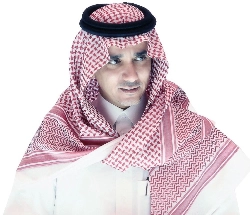
ناصر البقمي
الرياضات الإلكترونية.. قصة وطنية عينها على العالمية
1 سبتمبر 2025 - 12:40
|
آخر تحديث 1 سبتمبر 2025 - 12:42


تابع قناة عكاظ على الواتساب
When Crown Prince and Prime Minister His Royal Highness Prince Mohammed bin Salman attended the final of the World Cup for Electronic Sports in Riyadh, that moment was not merely a ceremonial appearance at a sporting event; it was a cultural and symbolic announcement illustrating how electronic sports in the Kingdom have transformed from a recreational activity into a major industry and a strategic investment pillar.
In a country where youth make up about two-thirds of the population, it is no longer surprising that this new digital industry has become one of Saudi Arabia's gateways to the future, and that it has become part of the narrative of Vision 2030, which is reshaping the Kingdom's role in the world.
Today, electronic sports are among the fastest-growing industries globally, with hundreds of millions of players and followers participating, while its tournaments sometimes achieve viewership rates that exceed those of traditional prestigious sports events. They have indeed transformed from mere entertainment into a comprehensive economy with its own media ecosystem, dedicated audience, and major sponsors.
Saudi Arabia recognized this transformation early on; it launched the National Strategy for Games and Electronic Sports in 2022, a comprehensive roadmap aimed at making the Kingdom a global hub for the sector by 2030. This strategy focuses on multiple elements: supporting local content, empowering startups, providing an attractive legislative and operational environment, attracting global investments, and organizing major tournaments that enhance the Kingdom's global presence. Most importantly, this strategy is not just slogans; it includes practical objectives such as establishing local companies, developing exportable Saudi games, and creating direct and indirect job opportunities, with a growing economic contribution to the GDP.
On the local market level, the electronic gaming sector has witnessed a qualitative development in recent years, making the Kingdom one of the largest markets in the region. It leads in terms of spending on electronic games, the number of active users, and the rapid growth of local content. This sector encompasses integrated elements: from game development and technical infrastructure to a system of tournaments and events, and interactive communities that reflect the creativity and vitality of Saudi youth. Thus, electronic sports have transformed from mere individual entertainment into a comprehensive economic and professional system supported by a long-term strategic vision aimed at empowering talents, attracting investments, and enhancing the digital economy.
Government and private investments clearly reveal this trend. The Savvy Gaming Group announced significant investments in the sector, including the acquisition of major global companies, supporting startups, and developing strong infrastructure. In turn, national companies like stc have taken on a pivotal role, becoming the founding and leading partner of the World Cup for Electronic Sports, investing in 5G networks and fiber optics to ensure a high-efficiency gaming experience, and entering into local and international partnerships, which has strengthened the Kingdom's position as a global hub in this field.
The World Cup for Electronic Sports, hosted annually in Riyadh, represents the practical embodiment of this vision. In its first edition, professional players from dozens of countries gathered, and a massive online audience followed the tournament, while the capital attracted millions of visitors. The second edition of this tournament provided over 7,000 hours of live broadcasting, an increase of 55% compared to the 2024 edition, marking the largest figure in the history of electronic sports and the second largest in the realm of global sporting events, reaching 140 countries worldwide with translated content distributed in 35 different languages.
With the increasing international attendance in the 2025 edition of the tournament and the growing value of prizes, the tournament has transformed from a sporting event into a cultural platform that reflects Saudi Arabia's ability to be at the heart of a new digital industry, connecting East and West under one roof.
The economic and social impact of the sector goes beyond direct numbers. The Kingdom seeks to add significant value to its GDP and provide new job opportunities in fields that were previously unfamiliar, such as training, digital analysis, content creation, and tournament organization. Tourism, in turn, has seen qualitative leaps with the hosting of major events, thanks to electronic visas and accompanying cultural programs, while the interest has reflected on the infrastructure, where response speeds for digital games have improved significantly, making the experience of Saudi players comparable to their peers in global centers.
This rapid shift has placed the Kingdom in a natural comparison with the experiences of other countries that have built their identity around electronic games. South Korea has made this industry a symbol of its cultural modernity since the early 2000s, just as K-Pop has. Japan, since the 1980s, has been globally associated with companies like Nintendo and Sony, and games have become a symbol of national creativity. China entered the last decade with massive investments through companies like Tencent, making electronic sports part of its soft power. However, Saudi Arabia has added its unique touch: it has not only replicated or invested in experiences; it has launched a comprehensive cultural project that links the economy with culture, making electronic sports part of its modern national identity.
This cultural dimension was embodied in the New Global Sports Conference held alongside the tournament, gathering leaders from gaming, technology, and media to outline the future. Thus, Riyadh has transformed into a global capital of digital modernity and a platform for discussion and creativity, not just a host of a tournament.
The Saudi transformation in electronic sports is not merely a story about economy or entertainment; it is a new chapter in a civilizational journey. Civilizations shape their image through their cultural symbols: cinema in America, football in Europe, and now electronic sports as the language of the digital generation. Today, Saudi Arabia is writing its narrative through this industry, affirming that it is not merely observing this era from afar; it is consciously and ambitiously shaping it. And when the Crown Prince stood on the podium of the World Cup for Electronic Sports for the second consecutive time, he sent a message that the Kingdom has chosen to be at the heart of the industry of the future, and that electronic sports are not a passing game, but a reflection of the ambition of a nation steadily advancing towards tomorrow.
In a country where youth make up about two-thirds of the population, it is no longer surprising that this new digital industry has become one of Saudi Arabia's gateways to the future, and that it has become part of the narrative of Vision 2030, which is reshaping the Kingdom's role in the world.
Today, electronic sports are among the fastest-growing industries globally, with hundreds of millions of players and followers participating, while its tournaments sometimes achieve viewership rates that exceed those of traditional prestigious sports events. They have indeed transformed from mere entertainment into a comprehensive economy with its own media ecosystem, dedicated audience, and major sponsors.
Saudi Arabia recognized this transformation early on; it launched the National Strategy for Games and Electronic Sports in 2022, a comprehensive roadmap aimed at making the Kingdom a global hub for the sector by 2030. This strategy focuses on multiple elements: supporting local content, empowering startups, providing an attractive legislative and operational environment, attracting global investments, and organizing major tournaments that enhance the Kingdom's global presence. Most importantly, this strategy is not just slogans; it includes practical objectives such as establishing local companies, developing exportable Saudi games, and creating direct and indirect job opportunities, with a growing economic contribution to the GDP.
On the local market level, the electronic gaming sector has witnessed a qualitative development in recent years, making the Kingdom one of the largest markets in the region. It leads in terms of spending on electronic games, the number of active users, and the rapid growth of local content. This sector encompasses integrated elements: from game development and technical infrastructure to a system of tournaments and events, and interactive communities that reflect the creativity and vitality of Saudi youth. Thus, electronic sports have transformed from mere individual entertainment into a comprehensive economic and professional system supported by a long-term strategic vision aimed at empowering talents, attracting investments, and enhancing the digital economy.
Government and private investments clearly reveal this trend. The Savvy Gaming Group announced significant investments in the sector, including the acquisition of major global companies, supporting startups, and developing strong infrastructure. In turn, national companies like stc have taken on a pivotal role, becoming the founding and leading partner of the World Cup for Electronic Sports, investing in 5G networks and fiber optics to ensure a high-efficiency gaming experience, and entering into local and international partnerships, which has strengthened the Kingdom's position as a global hub in this field.
The World Cup for Electronic Sports, hosted annually in Riyadh, represents the practical embodiment of this vision. In its first edition, professional players from dozens of countries gathered, and a massive online audience followed the tournament, while the capital attracted millions of visitors. The second edition of this tournament provided over 7,000 hours of live broadcasting, an increase of 55% compared to the 2024 edition, marking the largest figure in the history of electronic sports and the second largest in the realm of global sporting events, reaching 140 countries worldwide with translated content distributed in 35 different languages.
With the increasing international attendance in the 2025 edition of the tournament and the growing value of prizes, the tournament has transformed from a sporting event into a cultural platform that reflects Saudi Arabia's ability to be at the heart of a new digital industry, connecting East and West under one roof.
The economic and social impact of the sector goes beyond direct numbers. The Kingdom seeks to add significant value to its GDP and provide new job opportunities in fields that were previously unfamiliar, such as training, digital analysis, content creation, and tournament organization. Tourism, in turn, has seen qualitative leaps with the hosting of major events, thanks to electronic visas and accompanying cultural programs, while the interest has reflected on the infrastructure, where response speeds for digital games have improved significantly, making the experience of Saudi players comparable to their peers in global centers.
This rapid shift has placed the Kingdom in a natural comparison with the experiences of other countries that have built their identity around electronic games. South Korea has made this industry a symbol of its cultural modernity since the early 2000s, just as K-Pop has. Japan, since the 1980s, has been globally associated with companies like Nintendo and Sony, and games have become a symbol of national creativity. China entered the last decade with massive investments through companies like Tencent, making electronic sports part of its soft power. However, Saudi Arabia has added its unique touch: it has not only replicated or invested in experiences; it has launched a comprehensive cultural project that links the economy with culture, making electronic sports part of its modern national identity.
This cultural dimension was embodied in the New Global Sports Conference held alongside the tournament, gathering leaders from gaming, technology, and media to outline the future. Thus, Riyadh has transformed into a global capital of digital modernity and a platform for discussion and creativity, not just a host of a tournament.
The Saudi transformation in electronic sports is not merely a story about economy or entertainment; it is a new chapter in a civilizational journey. Civilizations shape their image through their cultural symbols: cinema in America, football in Europe, and now electronic sports as the language of the digital generation. Today, Saudi Arabia is writing its narrative through this industry, affirming that it is not merely observing this era from afar; it is consciously and ambitiously shaping it. And when the Crown Prince stood on the podium of the World Cup for Electronic Sports for the second consecutive time, he sent a message that the Kingdom has chosen to be at the heart of the industry of the future, and that electronic sports are not a passing game, but a reflection of the ambition of a nation steadily advancing towards tomorrow.