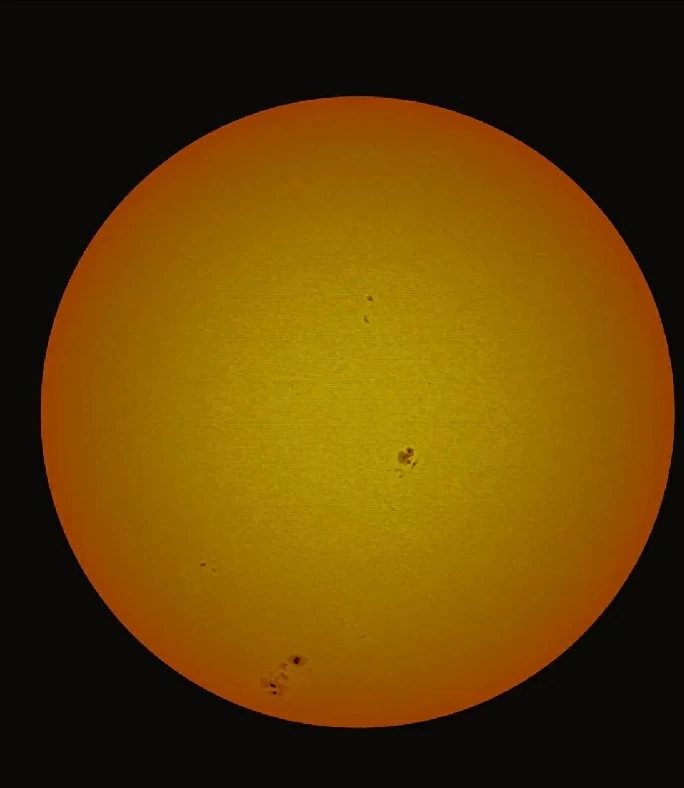
رصدت جمعية نور الفلك نشاطًا شمسيًّا متصاعدًا في البقعة الشمسية رقم (4478)، تمثّل في ظهور ومضات إيلرمان، وهي انفجارات مغناطيسية صغيرة تُعد مؤشرًا على حالة من عدم الاستقرار في المجال المغناطيسي للمنطقة النشطة.
وأوضح رئيس الجمعية عيسى الغفيلي أن رصد هذه الومضات يشير إلى تزايد النشاط المغناطيسي في البقعة الشمسية، وقد يكون مقدمةً لحدوث توهج شمسي قوي من الفئة X خلال الفترة القادمة، وهي أعلى فئات التوهجات الشمسية في التصنيف العلمي المعتمد.
وبيّن أن التوهجات الشمسية من هذه الفئة، في حال توجّهها نحو الأرض، قد تتسبب في اضطرابات مؤقتة في بعض أنظمة الاتصالات والأقمار الصناعية وتقنيات الملاحة، دون أن يكون لها تأثير مباشر على الكائنات الحية.
وأكد الغفيلي أن متابعة النشاط الشمسي تمثل جانبًا مهمًّا من علوم الفلك الحديثة، وتسهم في فهم طقس الفضاء ورصد تغيراته وتأثيراته المحتملة على التقنيات الحديثة والبنى التحتية المرتبطة بها.
وأضاف أن المراقبة المستمرة للمناطق النشطة على سطح الشمس تساعد المختصين على استشراف التطورات المحتملة ورفع مستوى الوعي العام بالظواهر الشمسية، بما يعزز الجاهزية للتعامل مع أي تأثيرات تقنية قد تنتج عن النشاط الشمسي المرتفع.
The Noor Astronomy Association has observed an increasing solar activity in sunspot number (4478), manifested in the appearance of Ellerman flashes, which are small magnetic explosions that indicate a state of instability in the magnetic field of the active region.
The president of the association, Eissa Al-Ghafili, explained that the observation of these flashes indicates an increase in magnetic activity in the sunspot, and it may be a precursor to a strong solar flare of class X in the upcoming period, which is the highest category of solar flares in the established scientific classification.
He indicated that solar flares of this class, if directed towards Earth, could cause temporary disturbances in some communication systems, satellites, and navigation technologies, without having a direct impact on living organisms.
Al-Ghafili confirmed that monitoring solar activity represents an important aspect of modern astronomy, contributing to the understanding of space weather and tracking its changes and potential impacts on modern technologies and the infrastructure associated with them.
He added that continuous monitoring of active regions on the sun's surface helps specialists anticipate potential developments and raise public awareness of solar phenomena, thereby enhancing readiness to deal with any technical impacts that may arise from elevated solar activity.