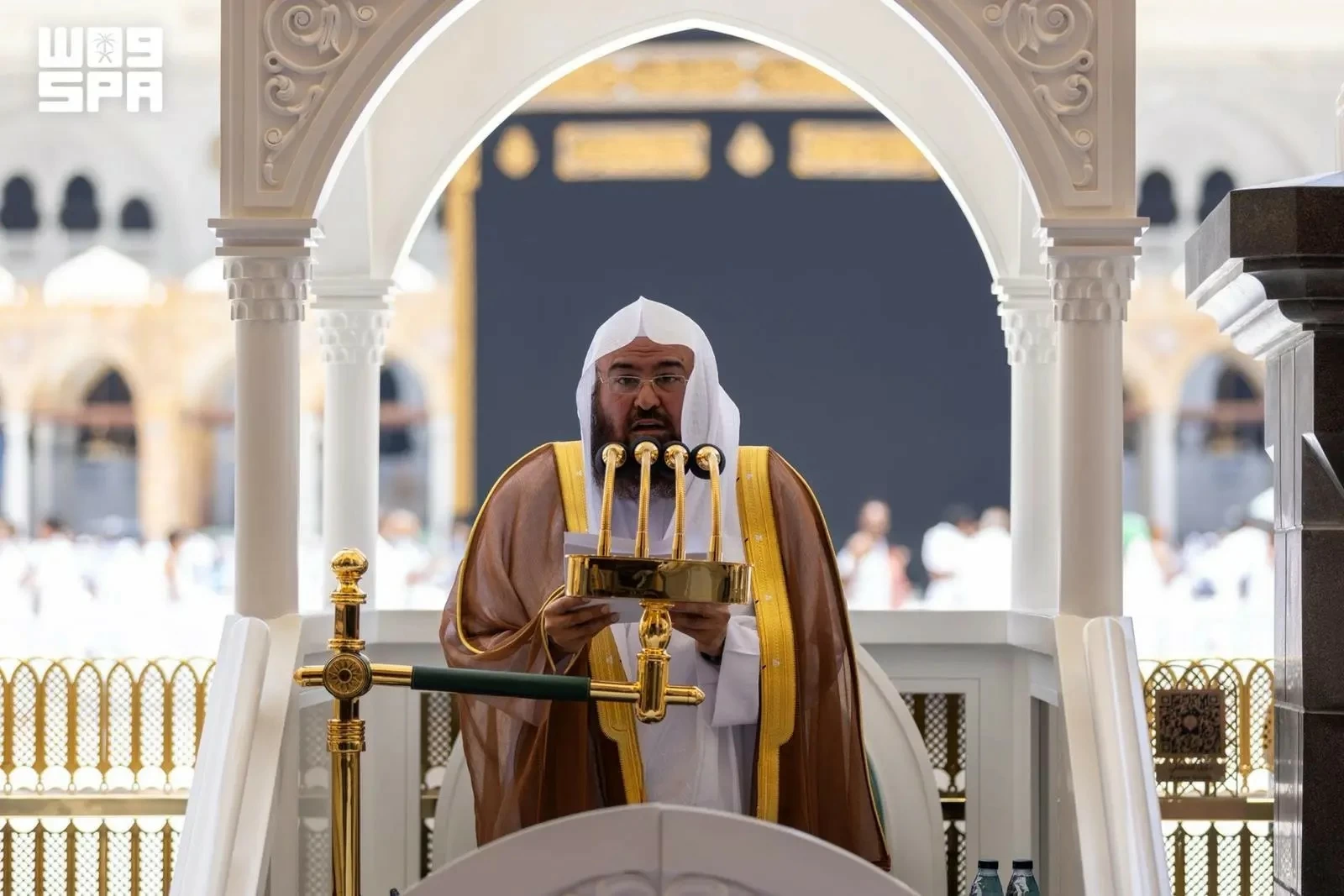
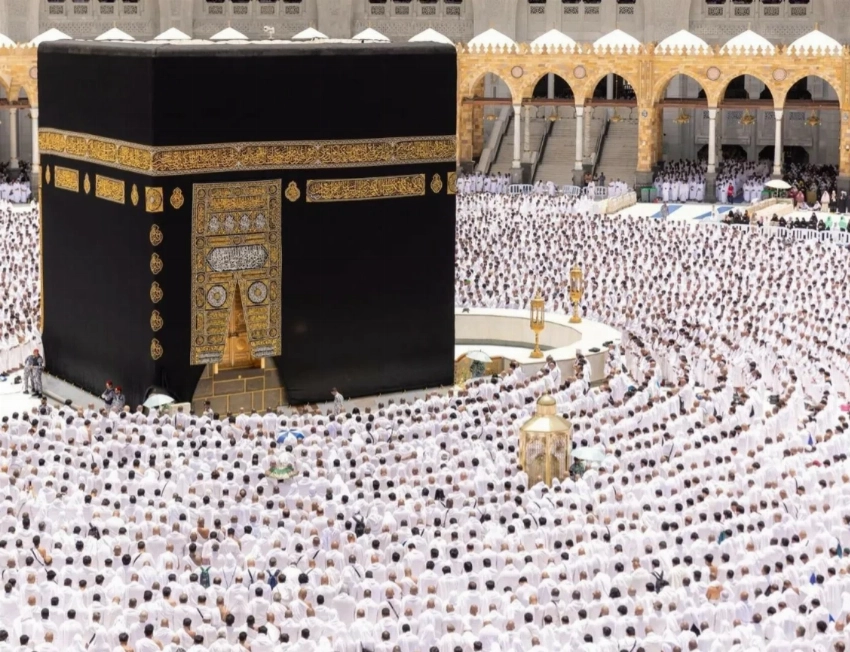
أوصى إمام وخطيب المسجد الحرام الشيخ الدكتور عبدالرحمن السديس، بتقوى الله فهي أقوى ظهير، وأوفى معين، وأكرم زاد للمعاش والمعاد.
وقال في خطبة الجمعة التي ألقاها اليوم بالمسجد الحرام: إن في تتابع الفصول والمواسم لَمُدَّكَرًا، وتعاقب الأيام والليالي الحواسم لَمُعْتَبَرَا، ولا تزال أمتنا الإسلامية تتفيأ ظلال هذا العام الجديد، وفاتحة شهور العام شهر الله المحرم، قال صلّى الله عليه وسلّم: «أفضل الصيام بعد رمضان شهر الله المحرم» (رواه مسلم)، والسنّة صيام يوم عاشوراء ويوم قبله أو يوم بعده.
وأشار إلى أن شهر الله المحرم يُذكرنا بحَدَث الهجرة الميمون؛ حيث نصر الله عبده ورسوله صلّى الله عليه وسلّم، قال تعالى: (إِلَّا تَنْصُرُوهُ فَقَدْ نَصَرَهُ اللَّهُ إِذْ أَخْرَجَهُ الَّذِينَ كَفَرُوا ثَانِيَ اثْنَيْنِ إِذْ هُمَا فِي الْغَارِ إِذْ يَقُولُ لِصَاحِبِهِ لَا تَحْزَنْ إِنَّ اللَّهَ مَعَنَا)، قال أبو بكر رضي الله عنه: «والله يا رسول الله لو نَظَرَ أحدهم إلى موضع قدمه لأبصرنا».
وأكَّد أن هذا الدين القويم هو النعمة العظمى، والمنة الكبرى، وبه يمتاز المؤمن عن غيره من أهل الملل الذين يشتركون معه في نعمة الوجود، والعقل والرزق، وغيرها، إلا أن المسلم ينفرد بنعمة الإسلام، بنعمة «لا إله إلا الله محمد رسول الله».
وشدد على أن سُنة التمحيص لابُدَّ أن تُضيء طريقنا إلى العام الهجري الجديد، مستيقنين أن ديننا الحق هو عُدَّتنا وعتادنا وحصننا الحصين من الفتن في زمن الفتن والمحن، وهذه سنة الله في خلقه وفي عباده.
واختتم الخطبةَ قائلًا: «في هذه الآونة يَتَبَدَّى لنا حَرُور من الصيف النَّافِح، وتهب علينا رياحه اللوافح»، قال صلّى الله عليه وسلّم: «إذا اشتد الحر فأبردوا بالصلاة، فإن شدة الحر من فيح جهنم» (متفق عليه).
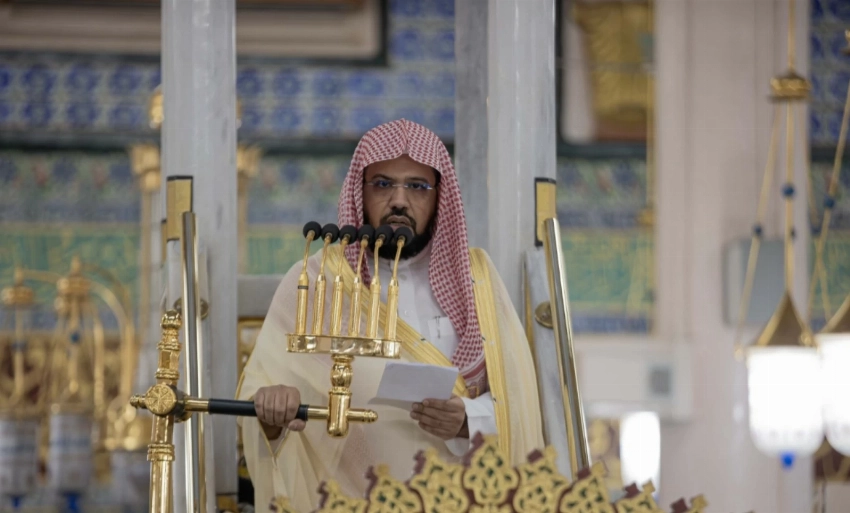
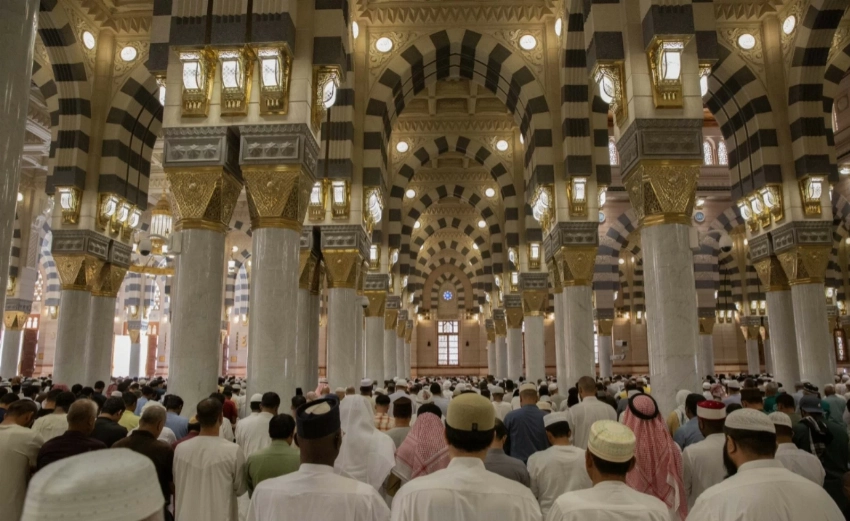
كما أوصى الشيخ الدكتور أحمد الحذيفي إمام وخطيب المسجد النبوي، المسلمين بتقوى الله تعالى، وطاعة المولى الكريم للفوز بالمغفرة والأجر العظيم، قال تعالى: (يَا أَيُّهَا الَّذِينَ آمَنُوا اتَّقُوا اللَّهَ وَقُولُوا قَوْلًا سَدِيدًا يُصْلِحْ لَكُمْ أَعْمَالَكُمْ وَيَغْفِرْ لَكُمْ ذُنُوبَكُمْ وَمَن يُطِعِ اللَّهَ وَرَسُولَهُ فَقَدْ فَازَ فَوْزًا عَظِيمًا).
وقال: إن في انطواء صفحات الأيام وانقضاء الشهور والأعوام لعبرةً وذكرى، كما أن فيها لأولي البصائر سلوانًا وبشرى، فإن سرعة دوران الزمان تستوقف اللبيب لينظر في غابر زمانه وماضيه، ويتفكر في حاضره وآتيه، فيكون في ذلك عظةٌ لكل مفرطٍ بأخذ العدة، وسلوانٌ لكل مكروب بانصرام زمان الشدة، فلا يغتر بالدنيا غافل مغتر، ولا ييأس ذو كرب وضر، يقول الله جل شأنه: (وَهُوَ الَّذِي جَعَلَ اللَّيْلَ وَالنَّهَارَ خِلْفَةً لِّمَنْ أَرَادَ أَن يَذَّكَّرَ أَوْ أَرَادَ شُكُورًا) أي: يخلف كل واحد منهما الآخر، يتعاقبان لا يفتران، يذهب هذا ويجيء ذاك، (لِمَنْ أَرَادَ أَنْ يَذَّكَّرَ أَوْ أَرَادَ شُكُورًا) أي: جعلهما يتعاقبان ليستدل بذلك المتفكر على توحيد الخالق سبحانه، فيعلم أنه عظيم القدرة لا يستحق العبادة غيره، وليشكر الشاكر على ما في اختلاف الليل والنهار من عظيم النعم وجليل الآلاء، وجعلهما متعاقبين كذلك ليستدرك العباد في الزمان اللاحق ما فاتهم من الخير والطاعات والمنافع في الزمان السابق، فمن فاته عمل في الليل استدركه في النهار.
ومضى قائلًا: ومن فاته عمل في النهار استدركه في الليل، عن أبي موسى الأشعري -رضي الله عنه- عن النبي -صلّى الله عليه وسلّم-، قال: «إن الله عزّ وجلّ يبسط يده بالليل ليتوب مسيء النهار، ويبسط يده بالنهار ليتوب مسيء الليل، حتى تطلع الشمس من مغربها»، وجاء عن ابن عباس -رضي الله عنهما- في تفسير قوله سبحانه: (وَهُوَ الَّذِي جَعَلَ اللَّيْلَ وَالنَّهَارَ خِلْفَةً) أنه قال: من فاته شيء من الليل أن يعمله أدركه بالنهار، أو من النهار أدركه بالليل.
وختم إمام وخطيب المسجد النبوي الشيخ الدكتور أحمد الحذيفي قائلًا: إن في تعاقب الليالي والأيام، وتتابع السنين والأعوام سلوانًا لمن ضاقت أحواله، وتعسرت أموره، فإن الدنيا دار تغير وزوال، لا يستقر لها شأن ولا يدوم لها حال، بل تنتقل بأهلها انتقالًا، وتعقبهم بعد حالٍ حالًا، فحوِّلْك الضيق تجلوه تباشير الفرج، كما يبدد ضياء النهار سدفة الليل، يقول صلّى الله عليه وسلّم في وصيته لابن عباس رضي الله عنهما: (واعلم أن في الصبر على ما تكره خيرًا كثيرًا، وأن النصر مع الصبر، وأن الفرج مع الكرب، وأن مع العسر يسرًا).
The Imam and preacher of the Grand Mosque, Sheikh Dr. Abdul Rahman Al-Sudais, advised to fear Allah, for it is the strongest support, the most reliable aid, and the most honorable provision for both this life and the hereafter.
He said in the Friday sermon delivered today at the Grand Mosque: "In the succession of seasons and times, there is indeed a reminder, and in the passing of days and nights, there is indeed a lesson to be learned. Our Islamic nation continues to bask in the shadows of this new year, with the month of Allah, Muharram, marking the beginning of the year. The Prophet, peace be upon him, said: 'The best fasting after Ramadan is the month of Allah, Muharram' (reported by Muslim), and the Sunnah is to fast on the Day of Ashura and the day before it or the day after it."
He pointed out that the month of Allah, Muharram, reminds us of the blessed event of the Hijrah, where Allah supported His servant and Messenger, peace be upon him. Allah, the Exalted, said: (If you do not support him, Allah has already supported him when those who disbelieved drove him out, as one of two, when they were in the cave, and he said to his companion, 'Do not grieve; indeed Allah is with us'). Abu Bakr, may Allah be pleased with him, said: 'By Allah, O Messenger of Allah, if one of them were to look down at his feet, he would see us.'
He affirmed that this upright religion is the greatest blessing and the greatest favor, and through it, the believer is distinguished from others among the people of different faiths who share with him the blessing of existence, intellect, sustenance, and others. However, the Muslim is unique in the blessing of Islam, in the blessing of 'There is no god but Allah, Muhammad is the Messenger of Allah.'
He emphasized that the Sunnah of purification must illuminate our path to the new Hijri year, being certain that our true religion is our preparation, our gear, and our stronghold against trials in times of tribulations and hardships. This is Allah's way with His creation and His servants.
He concluded the sermon by saying: "At this time, we are experiencing the heat of the summer breeze, and its winds are blowing upon us." The Prophet, peace be upon him, said: "When the heat intensifies, cool down with prayer, for the intensity of heat is from the breath of Hell" (agreed upon).
Sheikh Dr. Ahmad Al-Hudhaifi, the Imam and preacher of the Prophet's Mosque, also advised Muslims to fear Allah, the Almighty, and to obey the Generous Lord to attain forgiveness and great reward. Allah, the Exalted, said: (O you who have believed, fear Allah and speak words of appropriate justice. He will make your deeds right for you and forgive you your sins. And whoever obeys Allah and His Messenger has certainly attained a great attainment).
He said: "In the closing of the pages of days and the passing of months and years, there is indeed a lesson and a reminder, as there is solace and good news for those with insight. The swift passage of time prompts the wise to reflect on their past and history, and to contemplate their present and future, serving as a lesson for every negligent person to prepare, and solace for every distressed person as the time of hardship passes. Let not the heedless be deceived by the world, nor let the troubled despair. Allah, the Exalted, says: (And it is He who has made the night and the day in succession for whoever desires to remember or desires gratitude), meaning: each one follows the other, alternating without ceasing; this one departs and that one arrives, (for whoever desires to remember or desires gratitude), meaning: He made them alternate so that the contemplative can recognize the oneness of the Creator, glorified be He, knowing that He is all-powerful and that no one deserves worship except Him. And let the thankful be grateful for the great blessings and magnificent favors in the alternation of night and day, and He made them alternate so that the servants can make up in the subsequent time for what they missed of goodness, obedience, and benefits in the previous time. Whoever missed an act during the night can make it up during the day.
He continued: "And whoever missed an act during the day can make it up during the night." From Abu Musa Al-Ash'ari, may Allah be pleased with him, the Prophet, peace be upon him, said: "Indeed, Allah, the Mighty and Majestic, extends His hand at night so that the sinner of the day may repent, and He extends His hand during the day so that the sinner of the night may repent, until the sun rises from the west." It was narrated from Ibn Abbas, may Allah be pleased with them both, in the interpretation of His saying, the Exalted: (And it is He who has made the night and the day in succession) that he said: "Whoever missed something from the night to do it, he can catch up with it during the day, or from the day, he can catch up with it during the night."
The Imam and preacher of the Prophet's Mosque, Sheikh Dr. Ahmad Al-Hudhaifi, concluded by saying: "In the succession of nights and days, and the passing of years and times, there is solace for those whose circumstances have become tight, and their affairs have become difficult. For this world is a place of change and transience; no situation remains stable, nor does any condition last. Rather, it transitions with its people, and they follow one state with another. So let the tightness of your circumstances be dispelled by the tidings of relief, just as the light of day dispels the darkness of night. The Prophet, peace be upon him, said in his advice to Ibn Abbas, may Allah be pleased with them both: (And know that in patience over what you dislike is much good, and that victory comes with patience, and that relief comes with hardship, and that with hardship comes ease).