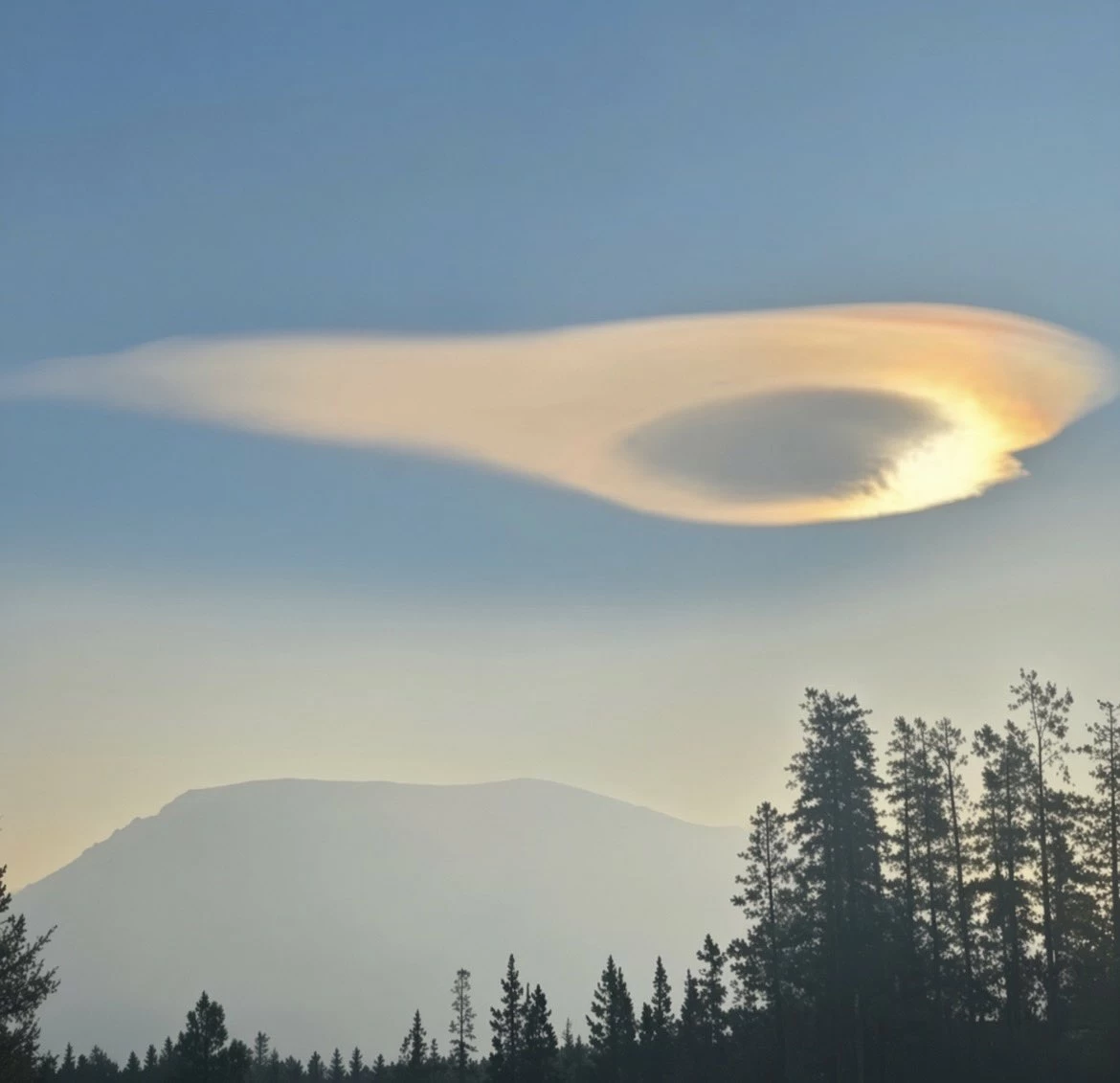
ضُجت منصات التواصل الاجتماعي بصورة فريدة من نوعها بعدما ظهر في قلب سحابة بيضاء جسم بيضاوي داكن ومثير للريبة، لتلتقطها أنظار المتابعين وتتحول إلى مادة دسمة للجدل والنقاش. الصورة التي نشرتها مستخدمة تُدعى تشارلي وودز عبر مجموعة متخصصة في تصوير السحب على «فيسبوك»، انقسمت حولها الآراء سريعة الاشتعال؛ فبينما رأى قطاع واسع أن الأمر لا يعدو كونه لوحة فنية أبدعتها الطبيعة، ذهب آخرون إلى أبعاد أبعد بكثير، ملمحين إلى احتمال ارتباط المشهد بأجسام طائرة مجهولة.
هذا الجدل وجد صداه الواسع لدى الباحث المهتم بالأجسام الغامضة سكوت سي وارينغ، الذي نقلت عنه صحيفة «ديلي ميل» تحليلاً غير تقليدي يزعم أن الشكل الداكن وسط السحابة قد يكون قرصاً غامضاً اتخذ من السحابة عباءة للتمويه على ارتفاع منخفض، ذاهباً إلى حد الادعاء بأن كائنات فضائية تستغل هذه الظواهر للاختباء والمراقبة. بطبيعة الحال، تفتقر هذه الطروحات لأي سند علمي، لتبقى مجرد تأويلات أفرزتها رغبة الفضول البشري في فك لغز المجهول.
وفي خضم هذا الصخب الرقمي، ظهرت جبهة أخرى من الشكوك تضع صحة الصورة برمتها موضع تساؤل؛ إذ تساءل كثيرون عما إذا كانت الصورة قد تعرضت لتلاعب رقمي أو صنعتها تقنيات الذكاء الاصطناعي، خصوصاً مع غياب التفاصيل التقنية الأساسية مثل تاريخ الالتقاط والموقع الجغرافي ونوع الكاميرا، إلى جانب حفظ الصورة بصيغة «PNG» التي تلمح إلى احتمالية مرورها بمرحلة تعديل، وإن كان ذلك لا يمثل دليلاً قطعياً على زيفها.
في المقابل، يأتي العلم ليقدم إجابات أكثر هدوءاً ومنطقية، مرجحاً أن يكون المشهد نتاجاً لما يُعرف بـ«السحب العدسية»؛ وهي ظاهرة طبيعية غالباً ما تشهدها المناطق الجبلية نتيجة تفاعل التيارات الهوائية مع التضاريس، لتتخذ السحب أشكالاً ناعمة ومستديرة تحاكي الأطباق الطائرة في كثير من الأحيان وتثير الحيرة. أما البقعة الداكنة التي تتوسط المشهد، فما هي إلا تباين طبيعي في طبقات السحب، أو ظلال، أو فتحة عابرة تسمح بنفاذ الضوء من الخلف لتكتمل لوحة طبيعية مبهرة تتنازعها يد الواقع وخيال المتابعين.
Social media platforms buzzed in a unique way after a dark, oval, and suspicious object appeared in the heart of a white cloud, capturing the attention of followers and turning into a rich subject for controversy and discussion. The image, published by a user named Charlie Woods in a group specialized in cloud photography on "Facebook," sparked rapid and fiery opinions; while a wide sector believed it to be nothing more than a work of art created by nature, others ventured much further, hinting at a possible connection between the scene and unidentified flying objects.
This controversy resonated widely with researcher Scott C. Waring, who is interested in mysterious objects, and whom the "Daily Mail" quoted with an unconventional analysis claiming that the dark shape in the cloud could be a mysterious disc using the cloud as a cloak for low-altitude concealment, even going so far as to assert that extraterrestrial beings exploit these phenomena for hiding and surveillance. Naturally, these claims lack any scientific basis, remaining mere interpretations born from human curiosity to unravel the mystery of the unknown.
Amid this digital uproar, another front of doubts emerged questioning the authenticity of the entire image; many wondered whether the image had undergone digital manipulation or was created by artificial intelligence techniques, especially with the absence of basic technical details such as the date of capture, geographical location, and camera type, along with the image being saved in "PNG" format, which hints at the possibility of having undergone a modification stage, although this does not constitute conclusive evidence of its falsity.
In contrast, science offers calmer and more logical answers, suggesting that the scene is a result of what is known as "lenticular clouds"; a natural phenomenon often witnessed in mountainous areas due to the interaction of air currents with the terrain, causing the clouds to take on soft, rounded shapes that often mimic flying saucers and provoke confusion. As for the dark spot in the center of the scene, it is merely a natural contrast in the layers of clouds, or shadows, or a passing opening allowing light to penetrate from behind, completing a stunning natural tableau contested between the hand of reality and the imagination of the followers.