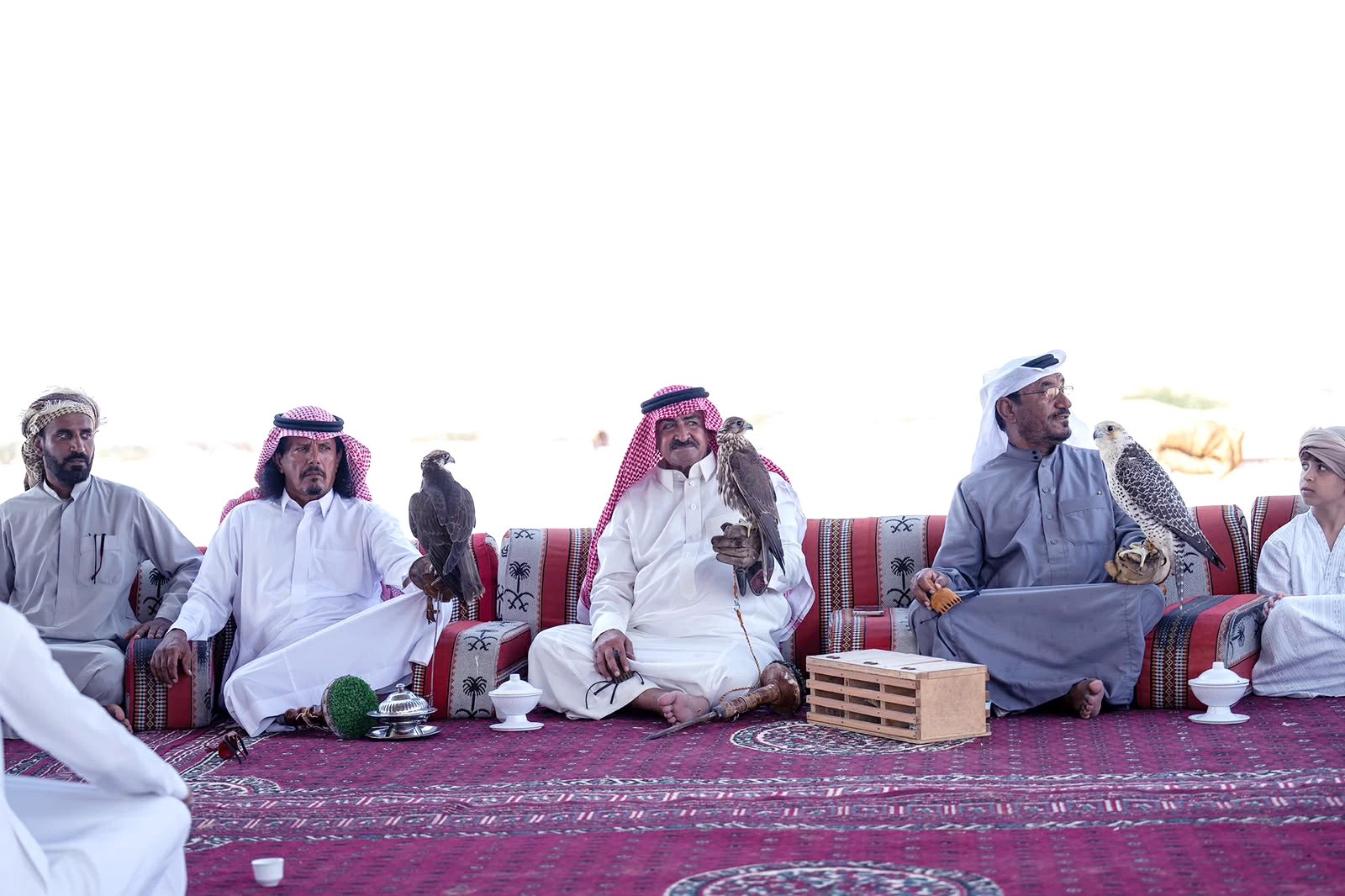
يمتد موسم المقناص على طول الساحل الغربي، من جنوب جدة مروراً بالمجيرمة والشعيبة والقنفذة، وصولاً إلى مركز الموسم بمنطقة جازان، حيث تنتشر سيارات الدفع الرباعي المجهزة بأدوات الصيد، من أجهزة الاتصال والمناظير «الدربيل» إلى الشباك والطعوم، فيما تتوزع في الصحاري مخيمات «العزب»، التي تجمع الصقارين من مختلف مناطق المملكة ودول الخليج العربي، في رحلات بحث شاقة عن «الوحش»، وهو المصطلح الذي يطلق على الصقر قبل ترويضه وتدريبه.
وتتحول هذه الرحلات إلى ملتقيات تجمع الصقارين في أجواء يسودها التعاون وتبادل الخبرات، إذ يجتمعون بعد يوم طويل من البحث، ويتسامرون حول تجاربهم وقصصهم في الصحراء، فيما ينتهي المطاف ببعضهم إلى بيع الصقور التي يعثرون عليها، أو المشاركة بها في المسابقات الإقليمية، مستفيدين من الدعم والاهتمام الذي يقدمه نادي الصقور السعودي، عبر خدمات نوعية تسهم في خدمة هواة الصقارة والمحافظة على هذا الموروث العريق.
أدوات الرصد والترقب
ولا يبدأ الباحثون عن الصقور، الذين يعرفون باسم «الطواريح»، رحلتهم إلا بعد تجهيز أدواتهم التي تساعدهم على رصد الطيور المهاجرة وتعقبها والإمساك بها. ويأتي جهاز «الكنود» ضمن أبرز أدواتهم، إذ يستخدمونه للتواصل وتحديد أسبقية مشاهدة الصقر، فيما يساعد «الدربيل» على رصد الطيور وتعقبها من مسافات بعيدة، ويستخدم «الزرق» طعماً لاستدراج الصقر والإيقاع به.
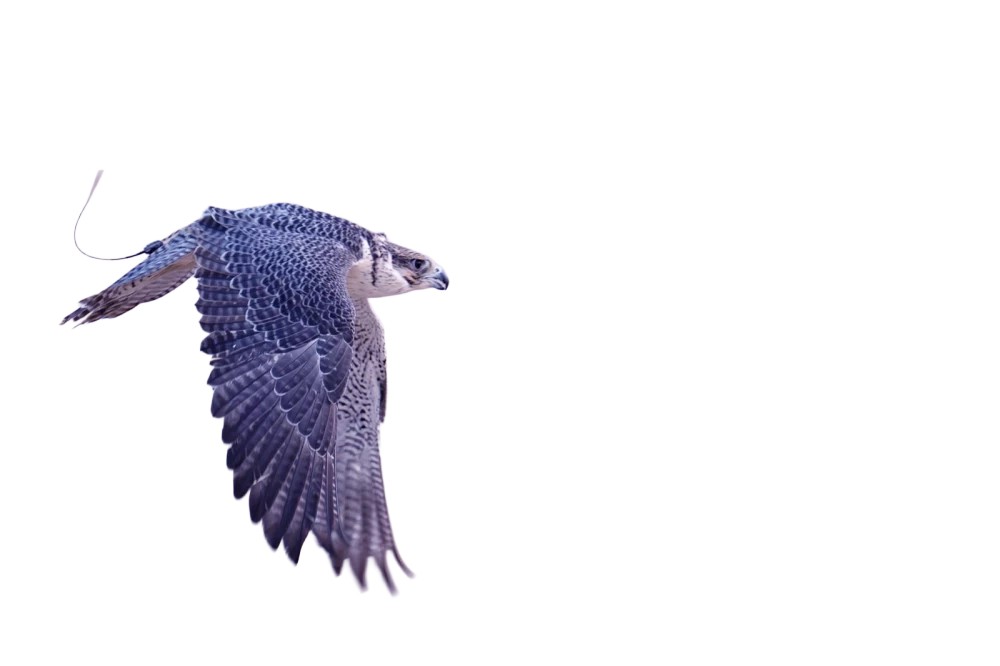
وتأتي هذه الطيور في رحلات هجرة جماعية من مناطق عدة، بينها باكستان ومنغوليا وروسيا والمناطق الباردة، قاطعة مسافات طويلة حتى تصل إلى السواحل الغربية، حيث يترقبها الطواريح بالشباك والمناظير والطعوم، في محاولة للظفر بصقر مميز.
وجرت العادة بين الصقارين على أن تكون ملكية الصقر لمن يشاهده أولاً، فيما يساعده الآخرون على صيده، في صورة تعكس روح التعاون والالتزام بالأعراف المتوارثة بينهم. وعند رصد «الوحش»، يعلن الصقار مشاهدته عبر جهاز «الكنود»، ليبدأ الآخرون في تقديم المساعدة، دون أن يعني ذلك مشاركتهم في ملكية الصقر.
ويستخدم الصقارون «الزرق» لاستدراج الطائر، من خلال تقديم طعم من الحمام أو السمان، بحيث ينقض الصقر عليه من الأعلى وينشغل بالأكل، ما يتيح للطواريح فرصة الإمساك به بواسطة الشباك، وفق أساليب دقيقة لا يتقنها إلا الصقارون المتمرسون.
«الفزعة».. نداء يجمع الصقارين
وعلى الرغم من تباعد مناطق الصقارين وتنوعها بين شمال المملكة وجنوبها وشرقها وغربها، وامتدادها إلى دول الخليج العربي، فإن أجواء المقناص تكشف عن روابط وثيقة تجمعهم، حتى يبدو وكأنهم عائلة واحدة، يتشاركون الخبرة ويتسابقون إلى تقديم العون.
وتتجلى هذه الروح، عندما يطلق أحدهم عبر جهاز «الكنود» كلمة «الفزعة»، وهي نداء متعارف عليه بينهم لطلب المساعدة عند مشاهدة صقر أو رصد «وحش» قادم عبر البحر من مناطق أخرى. وعندها يستجيب الصقارون للنداء، في مشهد يعكس ما استقر بينهم من قيم الشهامة والتعاون واحترام الأعراف.
خطوات نحو المقناص
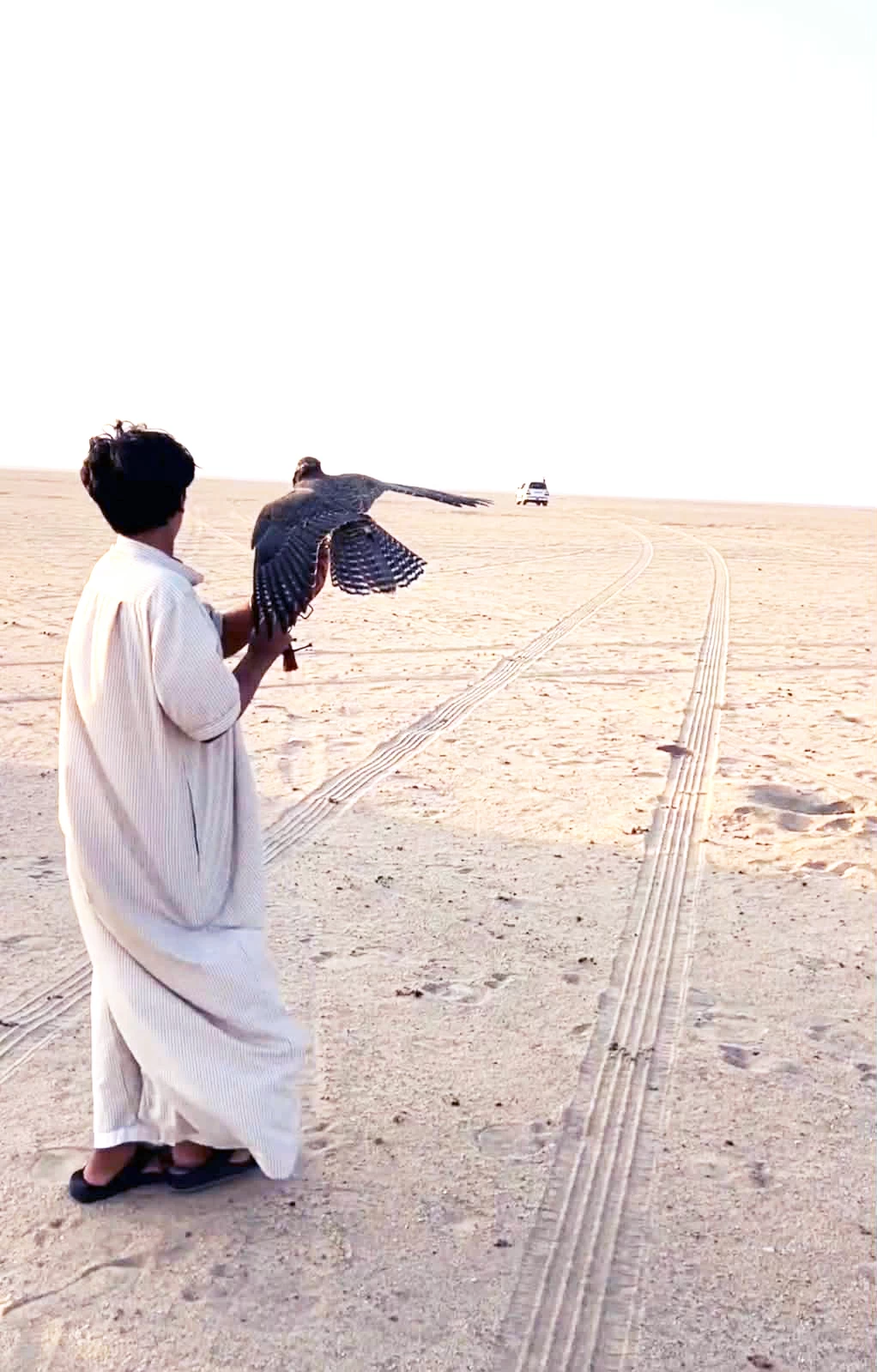
ورصدت «عكاظ»، جانباً من حياة الصقارين، من خلال تجربة ميدانية متنقلة بين التباب، رافقت خلالها الطواريح في تنقلاتهم وتدريب طيورهم، وتعرفت على أساليب «الهدد»، وهو المصطلح الذي يستخدمه الصقارون لوصف تدريب الصقر على مهاجمة الحبارى والطيور الأخرى، وتأهيله لاكتساب مهارات الانقضاض الحقيقية تمهيداً لرحلات المقناص.
«الملواح».. أولى خطوات التدريب
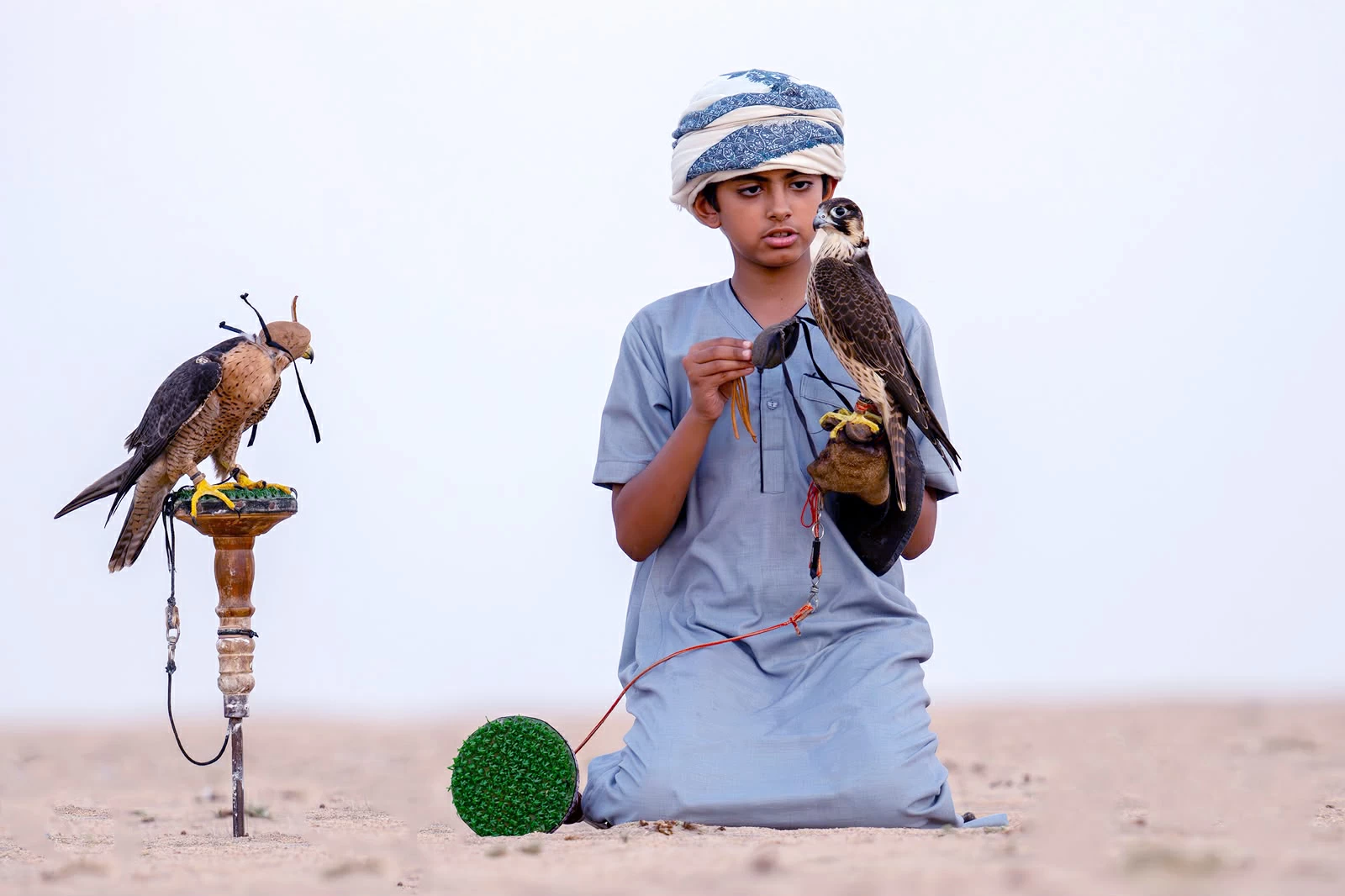
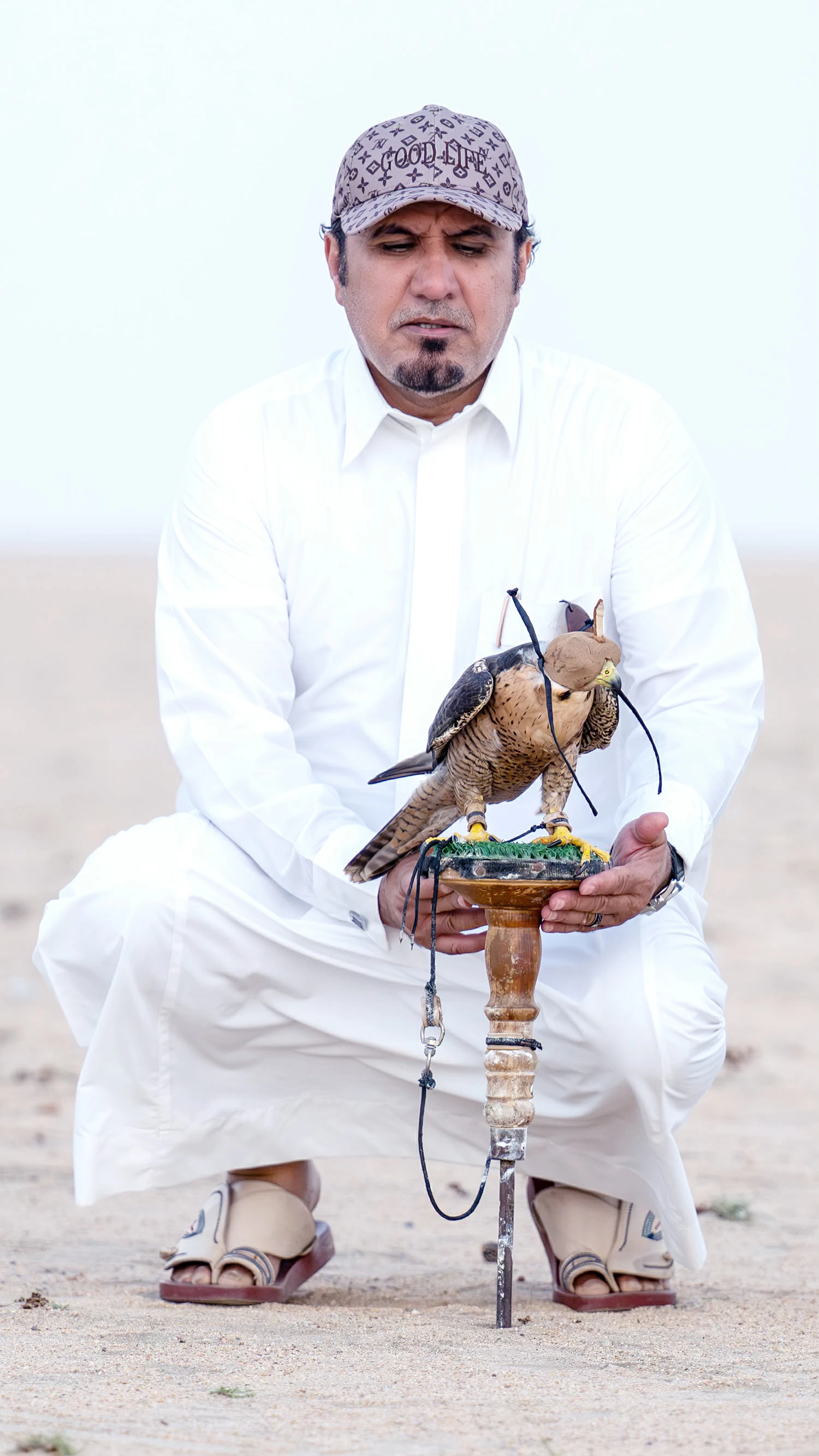
وأوضح الصقار تركي النفيعي، أن تدريب الصقر وتأهيله يمران بمراحل متعددة، تبدأ بتلبيسه البرقع، ثم ترويضه وتدريبه باستخدام «الملواح»، الذي يستخدم لتعليمه الاستجابة والانقضاض على الفريسة.
وأضاف، أن التدريب يجري في منطقة منبسطة، من خلال ربط الطعم بحبل، ويكون عادة من الحمام أو القمري أو السمان، ثم تحريكه في مسار دائري أو نصف دائري، حتى ينتبه الصقر إليه وينطلق نحوه، مستهدفاً الحصول على الطعام، وبذلك يتدرب على المطاردة والانقضاض.
وقد عبر الشاعر فلاح القرقاح عن علاقة الصقار بطيره وحرصه على استجابته للملواح، قائلاً:
ياليت الزمن طير يعود على الملواح
برده.. ولا أدري وش أرده على شانه.
وأشار عدد من الصقارين إلى ارتفاع أعداد الطيور المهاجرة القادمة من روسيا ومنغوليا والمناطق الباردة، التي تقطع مسافات طويلة قبل وصولها إلى الجانب الآخر من البحر، حيث يستقبلها الطواريح بأدوات الرصد والشباك والطعوم، أملاً في الظفر بصقور ذات مواصفات مميزة.
ملكية الصقر تحكمها الأعراف
من جانبه، أوضح الصقار محمد العتيبي، أن التعامل بين الطواريح في الصحراء يقوم على الاحترام المتبادل والالتزام بالأعراف المتعارف عليها، مبيناً أن الصقر يكون من نصيب أول من يشاهده، ويعلن ذلك عبر جهاز «الكنود»، أو باستخدام الإشارات الضوئية الخاصة بالسيارة.
وأضاف أن الصقار يستطيع طلب المساعدة من الآخرين للإسهام في الإمساك بالصقر، دون أن يترتب على ذلك اقتسام ملكيته، وهو عرف يعزز الثقة والتعاون بين المهتمين بهذه الهواية، ويحفظ لكل طارح حقه.
الأسعار تصل إلى مليون ريال
وتتفاوت أسعار «الوحوش» بحسب نوع الصقر وسلالته ولونه ومواصفاته، إلى جانب طول الجناحين والعنق، إذ تتراوح الأسعار وفقاً للصقارين بين 20 ألف ريال ومليون ريال، فيما تحدث بعضهم عن صفقات تتراوح قيمتها بين 50 ألفاً و380 ألف ريال.
ويقضي الطواريح والصقارون نحو 60 يوماً في رحلات بحث طويلة، يتنقلون خلالها بين المواقع الصحراوية والساحلية، مترقبين ظهور صقر يحقق تطلعاتهم، في رحلة تجمع بين الصبر والخبرة والمنافسة، وتظل نتيجتها مرتبطة بقدرتهم على الرصد وحسن التعامل مع الطيور.
ولا تقتصر قيمة المقناص على ما قد تحققه الصقور من عوائد مالية، بل تتجاوز ذلك إلى ما يجسده من موروث ثقافي متجذر في تاريخ الجزيرة العربية، وما يحمله من قيم الشهامة والتعاون والوفاء للأعراف، فضلاً عن الروابط الاجتماعية التي تجمع الصقارين، وتضمن استمرار هذه الهواية التي توارثتها الأجيال جيلاً بعد جيل.
The hunting season extends along the western coast, from south of Jeddah, passing through Al-Mujayrima, Al-Shuaiba, and Al-Qunfudhah, reaching the Al-Mawsim center in the Jazan region, where four-wheel-drive vehicles equipped with hunting tools, from communication devices and binoculars to nets and baits, are widespread. In the deserts, "Al-Izab" camps are distributed, gathering falconers from various regions of the Kingdom and Gulf countries, in arduous search trips for the "monster," a term used to refer to the falcon before it is tamed and trained.
These trips turn into gatherings that bring falconers together in an atmosphere of cooperation and exchange of experiences. After a long day of searching, they share stories about their experiences in the desert, while some end up selling the falcons they find or participating in regional competitions, benefiting from the support and attention provided by the Saudi Falcon Club, through quality services that contribute to serving falconry enthusiasts and preserving this rich heritage.
Tools for Observation and Monitoring
The falcon seekers, known as "Al-Tawarih," do not begin their journey until they prepare their tools that help them observe, track, and catch migratory birds. The "Kanood" device is among their most important tools, as they use it to communicate and determine who spots the falcon first. Meanwhile, the "Darbil" helps in observing and tracking birds from long distances, and "Al-Zarq" is used as bait to lure the falcon and trap it.
These birds come in collective migration trips from various regions, including Pakistan, Mongolia, Russia, and cold areas, covering long distances until they reach the western coasts, where the Al-Tawarih await them with nets, binoculars, and baits, in an attempt to catch a distinguished falcon.
It is customary among falconers that the ownership of the falcon belongs to the one who spots it first, while others assist in catching it, reflecting the spirit of cooperation and adherence to inherited traditions among them. When the "monster" is spotted, the falconer announces his sighting via the "Kanood" device, prompting others to offer assistance, without it meaning they share ownership of the falcon.
Falconers use "Al-Zarq" to lure the bird by offering bait of pigeon or quail, so that the falcon swoops down from above and becomes preoccupied with eating, allowing the Al-Tawarih the chance to catch it using nets, following precise methods that only experienced falconers master.
"Al-Faz'a" - A Call that Unites Falconers
Despite the geographical distance and diversity of falconers' regions between the north and south, east and west of the Kingdom, extending to the Gulf countries, the atmosphere of hunting reveals close ties that unite them, making it seem as if they are one family, sharing experiences and racing to offer help.
This spirit is evident when one of them calls out "Al-Faz'a" through the "Kanood" device, a familiar call among them to request assistance upon spotting a falcon or observing a "monster" coming from across the sea from other regions. At that moment, falconers respond to the call, in a scene that reflects the values of honor, cooperation, and respect for traditions that have settled among them.
Steps Towards Hunting
"Okaz" observed a part of the life of falconers through a field experience moving between the hills, accompanying the Al-Tawarih in their movements and training their birds, and learned about the methods of "Al-Hidd," a term used by falconers to describe training the falcon to attack the houbara and other birds, preparing it to acquire real diving skills in anticipation of hunting trips.
"Al-Milwah" - The First Steps of Training
Falconer Turki Al-Nufai said that training and preparing the falcon go through multiple stages, starting with putting on the hood, then taming and training it using the "Milwah," which is used to teach it to respond and swoop down on prey.
He added that training takes place in a flat area, by tying the bait with a rope, usually made of pigeon, turtledove, or quail, and then moving it in a circular or semi-circular path until the falcon notices it and flies towards it, aiming to get the food, thus training it on chasing and diving.
Poet Falah Al-Qarqah expressed the relationship between the falconer and his bird and his eagerness for it to respond to the Milwah, saying:
I wish time was a bird that returns to the Milwah
Its coolness... and I don't know what to return to its cause.
Several falconers noted the increasing numbers of migratory birds coming from Russia, Mongolia, and cold regions, which cover long distances before reaching the other side of the sea, where the Al-Tawarih welcome them with observation tools, nets, and baits, hoping to catch falcons with distinctive characteristics.
Falcon Ownership Governed by Traditions
For his part, falconer Mohammed Al-Otaibi explained that the interactions among the Al-Tawarih in the desert are based on mutual respect and adherence to recognized traditions, indicating that the falcon belongs to the first person who spots it and announces it via the "Kanood" device or using the car's light signals.
He added that a falconer can request help from others to assist in catching the falcon, without it resulting in sharing ownership, a custom that enhances trust and cooperation among those interested in this hobby and preserves each person's rights.
Prices Reach One Million Riyals
The prices of "monsters" vary according to the type of falcon, its lineage, color, and specifications, as well as the length of the wings and neck. According to falconers, prices range between 20,000 riyals and one million riyals, while some mentioned deals ranging from 50,000 to 380,000 riyals.
The Al-Tawarih and falconers spend about 60 days on long search trips, during which they move between desert and coastal sites, anticipating the appearance of a falcon that meets their aspirations, in a journey that combines patience, experience, and competition, with the outcome linked to their ability to observe and handle the birds well.
The value of hunting is not limited to the financial returns that falcons may yield, but extends to what it embodies as a cultural heritage deeply rooted in the history of the Arabian Peninsula, and the values of honor, cooperation, and loyalty to traditions, in addition to the social bonds that unite falconers, ensuring the continuity of this hobby that has been passed down through generations.