طالب مجلس الشورى جامعة أم القرى، بتضمين مواردها الذاتية العوائد المتحققة من استثماراتها في «شركة وادي مكة للتقنية»، وقياس أثرها على الاستدامة المالية للجامعة، وتعزيز فاعلية الكراسي العلمية من خلال توجيه جهودها نحو البحوث التطبيقية ضماناً لفاعلية مخرجاتها، وجذب الجهات التمويلية لأعمالها، وتحقيق تمايز كليات وبرامج الفروع عن المقر الرئيس بما يعزّز جاذبيتها.
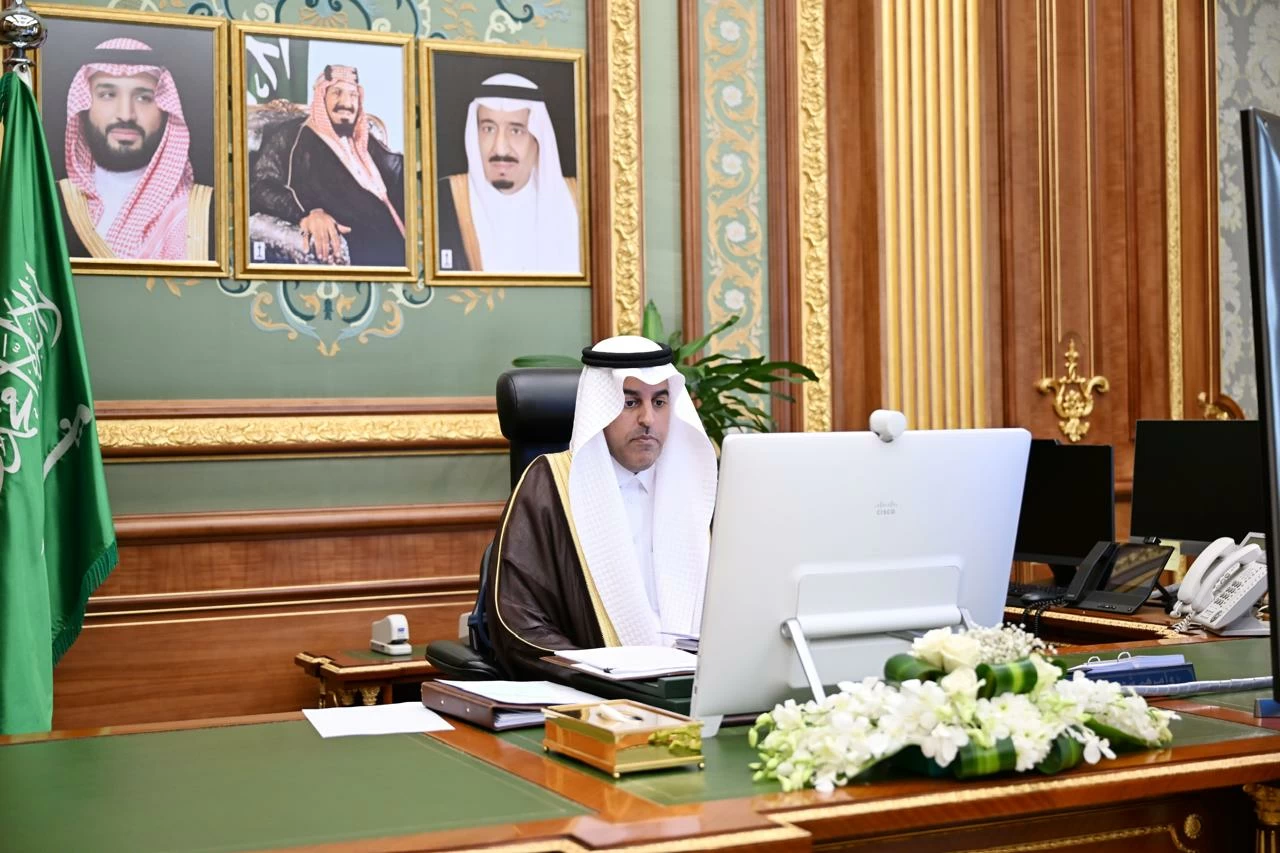
فيما طالب المجلس في جلسته العادية السابعة من أعمال السنة الثالثة للدورة التاسعة المنعقدة (عبر الاتصال المرئي) برئاسة نائب رئيس المجلس الدكتور مشعل فهم السُّلمي، جامعة جازان بوضع خطة لمعالجة تحديات الطلبة في التحصيل الدراسي من أجل استبقائهم، ولمؤشر توظيف الخريجين بما يحقق مستهدفاتها الأكاديمية، واستكمال توطين الوظائف الأكاديمية على رتبة محاضر بما يحقق المستهدفات الوطنية والأكاديمية.
وطالب جامعة جدة بتعزيز تنافسيتها وحضورها في التصنيفات الجامعية العالمية، وتطوير النموذج التشغيلي لفروعها بما يرفع كفاءتها التشغيلية وطاقتها الاستيعابية ويعزز دورها التنموي، ودراسة إنشاء مستشفى جامعي تعليمي بالشراكة مع القطاع الخاص بما يعزّز جودة المخرجات الصحية، ويرفع كفاءة التدريب السريري والبحث العلمي.
فيما دعا مركز المناطق الاقتصادية الخاصة بمدينة الرياض لاستكمال متطلبات اعتماد جهازه التنفيذي الدائم وتشكيله بما يمكّنه من الانتقال من مرحلة التأسيس إلى التنفيذ المؤسسي الفعّال، وإقرار نماذج وآليات تشاركية استثمارية مع القطاع الخاص لتمويل المناطق الاقتصادية الخاصة وتطويرها وتشغيلها بما يعزّز استدامتها المالية.
وطالب رئاسة الشؤون الدينية بالمسجد الحرام والمسجد النبوي بتطوير خطتها الإستراتيجية الشاملة تحقيقاً لأهدافها، والتوسع في عقد شراكات مع القطاعين الخاص وغير الربحي بما يسهم في تطوير مبادراتها، وحوكمة المبادرات التقنية التفاعلية المقدمة للمستفيدين بما يضمن دقة المعلومات وصحة ترجمتها.
وطالب المجلس مؤسسة حديقة الملك سلمان بالإسراع في استكمال الخطة التشغيلية الشاملة للحديقة بما يتضمن نموذج الحوكمة، والنموذج التشغيلي والمالي، ومؤشرات الأداء المستهدفة لمرحلة ما بعد الافتتاح، واستكمال وإقرار الإطار التنظيمي المتكامل لإدارة المكوّنات العقارية متعددة الملكية والاستخدامات ضمن مشروع الحديقة بما يتناسب مع حجم المشروع وطبيعته، والعمل على مواءمة التدفقات النقدية المخصصة للمشروع مع الحاجات الفعلية وخطط التنفيذ بما يضمن استمرارية الأعمال، وفق الجداول الزمنية المعتمدة، وإعداد خطة متكاملة للقوى العاملة، وتحديد الحاجات الوظيفية اللازمة لمراحل تنفيذ المشروع وتشغيله.
فيما ناقش المجلس التقرير السنوي لصندوق الشهداء والمصابين والأسرى والمفقودين، والتقرير السنوي للأكاديمية العالمية للسياحة، وأبدى أعضاء المجلس عدداً من الملاحظات والآراء بشأن ما تضمنه التقرير السنوي لصندوق الشهداء والمصابين والأسرى والمفقودين، والأكاديمية العالمية للسياحة.
وفي نهاية المناقشة طلبت اللجان منحها مزيداً من الوقت لدراسة ما طرحه الأعضاء من آراء ومقترحات أو توصيات والعودة بوجهات نظرها إلى المجلس في جلسات لاحقة.
النجار لـ«عكاظ»: على أكاديمية السياحة قياس أثرها الاقتصادي والاجتماعي
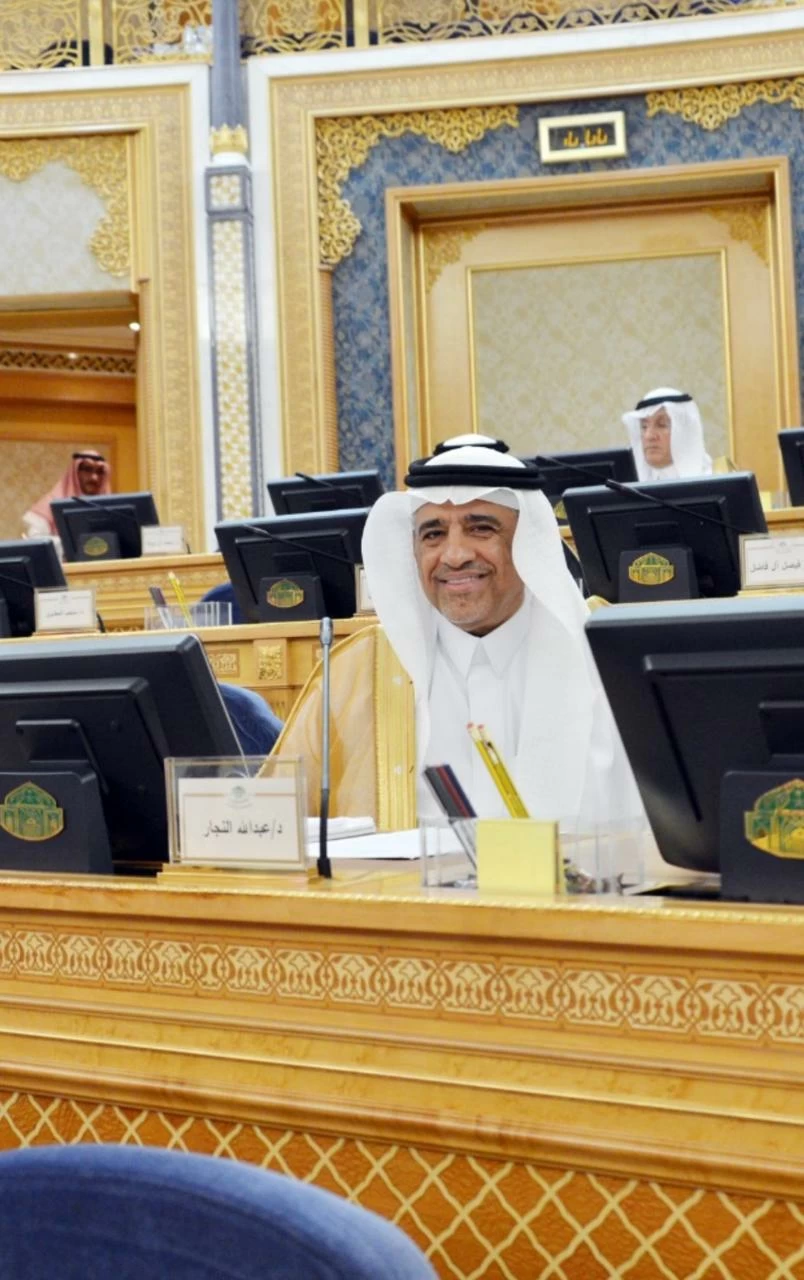
طالب عضو المجلس الدكتور عبدالله النجار، الأكاديمية العالمية للسياحة بإعداد إطار متكامل لقياس أثرها الاقتصادي والاجتماعي يتضمن توثيق منهجية توقعاتها وافتراضاتها والتحقق من واقعيتها وتحديد خطوط الأساس ومؤشرات الأداء والمستهدفات المرحلية وقياس النتائج الفعلية ومقارنتها بالتوقعات فور بدء التشغيل بما يدعم تقييم العائد على الاستثمار وتوجيه الموارد بكفاءة ويعزّز إسهام الأكاديمية في تحقيق مستهدفات الرؤية.
وعدّ النجار ما تقدّمه من فرص إستراتيجية لإعداد كوادر وطنية مؤهلة تواكب التوسع في المشاريع والوجهات السياحية بالمملكة، إسهاماً في رفع جودة الخدمات وتوطين الوظائف التخصصية والقيادية، ودعاها إلى الاستفادة من الدراسات التي استند إليها تصميم برامجها وتعزيزها بالمقارنات المرجعية مع المؤسسات المتخصصة محلياً وإقليمياً وعالمياً للتحقق من مدى مواءمة التخصصات والمناهج والمهارات المستهدفة للحاجات الحالية والمستقبلية لسوق العمل السعودي، مشيراً إلى أن نجاح الأكاديمية لا يقاس بعدد البرامج والطلاب فحسب بل بمدى قدرة مخرجاتها على تلبية حاجات القطاع السياحي في المملكة وشغل الوظائف النوعية. وطالبها بالتنسيق مع الجهات ذات العلاقة للاستمرار في مواءمة تخصصاتها ومناهجها ومخرجاتها مع حاجات سوق العمل السياحي الحالي في المملكة وتطويرها في ضوء المتغيرات والفجوات المهارية مع وضع مؤشرات لقياس توظيف الخريجين ومدى توافق مهاراتهم مع حاجات القطاع المتجددة بما يدعم كفاءة التوسع في الأكاديمية ومستهدفات رؤية المملكة 2030 في تنمية القدرات البشرية وتوطين الوظائف السياحية النوعية.
The Shura Council called on Umm Al-Qura University to include in its own resources the returns generated from its investments in "Makkah Valley for Technology," and to measure its impact on the university's financial sustainability, as well as to enhance the effectiveness of scientific chairs by directing their efforts towards applied research to ensure the effectiveness of their outputs, attract funding entities for its activities, and achieve differentiation for the colleges and branch programs from the main campus to enhance their attractiveness.
During its seventh ordinary session of the third year of the ninth term, held (via video conference) under the chairmanship of the Deputy Chairman of the Council, Dr. Mishaal Fahm Al-Sulami, the Council requested Jazan University to develop a plan to address the challenges faced by students in academic achievement to retain them, and to improve the employment index of graduates to achieve its academic targets, as well as to complete the localization of academic positions at the lecturer level to meet national and academic objectives.
The Council also urged Jeddah University to enhance its competitiveness and presence in global university rankings, to develop the operational model for its branches to increase their operational efficiency and capacity, and to strengthen its developmental role, as well as to study the establishment of a university teaching hospital in partnership with the private sector to enhance the quality of health outputs and improve clinical training and scientific research.
Meanwhile, the Special Economic Zones Center in Riyadh was called upon to complete the requirements for accrediting its permanent executive body and its formation to enable it to transition from the establishment phase to effective institutional execution, and to approve participatory investment models and mechanisms with the private sector to finance, develop, and operate the special economic zones to enhance their financial sustainability.
The Presidency of Religious Affairs at the Grand Mosque and the Prophet's Mosque was requested to develop its comprehensive strategic plan to achieve its goals, and to expand partnerships with the private and non-profit sectors to contribute to the development of its initiatives, and to govern the interactive technological initiatives provided to beneficiaries to ensure the accuracy of information and the correctness of its translation.
The Council urged the King Salman Park Foundation to expedite the completion of the comprehensive operational plan for the park, including the governance model, the operational and financial model, and the targeted performance indicators for the post-opening phase, as well as to complete and approve the integrated regulatory framework for managing the multi-ownership and usage real estate components within the park project in line with the size and nature of the project, and to align the cash flows allocated for the project with actual needs and implementation plans to ensure business continuity, according to the approved timelines, and to prepare a comprehensive workforce plan, identifying the necessary job requirements for the stages of project implementation and operation.
The Council discussed the annual report of the Martyrs, Injured, Prisoners, and Missing Fund, and the annual report of the Global Academy for Tourism, and members of the Council expressed several observations and opinions regarding the contents of the annual report of the Martyrs, Injured, Prisoners, and Missing Fund, and the Global Academy for Tourism.
At the end of the discussion, the committees requested more time to study the opinions, suggestions, or recommendations raised by the members and to return with their viewpoints to the Council in subsequent sessions.
Al-Najjar to "Okaz": The Tourism Academy must measure its economic and social impact
Council member Dr. Abdullah Al-Najjar called on the Global Academy for Tourism to prepare a comprehensive framework to measure its economic and social impact, which includes documenting the methodology of its forecasts and assumptions, verifying their reality, establishing baselines, performance indicators, and interim targets, and measuring actual results and comparing them with forecasts immediately upon starting operations to support the evaluation of return on investment and efficiently direct resources, enhancing the Academy's contribution to achieving the objectives of the Vision.
Al-Najjar considered what it offers as strategic opportunities to prepare qualified national cadres that keep pace with the expansion of projects and tourist destinations in the Kingdom, contributing to raising the quality of services and localizing specialized and leadership jobs. He urged it to benefit from the studies that informed the design of its programs and to strengthen them with benchmarking against specialized institutions locally, regionally, and globally to verify the alignment of specializations, curricula, and targeted skills with the current and future needs of the Saudi labor market, noting that the success of the Academy is not measured merely by the number of programs and students but by the extent to which its outputs meet the needs of the tourism sector in the Kingdom and fill quality jobs. He called for coordination with relevant entities to continue aligning its specializations, curricula, and outputs with the current needs of the tourism labor market in the Kingdom and to develop them in light of changes and skill gaps, while establishing indicators to measure graduate employment and the extent to which their skills align with the evolving needs of the sector, thereby supporting the efficiency of the Academy's expansion and the objectives of Vision 2030 in developing human capabilities and localizing quality tourism jobs.