


رصدت هيئة تطوير محمية الإمام عبدالعزيز بن محمد الملكية، خلال الربع الثالث من عام 2026م، ولادة 19 مولوداً جديداً من الكائنات الفطرية في محمية الإمام عبدالعزيز بن محمد الملكية ومحمية الملك خالد الملكية، شملت 16 مولوداً من ظبي الريم، ومولودين من المها العربي، ومولوداً واحداً من ظبي الإدمي، في مؤشر إيجابي على فاعلية جهود الهيئة في حماية الكائنات الفطرية وإعادة توطينها وتهيئة موائلها الطبيعية.
وأوضح رئيس قسم الحياة الفطرية بالهيئة، عبداللطيف العبدالوهاب، أن رصد المواليد جرى من خلال أعمال المتابعة الميدانية المستمرة وكاميرات الرصد المخصصة لمراقبة الحياة الفطرية، بما يمكّن الفرق المختصة من توثيق حالات التكاثر ومتابعة المواليد ورصد سلوك الأنواع في موائلها الطبيعية.
وأشار العبدالوهاب إلى أن تسجيل هذه المواليد يعكس تواصل عمليات التكاثر الطبيعي للكائنات الفطرية في المحميتين، وما توفرانه من بيئات ملائمة لتكاثر الأنواع واستمرارها، مؤكداً أهمية حماية الموائل الطبيعية في دعم استقرار مجموعات الكائنات الفطرية وتعزيز التنوع الأحيائي.
وتأتي هذه النتائج امتداداً لجهود الهيئة في حماية الكائنات الفطرية وإعادة توطينها، وتنمية موائلها الطبيعية، بما يسهم في المحافظة على التوازن البيئي واستدامة النظم البيئية، ويدعم مستهدفات رؤية السعودية 2030 في حماية البيئة والتنوع الأحيائي.
19 مولوداً للكائنات الفطرية في «محمية الإمام عبدالعزيز»
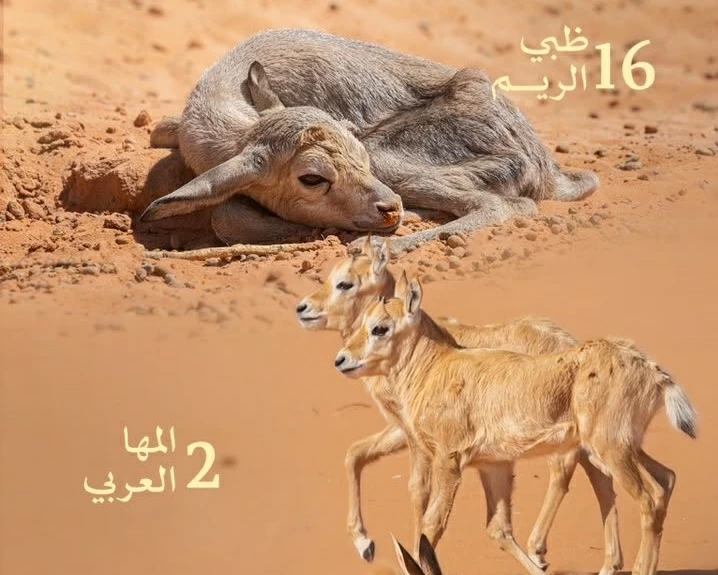


The Imam Abdulaziz bin Mohammed Royal Reserve Development Authority recorded the birth of 19 new wild animal offspring during the third quarter of 2026, including 16 offspring of the Arabian Oryx, two of the Arabian Gazelle, and one of the Edmi Gazelle, indicating a positive sign of the authority's effective efforts in protecting and reintroducing wild species and preparing their natural habitats.
The head of the Wildlife Department at the authority, Abdulatif Al-Abdulwahab, explained that the monitoring of births was conducted through ongoing field follow-up activities and dedicated monitoring cameras for observing wildlife, enabling specialized teams to document breeding cases, track the offspring, and observe species behavior in their natural habitats.
Al-Abdulwahab pointed out that the registration of these births reflects the continuity of natural breeding processes for wild species in the reserves and the suitable environments they provide for species reproduction and survival, emphasizing the importance of protecting natural habitats in supporting the stability of wild species populations and enhancing biodiversity.
These results are a continuation of the authority's efforts in protecting and reintroducing wild species and developing their natural habitats, contributing to the preservation of ecological balance and the sustainability of ecosystems, and supporting the objectives of Saudi Vision 2030 in protecting the environment and biodiversity.


