يأتي اعتماد الرابع من مارس من كل عام يوماً للمرأة الخليجية تأكيداً لمكانتها وإسهاماتها في مسيرة التنمية بدول مجلس التعاون لدول الخليج العربية، وتقديراً لدورها في المجالات الاجتماعية والاقتصادية والثقافية والعلمية والسياسية، وما حققته من إنجازات في التعليم والعمل والقيادة وصناعة القرار.
وجاء اعتماد المناسبة، بناءً على مقترح تقدمت به المملكة العربية السعودية، ممثلة في مجلس شؤون الأسرة، انطلاقاً من مبادرة بدأت من دولة الكويت، وذلك في إطار أعمال اللجنة الدائمة لشؤون المرأة بدول مجلس التعاون. وحظي المقترح بتوافق أعضاء اللجنة، ثم أقرّه وزراء الشؤون والتنمية الاجتماعية بدول المجلس في اجتماعهم المنعقد في 8 أكتوبر 2026.
وأكدت متحدثات من السعودية والكويت وقطر، في أحاديث إلى «عكاظ»، أن المناسبة تمثل فرصة لتجاوز الاحتفاء السنوي بالإنجازات إلى تقييم المكتسبات، ومناقشة التحديات، وتطوير التعاون الخليجي في مجال تمكين المرأة، واقترحن إنشاء مجلس أعلى للمرأة الخليجية، وتأسيس شبكات مهنية مشتركة، وإطلاق برامج لتأهيل القيادات النسائية الشابة.
مناسبة لتعزيز حضور المرأة
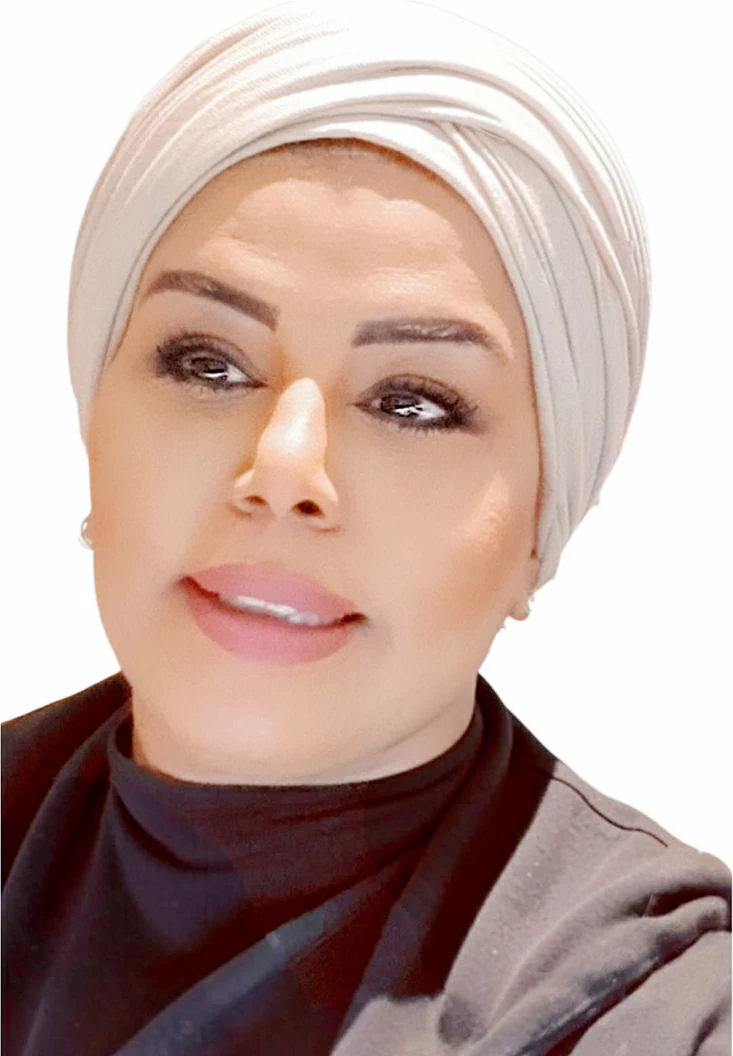
أكدت مديرة الإعلام البترولي بوزارة النفط الكويتية، الشيخة تماضر خالد الأحمد الجابر الصباح، أن اعتماد يوم للمرأة الخليجية يمثل محطة مهمة في مسيرة العمل الخليجي المشترك، وتقديراً لإسهامات المرأة في بناء مجتمعاتها ودعم التنمية. وأوضحت، أن أهمية المناسبة تنبع من انطلاقها بمبادرة كويتية حظيت بتوافق خليجي، بما يعكس الاهتمام المشترك بمكانة المرأة ودورها في نهضة دول المجلس. وشددت على أن قيمتها تتجاوز الاحتفاء السنوي إلى تحفيز تعزيز حضور المرأة في مواقع المسؤولية وصناعة المستقبل، باعتبارها ركيزة للتنمية بما تمتلكه من كفاءة وخبرة وقدرة على الإنجاز.وأشارت إلى أن رعاية القيادة السياسية في الكويت أسهمت في تعزيز مشاركة المرأة وإتاحة الفرص أمامها لتولي المسؤوليات في مختلف القطاعات، مستذكرة حصول المرأة الكويتية على حقوقها السياسية في الانتخاب والترشح في 16 مايو 2005، بوصفه إحدى أبرز المحطات في مسيرتها، وهو التاريخ الذي تحتفي فيه الكويت سنوياً بيوم المرأة الكويتية.
وأضافت الشيخة تماضر، أن هذا الدعم انعكس على اتساع حضور الكفاءات النسائية في المجالات الحكومية والاقتصادية والعلمية والإعلامية، مؤكدة أن الاستثمار في قدرات المرأة استثمار مباشر في مستقبل الوطن.وعن تجربتها المهنية، أعربت عن اعتزازها بالعمل في القطاع النفطي، موضحة أن العلاقات العامة والإعلام البترولي أتاحا لها الإسهام في التعريف بجهود القطاع، والتواصل مع المؤسسات، والمشاركة في قيادة المبادرات وتنفيذها.
واستعرضت جائزة «النفط تبتكر»، التي أكملت أربعة مواسم مع الاستعداد لإطلاق موسمها الخامس، إلى جانب تطوير الإعلام الرقمي في الوزارة عبر مجلة النفط الإلكترونية، ونشرة «نفطيات»، وبودكاست وزارة النفط، بهدف نشر الثقافة النفطية وتوسيع التواصل مع المجتمع.
وأكدت، أن التمكين لا يقتصر على إتاحة الفرص، بل يشمل منح الثقة والمسؤولية والمساحة اللازمة للإبداع، وأن معيار النجاح يتمثل في قيمة ما يقدمه الإنسان لوطنه.
ودعت إلى توظيف يوم المرأة الخليجية منصة سنوية لتبادل التجارب وقصص النجاح، وتشجيع المبادرات المهنية المشتركة، والاستفادة من الإعلام والمنصات الرقمية في التعريف بالتجارب النسائية، خصوصاً لدى الأجيال الشابة.
وشددت على أهمية توسيع حضور المرأة في القطاعات الإستراتيجية المرتبطة باقتصاد المستقبل، وفي مقدمتها الطاقة والتكنولوجيا والذكاء الاصطناعي والابتكار والتحول الرقمي، إلى جانب تعزيز مشاركتها في القيادة وصناعة القرار، وتوسيع التعاون بين المؤسسات الخليجية لتأهيل الكفاءات النسائية وإكساب الشابات المهارات اللازمة لهذه المجالات.
تنسيق الجهود وقياس الأثر
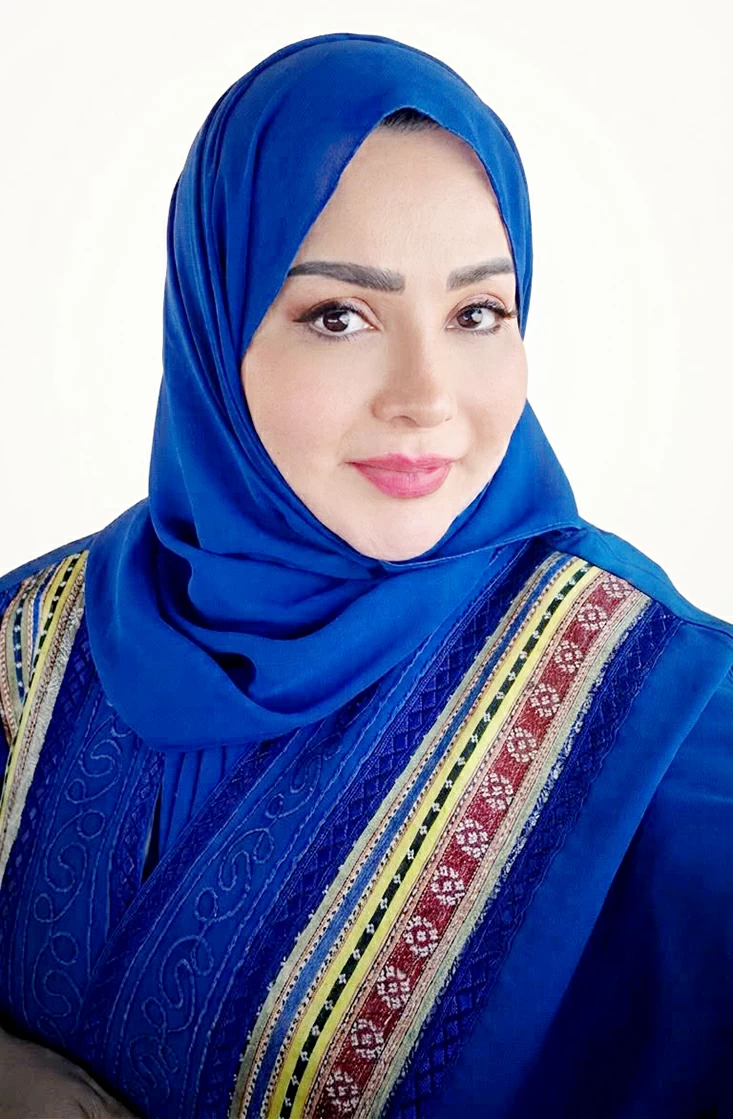
اقترحت المستشارة الكويتية للسعادة والإيجابية نجاة الحشاش، إنشاء مجلس أعلى للمرأة الخليجية، ليكون إطاراً مؤسسياً ينسق جهود الجهات المعنية بالمرأة، ويعزز التكامل بين المبادرات الوطنية والخليجية، ويعد الدراسات والتوصيات الداعمة لمشاركتها في القيادة وصناعة القرار.
وأكدت، في حديثها إلى «عكاظ»، أن تخصيص يوم للمرأة الخليجية يمثل تقديراً لمكانتها وإسهاماتها في التعليم والصحة والاقتصاد والعمل الاجتماعي والثقافي والإنساني، داعية إلى تحويل المناسبة إلى محطة سنوية لتقييم المكتسبات ورصد التحديات واستشراف الفرص.
وقالت: إن نجاح المرأة ينعكس على المجتمع بأسره، وإن كفاءاتها وخبراتها وقدراتها الإبداعية تمثل ثروة وطنية وإنسانية، مشيرة إلى قدرتها على الجمع بين الاعتزاز بالهوية والقيم ومواكبة متطلبات العصر.
واستعرضت تجربة المرأة الكويتية، مؤكدة أن دعم القيادة السياسية أسهم في توسيع مشاركتها في العمل السياسي والدبلوماسي والاقتصادي والإعلامي والاجتماعي، وأن حصولها على حقوقها السياسية عام 2005، أتاح لها المشاركة في الانتخاب والترشح لمجلس الأمة.
ورأت، أن التمكين يتطلب الاستثمار في المهارات وتوفير بيئة مؤسسية عادلة تقدر الكفاءة والخبرة وتدعم الابتكار. وربطت بين تمكين المرأة وتعزيز جودة الحياة والصحة النفسية والاجتماعية، مؤكدة أهمية مساعدتها على تحقيق التوازن بين طموحاتها المهنية ومسؤولياتها الأسرية والمجتمعية.
وأضافت، أن المرحلة القادمة تتطلب توسيع تأثير المرأة من خلال مشاركتها في صياغة السياسات وقيادة المشاريع التنموية وابتكار الحلول للتحديات الاقتصادية والاجتماعية.
ودعت إلى تأسيس شبكة خليجية للقيادات النسائية والخبرات المتخصصة، تتولى إطلاق مبادرات مشتركة وتقديم دراسات وتوصيات لصناع القرار، وتعزيز التعاون في ملفات العمل وريادة الأعمال والحماية الاجتماعية والصحة والتوازن بين الحياة المهنية والأسرية.
وأوضحت، أن الاستفادة من التجارب التشريعية والسياسات الداعمة للمرأة لا تعني توحيدها بصورة مطلقة، بل تبادل الخبرات مع مراعاة خصوصية كل دولة ونظامها القانوني والاجتماعي.
وفي تفصيل مقترح المجلس، أشارت إلى إمكانية أن يضم ممثلات عن المؤسسات الرسمية المعنية بالمرأة، وخبيرات في المجالات السياسية والاقتصادية والاجتماعية والأكاديمية والإعلامية، إلى جانب ممثلات عن مؤسسات المجتمع المدني والجمعيات النسائية.
واقترحت، أن يتولى المجلس إعداد دراسات دورية عن واقع المرأة الخليجية، ورصد التحديات والفرص، وقياس أثر السياسات والمشاريع، وإعداد إستراتيجية خليجية استرشادية تتضمن أولويات واضحة ومؤشرات قابلة للقياس.
وأكدت، أن الهدف يتمثل في بناء منظومة مستدامة تحول الإنجازات الفردية إلى مكتسبات جماعية، وتمنح التعاون النسائي الخليجي أثراً يتجاوز المناسبات والفعاليات المؤقتة.
فتح آفاق لتطوير القدرات
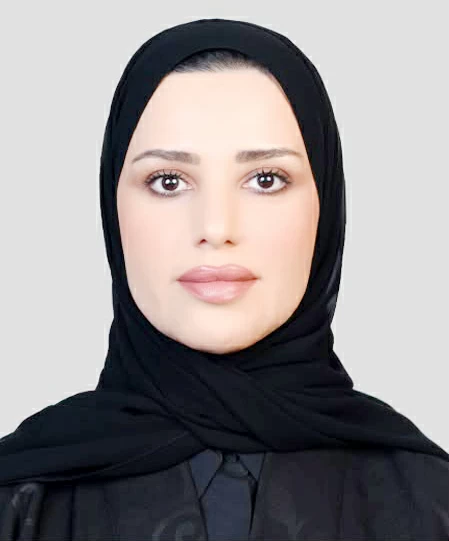
أكدت الخبيرة الإعلامية في وكالة الأنباء القطرية (قنا)، خديجة حسين عبدالله، أن تخصيص يوم للمرأة الخليجية يتيح إبراز إسهاماتها في نهضة المنطقة، ويوفر فرصة لتبادل الخبرات وطرح الأفكار وتطوير القدرات المهنية.
وقالت: إن المرأة الخليجية شريك أساسي في التنمية، وإن تخصيص مناسبة مشتركة لها يفتح المجال أمام مبادرات تخدم مجتمعات دول المجلس وتعزز حضور كفاءاتها.
وعن التجربة القطرية، أشارت إلى الاهتمام بتأهيل المرأة وتدريبها وتطوير مهاراتها، والاستفادة من التجارب المحلية والخليجية والعربية والدولية، مؤكدة أن هذا الدعم أسهم في تعزيز حضورها في مواقع القيادة وصناعة القرار.
وأضافت، أن رؤية قطر الوطنية 2030، تدعم تمكين المرأة ضمن مسار التنمية الاجتماعية، وتعزيز فرصها في التعليم والعمل، لافتة إلى حضور المرأة القطرية في المناصب الوزارية والعمل الدبلوماسي ومختلف الميادين التنموية.
وعلى الصعيد المهني، أوضحت، أن المناخ الداعم أتاح لها فرصاً في العمل الإعلامي والتدريبي، وأسهم في تراكم خبراتها ونقلها إلى موظفين في قطاعات مختلفة من خلال التدريب وتطوير المهارات.
وشددت على أن التواصل بين نساء دول مجلس التعاون ضرورة لتبادل المعارف وتقريب وجهات النظر والاستفادة من التجارب الناجحة وبناء شراكات عملية.
ورأت، أن يوم المرأة الخليجية يمكن أن يشكل منصة لتنسيق الرؤى والخطط المتعلقة بالقضايا والمشاريع المشتركة، وتأسيس شبكات تواصل بين الكفاءات النسائية، معربة عن أملها في أن تترجم المناسبة إلى تعاون يستجيب لطموحات المرأة ويوسع مشاركتها في التنمية وصناعة المستقبل.
عمل خليجي مشترك
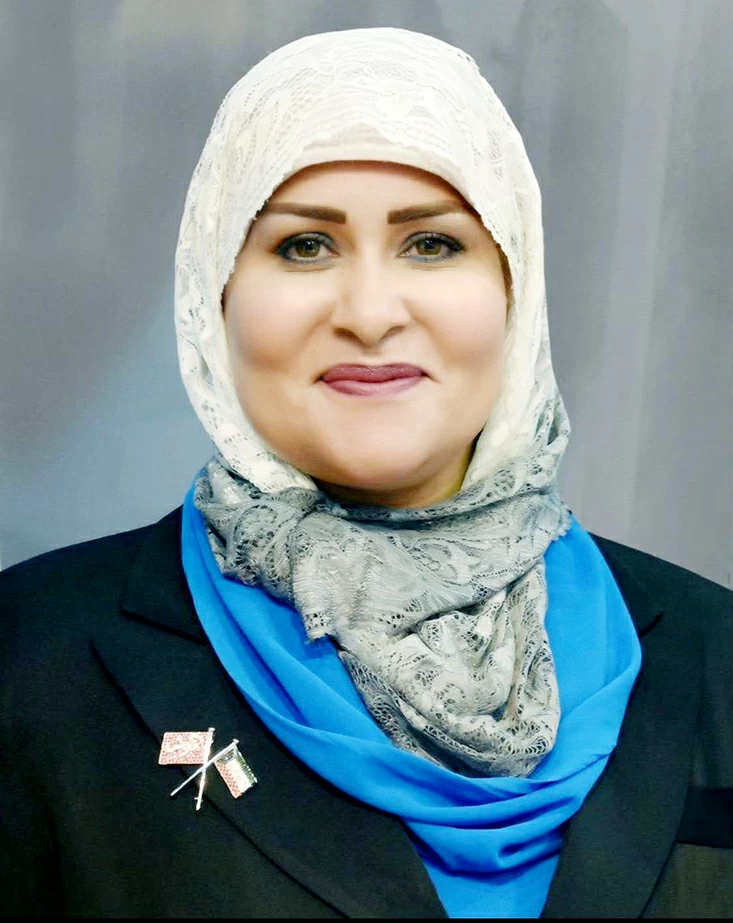
كدت المستشارة السعودية في العلاقات العامة والتبادل الثقافي نورة الشعبان، أن اعتماد يوم للمرأة الخليجية يجسد الثقة بقدرات الكفاءات النسائية، ويوثق دورها شريكاً إستراتيجياً في التنمية المستدامة وصناعة القرار.
ورأت، أن المناسبة تعكس انتقالاً من مرحلة التمكين إلى توسيع التأثير القيادي في القطاعات الاقتصادية والتنموية، مشيرة إلى أن الدعم المؤسسي في المملكة أتاح للمرأة الأدوات اللازمة لتحويل طموحاتها إلى نتائج ملموسة. واستعرضت تجربتها المهنية في التعليم وسوق العمل ومجلس الشورى والتبادل الثقافي والبرلماني، قائلة: «من التعليم تعلمت كيف نصنع الإنسان، ومن سوق العمل تعلمت كيف نصنع القيمة، ومن مجلس الشورى تعلمت كيف نصنع الأثر، ومن التبادل الثقافي والبرلماني تعلمت كيف نبني الجسور بين الشعوب».
وأوضحت، أن هذا التراكم المعرفي والمهني جاء ثمرة بيئة تدعم مشاركة المرأة وتطوير قدراتها، مؤكدة أهمية استثمار اليوم الخليجي في تبادل الخبرات ونقل النجاحات الفردية إلى عمل مؤسسي مشترك. وشددت على أهمية استعراض أفضل الممارسات وتأسيس شراكات بين الكفاءات النسائية في دول المجلس، بما يعزز حضور المرأة الخليجية إقليمياً ودولياً، ويتيح للأجيال القادمة الاستفادة من التجارب الناجحة.
وأعربت عن تطلعها إلى أن تكون المرأة الخليجية في طليعة القيادات في مشاريع الابتكار والاستدامة، بما يتماشى مع مستهدفات رؤية السعودية 2030 والرؤى التنموية الخليجية، وأن تقدم نموذجاً قيادياً يجمع الاحترافية والاعتزاز بالهوية الثقافية، ويثبت أثره بالأرقام والنتائج.
The adoption of March 4th each year as Gulf Women's Day reaffirms their status and contributions to the development journey in the Gulf Cooperation Council (GCC) countries, and recognizes their role in social, economic, cultural, scientific, and political fields, as well as the achievements they have made in education, work, leadership, and decision-making.
The occasion was established based on a proposal submitted by the Kingdom of Saudi Arabia, represented by the Family Affairs Council, stemming from an initiative that began in the State of Kuwait, as part of the work of the Permanent Committee for Women’s Affairs in the GCC. The proposal received consensus from the committee members and was then approved by the Ministers of Social Affairs and Development in the Council countries during their meeting held on October 8, 2026.
Spokeswomen from Saudi Arabia, Kuwait, and Qatar confirmed in interviews with "Okaz" that the occasion represents an opportunity to move beyond the annual celebration of achievements to evaluate gains, discuss challenges, and develop Gulf cooperation in the field of women's empowerment. They suggested establishing a Supreme Council for Gulf Women, creating joint professional networks, and launching programs to qualify young female leaders.
An occasion to enhance women's presence
The Director of Petroleum Media at the Kuwaiti Ministry of Oil, Sheikha Tamader Khalid Al-Ahmed Al-Jaber Al-Sabah, stated that the adoption of a day for Gulf women represents an important milestone in the journey of joint Gulf work, acknowledging women's contributions to building their communities and supporting development. She explained that the significance of the occasion stems from its initiation through a Kuwaiti initiative that received Gulf consensus, reflecting the shared interest in the status of women and their role in the renaissance of the Council countries. She emphasized that its value goes beyond annual celebration to stimulate the enhancement of women's presence in positions of responsibility and future-making, considering them a cornerstone for development due to their competence, experience, and ability to achieve. She noted that the support of political leadership in Kuwait has contributed to enhancing women's participation and providing opportunities for them to assume responsibilities in various sectors, recalling that Kuwaiti women gained their political rights to vote and run for office on May 16, 2005, which is one of the most prominent milestones in their journey, and it is the date on which Kuwait annually celebrates Kuwaiti Women's Day.
Sheikha Tamader added that this support has reflected on the widening presence of female competencies in governmental, economic, scientific, and media fields, affirming that investing in women's capabilities is a direct investment in the future of the nation. Regarding her professional experience, she expressed pride in working in the oil sector, explaining that public relations and petroleum media have allowed her to contribute to raising awareness about the sector's efforts, communicate with institutions, and participate in leading and implementing initiatives.
She reviewed the "Oil Innovates" award, which has completed four seasons and is preparing to launch its fifth season, in addition to developing digital media in the ministry through the electronic oil magazine, the "Neftiyat" newsletter, and the Ministry of Oil podcast, aiming to spread oil culture and expand communication with the community.
She affirmed that empowerment is not limited to providing opportunities but also includes granting trust, responsibility, and the necessary space for creativity, and that the measure of success lies in the value of what a person contributes to their country.
She called for utilizing Gulf Women's Day as an annual platform for exchanging experiences and success stories, encouraging joint professional initiatives, and benefiting from media and digital platforms to highlight women's experiences, especially among young generations.
She emphasized the importance of expanding women's presence in strategic sectors related to the economy of the future, foremost among them energy, technology, artificial intelligence, innovation, and digital transformation, as well as enhancing their participation in leadership and decision-making, and expanding cooperation between Gulf institutions to qualify female competencies and equip young women with the necessary skills for these fields.
Coordinating efforts and measuring impact
Kuwaiti Advisor for Happiness and Positivity Najat Al-Hashash proposed establishing a Supreme Council for Gulf Women to serve as an institutional framework that coordinates the efforts of entities concerned with women, enhances integration between national and Gulf initiatives, and prepares studies and recommendations supporting their participation in leadership and decision-making.
In her conversation with "Okaz," she affirmed that dedicating a day for Gulf women represents an acknowledgment of their status and contributions in education, health, economy, social, cultural, and humanitarian work, calling for transforming the occasion into an annual station for evaluating gains, monitoring challenges, and anticipating opportunities.
She stated that women's success reflects on society as a whole, and that their competencies, experiences, and creative abilities represent a national and human wealth, noting their ability to combine pride in identity and values with meeting the demands of the era.
She reviewed the experience of Kuwaiti women, affirming that the support of political leadership has contributed to expanding their participation in political, diplomatic, economic, media, and social work, and that their gaining of political rights in 2005 allowed them to participate in elections and run for the National Assembly.
She viewed that empowerment requires investing in skills and providing a fair institutional environment that values competence and experience and supports innovation. She linked women's empowerment to enhancing quality of life and mental and social health, emphasizing the importance of helping them achieve a balance between their professional ambitions and family and community responsibilities.
She added that the upcoming phase requires expanding women's influence through their participation in policy formulation, leading development projects, and innovating solutions to economic and social challenges.
She called for establishing a Gulf network for female leaders and specialized experts to launch joint initiatives and provide studies and recommendations for decision-makers, and to enhance cooperation in the fields of work, entrepreneurship, social protection, health, and balancing professional and family life.
She clarified that benefiting from legislative experiences and policies supporting women does not mean unifying them absolutely, but rather exchanging experiences while considering the uniqueness of each country and its legal and social system.
In detailing the proposal for the council, she indicated that it could include representatives from official institutions concerned with women, experts in political, economic, social, academic, and media fields, as well as representatives from civil society organizations and women's associations.
She proposed that the council prepare periodic studies on the reality of Gulf women, monitor challenges and opportunities, measure the impact of policies and projects, and prepare a guiding Gulf strategy that includes clear priorities and measurable indicators.
She affirmed that the goal is to build a sustainable system that transforms individual achievements into collective gains, granting Gulf women's cooperation an impact that transcends temporary occasions and events.
Opening avenues for capacity development
Media expert at the Qatari News Agency (QNA), Khadija Hussein Abdullah, stated that dedicating a day for Gulf women allows for highlighting their contributions to the region's renaissance and provides an opportunity for exchanging experiences, generating ideas, and developing professional capacities.
She said that Gulf women are essential partners in development, and that dedicating a joint occasion for them opens the door for initiatives that serve the communities of the Council countries and enhance the presence of their competencies.
Regarding the Qatari experience, she pointed to the focus on qualifying, training, and developing women's skills, benefiting from local, Gulf, Arab, and international experiences, affirming that this support has contributed to enhancing their presence in leadership positions and decision-making.
She added that Qatar's National Vision 2030 supports women's empowerment within the framework of social development and enhances their opportunities in education and work, noting the presence of Qatari women in ministerial positions, diplomatic work, and various developmental fields.
On the professional front, she explained that the supportive environment has provided her with opportunities in media and training work, contributing to the accumulation of her experiences and transferring them to employees in various sectors through training and skill development.
She emphasized that communication among women in the GCC countries is essential for exchanging knowledge, bridging perspectives, benefiting from successful experiences, and building practical partnerships.
She viewed that Gulf Women's Day could serve as a platform for coordinating visions and plans related to common issues and projects, and establishing communication networks among female competencies, expressing her hope that the occasion translates into cooperation that responds to women's aspirations and expands their participation in development and future-making.
Joint Gulf work
Saudi Advisor in Public Relations and Cultural Exchange, Noura Al-Shaaban, affirmed that the adoption of a day for Gulf women embodies confidence in the capabilities of female competencies and solidifies their role as a strategic partner in sustainable development and decision-making.
She viewed that the occasion reflects a transition from the stage of empowerment to expanding leadership influence in economic and developmental sectors, noting that institutional support in the Kingdom has provided women with the necessary tools to transform their ambitions into tangible results. She reviewed her professional experience in education, the labor market, the Shura Council, and cultural and parliamentary exchange, saying: "From education, I learned how to create a person; from the labor market, I learned how to create value; from the Shura Council, I learned how to create impact; and from cultural and parliamentary exchange, I learned how to build bridges between peoples."
She clarified that this accumulated knowledge and professional experience has come as a result of an environment that supports women's participation and develops their capabilities, emphasizing the importance of investing in the Gulf Day to exchange experiences and transfer individual successes to joint institutional work. She stressed the importance of showcasing best practices and establishing partnerships among female competencies in the Council countries, which enhances the regional and international presence of Gulf women and allows future generations to benefit from successful experiences.
She expressed her aspiration for Gulf women to be at the forefront of leadership in innovation and sustainability projects, in line with the targets of Saudi Vision 2030 and Gulf developmental visions, and to present a leadership model that combines professionalism and pride in cultural identity, demonstrating its impact through numbers and results.