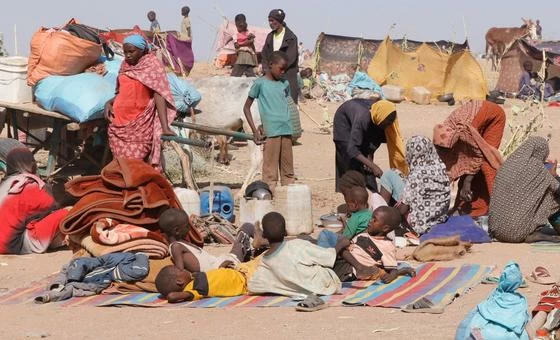
كشفت شهادات ناجين من مدينة الفاشر السودانية جانباً من المأساة التي عاشها المدنيون خلال حصار امتد 18 شهراً، وانتهى بهجوم دموي وسيطرة قوات الدعم السريع على المدينة في أكتوبر 2025، وسط روايات عن عمليات قتل وانتهاكات رافقت سقوط عاصمة ولاية شمال دارفور.
وسلّط وثائقي «دماء على رمال الفاشر»، الذي عرضته قناة «العربية» بالتزامن مع الذكرى الأولى للمجزرة، الضوء على معاناة السكان، مستنداً إلى شهادات ناجين يستعيدون تفاصيل الحصار ومحاولات الفرار وما واجهوه خلال تلك المرحلة الدامية.
18 شهراً من المعاناة
تحولت الحياة في الفاشر، خلال أشهر الحصار، إلى صراع يومي من أجل البقاء، مع تراجع الإمدادات وصعوبة الحصول على الغذاء والاحتياجات الأساسية، فيما واجه السكان مخاطر متزايدة مع استمرار المواجهات وتضييق طرق الخروج من المدينة.
ومع الهجوم الأخير في أواخر أكتوبر 2025، تفاقمت المأساة، إذ واجه المدنيون مخاطر القتل والاحتجاز والانتهاكات أثناء محاولاتهم النجاة والوصول إلى مناطق أكثر أمناً.
شهادات تكشف ما جرى
وأعاد الوثائقي تسليط الضوء على روايات الناجين بشأن ما شهدته المدينة خلال سقوطها، مقدماً شهاداتهم بوصفها نافذة على حجم المعاناة التي تعرض لها المدنيون، وما خلفته الأحداث من خسائر إنسانية ونفسية.
ولا تقتصر خطورة ما جرى على سقوط الضحايا، بل تمتد إلى مصير المفقودين والعائلات التي تفرقت خلال الهروب، فضلاً عن الآثار التي خلفها النزوح القسري والخوف على الناجين.
حصيلة دامية ومطالب بالمحاسبة
وتعزز التقارير الحقوقية حجم المخاوف بشأن الانتهاكات التي شهدتها الفاشر؛ إذ وثق مكتب الأمم المتحدة لحقوق الإنسان مقتل أكثر من 6 آلاف شخص خلال الأيام الثلاثة الأولى من الهجوم النهائي على المدينة، وفق تقرير صدر في فبراير 2026.
وأشار التقرير الأممي إلى انتهاكات شملت القتل خارج نطاق القانون والعنف الجنسي والاختطاف والتعذيب والاحتجاز، مع دعوات إلى إجراء تحقيقات مستقلة ومحاسبة المسؤولين عن الجرائم المرتكبة.
وبعد مرور عام على سقوط الفاشر، تظل شهادات الناجين والتوثيقات الحقوقية جزءاً أساسياً من الجهود الرامية إلى كشف حقيقة ما حدث، وتحديد المسؤوليات، وضمان عدم إفلات المتورطين في الانتهاكات من المحاسبة.
Survivor testimonies from the Sudanese city of El Fasher revealed a glimpse of the tragedy experienced by civilians during an 18-month siege, which culminated in a bloody attack and the takeover of the city by the Rapid Support Forces in October 2025, amid accounts of killings and violations accompanying the fall of the capital of North Darfur state.
The documentary "Blood on the Sands of El Fasher," aired by Al Arabiya channel coinciding with the first anniversary of the massacre, highlighted the suffering of the residents, relying on survivor testimonies that recount the details of the siege, attempts to escape, and what they faced during that bloody period.
18 Months of Suffering
Life in El Fasher turned into a daily struggle for survival during the months of the siege, with dwindling supplies and difficulty obtaining food and basic necessities, while residents faced increasing dangers as confrontations continued and exit routes from the city were narrowed.
With the recent attack in late October 2025, the tragedy worsened, as civilians faced the risks of killing, detention, and violations while trying to escape and reach safer areas.
Testimonies Reveal What Happened
The documentary shed light on the survivors' accounts regarding what the city experienced during its fall, presenting their testimonies as a window into the extent of the suffering endured by civilians, and the human and psychological losses left in the wake of the events.
The danger of what occurred is not limited to the loss of lives, but extends to the fate of the missing and families that were separated during the escape, in addition to the consequences of forced displacement and the fear for the survivors.
A Bloody Toll and Calls for Accountability
Human rights reports reinforce the magnitude of concerns regarding the violations witnessed in El Fasher; the United Nations Office of the High Commissioner for Human Rights documented the killing of more than 6,000 people during the first three days of the final attack on the city, according to a report released in February 2026.
The UN report indicated violations that included extrajudicial killings, sexual violence, abduction, torture, and detention, with calls for independent investigations and accountability for those responsible for the committed crimes.
One year after the fall of El Fasher, survivor testimonies and human rights documentation remain an essential part of efforts to uncover the truth of what happened, determine responsibilities, and ensure that those involved in the violations do not escape accountability.