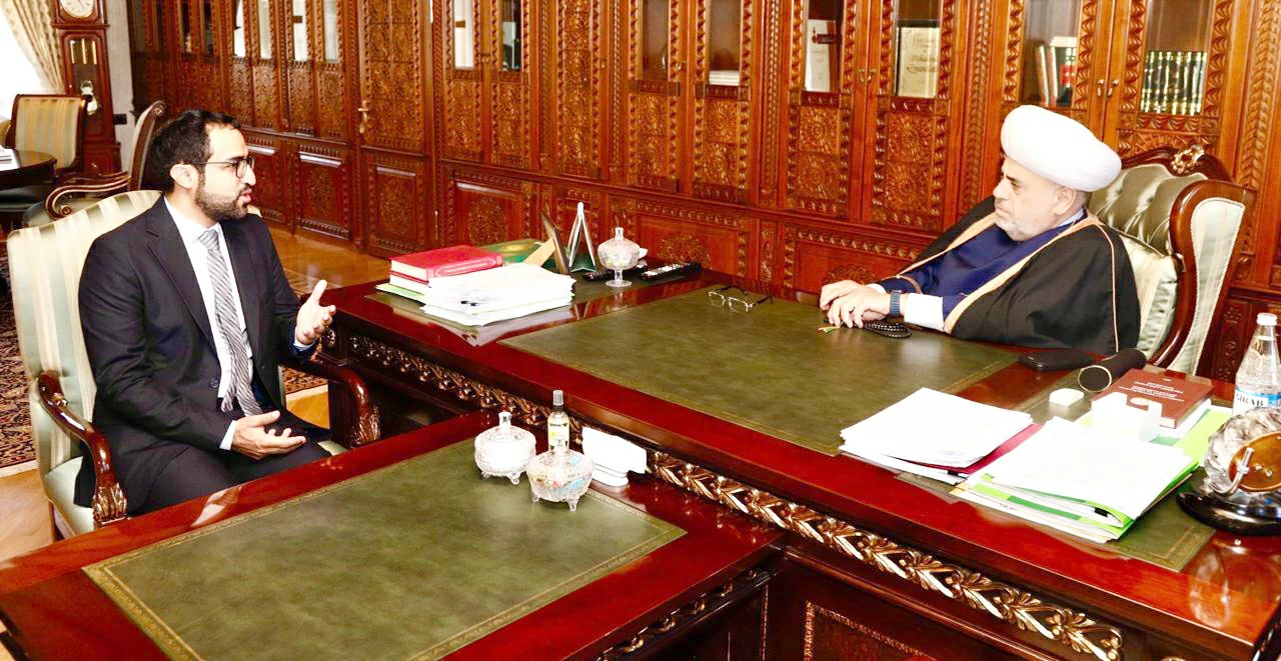
أكد رئيس إدارة مسلمي القوقاز، شيخ الإسلام الله شكر باشازادة، أن مواقف المملكة العربية السعودية تجاه أذربيجان تحظى بتقدير راسخ لدى الشعب الأذربيجاني، مشيراً إلى أن العلاقات بين البلدين تستند إلى روابط دينية وتاريخية عميقة، ومواقف أخوية أثبتتها الظروف الصعبة. وقال باشازادة، في حديثه إلى «عكاظ»: إن العلاقات السعودية ـ الأذربيجانية تاريخية تمتد قروناً، ويشكّل الإسلام ركيزة أساسية لها، مبيناً أن زيارة مكة المكرمة والمدينة المنورة وأداء فريضة الحج تمثل أمنية غالية لدى المسلمين في أذربيجان، فيما يسكن حب الحرمين الشريفين قلوبهم.
وأوضح، أن العلاقات بين البلدين تشهد تطوراً في مختلف المجالات السياسية والاقتصادية والدينية والثقافية، مستندة إلى قيم مشتركة وروابط أخوية عميقة، وتحظى بمكانة خاصة لدى الشعب الأذربيجاني، الذي يعتز بما يجمعه بالشعب السعودي من محبة وتضامن. واستعاد باشازادة ذكريات زيارته الأولى إلى المملكة قبل نحو 50 عاماً، عندما كانت أذربيجان تحت الحكم السوفييتي، قائلاً: إنه يحمل منذ ذلك الوقت ذكريات جميلة عن المملكة، وعاصر تطورها وشهد التحولات النوعية التي مرت بها على مدى العقود الماضية. وأشار إلى أنه تشرف بلقاء ملوك المملكة الراحلين خالد وفهد وعبدالله، كما تشرف بلقاء خادم الحرمين الشريفين الملك سلمان بن عبدالعزيز، في مناسبات عدة.
وأضاف، أن من ذكرياته العزيزة أداء مناسك العمرة بصحبة الزعيم الأذربيجاني الراحل حيدر علييف، ثم مع رئيس جمهورية أذربيجان إلهام علييف.
مواقف لا تنسى
وأكد رئيس إدارة مسلمي القوقاز، أن الشعب الأذربيجاني يتذكر بتقدير كبير وقوف المملكة إلى جانب بلاده في أوقات عصيبة، مشيراً إلى أنه عندما هاجم الجيش السوفييتي مدينة باكو عام 1990، وسقط عدد كبير من الضحايا المدنيين، قدمت المملكة دعماً معنوياً وإمدادات طبية للجرحى ومساعدات إغاثية، كما أهدت، بعد انهيار النظام الشيوعي، آلاف النسخ من القرآن الكريم للمسلمين في أذربيجان. وأضاف، أن الشعب الأذربيجاني يقدّر كذلك موقف المملكة الداعم لأذربيجان ووحدة أراضيها خلال سنوات النزاع مع أرمينيا، مؤكداً أن هذه المواقف باقية في الذاكرة، ومعبراً عن الامتنان للقيادة السعودية والشعب السعودي على ما أبدوه من تضامن وأخوّة صادقة.
خدمات متطورة للحجاج
وأشاد باشازادة بما توليه المملكة من اهتمام بالحجاج الأذربيجانيين، موضحاً أن الخدمات المقدمة لضيوف الرحمن شهدت تطوراً متسارعاً، خصوصاً خلال السنوات الأخيرة، مع توظيف التقنيات الحديثة لتسهيل الإجراءات وتحسين تجربة الحاج والمعتمر. وقال: إن هذا التطور يبدأ منذ مرحلة التسجيل ويمتد إلى مختلف مراحل رحلة الحج والعمرة، بما يعزز طمأنينة الحجاج ورضاهم عن الخدمات المقدمة، مثمناً العناية التي يحظون بها في ظل قيادة خادم الحرمين الشريفين وولي عهده رئيس مجلس الوزراء الأمير محمد بن سلمان. وأشار إلى أن المملكة تضطلع بمهمة عظيمة في استقبال ضيوف الرحمن القادمين من مختلف أنحاء العالم، وتنظيم حركتهم وخدمتهم بما يحقق سلامتهم وراحتهم، مبيناً أن ما تشهده مواسم الحج من جهود يعكس عناية المملكة بهذه المهمة وكفاءتها وقدرتها على التعامل مع مختلف التحديات.
تعاون ديني لمواجهة الكراهية
وعن التعاون بين المؤسسات الدينية في البلدين، قال باشازادة، إن أذربيجان تعتز بعلاقاتها مع المؤسسات الدينية السعودية، وتشارك، بدعوات من وزارة الشؤون الإسلامية والدعوة والإرشاد، ووزارة الحج والعمرة، ورابطة العالم الإسلامي، في فعاليات دولية داخل المملكة وخارجها، كما تستضيف وفوداً سعودية في أذربيجان. وأوضح، أن التعاون يتركز على تحقيق الوحدة الإسلامية، وتعزيز الحوار بين الأديان، ومواجهة «الإسلاموفوبيا»، إلى جانب نشر الاعتدال والوسطية والتصدي للتطرف وخطاب الكراهية. وأضاف، أن المملكة وأذربيجان تؤديان دوراً بارزاً في هذه المجالات من خلال المبادرات والفعاليات والعمل المشترك في المحافل الدولية، بما يعزز قيم التسامح والتعايش والاحترام المتبادل، ويدعم التعاون بين الشعوب وأتباع الأديان، وينشر قيم الإسلام الداعية إلى السلام والاعتدال. وأكد أن المؤسسات المعنية في البلدين تعمل على مواجهة «الإسلاموفوبيا»، والتعريف بقيم الإسلام القائمة على التسامح والسلام والاعتدال، وحشد الجهود الدولية المؤيدة لهذا التوجه، مشيراً إلى أن هذه المهمة تواجه تحديات كبيرة وتستدعي استمرار التعاون وتنسيق المواقف. ولفت إلى وجود اهتمام بتطوير التعاون في مجالات التراث الإسلامي والثقافة والسياحة، إلى جانب العلاقات السياسية والاقتصادية، مبيناً أن إدارة مسلمي القوقاز، بوصفها مؤسسة دينية رئيسية في أذربيجان، تسهم في دعم هذه الروابط والمشاركة في القضايا المتصلة بالتعاون الثنائي. واختتم باشازادة بالتأكيد على التطلع إلى استمرار نمو العلاقات السعودية ـ الأذربيجانية بما يخدم الشعبين ويعزز الروابط التاريخية والدينية والأخوية التي تجمعهما.
The head of the Caucasus Muslims Administration, Sheikh Islam Allah Shukr Bashazadeh, affirmed that the positions of the Kingdom of Saudi Arabia towards Azerbaijan are highly appreciated by the Azerbaijani people, pointing out that the relations between the two countries are based on deep religious and historical ties, as well as brotherly stances proven by difficult circumstances. Bashazadeh stated in an interview with "Okaz" that the Saudi-Azerbaijani relations are historical and span centuries, with Islam being a fundamental pillar of these relations. He noted that visiting Mecca and Medina and performing the Hajj represents a cherished wish for Muslims in Azerbaijan, while the love for the two holy mosques resides in their hearts.
He explained that the relations between the two countries are witnessing development in various political, economic, religious, and cultural fields, based on shared values and deep brotherly ties, and hold a special place in the hearts of the Azerbaijani people, who take pride in the love and solidarity they share with the Saudi people. Bashazadeh reminisced about his first visit to the Kingdom nearly 50 years ago when Azerbaijan was under Soviet rule, saying that he has cherished memories of the Kingdom since that time and has witnessed its development and the qualitative transformations it has undergone over the past decades. He mentioned that he had the honor of meeting the late kings of the Kingdom, Khalid, Fahd, and Abdullah, as well as meeting the Custodian of the Two Holy Mosques, King Salman bin Abdulaziz, on several occasions.
He added that among his cherished memories is performing Umrah alongside the late Azerbaijani leader Heydar Aliyev, and later with the President of Azerbaijan, Ilham Aliyev.
Unforgettable Stances
Bashazadeh emphasized that the Azerbaijani people remember with great appreciation the Kingdom's support for their country during difficult times, noting that when the Soviet army attacked Baku in 1990, resulting in a large number of civilian casualties, the Kingdom provided moral support, medical supplies for the wounded, and humanitarian aid. He added that after the collapse of the communist regime, the Kingdom gifted thousands of copies of the Holy Quran to Muslims in Azerbaijan. He stated that the Azerbaijani people also appreciate the Kingdom's supportive stance towards Azerbaijan and its territorial integrity during the years of conflict with Armenia, affirming that these stances remain in memory and expressing gratitude to the Saudi leadership and people for their genuine solidarity and brotherhood.
Advanced Services for Pilgrims
Bashazadeh praised the attention the Kingdom gives to Azerbaijani pilgrims, explaining that the services provided to the guests of the Merciful have witnessed rapid development, especially in recent years, with the employment of modern technologies to facilitate procedures and enhance the experience of pilgrims and Umrah performers. He stated that this development begins from the registration phase and extends to various stages of the Hajj and Umrah journey, enhancing the comfort and satisfaction of the pilgrims with the services provided, appreciating the care they receive under the leadership of the Custodian of the Two Holy Mosques and Crown Prince, Prime Minister Mohammed bin Salman. He pointed out that the Kingdom undertakes a great mission in welcoming the guests of the Merciful coming from all over the world, organizing their movement and serving them in a way that ensures their safety and comfort, indicating that the efforts witnessed during the Hajj seasons reflect the Kingdom's care for this mission, its efficiency, and its ability to deal with various challenges.
Religious Cooperation to Combat Hatred
Regarding cooperation between the religious institutions of the two countries, Bashazadeh stated that Azerbaijan takes pride in its relations with Saudi religious institutions, participating, at the invitation of the Ministry of Islamic Affairs, Call and Guidance, the Ministry of Hajj and Umrah, and the Muslim World League, in international events both inside and outside the Kingdom, as well as hosting Saudi delegations in Azerbaijan. He clarified that the cooperation focuses on achieving Islamic unity, enhancing interfaith dialogue, combating "Islamophobia," as well as promoting moderation and confronting extremism and hate speech. He added that the Kingdom and Azerbaijan play a prominent role in these areas through initiatives, events, and joint work in international forums, which enhances the values of tolerance, coexistence, and mutual respect, supports cooperation between peoples and followers of religions, and promotes the values of Islam that call for peace and moderation. He affirmed that the concerned institutions in both countries are working to combat "Islamophobia," introduce the values of Islam based on tolerance, peace, and moderation, and mobilize international efforts supportive of this approach, noting that this mission faces significant challenges and requires continued cooperation and coordination of positions. He pointed out that there is interest in developing cooperation in the fields of Islamic heritage, culture, and tourism, in addition to political and economic relations, indicating that the Caucasus Muslims Administration, as a major religious institution in Azerbaijan, contributes to supporting these ties and participating in issues related to bilateral cooperation. Bashazadeh concluded by emphasizing the aspiration for the continued growth of Saudi-Azerbaijani relations in a manner that serves both peoples and strengthens the historical, religious, and brotherly ties that bind them.