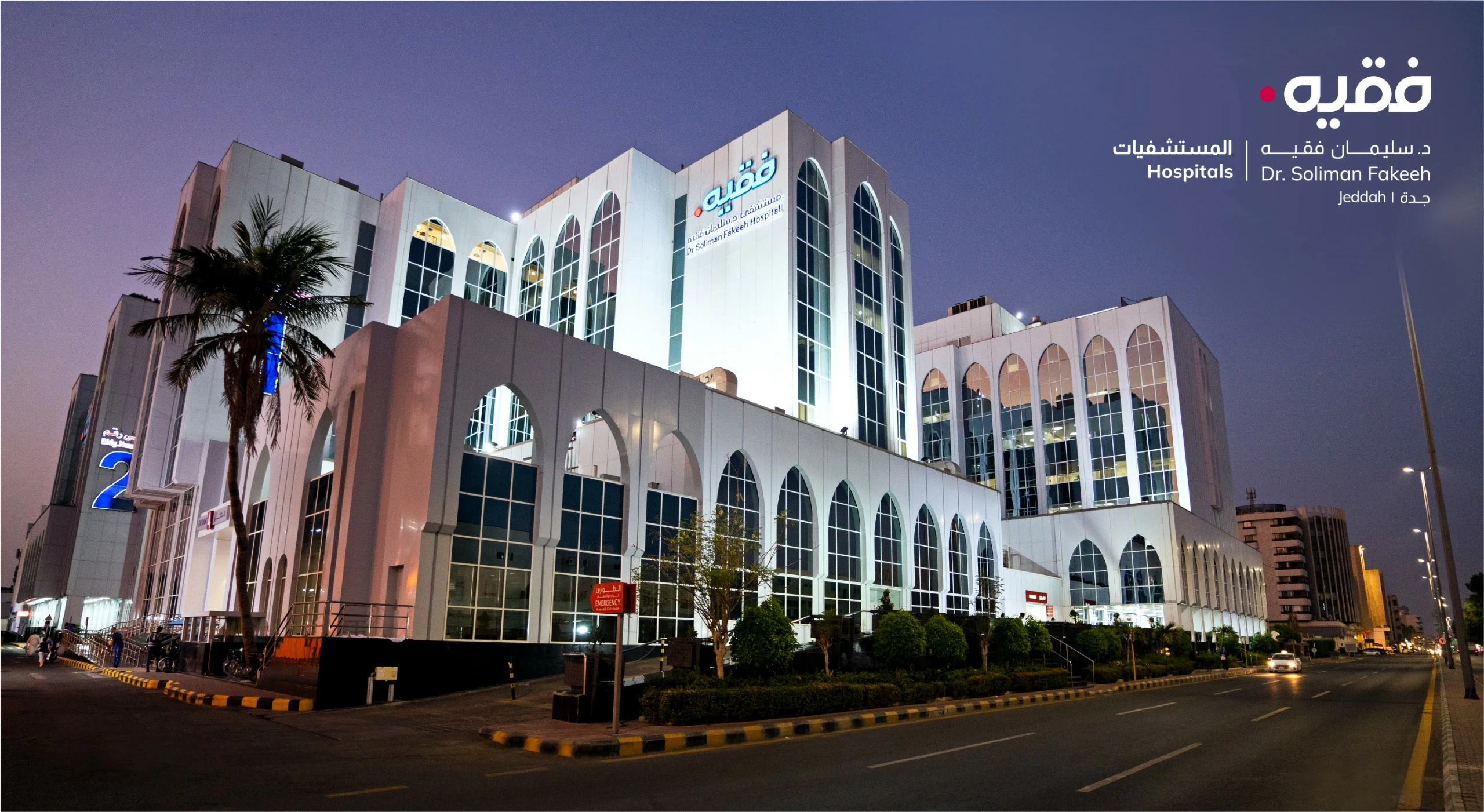
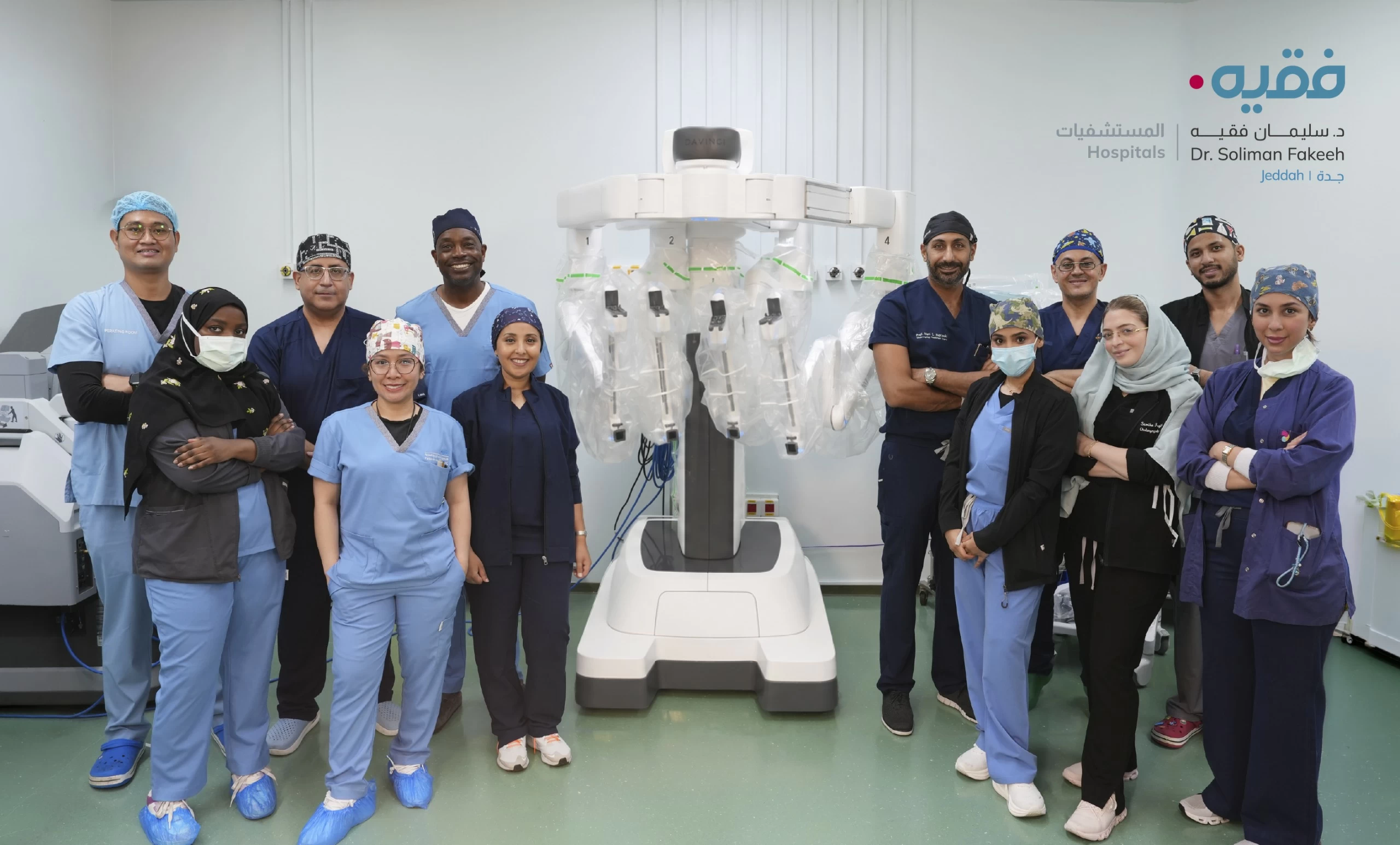
في إنجاز طبي نوعي نجح فريق طبي متكامل في مستشفى د. سليمان فقيه بجدة في إجراء أربع عمليات لاستئصال الغدة الدرقية باستخدام نظام da Vinci الجراحي الروبوتي عبر الفم، في خطوة تُعد الأولى من نوعها في المملكة العربية السعودية، وتعكس توظيف التقنيات الجراحية المتقدمة في جراحات الغدة الدرقية والرأس والعنق.
وقاد الفريق الجراحي البروفيسور هاني زهير المرزوقي استشاري جراحة الأنف والأذن والحنجرة وجراحة أورام الرأس والعنق بمستشفى د. سليمان فقيه، وأستاذ ورئيس قسم الأنف والأذن والحنجرة وجراحة الرأس والعنق بجامعة الملك عبد العزيز، والدكتورة هدى أنور السيد استشارية جراحة الأنف والأذن والحنجرة وجراحة أورام الرأس والعنق وترميمها بمستشفى د. سليمان فقيه، وأستاذة مساعدة بجامعة الملك عبد العزيز.
وتعتمد هذه التقنية على الوصول إلى الغدة الدرقية واستئصالها عبر الفم باستخدام النظام الجراحي الروبوتي دون إجراء شق جراحي خارجي في الرقبة ما يتيح إجراء العملية دون ندبة ظاهرة في هذه المنطقة كما يتيح النظام الروبوتي للجراح مستوى متقدماً من التحكم والدقة أثناء العملية بما يدعم التعامل مع المناطق التشريحية الدقيقة ضمن نطاق الجراحة.
ويُعد استخدام الجراحة الروبوتية في جراحات الغدة الدرقية من التطبيقات المتقدمة للتقنيات الجراحية الحديثة إذ يجمع بين خبرة الفريق الجراحي والإمكانات التقنية التي يوفرها النظام الروبوتي، ويوسع الخيارات الجراحية المتاحة للمرضى وفق التقييم الطبي لكل حالة.
وأُجريت العمليات الأربع بنجاح بفضل تكامل جهود الفريق الجراحي مع قسم التخدير بقيادة الدكتور عادل فايق والدكتور مروان الفخراني إلى جانب فرق التمريض وإدارة العمليات بقيادة الدكتور هشام باسمح بما يعكس أهمية العمل متعدد التخصصات في تطبيق التقنيات الجراحية المتقدمة وضمان التنسيق بين مختلف الفرق الطبية خلال مراحل الرعاية.
ويأتي هذا الإنجاز امتداداً للخبرات التي يضمها مستشفى د. سليمان فقيه بجدة في مجال الجراحات المتقدمة من خلال مركز التميز في الجراحة الروبوتية ومركز التميز في جراحات الأنف والأذن والحنجرة، وما يضمانه من كوادر طبية متخصصة وتقنيات حديثة وخبرات سريرية تسهم في تطوير الممارسات الجراحية، وتوسيع نطاق تطبيق الحلول الروبوتية في عدد من التخصصات.
كما يعكس نجاح إجراء أربع عمليات متتالية باستخدام هذه التقنية جاهزية المنظومة الطبية والتشغيلية لتطبيق هذا النوع من الجراحات بدءاً من اختيار وتقييم الحالات والتخطيط الجراحي مروراً بالتخدير، وإجراء العملية وصولاً إلى الرعاية والمتابعة بعد الجراحة.
ويمثل هذا الإنجاز خطوة نوعية في مجال جراحات الغدة الدرقية والرأس والعنق في المملكة، ويدعم التوسع في تطبيق التقنيات الروبوتية الحديثة ضمن هذا التخصص بما يتيح خيارات جراحية متقدمة للمرضى وفق ما يقرره الفريق الطبي بناءً على حالة كل مريض.
ويواصل مستشفى د. سليمان فقيه بجدة تطوير قدراته في مجال الجراحات الدقيقة والروبوتية، ودعم تبني التقنيات الطبية الحديثة من خلال مراكز التميز والفرق الطبية متعددة التخصصات بما يواكب التطورات في مجال الرعاية الجراحية، ويعزز إتاحة التقنيات المتقدمة للمرضى داخل المملكة.
In a significant medical achievement, a comprehensive medical team at Dr. Sulaiman Al Habib Hospital in Jeddah successfully performed four thyroid gland removal surgeries using the da Vinci robotic surgical system through the mouth, marking the first of its kind in the Kingdom of Saudi Arabia. This reflects the application of advanced surgical techniques in thyroid, head, and neck surgeries.
The surgical team was led by Professor Hani Zahir Al Marzouqi, a consultant in otolaryngology and head and neck tumor surgery at Dr. Sulaiman Al Habib Hospital, and a professor and head of the Department of Otolaryngology and Head and Neck Surgery at King Abdulaziz University, along with Dr. Huda Anwar Al Sayyed, a consultant in otolaryngology and head and neck tumor surgery and reconstruction at Dr. Sulaiman Al Habib Hospital, and an assistant professor at King Abdulaziz University.
This technique relies on accessing and removing the thyroid gland through the mouth using the robotic surgical system without making an external surgical incision in the neck, allowing the procedure to be performed without a visible scar in this area. The robotic system provides the surgeon with an advanced level of control and precision during the operation, supporting the handling of delicate anatomical areas within the surgical scope.
The use of robotic surgery in thyroid surgeries is considered one of the advanced applications of modern surgical techniques, as it combines the expertise of the surgical team with the technical capabilities provided by the robotic system, expanding the surgical options available to patients based on the medical evaluation of each case.
The four surgeries were successfully performed thanks to the integrated efforts of the surgical team with the anesthesia department, led by Dr. Adel Fayek and Dr. Marwan Al Fakhrani, alongside the nursing teams and the operating room management led by Dr. Hisham Basimah. This reflects the importance of interdisciplinary collaboration in applying advanced surgical techniques and ensuring coordination among various medical teams during the care stages.
This achievement extends the expertise that Dr. Sulaiman Al Habib Hospital in Jeddah possesses in the field of advanced surgeries through the Center of Excellence in Robotic Surgery and the Center of Excellence in Otolaryngology, which includes specialized medical staff, modern technologies, and clinical experiences that contribute to the development of surgical practices and expand the application of robotic solutions across several specialties.
The successful execution of four consecutive surgeries using this technique also reflects the readiness of the medical and operational system to implement this type of surgery, starting from selecting and evaluating cases, surgical planning, anesthesia, performing the operation, and extending to post-operative care and follow-up.
This achievement represents a qualitative step in the field of thyroid and head and neck surgeries in the Kingdom and supports the expansion of modern robotic technologies within this specialty, providing advanced surgical options for patients as determined by the medical team based on each patient's condition.
Dr. Sulaiman Al Habib Hospital in Jeddah continues to enhance its capabilities in the field of precise and robotic surgeries and supports the adoption of modern medical technologies through centers of excellence and multidisciplinary medical teams, keeping pace with developments in surgical care and enhancing the availability of advanced technologies for patients within the Kingdom.