شهد الحرمان الشريفان، اليوم الجمعة، خطبتين ركزتا على تقوى الله ومحاسبة النفس والرضا بما قسمه الله، في دعوة جامعة إلى إصلاح القلب واستقامة السلوك، والاعتبار بما يجري في الحياة من أحداث وعِبَر، والتحرر من الغفلة والطمع، والتحلي بالقناعة التي تعيد للبيوت سكينتها وللقلوب طمأنينتها.
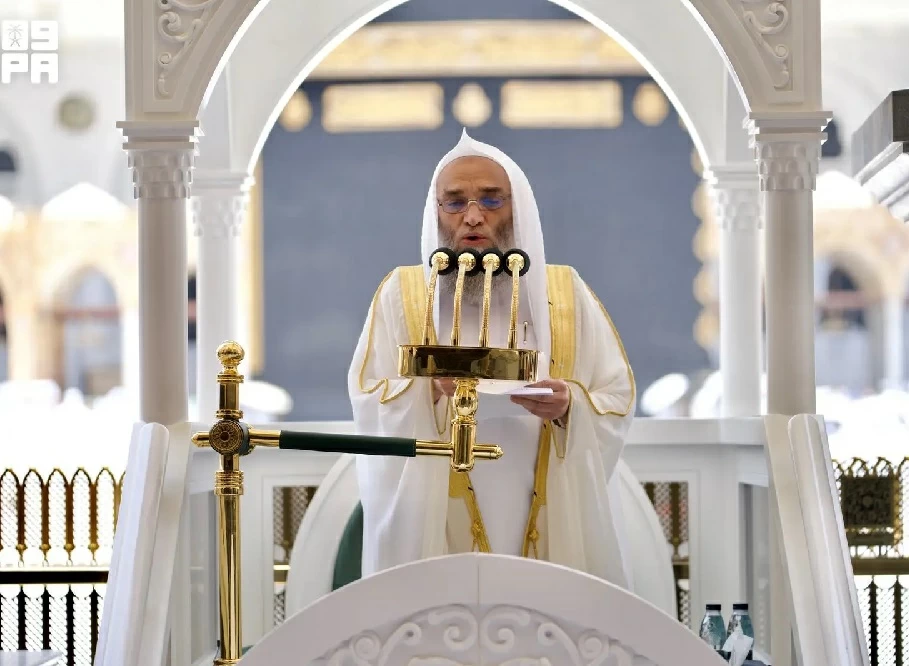
في المسجد الحرام، نبّه الشيخ الدكتور فيصل بن جميل غزاوي إلى أن الإنسان بطبيعته يخطئ ويقع في الزلل، لكن العيب الحقيقي هو الإقامة على الخطأ وترك التوبة، مؤكدًا أن الاعتبار بما وقع للأمم السابقة سبيل للنجاة من العقوبات التي حلّت بهم بسبب تعديهم حدود الله. وأشار إلى أن قصص القرآن جاءت للعظة؛ ومنها قصة أصحاب الفيل الذين أرادوا انتهاك حرمة البيت الحرام فكانت نهايتهم عبرةً لمن يعتبر. ودعا إلى محاسبة النفس على الأقوال والأفعال، واستدراك الزلل، والرجوع عند الخطأ، والحذر من مسالك الغلو والتعدي على المسلمين بغير حق.
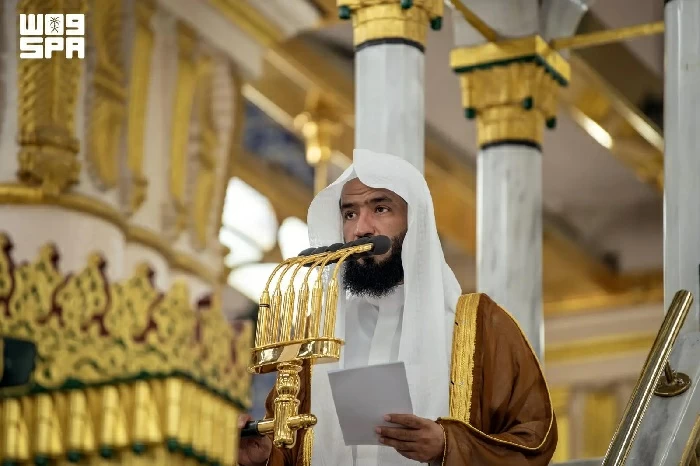
وفي المسجد النبوي، شدّد الشيخ عبدالله بن عبدالرحمن البعيجان على أن تقوى الله سبب لتيسير الأمور وتعظيم الأجر، وأن القناعة كنز يعيد للإنسان راحته وطمأنينته، مبينًا أن الله قسم الأرزاق بحكمته، وأن من رضي بما قسمه الله عاش غنيّ القلب مهما قلّ ماله. وأوضح أن القناعة لا تعني ترك العمل أو التخلي عن الطموح، بل الجمع بين السعي والرضا والتوكل، محذرًا من مظاهر المباهاة التي تكسر قلوب الفقراء وتضعف قناعتهم. كما دعا إلى الرفق بالضعفاء، والتأمل في حكمة الله في تفاوت الأرزاق وابتلاء الناس بالخير والشر.
The Two Holy Sanctuaries witnessed, today Friday, two sermons that focused on the piety of God, self-accountability, and contentment with what God has apportioned, in a collective call for the reform of the heart and the rectification of behavior, taking heed of the events and lessons in life, freeing oneself from heedlessness and greed, and cultivating contentment that restores tranquility to homes and peace of mind to hearts.
In the Grand Mosque, Sheikh Dr. Faisal bin Jameel Ghazawi pointed out that humans, by nature, make mistakes and fall into error, but the real fault lies in persisting in the mistake and neglecting repentance. He emphasized that reflecting on what has happened to previous nations is a way to escape the punishments that befell them due to their transgressions against God's limits. He noted that the stories in the Quran are meant for admonition; among them is the story of the People of the Elephant who intended to violate the sanctity of the Sacred House, and their end serves as a lesson for those who reflect. He called for self-accountability regarding words and actions, rectifying mistakes, returning when wrong, and being cautious of paths of extremism and transgression against Muslims without right.
In the Prophet's Mosque, Sheikh Abdullah bin Abdulrahman Al-Baijaan stressed that piety towards God is a cause for easing matters and magnifying rewards, and that contentment is a treasure that restores a person's comfort and peace of mind. He explained that God has apportioned sustenance with wisdom, and that whoever is content with what God has divided will live with a rich heart, no matter how little their wealth. He clarified that contentment does not mean abandoning work or giving up ambition, but rather combining effort, satisfaction, and reliance on God, warning against the manifestations of boastfulness that break the hearts of the poor and weaken their contentment. He also called for kindness towards the weak and reflection on God's wisdom in the disparity of sustenance and the testing of people with good and evil.