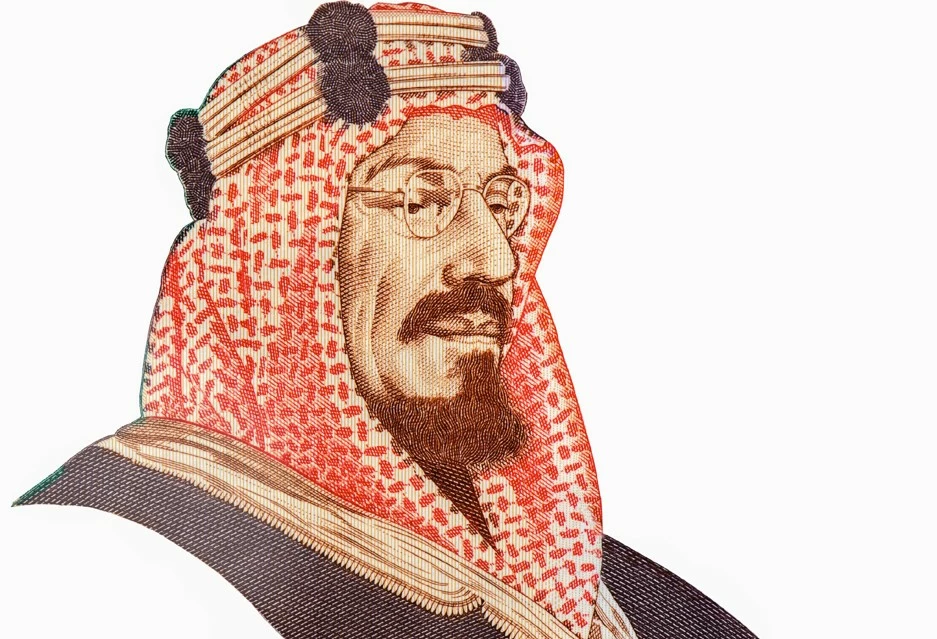
لعل أبلغ من يتحدث عن العظماء؛ إنجازاتهم ومواقفهم؛ وما توحيد ووحدة المملكة بتاريخها وجغرافيتها إلا شاهد من شواهد استثنائية للملك عبدالعزيز بن عبدالرحمن آل سعود، الذي انطلق متوكلاً على الله بعزيمة راسخة ليجعل من الشتات كياناً واحداً موحداً؛ فكان سيد الإنجازات في وطنه؛ وإمام التسامح والاحتواء مع شعبه؛ وحقاً أنه الصدر الرحب الذي شيّد مملكة وثيقة الصلة بأرومتها العربية؛ منفتحة الآفاق على الأمم والتجارب الإنسانية؛ وما كان لهذه الغايات أن تتحقق لولا أن من يقود زمامها ملك سامٍ في أخلاقه؛ متسامياً عند اتخاذ القرار قبل أن يوقع أوراقه؛ متحلياً بصبر الكرام من الرجال، مكتسياً حلة الوقار والمهابة دون تكلف، متجللاً برداء التواضع.
وستظل شخصية الملك عبدالعزيز محل دراسة، ومواقفه موضع تحقيق وتأمل؛ ونبله ونقاء سريرته يتبوأ المقام الأرفع بين معاصريه من سياسيين ومثقفين ومفكرين، وإذا كان الأبطال في ذاكرة الشعوب والدول والحكومات (حالات) فإن مؤسس المملكة العربية السعودية (نموذج) قلّ ما جاد الزمان بمثله، فهو الأصيل المتمسك بأصول ومبادئ الدين الإسلامي وأخلاق العروبة؛ وهو المعاصر فكراً وسلوكاً وفهماً للواقع والمتغيرات.
وما دانت له جزيرة العرب، إلا لأنه أهل بنموذج الشخصية الفريدة، وببسالة الشجعان الذين لا يخشون أمام طموحاتهم فقد أرواحهم، وكم كان (أخو نورة) قدوة أولاده وإخوانه وجيشه؛ بالتقدم للأمام؛ وذلك معنى «يجود بالنفس إن ضنّ البخيلُ بها، والجودُ بالنفس أقصى غاية الجود» ما دفع كل فرد من رفقته وجنوده إلى افتدائه بالنفس والنفيس؛ وكم واجه الموت مراراً.. ثابت الأركان؛ متوثب الجَنَان؛ إيماناً بأن الأعمار بيد الله؛ وأن الموت في سبيل الهدف العظيم شهادة؛ والله عَلِمَ نواياه فحقق مبتغاه.
البطولة تولد ولا تصنع
لا ريب أن وصف (البطل) الذي أطلقه معاصرو الملك عبدالعزيز عليه؛ تنطبق بكل دلالته؛ فهو منذ ولادته بطل، والبطولة تولد ولا تُصنع، وهو منذ ريعان صباه؛ حامل لواء مسؤولية استعادة وطنه، وإذا كان زمن وحدته يشهد على أن سيفه لم يكن يفارق يمينه، إلا أنه يتخلى عنه أول ما يصله خبر وفود أحد خصومه السابقين عليه؛ لأنه فارس يعرف ما للمنكسر من حقوق ترفع معنوياته وتشعره بالطمأنينة وسرعان ما يلتحق بركب ملك يعرف قَدْر الرجال.
مقومات ذاتية لأعظم موحّد
أوضحت مصادر عربية وغربية، أن الملك عبدالعزيز، يتحوّل في لحظة دخول أبيه الإمام عبدالرحمن عليه، إلى ابن متذلل لأبيه؛ متودداً له؛ يحني له قامته؛ ويجلسه في صدارة مجلسه؛ ويقف على رأسه ليسمع منه التوجيه، ويلبي له الطلب، وإن جلس فبطلب من أبيه؛ ولكن يجلس بين «أخوياه» وكأنما هو واحد منهم، ومما رواه المؤرخ المستشار النمساوي محمد أسد «لم يكن الملك عبدالعزيز يرضى أن يصعد إلى دور ثانٍ من قصره ووالده في الدور الأول ويقول؛ «لا أستطيع أن أسمح لنفسي بالمشي فوق رأس أبي»، وهذه النفس الكريمة الأبية تؤكد معنى البساطة والعمق في آن واحد، ولا خلاف على أن برّ الوالدين من أسباب التوفيق.
ومن أسباب التفاف قبائل العرب حول الملك عبدالعزيز؛ أنه انطلق من رسالة إسلامية، تُعلي شأن العقيدة الإسلامية الخالصة، وكان قدوة في تطبيق الشريعة على نفسه وإخوته وأولاده، فلا تناقض بين أقوال وأفعال؛ كما أنه أمّن الناس في دورهم وأسفارهم وحفظ حقوقهم وحقن دماءهم بالعدل واحتكامهم إلى القضاء الشرعي؛ واعتنى بالتعليم وكأنه يرى مستقبل وطنه في صدارة العالم منذ تلك اللحظة، والصدارة تقوم على المعرفة، والوعي، وكلاهما رهن التعلّم فاعتمد مديرية للمعارف، واستقطب المعلمين، ووجه بفتح المدارس، والاعتماد على النفس في توفير الحاجات من البيئة دون تعسف في المطالب.
لا خاب من استشار
كان من الضروري توطين البدو الرحّل، ليتمكن من إتمام رسالته بتعليم شعبه أمور دينهم ودنياهم، ليسهموا مع بعضهم في خدمة وطنهم، وأسّس الجيش النظامي، واستورد ما يلزم من أجهزة اتصالات توفر الوقت والجهد بين المناطق بحكم تباعد المسافات، وأعلن عن تأسيس مجلس الشورى، وعيّن نخبة من كبار الشخصيات السياسية العربية مستشارين له؛ واستوعب مواقف الدول والزعامات من القضايا، فكانت المشورة منطلقاً إلى كثير من قراراته الصائبة، وكان الحزم ديدنه عقب الاستخارة فيما يتردد فيه مستشاروه، وكثيراً ما ردد (ما ندم من استشار، ولا خاب من استخار، ولا عال من اقتصد).
عزوة ملك أنصفت شقائق الرجال
كان لفضليات النساء حضورهن في حياة الملك عبدالعزيز؛ فوالدته الأميرة سارة بنت أحمد السديري، اهتمت بتربيته وتوجيهه، وكان يذكر دورها في كل مناسبة ويعتز بذلك، وأخته الأميرة نورة التي شدّت من أزره لاسترداد الرياض وتأسيس المملكة العربية السعودية، وكانت ملازمة له بالمشورة وإدارة شؤون القصر، والأميرة نورة بنت عبدالرحمن الفيصل آل سعود لم تكن امرأة عادية؛ بل تجاوزت نساء وقتها بما تملكه من أعلى درجات الحكمة ورجاحة العقل وحسن التدبير، وما حملته من قلب كبير اتسع للمحتاجين والأيتام، وقدراتها العالية على حل مشكلات المحيطين بها من داخل الأسرة وخارجها، وكانت ذات آراء وأفكار خلاقة، ما دفع شقيقها الملك المؤسس عبدالعزيز بن عبدالرحمن إلى أن يعتزي بها: (أنا أخو نورة) إضافة إلى عمته الأميرة الجوهرة بنت فيصل بن تركي التي عملت على تنمية روح العزيمة، ودفعه إلى استعادة تأسيس الدولة، ودعته إلى تثقيف النساء في قصره وتعليمهن، فكان يحبها ويجلوها ويستشيرها في شؤون الأسرة، فكانت خير سند وعون له.
تفادي الصدامات امتصاص ردود الأفعال
المؤرخ الدكتور محمد آل زلفة؛ أوضح أن المؤرخين الغربيين تحديداً انبهروا من شخصية الملك عبدالعزيز؛ مستعيداً ما قاله المؤرخ الألماني (داكوبرت فون مبكوش) عن تفاديه للصدامات واللباقة في امتصاص ردود الأفعال، إذ قال: «نجح ابن سعود أيما نجاح في إيجاد الحلول لكل مشكلة، والتوفيق بلباقة بين المعطيات.. هادفاً إلى إيجاد طريق وسط بين الكلاسيكية المتعصبة والتقدمية العصرية، بحيث تفيد بلاده من جميع المستحدثات العصرية دون مساس بالدين أو بالتقاليد أو العادات الموروثة. وهو أمر على جانب كبير من الأهمية بالنسبة للمملكة العربية السعودية التي تضم مكة، وفيها الكعبة، قبلة المسلمين، وعليها أن تكون أكثر الأمم الإسلامية تمسكًا بأحكام الدين والقرآن الكريم».
وأضاف آل زلفة؛ إن من أبلغ الشهادات عن الملك عبدالعزيز ورد على لسان أول أمين عام للجامعة العربية عبد الرحمن عزام، الذي قال: «كان الملك عبدالعزيز متعدد الجوانب، كامل الرجولة لا أعرف أن أحدًا التقى به من خصومه أو مواليه إلا أثّر فيه بشخصيته التي لم يجد التاريخ إلا نادراً بمثلها، عرفته وهو لا يملك من المال لإدارة هذا الملك الواسع إلا الكفاف. وعرفته والدنيا تفيض بين يديه خيراً وبركة، فلم يكن إلا عبدالعزيز بن سعود. ولداً سيداً ومات سيداً. يعطي كل ما يملك من القليل ويعطي كل ما بيده من الكثير».
عناية بقضايا الأمة العربية والإسلامية
لم تغب القضية الفلسطينية عن وجدان وكيان الملك عبدالعزيز؛ ويؤكد المؤرخ الدكتور محمد آل زلفة، أن الملك عبدالعزيز، كان السند الأول والقوي للشعب الفلسطيني حينما لم يكن هناك أحد يناصره في نضاله لإزالة الظلم عن نفسه؛ لافتاً إلى وضوح موقف الملك عبدالعزيز إبان اجتماعه والرئيس الأمريكي (روزفلت) به في البحيرات المرة، إذ خصص معظم حديثه عن القضية الفلسطينية، وكذلك عندما التقى رئيس الوزراء البريطاني (ونستون تشرتشل) إثر انتهاء الحرب العالمية الثانية وكانت قضية فلسطين محور اللقاء.
ويرى آل زلفة؛ أن الملك عبدالعزيز؛ الزعيم العربي الأوحد والمستقل الذي تبنى قضية فلسطين بنفس الأهمية التي شغل نفسه على مدى أكثر من ثلاثين عاماً وهو يوحد بلاده رغم كل الظروف الصعبة والتحديات الإقليمية والدولية والتآمر.
وأورد آل زلفة تصريحاً للمفوض السياسي البريطاني في الكويت (هارولد ريتشارد باتريك ديكسون)، إذ قال: «أرجو أن يعرف أبناء هذا الجيل من العرب والسعوديين وغيرهم بأن موحد بلادهم ومن بعده أولاده وأحفاده مسنودين بقوة وإرادة شعب المملكة العربية السعودية، لم يتوانوا أو يتوقفوا يوماً عن مساندة قضايا أمتهم العربية حتى وإن جحد الجاحدون».
Perhaps the most eloquent speaker about the great figures; their achievements and stances; and what the unification and unity of the Kingdom represents in its history and geography is none other than King Abdulaziz bin Abdulrahman Al Saud, who embarked, relying on God, with a steadfast determination to transform the fragmentation into a unified entity; he was indeed the master of achievements in his homeland; a leader of tolerance and inclusion with his people; and truly, he is the broad-minded individual who built a kingdom closely linked to its Arab roots; open to the horizons of nations and human experiences; and these goals would not have been realized if it were not for a king of lofty morals leading the way; transcending in decision-making before signing his papers; adorned with the patience of noble men, clad in dignity and awe without pretense, and enveloped in the garment of humility.
The personality of King Abdulaziz will remain a subject of study, and his stances will be a matter of investigation and contemplation; his nobility and purity of heart occupy the highest rank among his contemporaries of politicians, intellectuals, and thinkers. If heroes are (cases) in the memory of peoples, states, and governments, then the founder of the Kingdom of Saudi Arabia is a (model) that time rarely produces, for he is the original who clings to the roots and principles of Islam and the ethics of Arabism; he is contemporary in thought, behavior, and understanding of reality and changes.
And the Arabian Peninsula did not yield to him, except because he possessed the model of a unique personality, and with the bravery of the fearless who do not fear for their ambitions, even if it costs them their lives. How often was (the brother of Noura) a role model for his children, brothers, and army; advancing forward; and that is the meaning of "he gives his soul when the miser holds back, and giving of oneself is the highest form of generosity." This drove every individual in his entourage and soldiers to sacrifice themselves and their possessions; and how many times did he face death... steadfast in his stance; eager in spirit; believing that lifetimes are in God's hands; and that dying for a great cause is martyrdom; and God knew his intentions and fulfilled his aspirations.
Heroism is Born, Not Made
There is no doubt that the description of (the hero) that his contemporaries bestowed upon King Abdulaziz applies in every sense; he has been a hero since his birth, for heroism is born and not made. From his early youth, he carried the banner of responsibility for restoring his homeland, and while the time of his unification testifies that his sword never left his right hand, he would relinquish it as soon as he received news of the arrival of one of his former adversaries; because he was a knight who knew the rights of the defeated that uplift their spirits and reassure them, and he would quickly join the ranks of a king who recognizes the value of men.
Intrinsic Qualities of the Greatest Unifier
Arab and Western sources have indicated that King Abdulaziz, at the moment his father Imam Abdulrahman entered, transformed into a submissive son; he would show affection to him; bowing his stature; seating him at the forefront of his council; standing at his head to listen to his guidance, and fulfilling his requests. If he sat, it was at his father's request; yet he would sit among "his brothers" as if he were one of them. Historian and advisor Muhammad Asad recounted, "King Abdulaziz would not allow himself to ascend to the second floor of his palace while his father was on the first floor, saying, 'I cannot allow myself to walk above my father.' This noble and proud spirit affirms the meaning of simplicity and depth at the same time, and there is no disagreement that honoring one's parents is one of the reasons for success.
One of the reasons the Arab tribes rallied around King Abdulaziz was that he embarked on an Islamic message that elevates the status of pure Islamic belief, and he was a role model in applying Sharia to himself, his brothers, and his children, with no contradiction between words and actions. He secured people's safety in their homes and travels, preserved their rights, and spared their blood through justice and adherence to Sharia courts; he paid attention to education as if he foresaw his country's future at the forefront of the world from that moment, and that leadership is based on knowledge and awareness, both of which depend on learning. He established a Directorate of Education, attracted teachers, directed the opening of schools, and relied on self-sufficiency in providing needs from the environment without excessive demands.
He Who Consults Will Not Regret
It was essential to settle the nomadic Bedouins so that he could complete his mission of educating his people about their religious and worldly matters, enabling them to contribute together to serve their homeland. He established a regular army, imported necessary communication devices to save time and effort between distant regions, announced the establishment of a Shura Council, and appointed a select group of prominent Arab political figures as his advisors; he absorbed the positions of countries and leaders regarding issues, so consultation became the starting point for many of his sound decisions. Firmness was his habit after seeking guidance in matters where his advisors hesitated, and he often repeated, "He who consults does not regret, and he who seeks guidance does not fail, and he who is frugal does not suffer loss."
The Support of a King Who Honored the Sisters of Men
Women of virtue had their presence in the life of King Abdulaziz; his mother, Princess Sara bint Ahmad Al Sudairi, took care of his upbringing and guidance, and he would mention her role on every occasion and take pride in it. His sister, Princess Noura, who strengthened his resolve to reclaim Riyadh and establish the Kingdom of Saudi Arabia, was always by his side, advising him and managing palace affairs. Princess Noura bint Abdulrahman Al Faisal Al Saud was not an ordinary woman; she surpassed the women of her time with her high levels of wisdom, sound judgment, and good management, and with her big heart that embraced the needy and orphans, as well as her high capabilities in solving the problems of those around her, both within the family and outside it. She had creative opinions and ideas, which led her brother, the founding king Abdulaziz bin Abdulrahman, to proudly say: "I am the brother of Noura," in addition to his aunt, Princess Jawhara bint Faisal bin Turki, who worked to instill the spirit of determination in him and pushed him to restore the establishment of the state, urging him to educate women in his palace and teach them, so he loved and respected her and consulted her on family matters, making her a great support and assistance to him.
Avoiding Conflicts and Absorbing Reactions
Historian Dr. Muhammad Al Zulfa clarified that Western historians, in particular, were fascinated by the personality of King Abdulaziz; recalling what the German historian (Dacobert von Mbekush) said about his ability to avoid conflicts and his tact in absorbing reactions, stating: "Ibn Saud succeeded remarkably in finding solutions to every problem, skillfully reconciling the data... aiming to find a middle path between rigid classicism and modern progressivism, so that his country could benefit from all modern innovations without infringing on religion or inherited traditions and customs. This is of great importance for the Kingdom of Saudi Arabia, which includes Mecca, home to the Kaaba, the qibla of Muslims, and it must be the most committed of Islamic nations to the rulings of religion and the Holy Quran."
Al Zulfa added that one of the most eloquent testimonies about King Abdulaziz came from the first Secretary-General of the Arab League, Abdul Rahman Azzam, who said: "King Abdulaziz was multifaceted, a complete man; I do not know of anyone who met him, whether from his adversaries or supporters, who was not influenced by his character, which history has rarely seen. I knew him when he had nothing but enough to manage this vast kingdom. I knew him when the world overflowed with goodness and blessings in his hands; he was nothing but Abdulaziz bin Saud. He was a lord as a boy and died a lord, giving all he had from the little and all he could from the abundant."
Attention to Arab and Islamic Issues
The Palestinian cause never left the conscience and being of King Abdulaziz; historian Dr. Muhammad Al Zulfa confirms that King Abdulaziz was the first and strongest support for the Palestinian people when no one else stood by them in their struggle to remove the injustice from themselves; pointing to the clarity of King Abdulaziz's position during his meeting with President Franklin D. Roosevelt at the Bitter Lakes, where he dedicated most of his conversation to the Palestinian cause, as well as when he met British Prime Minister Winston Churchill after the end of World War II, where the Palestinian issue was the focal point of the meeting.
Al Zulfa believes that King Abdulaziz was the sole and independent Arab leader who adopted the Palestinian cause with the same importance he devoted to unifying his country for more than thirty years despite all the difficult circumstances and regional and international challenges and conspiracies.
Al Zulfa cited a statement from the British political commissioner in Kuwait, Harold Richard Patrick Dixon, who said: "I hope that the children of this generation of Arabs, Saudis, and others know that the unifier of their country and after him his sons and grandsons are supported by the strength and will of the people of the Kingdom of Saudi Arabia, who have never hesitated or stopped for a day in supporting the issues of their Arab nation, even if the deniers deny."