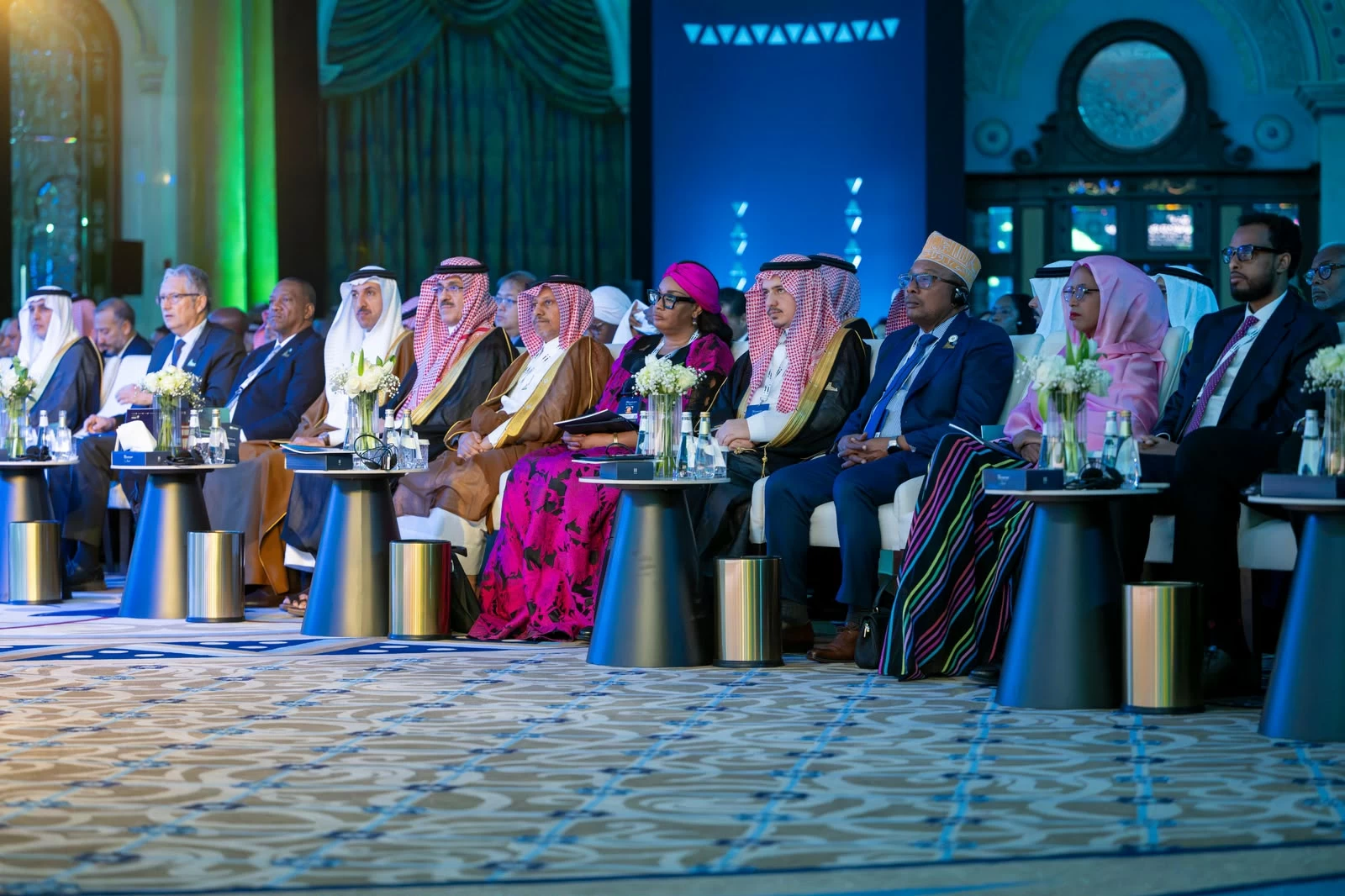
أكد رئيس ديوان المظالم رئيس مجلس القضاء الإداري الدكتور علي الأحيدب أن أخلاقيات الذكاء الاصطناعي في المملكة لم تعد مبادئ نظرية فحسب، بل أصبحت جزءاً مهماً من ممارسات منظومة الحوكمة الوطنية، التي يعمل ديوان المظالم على استثمارها وتمكين كوادره من الاستفادة منها في النطاق القضائي والإداري، وذلك ضمن جهود ديوان المظالم في عام الذكاء الاصطناعي 2026، وتحقيقاً لمستهدفات منظومة ديوان المظالم 2030 للريادة وتعظيم الأثر، التي يأتي في مقدمة أهدافها توظيف التقنيات الناشئة في القضاء الإداري.
تعزيز الامتثال للأنظمة والسياسات الوطنية
جاء ذلك عقب حفل افتتاح منتدى اليونسكو العالمي لأخلاقيات الذكاء الاصطناعي في نسخته الرابعة، الذي شهده رئيس ديوان المظالم، اليوم، والذي تقيمه منظمة اليونسكو في العاصمة الرياض، إذ أقرّ الأحيدب، تزامناً مع الحدث العالمي، إطار حوكمة استخدام أنظمة الذكاء الاصطناعي في ديوان المظالم؛ بهدف تنظيم استخدامها في أعماله القضائية والإدارية ومنصاته الرقمية، وضمان الاستخدام المسؤول والآمن لها، وحماية البيانات والمعلومات، وتعزيز الامتثال للأنظمة والسياسات الوطنية ذات العلاقة.
يُذكر أن ديوان المظالم أطلق في مارس الماضي وثيقة مبادئ استخدام أنظمة الذكاء الاصطناعي؛ بهدف تنظيم بناء أنظمة الذكاء الاصطناعي واستخدامها في دوائره وإداراته، ووضع الضوابط والأخلاقيات المتعلقة بها، فيما يستند إطار الحوكمة إلى الأطر والسياسات الصادرة عن الهيئات المتخصصة، والسياسات والضوابط الداخلية المعتمدة في الديوان، ويتضمن آليات للمراجعة والتحديث من قِبل مكتب الذكاء الاصطناعي والتقنيات الناشئة بمركز الخدمات القضائية الرقمية؛ بما يواكب التطورات المتسارعة، ويعزز الوعي بمبادئ الاستخدام المسؤول.
The President of the Board of Grievances and Chairman of the Administrative Judiciary Council, Dr. Ali Al-Ahaidib, confirmed that the ethics of artificial intelligence in the Kingdom are no longer just theoretical principles, but have become an important part of the practices of the national governance system. The Board of Grievances is working to invest in and empower its staff to benefit from these practices in the judicial and administrative domains, as part of the Board's efforts in the year of artificial intelligence 2026, and in achieving the objectives of the Board of Grievances 2030 for leadership and maximizing impact, with the primary goal of employing emerging technologies in administrative justice.
Enhancing Compliance with National Regulations and Policies
This came following the opening ceremony of the fourth edition of the UNESCO Global Forum on Artificial Intelligence Ethics, which was attended by the President of the Board of Grievances today, organized by UNESCO in the capital, Riyadh. Al-Ahaidib announced, coinciding with the global event, a governance framework for the use of artificial intelligence systems in the Board of Grievances, aimed at regulating their use in its judicial and administrative work and digital platforms, ensuring their responsible and safe use, protecting data and information, and enhancing compliance with relevant national regulations and policies.
It is noteworthy that the Board of Grievances launched in March a document outlining the principles for using artificial intelligence systems, aimed at organizing the development and use of artificial intelligence systems within its departments and administrations, and establishing the related controls and ethics. The governance framework is based on the frameworks and policies issued by specialized bodies, as well as the internal policies and controls approved by the Board, and includes mechanisms for review and updating by the Artificial Intelligence and Emerging Technologies Office at the Digital Judicial Services Center; in line with rapid developments and to enhance awareness of responsible use principles.