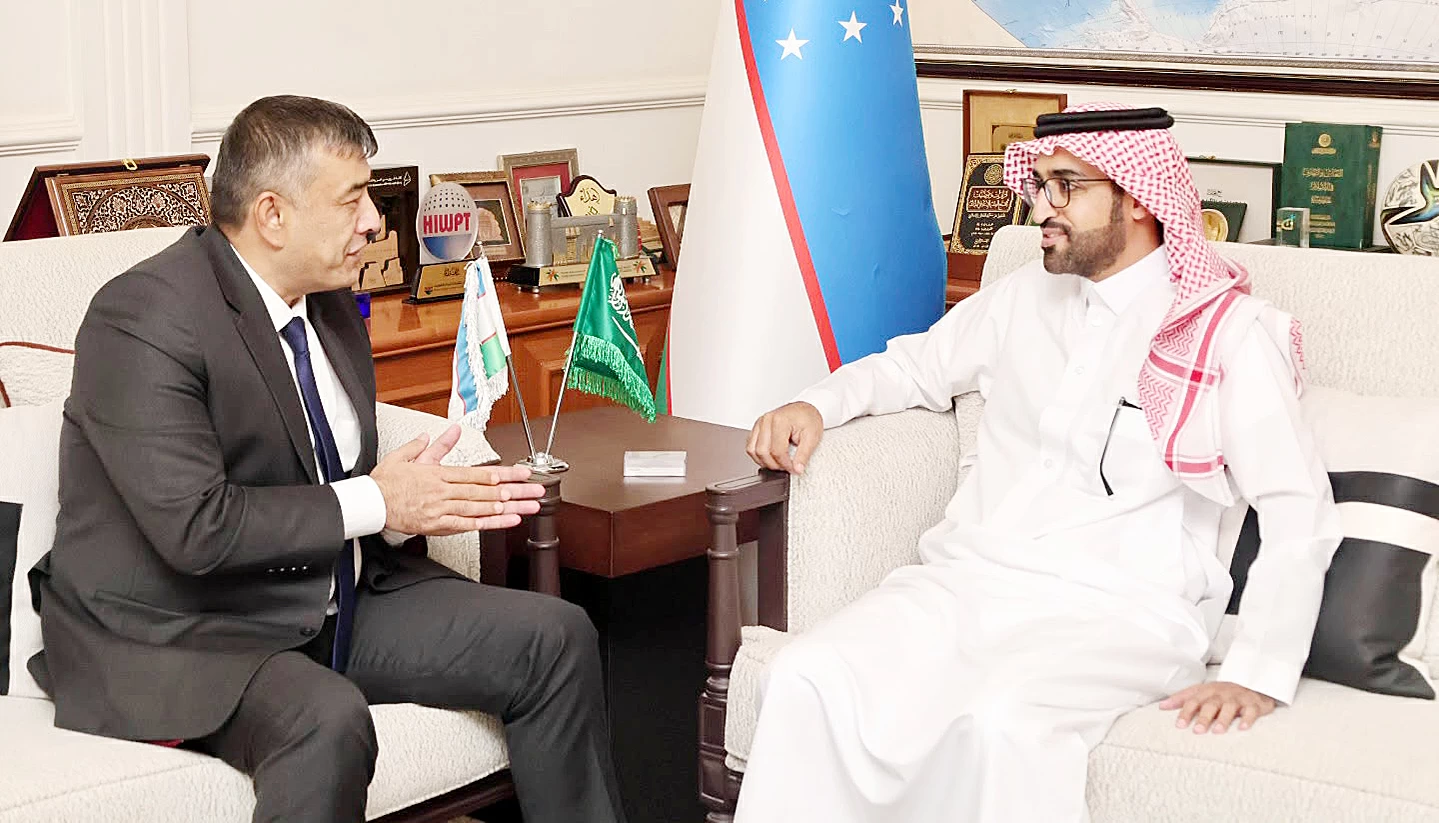
تشهد العلاقات السعودية الأوزبكية خلال السنوات الأخيرة تحولاً نوعياً، انتقلت معه من إطار التعاون الثنائي إلى شراكة إستراتيجية تتسع مجالاتها لتشمل السياسة والاستثمار والطاقة والتجارة والسياحة والرعاية الصحية والبنية التحتية. ويعكس تجاوز محفظة المشاريع المشتركة 27 مليار دولار حجم الزخم الذي تشهده العلاقات بين الرياض وطشقند، فيما تتصدر مشاريع الطاقة المتجددة والاستثمارات السعودية المشهد الاقتصادي، بالتوازي مع تنامٍ في التنسيق السياسي والحوار الحكومي بين البلدين.
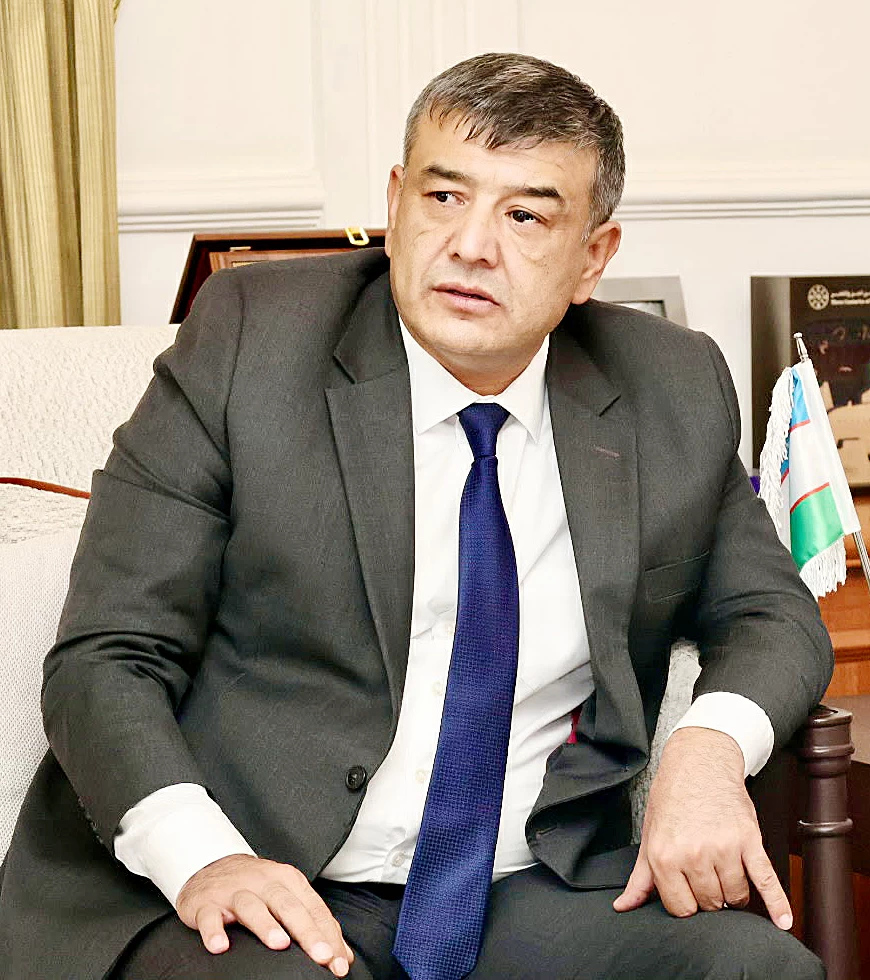
وفي حوار خاص مع «عكاظ»، يستعرض سفير أوزبكستان لدى المملكة نادرجان تورغونوف، ملامح هذه الشراكة وآفاقها، ويتحدث عن أبرز المشاريع والاستثمارات السعودية في بلاده، والفرص الجديدة أمام قطاع الأعمال، ومستهدفات زيادة التبادل التجاري والسياحي، إلى جانب التعاون في الطاقة المتجددة. كما يتناول مستوى الخدمات المقدمة للحجاج والمعتمرين الأوزبك، ودور المملكة في تعزيز التعاون بين آسيا الوسطى ودول الخليج، كاشفاً أن أحد أبرز أهداف مهمته الدبلوماسية يتمثل في الإعداد والتنظيم لزيارة دولة يقوم بها ولي العهد رئيس مجلس الوزراء الأمير محمد بن سلمان إلى أوزبكستان، التي يرى أنها يمكن أن تشكل محطة تاريخية جديدة في مسيرة العلاقات بين البلدين. وفي ما يلي نص الحوار:
• كيف تصفون الوضع الراهن للعلاقات بين المملكة وأوزبكستان، وما الذي يميز تعاون البلدين في المرحلة الحالية؟
•• تمر العلاقات بين أوزبكستان والمملكة اليوم بمرحلة نوعية جديدة، تتسم بمستوى عالٍ من الثقة السياسية والتواصل المنتظم بين قيادتي البلدين، إلى جانب تبادل الزيارات والوفود. وتحظى الاتصالات بين الرئيس شوكت ميرضيائيف وولي العهد الأمير محمد بن سلمان، بأهمية خاصة. وفي 29 مارس الماضي جرى بينهما اتصال بحثا خلاله الأوضاع الإقليمية وآفاق تطوير العلاقات الثنائية، فيما يشهد الحوار الحكومي بين البلدين نشاطاً متزايداً، إذ زار وزير خارجية أوزبكستان بختيار سعيدوف الرياض في 3 مايو الماضي، وبحث خلال الزيارة سبل تطوير التعاون السياسي والاستثماري، وتنفيذ المشاريع المشتركة، وتعزيز التنسيق حيال القضايا الإقليمية.
وإذا نظرنا إلى مسيرة العلاقات خلال السنوات العشر الماضية، نجد أنها انتقلت إلى شراكة إستراتيجية متعددة الأوجه، سياسياً واقتصادياً، إذ ارتفع حجم التجارة والاستثمارات، واتسع نطاق المشاريع المشتركة، إلى جانب تحول الحوار السياسي إلى مسار منتظم ومؤسسي.
تنمية طويلة الأمد
• تجاوزت محفظة المشاريع المشتركة 27 مليار دولار.. ما أبرز المشاريع السعودية في أوزبكستان؟
•• بالفعل، تجاوزت محفظة المشاريع المشتركة بين البلدين 27 مليار دولار، وما يهمنا ليس عدد المشاريع فحسب، وإنما ما تحمله من أهمية إستراتيجية في تحديث الاقتصاد وتحقيق التنمية طويلة الأمد. وتأتي الطاقة الخضراء في مقدمة مجالات التعاون، إذ تضطلع شركة «أكوا باور» بدور محوري من خلال مشاريع كبرى تبلغ قيمتها الإجمالية نحو 15 مليار دولار، كما شهد منتدى طشقند الدولي الخامس للاستثمار توقيع اتفاقية شراكة بين القطاعين العام والخاص بين «مطارات أوزبكستان» وشركة «رؤية العالمية للاستثمار» السعودية لإنشاء وتشغيل مطار «طشقند الجديدة» الدولي. ويمتد تنفيذ المشروع بين عامي 2026 و2030، ويتضمن في مرحلته الأولى جذب استثمارات أجنبية بنحو 3 مليارات دولار.
ويتوسع التعاون أيضاً في مجال الرعاية الصحية، إذ شهد يوليو الماضي مباحثات بشأن رقمنة المنظومة الصحية وتحديثها وتطوير صناعة الأدوية وتأهيل الكوادر الطبية، إضافة إلى مشروع لإنشاء مستشفى متعدد التخصصات في أوزبكستان.
ونتوقع أن يصل إجمالي حجم الاستثمارات السعودية في أوزبكستان إلى 30 مليار دولار قبل نهاية العام الحالي.
نقل التقنيات الحديثة
• أصبحت المملكة من أبرز شركاء أوزبكستان في الطاقة المتجددة.. كيف تقيِّمون دور الشركات السعودية؟ وهل هناك مشاريع جديدة في الطاقة الشمسية والرياح والهيدروجين الأخضر؟
•• نعم، المملكة اليوم من أبرز شركائنا الإستراتيجيين في قطاع الطاقة، خصوصاً الطاقة المتجددة، وتضطلع شركة «أكوا باور» بدور رئيسي في هذا المجال، من خلال تنفيذ مشاريع واسعة في الطاقة الشمسية وطاقة الرياح وأنظمة تخزين الطاقة والهيدروجين الأخضر. وتضم محفظتها في أوزبكستان حالياً 19 مشروعاً، باستثمارات مؤكدة تصل إلى 15 مليار دولار، فتعاوننا لم يعد مقتصراً على إنشاء قدرات جديدة لتوليد الكهرباء، بل أصبح يشمل أيضاً تخزين الطاقة، وتحديث بنيتها التحتية، وإنتاج الهيدروجين الأخضر، ونحن لا ننظر إلى هذه الشراكة من زاوية حجم الاستثمارات فقط، بل نهتم كذلك بنقل التقنيات الحديثة والخبرات الدولية والكفاءات المتخصصة.
• ما أبرز الفرص المتاحة حالياً أمام المستثمرين السعوديين؟
•• هناك فرص واسعة أمام قطاع الأعمال السعودي في عدد من القطاعات الواعدة، من صناعة وزراعة ومواد كيميائية ودوائية، وذكاء اصطناعي، إضافة إلى استخراج المعادن ومعالجتها، كما توفر المناطق الاقتصادية الخاصة فرصاً إضافية للمستثمرين، فنحن ننظر إلى الشركات السعودية باعتبارها شريكاً واعداً للاستثمارات طويلة الأجل.
• الاستثمارات تنمو بوتيرة كبيرة، لكن ماذا عن التجارة بين البلدين، وما المنتجات الأوزبكية التي تستهدفون زيادة حضورها في السوق السعودية؟
•• الإمكانات التجارية بين بلدينا لم تُستثمر بالكامل حتى الآن، ولذلك نعمل على زيادة حجم التجارة المتبادلة، وتوسيع حضور المنتجات الأوزبكية في السوق السعودية.
ومن الخطوات المهمة في هذا الجانب، الاتفاق الذي تم التوصل إليه في فبراير على تصدير الفواكه والخضراوات الأوزبكية الطازجة إلى المملكة، ومنتجات أخرى ذات قيمة غذائية.
• أوزبكستان تمتلك مقومات سياحية وتاريخية كبيرة.. كيف تخططون لجذب مزيد من السياح السعوديين؟
•• نولي السياح من المملكة ودول الخليج اهتماماً خاصاً، في ظل ما تتمتع به أوزبكستان من إرث تاريخي وثقافي غني، وقد اتفق البلدان على تطوير التبادل السياحي وتعزيز التعاون في هذا المجال، ومن المزايا المهمة التي تسهم في دعم الحركة السياحية الإعفاء من التأشيرة، إذ يستطيع المواطنون السعوديون دخول أوزبكستان دون تأشيرة لمدة تصل إلى 30 يوماً، ونعتقد أن هذا الإعفاء سيسهم في زيادة أعداد الزوار السعوديين والخليجيين بصورة ملحوظة.
• تستقبل المملكة أعداداً كبيرة من الحجاج والمعتمرين الأوزبكيين.. كيف تقيمون مستوى الخدمات المقدمة لهم؟
•• نتوجه بخالص الامتنان إلى قيادة المملكة وجميع الجهات السعودية على ما توفره لمواطنينا خلال موسمي الحج والعمرة. وتمثل فرصة أداء هذه الشعائر أهمية روحية عظيمة للشعب الأوزبكي، ونثمن ما يحظى به حجاجنا ومعتمرونا من اهتمام ورعاية وكرم ضيافة.
وتبلغ حصة أوزبكستان السنوية للحج 15 ألف حاج، وفي موسم 2026، نُقل جميع الحجاج الأوزبك إلى المملكة عبر 62 رحلة جوية، مع توفير الإقامة والوجبات والرعاية الطبية وخدمات النقل والتنظيم، إضافة إلى نقاط طبية تعمل على مدار الساعة في الفنادق.
كما نُفذت هذا العام للمرة الأولى مبادرة «حجاج الرئيس»، التي أتاحت لـ100 مواطن أوزبكي أداء الحج على نفقة الدولة.
أما العمرة، فقد أداها خلال العام الماضي أكثر من 500 ألف مواطن أوزبكي، وهو رقم يعكس المكانة الخاصة التي تحظى بها مكة المكرمة والمدينة المنورة لدى شعبنا.
ونقدر عالياً مستوى تنظيم الحج والعمرة في المملكة، لاسيما تطور الرعاية الطبية والبنية التحتية للنقل والخدمات الرقمية وأنظمة الأمن والسلامة، كما نشيد بالتعاون البنّاء مع وزارة الحج والعمرة السعودية.
• كيف تنظر أوزبكستان إلى دور المملكة في آسيا الوسطى وإلى إطار التعاون بين دول آسيا الوسطى ومجلس التعاون الخليجي؟
•• المملكة شريك مهم لأوزبكستان، وتضطلع بدور بارز في توسيع التعاون بين آسيا الوسطى ودول الخليج. ونحن نقدر إسهامها في تطوير هذا الحوار، ونرى إمكانات كبيرة لتعميق التعاون العملي بين الجانبين خلال المرحلة القادمة.
ويتيح إطار «آسيا الوسطى - مجلس التعاون لدول الخليج العربية» فرصاً واسعة لتعزيز الحوار السياسي، وتوسيع مجالات التجارة والاستثمار، وتطوير الربط في قطاعات النقل والطاقة والسياحة والعلاقات الإنسانية.
ونحن على ثقة بأن المشاركة الفاعلة للمملكة ودول الخليج ستسهم في تحويل هذا الإطار إلى منصة فاعلة لشراكة طويلة الأمد ومنفعة متبادلة بين المنطقتين.
توسع تعاون البلدين
• ما الرسالة التي تودون توجيهها بشأن مستقبل العلاقات السعودية الأوزبكية؟
•• أتوجه إلى قيادة المملكة وشعبها بخالص الشكر على المستوى الرفيع من الثقة والدعم الذي يميز علاقات بلدينا. وقد انتقلت العلاقات خلال السنوات الأخيرة إلى مستوى جديد تماماً، وأصبحت شراكة إستراتيجية متعددة الأوجه، تشمل الاستثمار والطاقة والبنية التحتية والتجارة والرعاية الصحية والسياحة وغيرها من المجالات.
وأنا على قناعة بأن أوزبكستان والمملكة مقبلتان على مرحلة أوسع من التعاون. ولا نريد الاكتفاء بالحفاظ على الزخم الذي تحقق، بل نتطلع إلى إطلاق مشاريع جديدة، وفتح مجالات وصناعة فرص تعود بالنفع على شعبينا لسنوات طويلة.
ومن خلال «عكاظ»، أقول: إن أوزبكستان منفتحة على المملكة، ونرى فيها أحد أكثر شركائنا موثوقية وأهمية إستراتيجية، وأثق بأن الصداقة والاحترام المتبادل والثقة ستظل أساساً لشراكة أكثر قوة وازدهاراً.
صفحات جديدة في العلاقات
• وما الهدف الأبرز الذي تتطلعون إلى تحقيقه خلال مهمتكم سفيراً لدى المملكة؟
•• وضعت لنفسي هدفاً رئيسياً، وربما الأهم، يتمثل في الإعداد والتنظيم لزيارة دولة يقوم بها ولي العهد رئيس مجلس الوزراء الأمير محمد بن سلمان إلى أوزبكستان.
وخلال عملي سفيراً، تمكنت من تنفيذ العديد من الخطط والإسهام في تعزيز العلاقات بين البلدين، وإذا تمت هذه الزيارة التاريخية فسأعتبرها تحقيقاً للهدف الرئيسي الذي حددته في بداية مهمتي الدبلوماسية.
وأنا على قناعة بأن قيادتي البلدين وشعبيهما يتطلعون إلى هذه الزيارة باهتمام وأمل كبيرين، وأنها ستشكل محطة مهمة في تطوير الشراكة الإستراتيجية، وتفتح صفحات جديدة في العلاقات بين البلدين.
ويكتسب الأمر بالنسبة إليّ رمزية خاصة؛ فأوزبكستان هي أرض الإمام البخاري، وسيكون من بالغ الرمزية أن يزور ولي العهد مدينة سمرقند وموطن الإمام البخاري.
ولا أرى في ذلك مجرد زيارة دولة، بل لقاء بين إرثين تاريخيين وروحيين: المملكة التي تحتضن الحرمين الشريفين، وأوزبكستان أرض كبار علماء ومفكري العالم الإسلامي.
وستحمل مثل هذه الزيارة، حال تحققها، أهمية تاريخية وروحية كبيرة، وستصبح رمزاً إضافياً للعلاقات الخاصة التي تجمع بلدينا وشعبينا.
The Saudi-Uzbek relations have witnessed a qualitative transformation in recent years, moving from a framework of bilateral cooperation to a strategic partnership that expands its fields to include politics, investment, energy, trade, tourism, healthcare, and infrastructure. The surpassing of the joint project portfolio exceeding $27 billion reflects the momentum in the relations between Riyadh and Tashkent, with renewable energy projects and Saudi investments leading the economic scene, alongside a growing coordination in political dialogue and government discussions between the two countries.
In a special interview with "Okaz," the Ambassador of Uzbekistan to the Kingdom, Nadirjan Turgunov, outlines the features of this partnership and its prospects, discussing the most prominent Saudi projects and investments in his country, new opportunities for the business sector, targets for increasing trade and tourism exchanges, as well as cooperation in renewable energy. He also addresses the level of services provided to Uzbek pilgrims and Umrah performers, and the Kingdom's role in enhancing cooperation between Central Asia and the Gulf states, revealing that one of the main objectives of his diplomatic mission is to prepare and organize a state visit by Crown Prince and Prime Minister Mohammed bin Salman to Uzbekistan, which he believes could mark a new historical milestone in the relations between the two countries. Below is the text of the interview:
• How do you describe the current state of relations between the Kingdom and Uzbekistan, and what distinguishes the cooperation between the two countries at this stage?
•• The relations between Uzbekistan and the Kingdom are currently undergoing a new qualitative phase, characterized by a high level of political trust and regular communication between the leaderships of the two countries, alongside the exchange of visits and delegations. The communications between President Shavkat Mirziyoyev and Crown Prince Mohammed bin Salman hold particular importance. On March 29, a call took place between them to discuss regional situations and prospects for developing bilateral relations, while the governmental dialogue between the two countries is witnessing increased activity, as Uzbekistan's Foreign Minister Bakhtiyor Saidov visited Riyadh on May 3, discussing ways to develop political and investment cooperation, implement joint projects, and enhance coordination on regional issues.
If we look at the course of relations over the past ten years, we find that they have transitioned into a multifaceted strategic partnership, politically and economically, with an increase in trade and investment volumes, an expansion of joint projects, and a transformation of political dialogue into a regular and institutionalized path.
Long-term Development
• The joint project portfolio has exceeded $27 billion... What are the most prominent Saudi projects in Uzbekistan?
•• Indeed, the joint project portfolio between the two countries has surpassed $27 billion, and what matters to us is not just the number of projects, but their strategic importance in modernizing the economy and achieving long-term development. Green energy comes at the forefront of cooperation fields, with "ACWA Power" playing a pivotal role through major projects totaling approximately $15 billion. The fifth Tashkent International Investment Forum witnessed the signing of a public-private partnership agreement between "Uzbekistan Airports" and the Saudi "Global Vision Investment" company to establish and operate the new Tashkent International Airport. The project is set to be implemented between 2026 and 2030, with the first phase involving the attraction of foreign investments amounting to about $3 billion.
Cooperation is also expanding in the healthcare sector, as discussions were held last July regarding the digitization of the healthcare system, modernization, development of the pharmaceutical industry, and training of medical personnel, in addition to a project to establish a multi-specialty hospital in Uzbekistan.
We expect the total volume of Saudi investments in Uzbekistan to reach $30 billion before the end of this year.
Transfer of Modern Technologies
• The Kingdom has become one of Uzbekistan's key partners in renewable energy... How do you evaluate the role of Saudi companies? Are there new projects in solar, wind, and green hydrogen energy?
•• Yes, the Kingdom is now one of our key strategic partners in the energy sector, particularly in renewable energy, with "ACWA Power" playing a major role in this field through extensive projects in solar energy, wind energy, energy storage systems, and green hydrogen. Its portfolio in Uzbekistan currently includes 19 projects, with confirmed investments reaching $15 billion. Our cooperation is no longer limited to creating new electricity generation capacities; it now also includes energy storage, updating infrastructure, and producing green hydrogen. We do not view this partnership solely from the perspective of investment volume; we also care about transferring modern technologies, international expertise, and specialized competencies.
• What are the most prominent opportunities currently available for Saudi investors?
•• There are vast opportunities for Saudi businesses in several promising sectors, including industry, agriculture, chemicals, pharmaceuticals, and artificial intelligence, in addition to mineral extraction and processing. The special economic zones also provide additional opportunities for investors, as we view Saudi companies as promising partners for long-term investments.
• Investments are growing at a significant pace, but what about trade between the two countries, and which Uzbek products are you targeting to increase their presence in the Saudi market?
•• The trade potentials between our two countries have not yet been fully utilized, which is why we are working to increase the volume of mutual trade and expand the presence of Uzbek products in the Saudi market.
One of the important steps in this regard is the agreement reached in February to export fresh Uzbek fruits and vegetables to the Kingdom, along with other nutritionally valuable products.
• Uzbekistan possesses significant tourism and historical assets... How do you plan to attract more Saudi tourists?
•• We pay special attention to tourists from the Kingdom and the Gulf states, given Uzbekistan's rich historical and cultural heritage. The two countries have agreed to develop tourism exchanges and enhance cooperation in this field. One of the important advantages that contributes to supporting tourism is the visa exemption, as Saudi citizens can enter Uzbekistan without a visa for up to 30 days, and we believe this exemption will significantly increase the number of Saudi and Gulf visitors.
• The Kingdom receives a large number of Uzbek pilgrims and Umrah performers... How do you evaluate the level of services provided to them?
•• We express our sincere gratitude to the leadership of the Kingdom and all Saudi entities for what they provide to our citizens during the Hajj and Umrah seasons. The opportunity to perform these rituals holds great spiritual significance for the Uzbek people, and we appreciate the attention, care, and hospitality our pilgrims and Umrah performers receive.
Uzbekistan's annual quota for Hajj is 15,000 pilgrims, and in the 2026 season, all Uzbek pilgrims were transported to the Kingdom via 62 flights, with accommodation, meals, medical care, transportation services, and organization provided, in addition to medical points operating around the clock in hotels.
This year, for the first time, the "President's Pilgrims" initiative was implemented, allowing 100 Uzbek citizens to perform Hajj at the state's expense.
As for Umrah, more than 500,000 Uzbek citizens performed it last year, a figure that reflects the special status that Mecca and Medina hold for our people.
We highly appreciate the level of organization of Hajj and Umrah in the Kingdom, especially the development of medical care, transportation infrastructure, digital services, and security and safety systems, and we commend the constructive cooperation with the Saudi Ministry of Hajj and Umrah.
• How does Uzbekistan view the role of the Kingdom in Central Asia and the framework of cooperation between Central Asian countries and the Gulf Cooperation Council?
•• The Kingdom is an important partner for Uzbekistan and plays a prominent role in expanding cooperation between Central Asia and the Gulf states. We appreciate its contribution to developing this dialogue and see great potential for deepening practical cooperation between the two sides in the coming phase.
The "Central Asia - Gulf Cooperation Council" framework offers wide opportunities to enhance political dialogue, expand trade and investment fields, and develop connectivity in transportation, energy, tourism, and human relations.
We are confident that the active participation of the Kingdom and Gulf states will contribute to transforming this framework into an effective platform for long-term partnership and mutual benefit between the two regions.
Expansion of Cooperation Between the Two Countries
• What message would you like to convey regarding the future of Saudi-Uzbek relations?
•• I extend my sincere thanks to the leadership of the Kingdom and its people for the high level of trust and support that characterizes the relations between our two countries. The relations have transitioned to a completely new level in recent years, becoming a multifaceted strategic partnership that includes investment, energy, infrastructure, trade, healthcare, tourism, and other fields.
I am convinced that Uzbekistan and the Kingdom are on the verge of a broader phase of cooperation. We do not want to settle for maintaining the momentum achieved; rather, we look forward to launching new projects and opening fields and creating opportunities that will benefit our two peoples for many years to come.
Through "Okaz," I say that Uzbekistan is open to the Kingdom, and we see it as one of our most reliable and strategically important partners, and I am confident that friendship, mutual respect, and trust will remain the foundation for a stronger and more prosperous partnership.
New Pages in Relations
• What is the most prominent goal you hope to achieve during your mission as Ambassador to the Kingdom?
•• I have set myself a primary goal, perhaps the most important, which is to prepare and organize a state visit by Crown Prince and Prime Minister Mohammed bin Salman to Uzbekistan.
During my tenure as Ambassador, I have been able to implement many plans and contribute to enhancing relations between the two countries, and if this historic visit takes place, I will consider it the achievement of the main goal I set at the beginning of my diplomatic mission.
I am convinced that the leaderships of both countries and their peoples look forward to this visit with great interest and hope, and that it will mark an important milestone in developing the strategic partnership and open new pages in the relations between the two countries.
This matter holds special symbolism for me; Uzbekistan is the land of Imam Al-Bukhari, and it would be highly symbolic for the Crown Prince to visit Samarkand, the home of Imam Al-Bukhari.
I do not see it merely as a state visit, but as a meeting between two historical and spiritual legacies: the Kingdom, which hosts the Two Holy Mosques, and Uzbekistan, the land of great scholars and thinkers of the Islamic world.
Such a visit, if realized, would carry great historical and spiritual significance and would become an additional symbol of the special relations that bind our two countries and peoples.