أكدت المملكة العربية السعودية التزامها بمواصلة جهودها الدولية والإقليمية لتعزيز استدامة الموارد البحرية، ومكافحة الصيد غير القانوني دون إبلاغ ودون تنظيم، ودعم الحوكمة الرشيدة للمصايد؛ بما يسهم في حماية الأمن الغذائي العالمي واستدامة النظم البيئية البحرية.
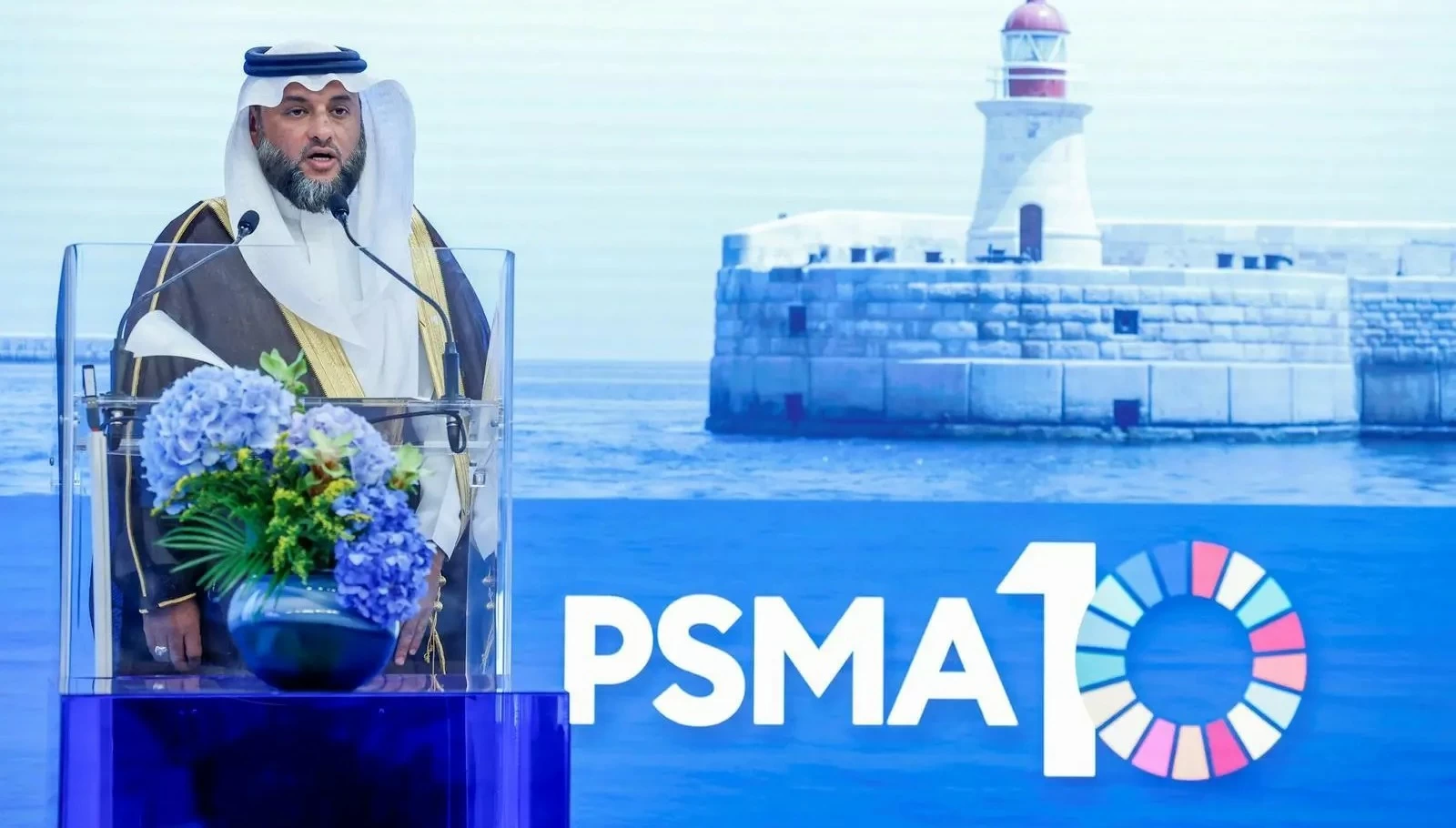
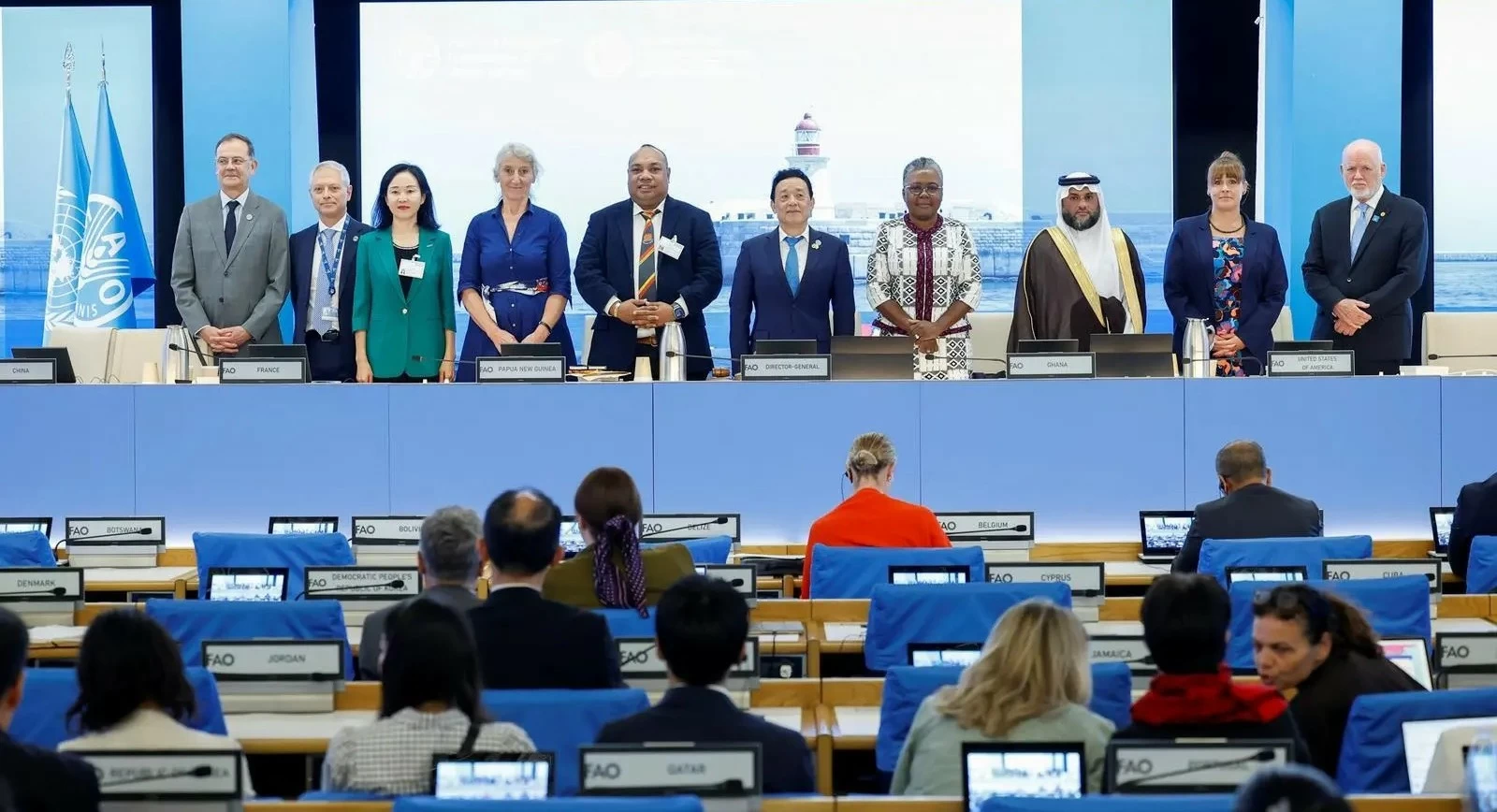
جاء ذلك خلال مشاركة وفد المملكة، الذي رأسه الوكيل المساعد للثروة الحيوانية والسمكية في وزارة البيئة والمياه والزراعة الدكتور علي بن محمد الشيخي، في أعمال الدورة السابعة والثلاثين للجنة مصايد الأسماك (COFI37)، والحدث الرفيع المستوى للاحتفال بمرور 10 سنوات على دخول اتفاق تدابير دولة الميناء حيز النفاذ، المنعقدين في مقر منظمة الأغذية والزراعة للأمم المتحدة «الفاو» بالعاصمة الإيطالية روما.
وأوضح الدكتور الشيخي، خلال كلمته في الحدث رفيع المستوى، أن المملكة تنظر إلى البحار والمحيطات بوصفها إرثاً مشتركاً وركيزة للأمن الغذائي والتنمية والازدهار، وأن التحديات التي تواجه الموارد البحرية تتجاوز الحدود الوطنية، وتتطلب استجابة دولية متكاملة تقوم على التعاون والشفافية والابتكار والالتزام بالتنفيذ.
وأشار الشيخي إلى أن المملكة -انسجاماً مع مستهدفات رؤية السعودية 2030- تواصل تطوير منظومتها الوطنية لإدارة المصايد البحرية، وتعزيز أطر الحوكمة والرقابة والامتثال، ورفع كفاءة التفتيش، وتحسين جودة البيانات، والاستفادة من التقنيات الحديثة في التتبع والرصد؛ بما يعزز الإدارة المستدامة للموارد البحرية، ويرسخ شفافية سلاسل الإمداد، ويدعم تنمية الاقتصاد الأزرق.
وأكد أن البحر الأحمر يحظى بمكانة خاصة في جهود المملكة، لما يتميز به من تنوع أحيائي فريد ونظم بيئية ذات أهمية بيئية واقتصادية وتنموية، مبيناً أن المملكة تعمل على ترسيخ نموذج متوازن بين طموحات التنمية ومتطلبات الاستدامة، من خلال حماية الموائل البحرية الحساسة، وتنظيم أنشطة الصيد، وتعزيز الرقابة والتتبع، وتطوير إدارة عمليات الإنزال، وتشجيع ممارسات الصيد المسؤولة والمستدامة، مشدداً على أهمية تعزيز الشراكة الإقليمية بين الدول المطلة على البحر الأحمر، وتبادل المعلومات والبيانات، وتكامل أعمال الرقابة والتفتيش، وبناء القدرات؛ بما يسهم في حماية موارده واستدامتها للأجيال القادمة.
وتشارك المملكة في أعمال الدورة السابعة والثلاثين للجنة مصايد الأسماك، التي تنعقد خلال الفترة من 7 إلى 11 سبتمبر 2026، وتناقش عدداً من القضايا الرئيسة في قطاعي مصايد الأسماك وتربية الأحياء المائية، من بينها تقرير «حالة الموارد السمكية وتربية الأحياء المائية في العالم 2026»، والتقدم المحرز في مكافحة الصيد غير القانوني دون إبلاغ ودون تنظيم، وتنفيذ الصكوك الدولية ذات الصلة، والتكيف مع تغير المناخ والتخفيف من آثاره، ودعم مصايد الأسماك وتربية الأحياء المائية صغيرة النطاق، وتشهد الدورة أيضاً تقديم «ميدالية مارغريتا ليثاراغا» التي تُمنح كل سنتين تقديراً للإسهامات المتميزة في تنفيذ مدونة السلوك بشأن الصيد الرشيد.
وأكدت المملكة أهمية الانتقال خلال المرحلة المقبلة من الرقابة التقليدية إلى الرقابة الذكية، ومن الاستجابة للمخالفات إلى استباقها، مع تعزيز التكامل بين دول العلم والساحل والميناء والسوق، وتوسيع استخدام أنظمة الرصد والتتبع وتحليل البيانات والتقنيات الحديثة.
وجددت المملكة التزامها بمواصلة العمل مع منظمة الأغذية والزراعة للأمم المتحدة والدول الأعضاء والمنظمات الإقليمية والدولية والشركاء؛ لتعزيز الحوكمة الرشيدة للمصايد، ومواجهة الصيد غير القانوني، ودعم استدامة الموارد البحرية والأمن الغذائي العالمي، وتحويل الالتزامات الدولية إلى نتائج وأثر مستدام.
The Kingdom of Saudi Arabia has reaffirmed its commitment to continue its international and regional efforts to enhance the sustainability of marine resources, combat illegal, unreported, and unregulated fishing, and support good governance of fisheries; contributing to the protection of global food security and the sustainability of marine ecosystems.
This came during the participation of the Saudi delegation, headed by Dr. Ali bin Mohammed Al-Sheikhi, the Assistant Undersecretary for Animal and Fish Wealth at the Ministry of Environment, Water, and Agriculture, in the proceedings of the 37th session of the Committee on Fisheries (COFI37) and the high-level event celebrating the 10th anniversary of the entry into force of the Port State Measures Agreement, held at the headquarters of the Food and Agriculture Organization of the United Nations (FAO) in the Italian capital, Rome.
Dr. Al-Sheikhi explained, during his speech at the high-level event, that the Kingdom views the seas and oceans as a shared heritage and a pillar for food security, development, and prosperity, and that the challenges facing marine resources transcend national borders, requiring an integrated international response based on cooperation, transparency, innovation, and a commitment to implementation.
He pointed out that the Kingdom - in line with the targets of Saudi Vision 2030 - continues to develop its national system for managing marine fisheries, enhancing governance, oversight, and compliance frameworks, improving inspection efficiency, enhancing data quality, and utilizing modern technologies for tracking and monitoring; thereby promoting the sustainable management of marine resources, reinforcing supply chain transparency, and supporting the development of the blue economy.
He emphasized that the Red Sea holds a special place in the Kingdom's efforts, due to its unique biodiversity and ecosystems of environmental, economic, and developmental significance, indicating that the Kingdom is working to establish a balanced model between development ambitions and sustainability requirements, through the protection of sensitive marine habitats, regulating fishing activities, enhancing oversight and monitoring, developing landing operation management, and encouraging responsible and sustainable fishing practices. He stressed the importance of enhancing regional partnerships among Red Sea coastal states, exchanging information and data, integrating oversight and inspection efforts, and building capacities; contributing to the protection and sustainability of its resources for future generations.
The Kingdom is participating in the 37th session of the Committee on Fisheries, which will be held from September 7 to 11, 2026, discussing several key issues in the fisheries and aquaculture sectors, including the report on "The State of World Fisheries and Aquaculture 2026," progress made in combating illegal, unreported, and unregulated fishing, implementing relevant international instruments, adapting to climate change and mitigating its effects, and supporting small-scale fisheries and aquaculture. The session will also witness the presentation of the "Margarita Letharaga Medal," awarded every two years in recognition of outstanding contributions to the implementation of the Code of Conduct for Responsible Fisheries.
The Kingdom emphasized the importance of transitioning in the upcoming phase from traditional oversight to smart oversight, from responding to violations to anticipating them, while enhancing integration among the states of science, coast, port, and market, and expanding the use of monitoring and tracking systems, data analysis, and modern technologies.
The Kingdom renewed its commitment to continue working with the Food and Agriculture Organization of the United Nations, member states, regional and international organizations, and partners; to enhance good governance of fisheries, combat illegal fishing, support the sustainability of marine resources and global food security, and translate international commitments into sustainable results and impacts.