مريم الصغير @Maryam9902، بدرية آل عمر @bdoo_202، عبدالرحمن الأسمري (الرياض) ‏@alasmari_m1
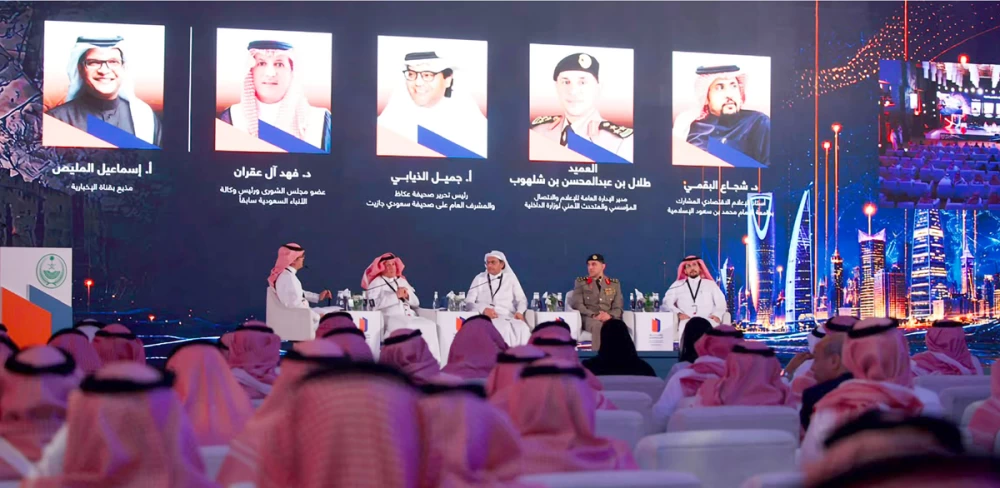
ناقشت جلسة ضمن أعمال مؤتمر «حوار الأمن والتاريخ 2026»، في يومه الختامي بالرياض، العلاقة بين الإعلام والقطاعات الأمنية، وأهمية التواصل والشراكة في صناعة الوعي الوطني، وتعزيز موثوقية المعلومة، ومواجهة الشائعات والمعلومات المضللة، بمشاركة عضو مجلس الشورى ورئيس وكالة الأنباء السعودية سابقاً الدكتور فهد آل عقران، ورئيس تحرير «عكاظ» الزميل جميل الذيابي، ومدير الإدارة العامة للإعلام والاتصال المؤسسي والمتحدث الأمني لوزارة الداخلية العميد طلال بن عبدالمحسن بن شلهوب، وأستاذ الإعلام الاقتصادي المشارك في جامعة الإمام محمد بن سعود الاسلامية شجاع البقمي.
آل عقران: الأمن أساس الازدهار
الدكتور فهد آل عقران.
أكد الدكتور فهد آل عقران أن الأمن ركيزة أساسية للازدهار، وأن الجانب الإعلامي يمثل مكملاً للدور الأمني، بما يعكس أهمية التكامل بين الطرفين في خدمة المجتمع وتعزيز الوعي.
وأوضح أن الإعلام يؤدي دوراً مهماً في إيصال الرسائل التوعوية وترسيخ الثقة بالمعلومات الموثوقة، فيما تسهم الجهات الأمنية في توفير المعلومات التي تمكن وسائل الإعلام من أداء دورها بمهنية ومسؤولية.
وأكد أن العلاقة بين الأمن والإعلام تقوم على التكامل، خصوصاً في ظل التطورات المتسارعة في بيئة الاتصال وانتقال الجمهور من وسائل الإعلام التقليدية إلى المنصات الرقمية.
الذيابي: السبق لا يسبق المسؤولية
الزميل جميل الذيابي.
من جانبه، أوضح جميل الذيابي أن الصحافة السعودية اضطلعت بدور مهم في صناعة الوعي الوطني ومواكبة التحولات التي شهدتها السعودية، مؤكداً أن التطور الكبير في وسائل الاتصال ومنصات التواصل الاجتماعي ضاعف مسؤولية الإعلام في التحقق من المعلومات ومواجهة الأخبار المضللة.
وشدد على أن العمل الصحفي يقوم على الأسبقية والمسؤولية والموضوعية، وأن السبق الصحفي لا ينبغي أن يأتي على حساب دقة المعلومة أو سلامة الإجراءات، خصوصاً عندما يتعلق الأمر بالمعلومات الأمنية الحساسة.
ولفت الذيابي إلى أن سرعة انتشار الشائعات في المنصات الرقمية تجعل من الصعب انتظار انتشار المعلومة غير الدقيقة ثم محاولة تصحيحها، مؤكداً أهمية التواصل الاستباقي وتوفير المعلومات الرسمية في الوقت المناسب.
وأشار إلى أن غياب المعلومة الموثوقة يفتح المجال أمام التكهنات والروايات غير الدقيقة، فيما يسهم التواصل السريع والواضح من الجهات الرسمية في الحد من الشائعات وتعزيز ثقة المجتمع.
وتناول الذيابي التحولات التي فرضها الذكاء الاصطناعي على صناعة الإعلام، مؤكداً أن الأدوات الحديثة أصبحت قادرة على الوصول إلى كميات ضخمة من المعلومات وإنتاج المحتوى بسرعة، لكنها لا تلغي الحاجة إلى الصحفي المحترف.
الشلهوب.. حضور الاتصال الأمني
العميد طلال بن عبدالمحسن بن شلهوب.
وشهدت الجلسة مشاركة المتحدث الأمني لوزارة الداخلية العميد طلال بن عبدالمحسن الشلهوب، مدير الإدارة العامة للإعلام والاتصال المؤسسي، في نقاش يعكس تنامي أهمية الاتصال الأمني في التعامل مع التطورات الإعلامية والرقمية.
وجاءت مشاركته ضمن جلسة ركزت على تطوير العلاقة بين الإعلام والقطاعات الأمنية، وتعزيز التواصل المؤسسي، والتعامل مع المعلومة في بيئة إعلامية تتسم بالسرعة وكثافة المحتوى وتعدد مصادر الأخبار.
البقمي: الحوار يقود إلى النجاح
الأستاذ شجاع البقمي.
وأكد شجاع البقمي أهمية تقدير الجهد الإعلامي وتفهم طبيعة العمل الصحفي وما قد يصاحبه أحيانًا من اجتهاد، معتبرًا أن الحوار والتواصل والشراكة هي الطريق نحو النجاح.
وخلصت الجلسة إلى أن الإعلام والأمن أمام مسؤولية مشتركة في بناء مجتمع أكثر وعياً وقدرة على التعامل مع المعلومات، وأن نجاح هذه العلاقة يتطلب انتقالها من التواصل عند وقوع الأحداث إلى شراكة مستمرة تسبق الحدث وتواكبه وتتعامل مع تداعياته.
وأكدت النقاشات أن سرعة المعلومة الرسمية، ووضوحها ودقتها، تمثل عناصر أساسية في إدارة المشهد الإعلامي، فيما تظل المهنية الإعلامية والالتزام بالتحقق واحترام الاعتبارات الأمنية ركائز أساسية في تغطية القضايا ذات الصلة بالأمن والمجتمع.
وتأتي الجلسة ضمن ختام أعمال مؤتمر «حوار الأمن والتاريخ 2026»، الذي تنظمه وزارة الداخلية في الرياض، بمشاركة واسعة من القيادات والمتخصصين والباحثين والإعلاميين، لمناقشة العلاقة بين الأمن والتاريخ واستشراف المستقبل في ضوء التحولات التي تشهدها السعودية.
The session held as part of the "Security and History Dialogue 2026" conference on its final day in Riyadh discussed the relationship between media and security sectors, the importance of communication and partnership in fostering national awareness, enhancing the reliability of information, and combating rumors and misinformation. The session featured the participation of Shura Council member and former head of the Saudi Press Agency, Dr. Fahd Al-Aqran, editor-in-chief of "Okaz," colleague Jamil Al-Dhiyabi, director of the General Administration of Media and Institutional Communication and spokesperson for the Ministry of Interior, Brigadier General Talal bin Abdul Mohsen Al-Shalhub, and associate professor of economic media at Imam Muhammad bin Saud Islamic University, Shujaa Al-Buqami.
Al-Aqran: Security is the Foundation of Prosperity
الدكتور فهد آل عقران.
Dr. Fahd Al-Aqran emphasized that security is a fundamental pillar of prosperity and that the media aspect complements the security role, reflecting the importance of integration between the two in serving the community and enhancing awareness.
He explained that the media plays a crucial role in conveying awareness messages and establishing trust in reliable information, while security agencies contribute by providing information that enables media outlets to perform their roles professionally and responsibly.
He affirmed that the relationship between security and media is based on integration, especially in light of the rapid developments in the communication environment and the audience's shift from traditional media to digital platforms.
Al-Dhiyabi: Exclusivity Should Not Precede Responsibility
الزميل جميل الذيابي.
For his part, Jamil Al-Dhiyabi clarified that Saudi journalism has played an important role in creating national awareness and keeping pace with the transformations witnessed in Saudi Arabia, stressing that the significant development in communication tools and social media platforms has multiplied the media's responsibility to verify information and confront misleading news.
He emphasized that journalistic work is based on exclusivity, responsibility, and objectivity, and that breaking news should not come at the expense of information accuracy or procedural integrity, especially when it comes to sensitive security information.
Al-Dhiyabi pointed out that the rapid spread of rumors on digital platforms makes it difficult to wait for inaccurate information to circulate and then attempt to correct it, stressing the importance of proactive communication and providing official information in a timely manner.
He noted that the absence of reliable information opens the door to speculation and inaccurate narratives, while swift and clear communication from official sources helps reduce rumors and enhance community trust.
Al-Dhiyabi addressed the transformations imposed by artificial intelligence on the media industry, affirming that modern tools are now capable of accessing vast amounts of information and producing content quickly, but they do not eliminate the need for professional journalists.
Al-Shalhub: The Presence of Security Communication
العميد طلال بن عبدالمحسن بن شلهوب.
The session also featured the participation of the spokesperson for the Ministry of Interior, Brigadier General Talal bin Abdul Mohsen Al-Shalhub, director of the General Administration of Media and Institutional Communication, in a discussion reflecting the growing importance of security communication in dealing with media and digital developments.
His participation came as part of a session focused on developing the relationship between media and security sectors, enhancing institutional communication, and managing information in a media environment characterized by speed, content density, and multiple news sources.
Al-Buqami: Dialogue Leads to Success
الأستاذ شجاع البقمي.
Shujaa Al-Buqami emphasized the importance of appreciating media efforts and understanding the nature of journalistic work, which may sometimes involve diligence, considering that dialogue, communication, and partnership are the path to success.
The session concluded that media and security share a joint responsibility in building a more aware community capable of dealing with information, and that the success of this relationship requires its transition from communication during events to a continuous partnership that precedes, accompanies, and addresses the repercussions of events.
The discussions confirmed that the speed, clarity, and accuracy of official information are essential elements in managing the media landscape, while media professionalism, commitment to verification, and respect for security considerations remain fundamental pillars in covering issues related to security and society.
This session is part of the conclusion of the "Security and History Dialogue 2026" conference, organized by the Ministry of Interior in Riyadh, with wide participation from leaders, specialists, researchers, and journalists to discuss the relationship between security and history and to envision the future in light of the transformations taking place in Saudi Arabia.