عبدالرحمن الأسمري (الرياض) alasmari_m1 @ تصوير: خالد العنزي @KhalidOkaz
أكد رئيس تحرير «عكاظ» والمشرف العام على سعودي جازيت جميل الذيابي، خلال كلمته في إحدى جلسات مؤتمر «حوار الأمن والتاريخ 2026»، أن الإعلام والقطاعات الأمنية يمثلان طرفين أساسيين في منظومة حماية المجتمع وتعزيز استقراره ووعيه، مشدداً على أهمية بناء شراكة مهنية ومؤسسية مستدامة بين الطرفين، تقوم على الثقة والتواصل الفعال والمسؤولية المشتركة.
بناء الوعي المجتمعي وتعزيز الثقة
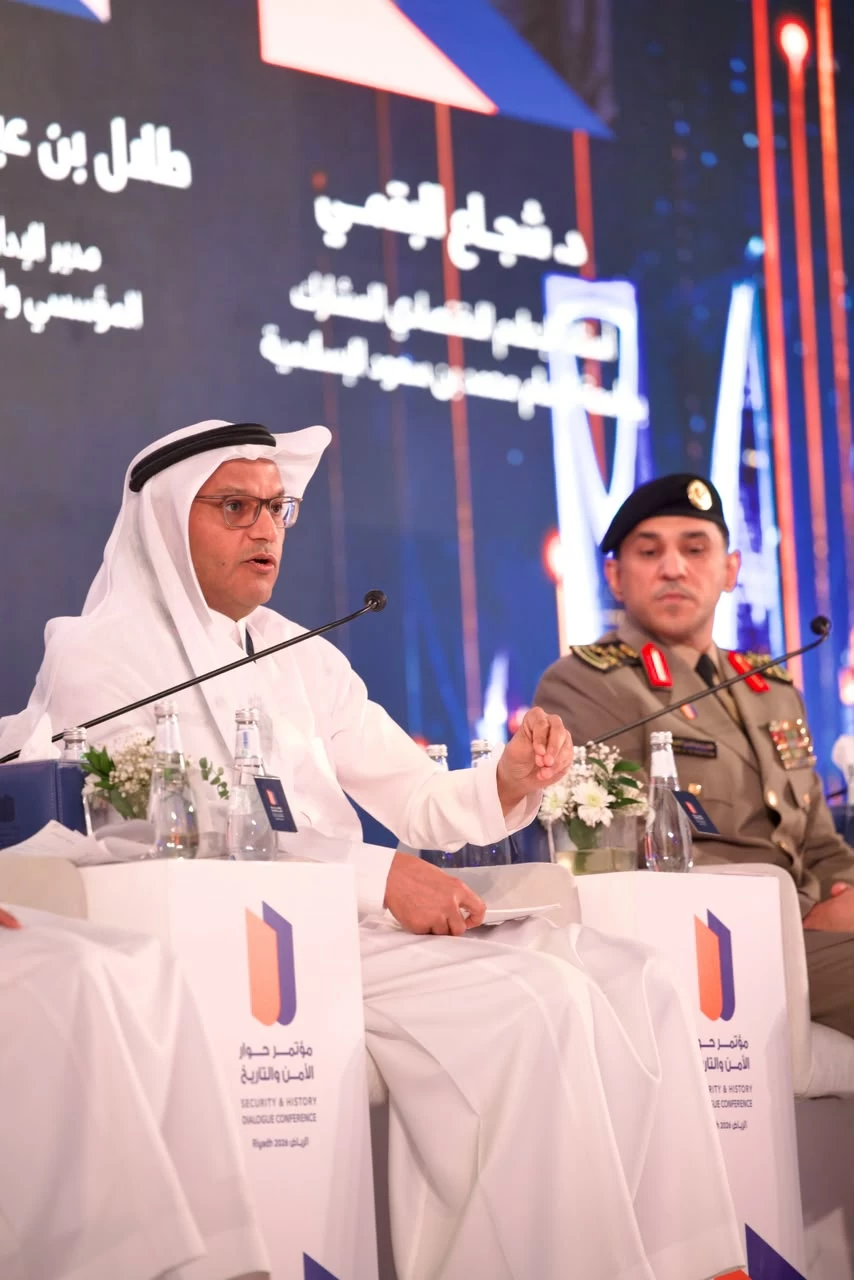
الزميل جميل الذيابي خلال كلمته في إحدى جلسات مؤتمر «حوار الأمن والتاريخ 2026». تصوير: خالد العنزي @KhalidOkaz
وأوضح الذيابي أن التطور المتسارع في وسائل الإعلام ومنصات التواصل الاجتماعي أدى إلى سرعة كبيرة في تداول الأخبار والمعلومات، بالتزامن مع تزايد تحديات الشائعات والمعلومات المضللة، خصوصاً أثناء الأزمات والأحداث الأمنية؛ ما يجعل العلاقة بين الإعلام والقطاعات الأمنية أحد المحاور المهمة في بناء الوعي المجتمعي وتعزيز الثقة بين المؤسسات والجمهور.
وأشار إلى أن الإعلام شريك في تعزيز الأمن المجتمعي من خلال نشر الوعي وتصحيح المفاهيم ومواجهة الشائعات ودعم الحملات التوعوية، في الوقت الذي تحتاج فيه المؤسسات الإعلامية إلى مصادر رسمية موثوقة وسريعة التجاوب، تساعدها على تقديم معلومات دقيقة للجمهور.
الزميل جميل الذيابي خلال كلمته في إحدى جلسات مؤتمر «حوار الأمن والتاريخ 2026». تصوير: خالد العنزي @KhalidOkaz
وبيّن أن المرحلة الحالية تتطلب شراكة تتجاوز التواصل المرتبط بالأحداث، لتصبح علاقة مؤسسية مستدامة، مؤكداً أن «لا غنى لأحدهما عن الآخر»، في ظل الحاجة إلى تنسيق مستمر بين الجانبين.
التوازن بين سرعة النشر وسرية المعلومات
ولفت الذيابي إلى أن من أبرز القضايا التي تستحق النقاش مسألة التوازن بين سرعة المعلومة ومتطلبات العمل الأمني، موضحاً أن الإعلام يعمل في بيئة تتسم بالسرعة والتنافس، بينما تتعامل القطاعات الأمنية مع معلومات قد تكون حساسة أو مرتبطة بتحقيقات وإجراءات لا تسمح بالنشر الفوري أو الكامل.
وأكد أن التحدي يتمثل في إيجاد آليات تحقق التوازن بين حق المجتمع في المعرفة والمحافظة في الوقت ذاته على سلامة الإجراءات الأمنية.
المعلومة الرسمية.. أداة لطمأنة المجتمع
الزميل جميل الذيابي خلال كلمته في إحدى جلسات مؤتمر «حوار الأمن والتاريخ 2026». تصوير: خالد العنزي @KhalidOkaz
وشدد الذيابي على أهمية التنسيق بين الإعلام والقطاعات الأمنية خلال الأزمات والأحداث الطارئة، حيث يرتفع طلب الجمهور على المعلومات وتتزايد احتمالات انتشار الأخبار غير الدقيقة.
وقال: «إن سرعة المعلومة الرسمية ووضوحها ودقتها تصبح في مثل هذه الظروف من أهم أدوات إدارة المشهد الإعلامي وطمأنة المجتمع، مع أهمية الدور الذي يؤديه المتحدث الرسمي والقنوات الرقمية الرسمية في تقديم تحديثات متواصلة تقلل التكهنات وتحد من انتشار الشائعات».
«التواصل الاستباقي» لمواجهة التضليل
وتطرق الذيابي إلى التحديات التي فرضتها منصات التواصل الاجتماعي، مشيراً إلى أن أي شخص أصبح قادراً على نشر صورة أو مقطع أو معلومة خلال لحظات، وقد تصل الرواية غير الدقيقة إلى الجمهور قبل صدور التوضيح الرسمي.
وأكد أن التعامل مع الشائعة بعد انتشارها لم يعد كافياً، داعياً إلى تطوير «تواصل استباقي» يوفر المعلومات الموثوقة، إلى جانب تعزيز التعاون بين الجهات الأمنية ووسائل الإعلام في التحقق من المحتوى ومواجهة التضليل.
مسؤولية الإعلام في التغطية الأمنية
وأكد الذيابي أن وسائل الإعلام تتحمل مسؤولية مهنية كبيرة في تغطية القضايا الأمنية، خصوصاً فيما يتعلق بحماية خصوصية الضحايا، وعدم التأثير في التحقيقات، والتحقق من المعلومات قبل نشرها، وتجنب تداول المقاطع أو الصور التي قد تسبب ضرراً اجتماعياً أو أمنياً.
وأشار إلى أن هذه المسؤولية تتطلب من الوسيلة الإعلامية تقدير ما يتعين نشره وما ينبغي حجبه، بما يوازن بين حق الجمهور في المعرفة والاعتبارات المهنية والأمنية.
من التواصل وقت الحدث إلى الشراكة قبل وقوعه
ودعا إلى تطوير العلاقة بين الإعلام والقطاعات الأمنية، والانتقال من التواصل المرتبط بوقوع الأحداث إلى شراكة مؤسسية دائمة، تشمل عقد لقاءات دورية، وتنظيم برامج تدريب مشتركة، وتحديد قنوات اتصال مباشرة، وإعداد أدلة مهنية للتغطية الأمنية، إلى جانب تطوير خطط اتصال واضحة لإدارة الأزمات.
الثقة المتبادلة أساس العلاقة
وأكد أن بناء شراكة فاعلة بين الإعلام والقطاعات الأمنية لا يمكن أن يتم دون ثقة متبادلة، تُبنى عبر الالتزام بالدقة والوضوح وسرعة التجاوب واحترام استقلالية الإعلام، وفي الوقت نفسه احترام الاعتبارات الأمنية والمهنية.
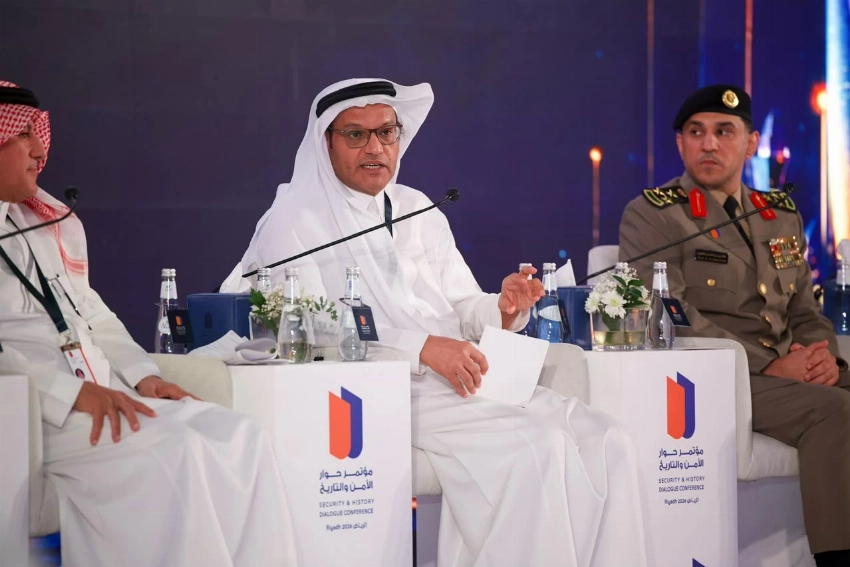
الزميل جميل الذيابي، برفقة المتحدثين في الجلسة. تصوير : خالد العنزي @KhalidOkaz
وأشار إلى أهمية تجاوز العلاقة التقليدية القائمة على مفهوم «المصدر» و«الوسيط» إلى مفهوم أوسع يقوم على الحوار والتدريب والتعاون، من خلال لقاءات دورية بين المتحدثين الرسميين والصحفيين، وورش عمل مشتركة حول إدارة الأزمات وأخلاقيات النشر في القضايا الأمنية وآليات التحقق من المعلومات المتداولة في المنصات الرقمية.
وطرح الذيابي مجموعة من الأسئلة التي وصفها بالرئيسة لتعزيز هذه العلاقة، من بينها: كيف يمكن تعزيز الثقة بين الإعلام والقطاعات الأمنية؟ وكيف يمكن تحقيق التوازن بين سرعة النشر ودقة المعلومة وسريتها؟ وما أفضل الآليات لمواجهة الشائعات والمعلومات المضللة؟ وكيف يمكن الانتقال من التواصل المؤقت إلى الشراكة المستدامة؟
واختتم بالتأكيد على أن نجاح العلاقة بين الإعلام والقطاعات الأمنية لا يقاس فقط بكمية المعلومات المتبادلة، وإنما بقدرتها على بناء الثقة وتحقيق المصلحة العامة، والوصول إلى نموذج يقوم على التواصل السريع والموثوق، والتنسيق المستمر، والشراكة قبل الحدث وأثناءه وبعده، بما يسهم في تعزيز الوعي والأمن المجتمعي.
The Editor-in-Chief of "Okaz" and General Supervisor of Saudi Gazette, Jamil Al-Dhiabi, emphasized during his speech at one of the sessions of the "Security and History Dialogue 2026" conference that media and security sectors represent two essential parties in the system of community protection, enhancing its stability and awareness. He stressed the importance of building a sustainable professional and institutional partnership between the two sides, based on trust, effective communication, and shared responsibility.
Building Community Awareness and Enhancing Trust
الزميل جميل الذيابي خلال كلمته في إحدى جلسات مؤتمر «حوار الأمن والتاريخ 2026». تصوير: خالد العنزي @KhalidOkaz
Al-Dhiabi explained that the rapid development in media and social media platforms has led to a significant speed in the dissemination of news and information, coinciding with the increasing challenges of rumors and misleading information, especially during crises and security events. This makes the relationship between media and security sectors one of the important axes in building community awareness and enhancing trust between institutions and the public.
He pointed out that the media is a partner in enhancing community security by spreading awareness, correcting misconceptions, confronting rumors, and supporting awareness campaigns, at a time when media institutions need reliable and responsive official sources to help them provide accurate information to the public.
الزميل جميل الذيابي خلال كلمته في إحدى جلسات مؤتمر «حوار الأمن والتاريخ 2026». تصوير: خالد العنزي @KhalidOkaz
He indicated that the current phase requires a partnership that goes beyond communication related to events, to become a sustainable institutional relationship, affirming that "neither can do without the other," in light of the need for continuous coordination between the two sides.
Balancing Speed of Publication and Confidentiality of Information
Al-Dhiabi highlighted that one of the most important issues worth discussing is the balance between the speed of information and the requirements of security work, explaining that the media operates in an environment characterized by speed and competition, while security sectors deal with information that may be sensitive or related to investigations and procedures that do not allow for immediate or complete publication.
He confirmed that the challenge lies in finding mechanisms that achieve a balance between the community's right to know while maintaining the integrity of security procedures.
Official Information.. A Tool to Reassure the Community
الزميل جميل الذيابي خلال كلمته في إحدى جلسات مؤتمر «حوار الأمن والتاريخ 2026». تصوير: خالد العنزي @KhalidOkaz
Al-Dhiabi stressed the importance of coordination between media and security sectors during crises and emergencies, where public demand for information increases and the likelihood of spreading inaccurate news rises.
He said: "The speed, clarity, and accuracy of official information become, under such circumstances, one of the most important tools for managing the media scene and reassuring the community, along with the important role played by the official spokesperson and official digital channels in providing continuous updates that reduce speculation and limit the spread of rumors."
"Proactive Communication" to Counter Misinformation
Al-Dhiabi addressed the challenges posed by social media platforms, noting that anyone can now publish a photo, video, or information within moments, and an inaccurate narrative can reach the public before an official clarification is issued.
He emphasized that dealing with rumors after they spread is no longer sufficient, calling for the development of "proactive communication" that provides reliable information, alongside enhancing cooperation between security agencies and media in verifying content and countering misinformation.
The Media's Responsibility in Security Coverage
Al-Dhiabi affirmed that media outlets bear a significant professional responsibility in covering security issues, especially regarding protecting the privacy of victims, not influencing investigations, verifying information before publication, and avoiding the dissemination of clips or images that may cause social or security harm.
He pointed out that this responsibility requires media outlets to assess what should be published and what should be withheld, balancing the public's right to know with professional and security considerations.
From Event-Driven Communication to Pre-Event Partnership
He called for developing the relationship between media and security sectors, transitioning from event-driven communication to a permanent institutional partnership, which includes holding regular meetings, organizing joint training programs, establishing direct communication channels, and preparing professional guidelines for security coverage, in addition to developing clear communication plans for crisis management.
Mutual Trust as the Foundation of the Relationship
He affirmed that building an effective partnership between media and security sectors cannot be achieved without mutual trust, which is built through a commitment to accuracy, clarity, responsiveness, and respect for media independence, while also respecting security and professional considerations.
الزميل جميل الذيابي، برفقة المتحدثين في الجلسة. تصوير : خالد العنزي @KhalidOkaz
He pointed out the importance of moving beyond the traditional relationship based on the concept of "source" and "intermediary" to a broader concept based on dialogue, training, and cooperation, through regular meetings between official spokespersons and journalists, and joint workshops on crisis management, publishing ethics in security issues, and mechanisms for verifying information circulated on digital platforms.
Al-Dhiabi posed a set of questions that he described as essential to enhancing this relationship, including: How can trust between media and security sectors be strengthened? How can a balance be achieved between the speed of publication, the accuracy of information, and its confidentiality? What are the best mechanisms to counter rumors and misleading information? How can we transition from temporary communication to sustainable partnership?
He concluded by emphasizing that the success of the relationship between media and security sectors is not measured solely by the quantity of exchanged information, but by its ability to build trust, achieve the public interest, and reach a model based on rapid and reliable communication, continuous coordination, and partnership before, during, and after events, contributing to enhancing awareness and community security.