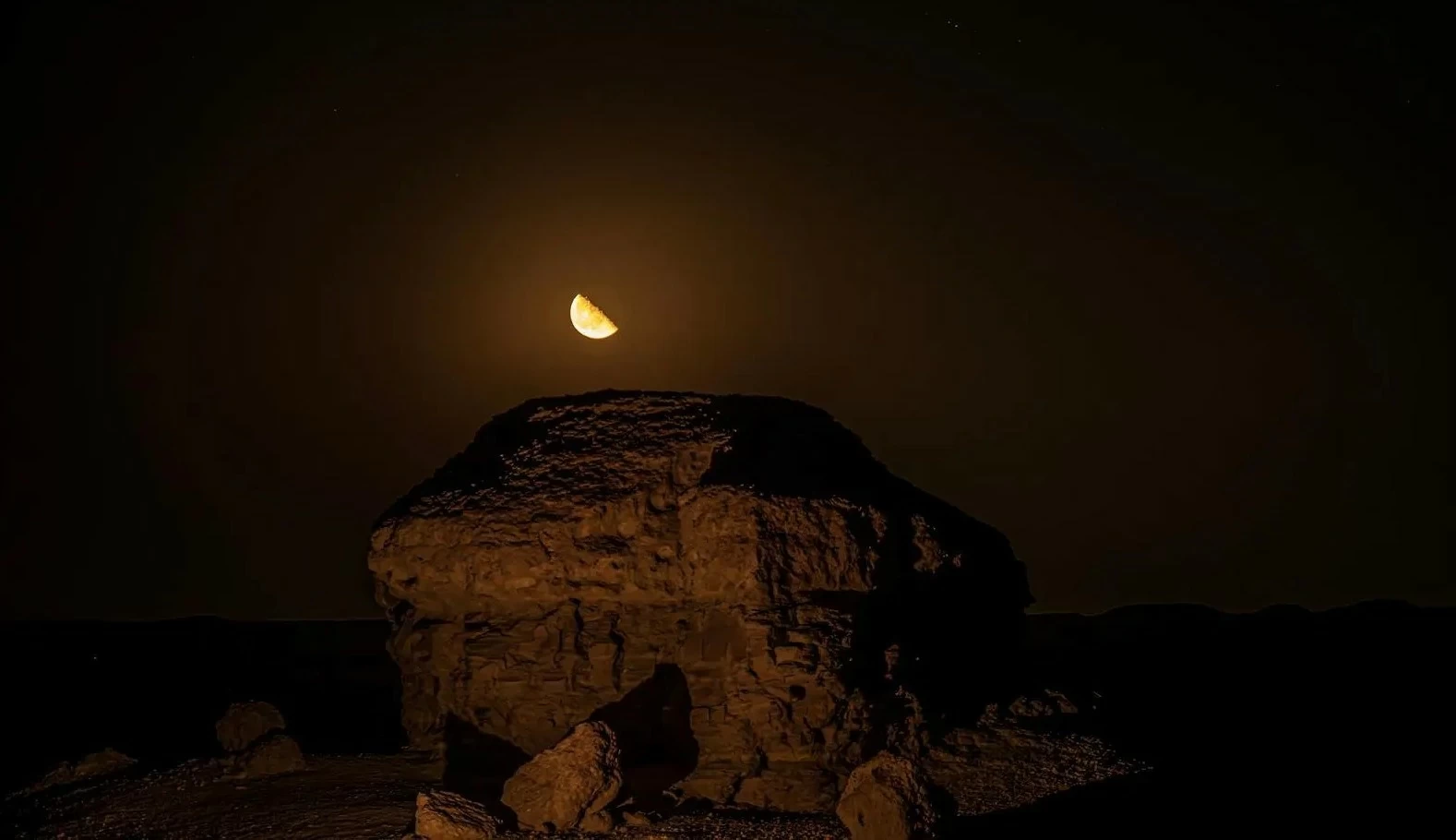
زيّن قمر شهر ربيع الأول لعام 1448هـ سماء مدينة عرعر والمملكة فجر اليوم (الجمعة)، بالتزامن مع بلوغه طور التربيع الأخير، إحدى المراحل الرئيسة لدورة القمر الشهرية حول الأرض.
وأوضح عضو نادي الفلك والفضاء عدنان خليفة أن القمر ظهر خلال ساعات الفجر بنصف قرص مضاء تقريبًا، مشيرًا إلى أن طور التربيع الأخير يحدث بعد اكتمال البدر بنحو أسبوع، عندما تبلغ الزاوية بين الشمس والأرض والقمر نحو 90 درجة.
وبيّن أن القمر في هذه المرحلة يشرق عادةً قرب منتصف الليل، ويظل مشاهدًا خلال النصف الثاني من الليل وساعات الصباح، قبل أن يغرب قرب منتصف النهار.
وأشار خليفة إلى أن فترة التربيع الأخير تُعد من الأوقات المناسبة لرصد تضاريس سطح القمر، إذ تسهم زاوية سقوط أشعة الشمس في تكوين ظلال واضحة على امتداد الخط الفاصل بين الجزء المضيء والمظلم، مما يُبرز الفوهات والجبال والتضاريس القمرية بصورة أوضح.
وأضاف أن القمر سيواصل خلال الأيام القادمة تناقص الجزء المضاء من قرصه تدريجيًا، لينتقل إلى طور الهلال المتناقص، وصولًا إلى المحاق وبداية دورة قمرية جديدة.
The moon of the month of Rabi' al-Awwal in the year 1448 AH adorned the sky of the city of Arar and the Kingdom early this morning (Friday), coinciding with its reaching the last quarter phase, one of the main stages of the moon's monthly cycle around the Earth.
Adnan Khalifa, a member of the Astronomy and Space Club, explained that the moon appeared during the dawn hours with approximately half of its disk illuminated, noting that the last quarter phase occurs about a week after the full moon, when the angle between the sun, Earth, and moon is about 90 degrees.
He indicated that the moon in this phase usually rises around midnight and remains visible during the second half of the night and the morning hours, before setting around noon.
Khalifa pointed out that the last quarter period is considered one of the suitable times to observe the moon's surface topography, as the angle of sunlight contributes to the formation of clear shadows along the dividing line between the illuminated and dark parts, highlighting craters, mountains, and lunar terrain more distinctly.
He added that the moon will continue to gradually decrease the illuminated part of its disk in the coming days, transitioning to the waning crescent phase, leading to the new moon and the beginning of a new lunar cycle.