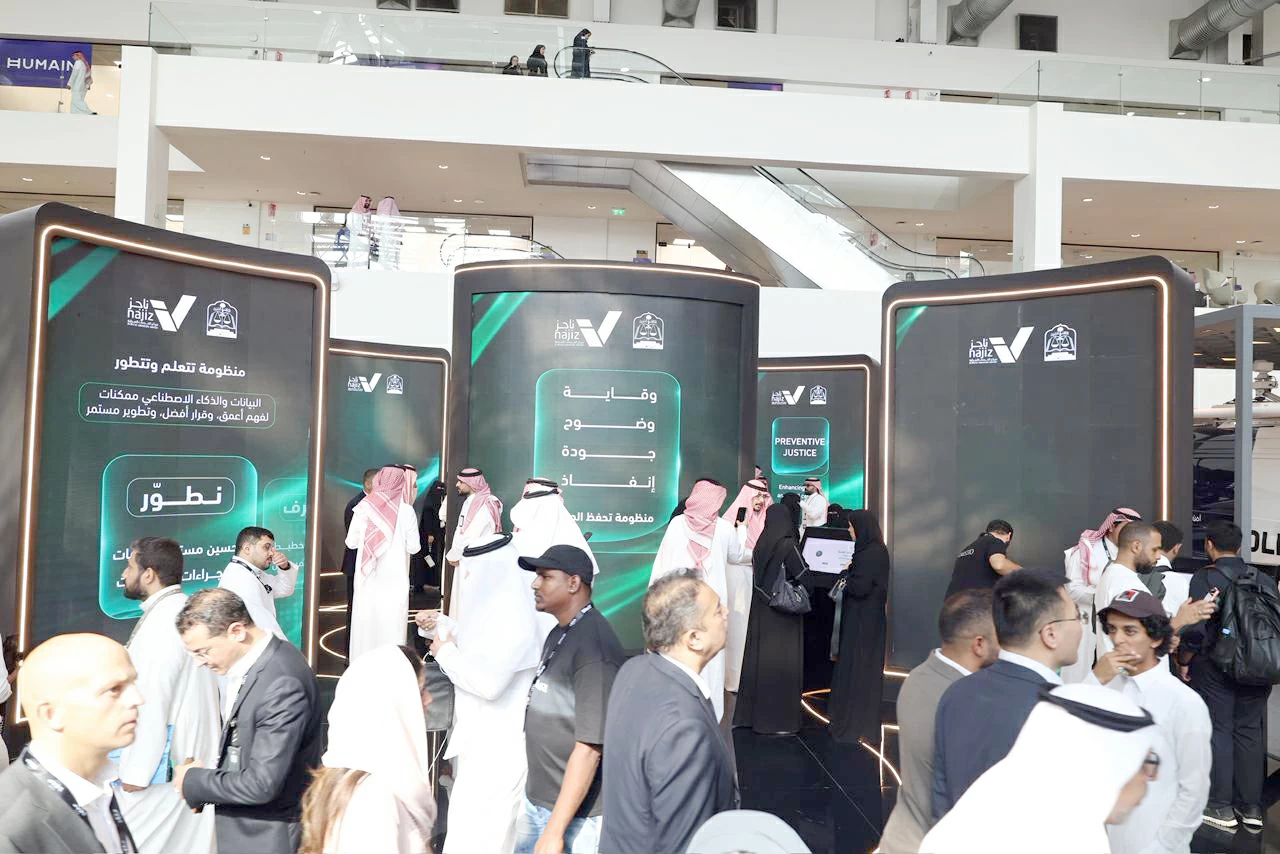
كشف مدير منصة «ناجز» المهندس عبدالرحمن الشغدلي لـ«عكاظ»، توجّه وزارة العدل لتطوير منظومة عدلية جديدة تقوم على نهج مؤسسي يركّز على الوقاية، ووضوح الإجراءات، ورفع الجودة، وإنفاذ الحقوق، مع توظيف التقنيات الحديثة والذكاء الاصطناعي لتطوير رحلة المستفيد وتيسير وصوله إلى حقوقه.
وأوضح الشغدلي، خلال حديثه لـ«عكاظ» من جناح وزارة العدل في مؤتمر «ليب 2026»، أن الوزارة تستعرض رحلة المنظومة العدلية بدءًا من تقديم الدعاوى، إلى جانب نموذج يعتمد على الذكاء الاصطناعي لتبسيط الإجراءات وتحسين تجربة المستفيد.
وأشار إلى أن الوزارة تستعرض أيضًا منظومة «ميزان»، التي تتيح للقضاة إدارة القضايا بصورة أكثر سهولة وسلاسة، من خلال توظيف التقنيات الحديثة في تطوير العمل العدلي ورفع جودة الخدمات.
وبيّن أن «رحلة التركات» تمثل أحد الحلول المستعرضة، إذ تمكّن المستفيد من الوصول إلى حقوق الورثة والتعامل مع التركة وقسمتها، سواء بالتراضي بين الأطراف أو عند وجود خلاف، عبر إجراءات واضحة تحفظ الحقوق.
وأكد الشغدلي، أن تطوير المنظومة العدلية مسؤولية تكاملية لا تقتصر على وزارة العدل، بل تشمل مختلف أطرافها، ومن بينهم المحامون وأصحاب الخبرة، لافتًا إلى منصة «خبرة» التي تمكّن القضاة من الوصول إلى الخبرات اللازمة في المجال القضائي.
وأوضح أن المحامين يشكّلون عنصرًا أساسيًا في المنظومة العدلية المتكاملة، مشيرًا إلى أن الحلول التي تستعرضها الوزارة تعكس توجهًا لتوظيف التقنية في مختلف مراحل الرحلة العدلية، بما يعزّز وضوح الخدمات وسهولة الوصول إلى الحقوق. وأكد الشغدلي أن المنظومة العدلية لا ترتكز على وزارة العدل وحدها، وإنما تقوم على التكامل بين مختلف أطرافها، ومن بينهم المحامون وأصحاب الخبرة، لافتًا إلى استعراض منصة «خبرة»، التي تمكّن القضاة من الوصول إلى الخبرات التي يحتاجون إليها في المجال القضائي.
وبيّن أن المحامين يمثلون بدورهم جزءًا مهمًا من المنظومة العدلية المتكاملة، مشيرًا إلى أن ما تستعرضه الوزارة يعكس توجهًا واضحًا نحو توظيف التقنيات الحديثة في مختلف مراحل الرحلة العدلية، بما يجعل الوصول إلى الخدمات والحقوق أكثر وضوحًا وسهولة للمستفيدين.
The Director of the "Najiz" platform, Engineer Abdulrahman Al-Shughadli, revealed to "Okaz" the Ministry of Justice's direction to develop a new judicial system based on an institutional approach that focuses on prevention, clarity of procedures, quality enhancement, and enforcement of rights, while employing modern technologies and artificial intelligence to improve the beneficiary's journey and facilitate their access to their rights.
Al-Shughadli explained during his conversation with "Okaz" from the Ministry of Justice's booth at the "LEAP 2026" conference that the ministry is showcasing the journey of the judicial system starting from filing lawsuits, alongside a model that relies on artificial intelligence to simplify procedures and enhance the beneficiary's experience.
He pointed out that the ministry is also presenting the "Mizan" system, which allows judges to manage cases more easily and smoothly by utilizing modern technologies to develop judicial work and improve service quality.
He indicated that the "Inheritance Journey" represents one of the showcased solutions, as it enables beneficiaries to access the rights of heirs and deal with the inheritance and its division, whether by mutual agreement between the parties or in the case of disputes, through clear procedures that protect rights.
Al-Shughadli emphasized that developing the judicial system is a collective responsibility that does not rest solely with the Ministry of Justice, but includes various stakeholders, including lawyers and experts, noting the "Khibrat" platform that enables judges to access the necessary expertise in the judicial field.
He clarified that lawyers are a fundamental element in the integrated judicial system, pointing out that the solutions presented by the ministry reflect a trend to employ technology at various stages of the judicial journey, enhancing the clarity of services and ease of access to rights. Al-Shughadli confirmed that the judicial system does not rely solely on the Ministry of Justice, but is based on the integration of various stakeholders, including lawyers and experts, highlighting the "Khibrat" platform, which enables judges to access the expertise they need in the judicial field.
He indicated that lawyers also represent an important part of the integrated judicial system, noting that what the ministry presents reflects a clear trend towards employing modern technologies at various stages of the judicial journey, making access to services and rights clearer and easier for beneficiaries.