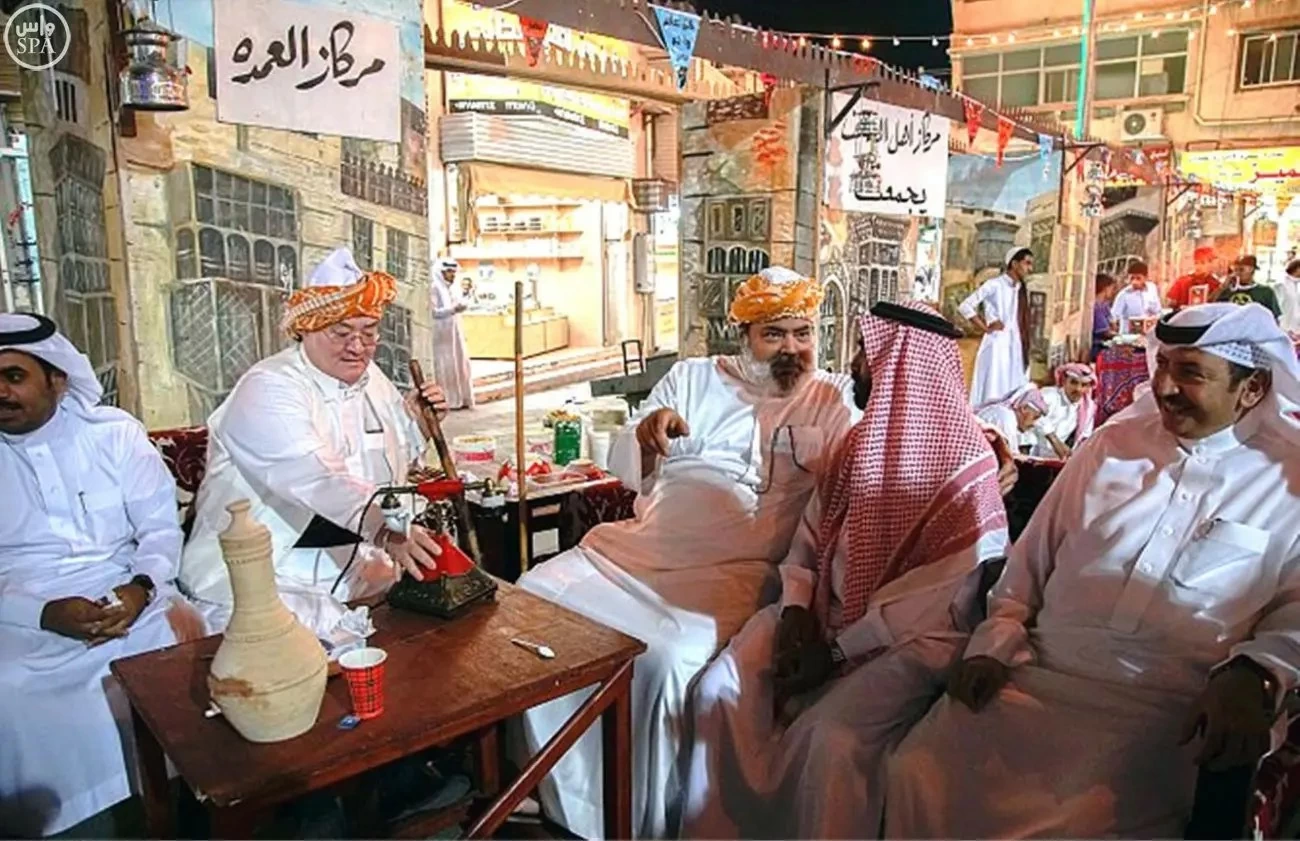
علمت «عكاظ» أن الجهات المختصة وافقت أخيراً على تشكيل لجنة تختص بتنمية وتطوير خدمات العُمد، وتشجيع سكان الأحياء على التعاون معهم لأداء واجباتهم، وفق نظام العُمد ولائحته التنفيذية.
اختصاص بـ 12 مهمة
يُعد العمدة ونوابه من رجال الأمن المساهمين في حفظ النظام واستتباب الأمن داخل الأحياء، وتشمل اختصاصاتهم 12 مهمة، أبرزها متابعة الأوضاع الأمنية، والإبلاغ عن الحوادث والتصرفات المشبوهة، والتحري عن مجهولي الهوية والموجودين بصورة غير نظامية والفارين من وجه العدالة، إضافة إلى مراقبة حمل وإحراز الأسلحة والتعاون مع الجهات الأمنية والمحققين.
تقرير يومي
تشمل مهامهم مرافقة ممثلي السلطة عند دخول المنازل وتفتيشها، ومساندة الدوريات والموظفين المكلفين بمهام رسمية، ومساعدة المحضرين ومندوبي الجهات الحكومية في تنفيذ أعمالهم، وتصديق بعض الأوراق الرسمية، إلى جانب التبليغ عن المستحقين لخدمات الضمان الاجتماعي وجمعيات البر، ورصد العبث بالمرافق العامة أو إساءة استخدامها.
يلتزم العمدة برفع تقرير يومي إلى مرجعه المباشر عن الحوادث والمسائل المهمة المرتبطة بالأمن في نطاق اختصاصه، وفق نموذج تحدده اللائحة التنفيذية.
حلقة وصل
أوضح اللواء المتقاعد سالم المطرفي أن العُمد يمثلون حلقة وصل بين سكان الأحياء والشرطة والجهات الخدمية، ويسهمون في التعرف على أحوال السكان، ومساعدة المحتاجين، ودعم الجمعيات الخيرية، والإصلاح بين المتخاصمين، وتعزيز التواصل والتراحم بين الجيران.
وأشار إلى أن الاعتقاد بانتهاء دور العمدة أو اختفاء مكاتبهم غير صحيح. وبين أن عدداً من العُمد لا يزالون يمارسون أعمالهم من مكاتب داخل الأحياء، فيما يعمل آخرون من مكاتب مخصصة لهم في مراكز الشرطة ووجودهم لا يزال ضرورياً، في دعم الأجهزة الأمنية، ومكافحة الجريمة، ورصد مكامن الخلل، داعياً إلى إعادة تفعيل دورهم وتطوير خدماتهم بما يتناسب مع المتغيرات الحالية.
Okaz learned that the relevant authorities have finally approved the formation of a committee specialized in developing and enhancing the services of neighborhood leaders, and encouraging residents to cooperate with them in fulfilling their duties, in accordance with the neighborhood leaders' system and its executive regulations.
Responsibilities Involving 12 Tasks
The neighborhood leaders and their deputies are security personnel contributing to maintaining order and security within the neighborhoods. Their responsibilities include 12 tasks, the most prominent of which are monitoring security situations, reporting incidents and suspicious behaviors, investigating unidentified individuals and those present illegally, as well as those fleeing from justice, in addition to monitoring the carrying and possession of weapons and cooperating with security authorities and investigators.
Daily Report
Their tasks include accompanying authority representatives when entering and searching homes, supporting patrols and employees assigned to official duties, assisting process servers and representatives of government agencies in carrying out their work, certifying some official documents, as well as reporting those entitled to social security services and charitable associations, and monitoring vandalism of public facilities or their misuse.
The neighborhood leader is committed to submitting a daily report to their direct supervisor regarding incidents and important issues related to security within their jurisdiction, according to a template specified by the executive regulations.
Linking Role
Retired Major General Salem Al-Mutrifi clarified that neighborhood leaders represent a link between residents and the police and service agencies. They contribute to understanding the residents' conditions, assisting those in need, supporting charitable associations, mediating between disputants, and enhancing communication and compassion among neighbors.
He pointed out that the belief in the end of the neighborhood leaders' role or the disappearance of their offices is incorrect. He noted that some neighborhood leaders still carry out their work from offices within the neighborhoods, while others work from designated offices in police stations, and their presence remains essential in supporting security agencies, combating crime, and identifying areas of concern, calling for the reactivation of their roles and the development of their services to align with current changes.