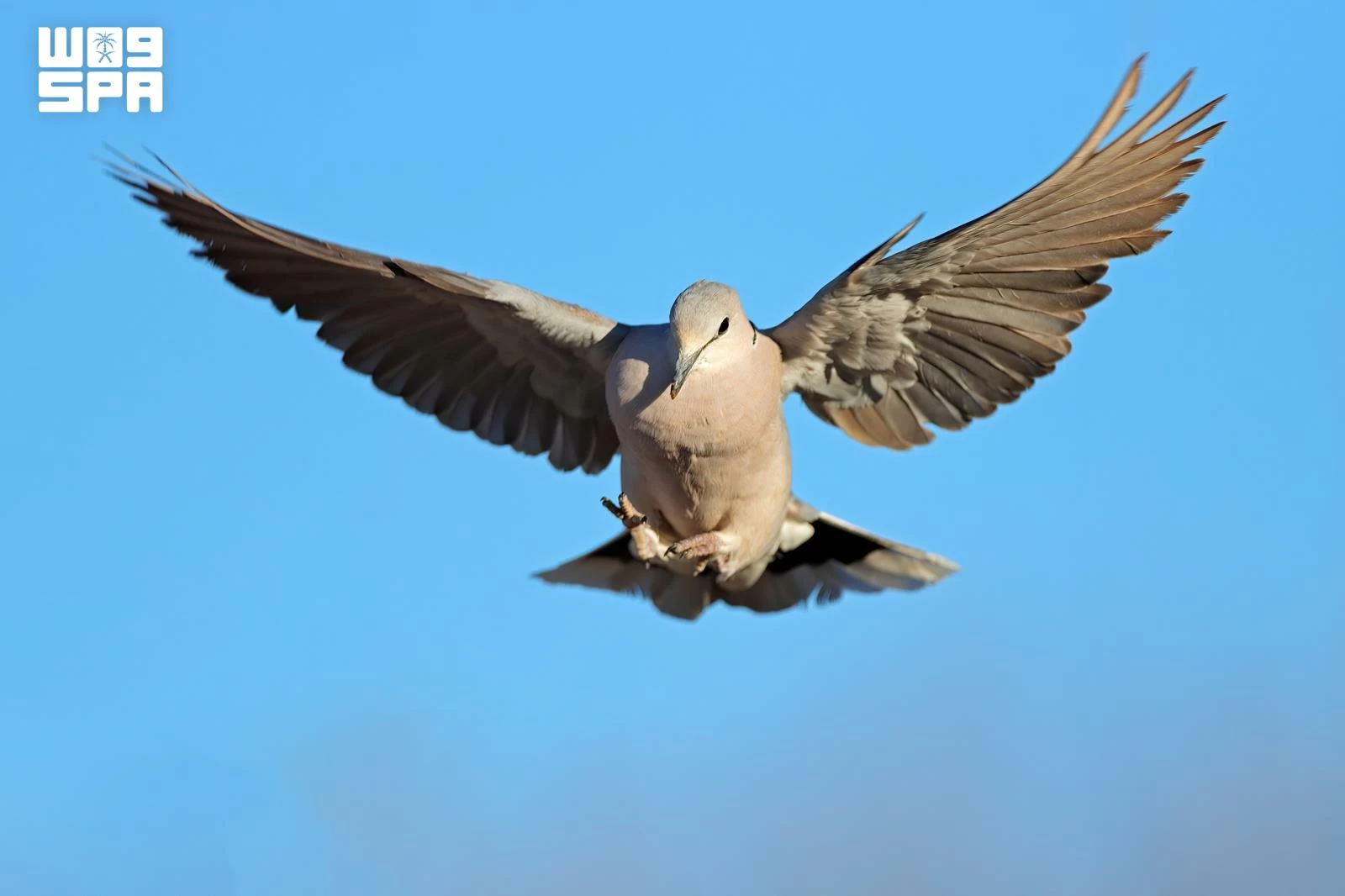
أعلن المركز الوطني لتنمية الحياة الفطرية انطلاق موسم الصيد في السعودية لعام 2026-2027، اعتباراً من اليوم وحتى 31 يناير 2027، مع السماح بصيد 30 نوعاً وفق ضوابط محددة، ورفع الحصة الوطنية 11% وزيادة عدد الرخص 34%، في إطار تنظيم يهدف إلى دعم الصيد المستدام وحماية التنوع الأحيائي.
يبدأ الموسم اعتباراً من اليوم وحتى 31 يناير 2027. (واس).
حظر صيد الأنواع المهددة بالانقراض
ويشترط على حاملي بنادق الصيد المرخصة والصقارين المسجلين في نادي الصقور السعودي الحصول على تصاريح عبر منصة «فطري»، على أن يقتصر الصيد على الأنواع والوسائل المسموح بها نظاماً. وأكد المركز الحظر الدائم لصيد الأنواع الفطرية المهددة بالانقراض، ومنع الصيد في المدن والقرى والمزارع والاستراحات والمناطق السكنية، وبالقرب من المنشآت العسكرية والصناعية والحيوية، وداخل المحميات والمشاريع الكبرى، إضافة إلى حظر الصيد على امتداد سواحل المملكة بعمق 20 كيلومتراً باتجاه البر.
عقوبات ضد المخالفين
ويحظر استخدام الوسائل غير النظامية، ومنها بنادق الرش وشباك الصيد ووسائل الجذب والنداء، مع التأكيد على تطبيق العقوبات بحق المخالفين بالتنسيق بين المركز والجهات الأمنية. وأوضح الرئيس التنفيذي للمركز الدكتور محمد علي قربان أن التحديثات التنظيمية تستند إلى نتائج الرصد والدراسات وبيانات المواسم الخمسة السابقة، بما يحقق التوازن بين ممارسة الصيد واستدامة الأنواع والنظم البيئية. وأشار إلى أن تطوير التجربة السعودية أسهم في رفع الوعي والالتزام، وحظي بتقدير دولي من خلال حصول المملكة على جوائز في مجال حماية الأنواع المهاجرة ومكافحة الصيد غير النظامي.
The National Center for Wildlife Development has announced the start of the hunting season in Saudi Arabia for 2026-2027, effective today until January 31, 2027, allowing the hunting of 30 species under specific regulations, raising the national quota by 11% and increasing the number of licenses by 34%, as part of an organization aimed at supporting sustainable hunting and protecting biodiversity.
يبدأ الموسم اعتباراً من اليوم وحتى 31 يناير 2027. (واس).
Hunting of endangered species is prohibited
Holders of licensed hunting rifles and falconers registered with the Saudi Falcons Club are required to obtain permits through the "Fatri" platform, with hunting limited to the species and methods permitted by law. The center confirmed the permanent ban on hunting endangered wildlife species, and prohibited hunting in cities, villages, farms, rest areas, residential areas, near military, industrial, and vital facilities, and within reserves and major projects, in addition to banning hunting along the coasts of the Kingdom up to 20 kilometers inland.
Penalties for violators
The use of illegal means, including shotguns, fishing nets, and calling and attracting devices, is prohibited, with a commitment to enforce penalties against violators in coordination between the center and security authorities. The CEO of the center, Dr. Mohammed Ali Qurban, explained that the regulatory updates are based on monitoring results, studies, and data from the previous five seasons, achieving a balance between hunting practices and the sustainability of species and ecosystems. He noted that the development of the Saudi experience has contributed to raising awareness and commitment, and has received international recognition through the Kingdom's awards in the field of protecting migratory species and combating illegal hunting.