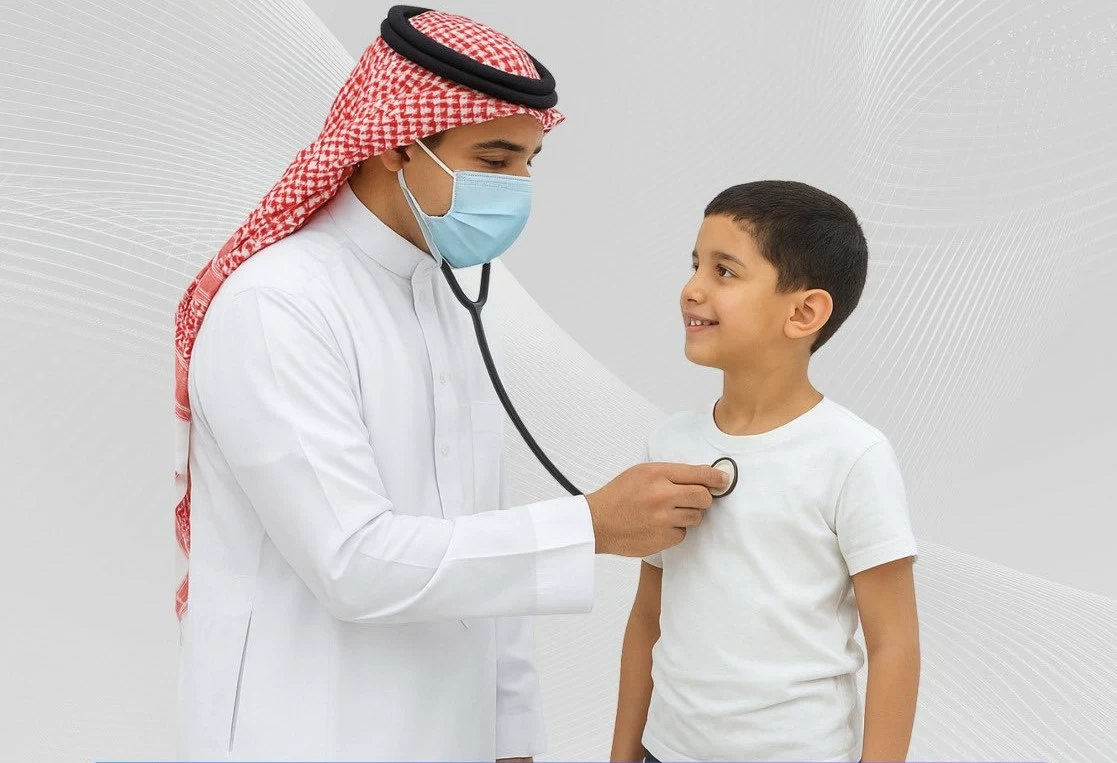
حددت هيئة الصحة العامة (وقاية) ووزارة التعليم الحالات الطارئة في مدارس التعليم العام بمراحلها الثلاث للبنين والبنات.
وبين الدليل الإرشادي للحالات الطارئة والجسيمة في المدارس بنسخته الثالثة لعام 2026 أن هذه الحالات هي: الإغماء، والاختناق، والنزيف والجروح وإصابة الرأس والتشنجات والحروق والكسور واللدغات واللسعات والصعق الكهربائي والإجهاد الحراري وضربات الشمس ونوبات السكري وأزمات الربو أو أي حالة أخرى تظهر فيها علامات تهدد الحياة أو تدهور.
تعزيز الجاهزية
وأشار الدليل إلى أنه في إطار تعزيز الجاهزية والتعامل الفعال مع الحالات الطارئة داخل المدارس، يجب توافر عدد من المتطلبات الأساسية لضمان سلامة جميع منسوبي المدرسة. وتتمثل هذه المتطلبات فيما يلي: تشكيل فريق بالمدرسة للتعامل مع الحالات الطارئة وتدريب الموجه الصحي ومنسوبي المدرسة وتوفير أرقام الاتصال بالمركز الصحي والهلال الأحمر، ووضع خطة بديلة للتعامل مع الأحداث غير المتوقعة.
أمثلة الحوادث الجسيمة
وأوضح الدليل أن أمثلة الحوادث الجسيمة تتمثل في: إيذاء النفس غير المؤدي للوفاة، وهو إيذاء الشخص لنفسه عمدًا، كأن يجرح الشخص نفسه أو يحرقها أو سقوطه من مرتفعات، وهذا النوع من إيذاء النفس يكون بمثابة رد فعل مؤذ للتأقلم مع الألم العاطفي والحزن والغضب والتوتر وإيذاء النفس المؤدي للوفاة هو إيذاء الشخص لنفسه عمدًا ويؤدي إلى الوفاة وفقدان حياة الطالب نتيجة حادث أو إصابة وحالات العنف الجسدي والنفسي والجنسي بكافة أشكاله. وأشار إلى أن الحوادث الجسيمة تعتبر من الحالات الطارئة التي تستدعي تواجد الهلال الأحمر والذهاب للطوارئ بشكل عاجل والمباشرة بالإسعافات الأولية.
الأعراض المصاحبة
ولفت الدليل إلى أن الأعراض المصاحبة للحالات الجسيمة تتمثل في: التبول اللاإرادي والتغييرات السلوكية، وانسحاب اجتماعي، تغيير في الأداء الأكاديمي، أو الانفعال السريع والصعوبة في التركيز والانتباه، مما يؤثر على التحصيل الدراسي والقلق أو التوتر شعور دائم بالقلق حيال الحوادث أو المواقف الاجتماعية والاكتئاب مشاعر الحزن المستمر وفقدان الاهتمام بالأنشطة المعتادة واضطراب ما بعد الصدمة (PTSD) كوابيس، ذكريات مؤلمة، أو ردود فعل قوية عند تذكر الحادث. وأفاد الدليل أن الإسعافات الأولية للطالب تتضمن استدعاء الهلال الأحمر وعدم الهلع والتعامل مع الإصابة وفق الحالة. مثال: إذا كانت الحالة تعاني نزيفاً، فيتم التعامل معها مثل حالات النزيف وإبلاغ المركز الصحي بالحالة والتواصل مع الجهات المختصة بوزارة الصحة (التجمعات الصحية) والتواصل مع الجهات المختصة بإدارة التعليم وتقديم الدعم النفسي للحالة المصابة والمجموعة التي شهدت الحالة."}
The Public Health Authority (Prevention) and the Ministry of Education have identified emergency cases in public education schools at all three levels for boys and girls.
The third edition of the guideline for emergency and severe cases in schools for the year 2026 states that these cases include: fainting, choking, bleeding, wounds, head injuries, seizures, burns, fractures, bites, stings, electric shocks, heat exhaustion, sunstroke, diabetes attacks, asthma crises, or any other condition that shows life-threatening signs or deterioration.
Enhancing Readiness
The guideline indicated that in the context of enhancing readiness and effectively dealing with emergencies within schools, several basic requirements must be met to ensure the safety of all school members. These requirements include forming a team at the school to handle emergencies, training the health supervisor and school staff, providing contact numbers for the health center and the Red Crescent, and establishing an alternative plan to deal with unexpected events.
Examples of Severe Incidents
The guideline clarified that examples of severe incidents include: self-harm that does not lead to death, which is when a person intentionally harms themselves, such as cutting or burning themselves or falling from heights. This type of self-harm serves as a harmful reaction to cope with emotional pain, sadness, anger, and stress. Self-harm that leads to death is when a person intentionally harms themselves resulting in death, and the loss of a student's life due to an accident or injury, as well as cases of physical, psychological, and sexual violence in all its forms. It was noted that severe incidents are considered emergencies that require the presence of the Red Crescent and urgent access to emergency services to provide first aid.
Associated Symptoms
The guideline pointed out that the symptoms associated with severe cases include: involuntary urination, behavioral changes, social withdrawal, changes in academic performance, rapid emotional reactions, and difficulty concentrating and paying attention, which affect academic achievement. Anxiety or stress manifests as a constant feeling of worry about incidents or social situations, and depression includes persistent feelings of sadness and loss of interest in usual activities. Post-Traumatic Stress Disorder (PTSD) may present as nightmares, painful memories, or strong reactions when recalling the incident. The guideline stated that first aid for the student includes calling the Red Crescent, remaining calm, and addressing the injury according to the situation. For example, if the case involves bleeding, it should be treated as a bleeding case, and the health center should be informed about the situation, along with contacting the relevant authorities in the Ministry of Health (health clusters) and the relevant education administration, while providing psychological support to the injured case and the group that witnessed the incident.