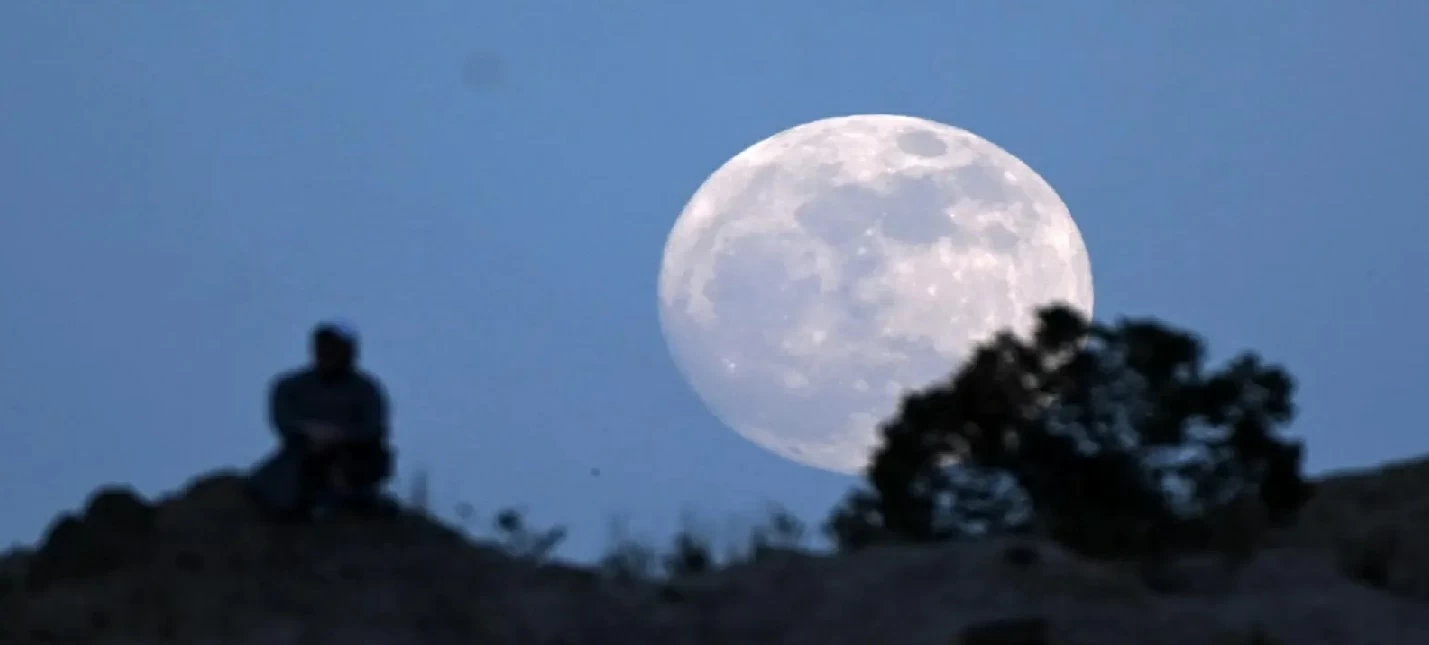
تشهد سماء شهر سبتمبر 2026 عددًا من الظواهر الفلكية اللافتة، يتقدمها الاعتدال الخريفي، واكتمال القمر المقترح تسميته محليًا بـ«قمر الرمان»، إلى جانب تحسن رصد كوكب زحل، وظهور المشتري والمريخ في سماء الفجر، واستمرار مشاهدة أبرز نجوم وكوكبات الصيف.
وأفاد رئيس الجمعية الفلكية بجدة المهندس ماجد أبو زاهرة أن ساعات الليل تبدأ بالازدياد تدريجيًا في النصف الشمالي من الكرة الأرضية خلال الشهر مع اقتراب الاعتدال الخريفي، مما يوفر وقتًا أطول لمراقبة السماء، فيما يظل «مثلث الصيف» من أبرز العلامات السماوية بعد حلول الظلام، إلى جانب كوكبتي القوس والعقرب والمنطقة الغنية بالنجوم والسدم باتجاه مركز مجرة درب التبانة.
ظهور منخفض للزهرة
وأشار إلى أن كوكب الزهرة يواصل ظهوره منخفضًا في الأفق الغربي بعد غروب الشمس، ويقترب منه هلال القمر في 14 سبتمبر، فيما تتحسن رؤية زحل في سماء المساء تدريجيًا مع اقترابه من التقابل مع الشمس في 4 أكتوبر القادم، ويمكن بواسطة التلسكوبات الصغيرة مشاهدة حلقاته وعدد من أقماره، وفي مقدمتها «تيتان».
وبيّن أبو زاهرة أن القمر يكتمل بدرًا في 26 سبتمبر، ويظهر قريبًا من زحل، مقترحًا تسميته محليًا بـ«قمر الرمان»، تزامنًا مع موسم الرمان وبداية الخريف في المملكة، مؤكدًا أن التسمية رمزية مستوحاة من البيئة والموسم المحلي. وفي سماء الفجر، يظهر المشتري بسطوع واضح إلى جانب المريخ، فيما يشهد 8 سبتمبر تقاربًا بين القمر والمشتري، قد يتحول إلى احتجاب في مناطق محددة من العالم، إلا أن الحدث لن يكون مشاهدًا في العالم العربي.
إمكانية رصد المذنب
وأفاد أبو زاهرة أن شهر سبتمبر يتيح كذلك إمكانية رصد المذنب، إلا أنه سيكون خافتًا للغاية ويتطلب تلسكوبًا مناسبًا وسماء مظلمة لتتبعه. ويشهد 23 سبتمبر الاعتدال الخريفي، حين تعبر الشمس ظاهريًا خط الاستواء السماوي من الشمال إلى الجنوب، معلنةً بداية الخريف فلكيًا في النصف الشمالي من الكرة الأرضية، وبداية الربيع في نصفها الجنوبي. ويجمع سبتمبر بذلك بين مشاهد درب التبانة وكوكبات الصيف والكواكب اللامعة والاعتدال الخريفي و«قمر الرمان»، ليشكل مرحلة انتقالية غنية بالظواهر المناسبة للرصد بالعين المجردة والمناظير والتلسكوبات.
The sky in September 2026 witnesses a number of striking astronomical phenomena, led by the autumn equinox, the full moon proposed to be locally named "Pomegranate Moon," along with improved visibility of Saturn, and the appearance of Jupiter and Mars in the dawn sky, as well as the continued visibility of the prominent summer stars and constellations.
The head of the Astronomical Society in Jeddah, Engineer Majid Abu Zahra, reported that the hours of night gradually begin to increase in the northern hemisphere during the month as the autumn equinox approaches, providing more time for sky observation. Meanwhile, the "Summer Triangle" remains one of the most prominent celestial markers after dark, alongside the constellations of Sagittarius and Scorpio and the star-rich region towards the center of the Milky Way galaxy.
Low Appearance of Venus
He noted that the planet Venus continues to appear low on the western horizon after sunset, with the crescent moon approaching it on September 14. The visibility of Saturn in the evening sky gradually improves as it approaches opposition with the sun on October 4, allowing small telescopes to view its rings and several of its moons, including "Titan."
Abu Zahra explained that the moon will reach full brightness on September 26, appearing close to Saturn, and he proposed the local name "Pomegranate Moon," coinciding with the pomegranate season and the beginning of autumn in the Kingdom, emphasizing that the name is symbolic and inspired by the local environment and season. In the dawn sky, Jupiter appears brightly alongside Mars, while September 8 witnesses a close approach between the moon and Jupiter, which may turn into an occultation in specific regions of the world, although the event will not be visible in the Arab world.
Possibility of Comet Observation
Abu Zahra stated that September also offers the possibility of observing a comet, although it will be extremely faint and will require a suitable telescope and a dark sky to track it. The autumn equinox occurs on September 23, when the sun appears to cross the celestial equator from north to south, marking the beginning of autumn astronomically in the northern hemisphere and the beginning of spring in the southern hemisphere. Thus, September combines views of the Milky Way, summer constellations, bright planets, the autumn equinox, and the "Pomegranate Moon," creating a transitional phase rich in phenomena suitable for observation with the naked eye, binoculars, and telescopes.