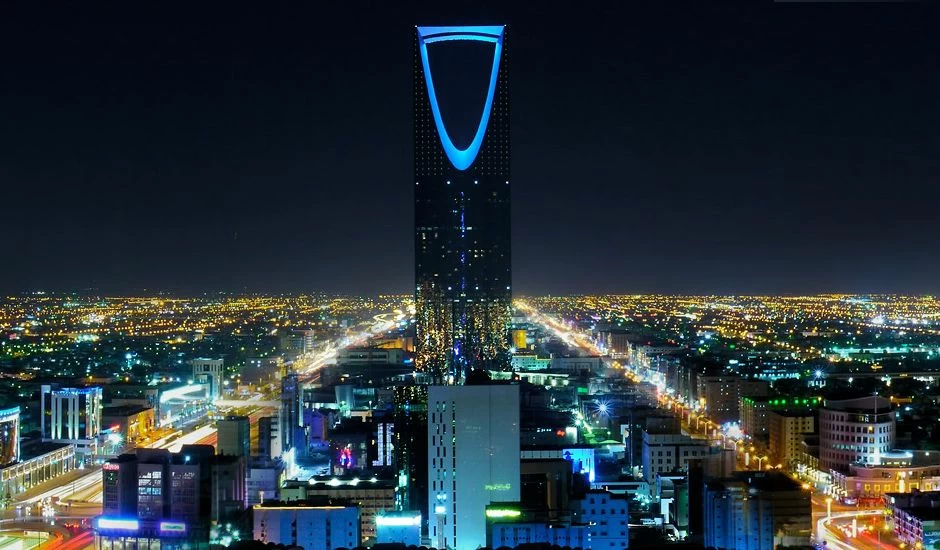
تواصل المملكة ترسيخ صدارتها لدول إقليم شرق المتوسط وشمال أفريقيا في عدد المدن الصحية المعتمدة من منظمة الصحة العالمية، بعد ارتفاع إجمالي عددها إلى 21 مدينة، في إنجاز نوعي يؤكد ريادتها في بناء مدن مستدامة تجعل صحة الإنسان وجودة حياته محوراً للتنمية، ويأتي ثمرةً لمستهدفات رؤية السعودية 2030 في بناء مجتمع حيوي ينعم أفراده بحياة صحية مستدامة.
تكامل واسع
ويأتي هذا التقدم المتسارع ثمرةً لجهود وزارة الصحة، ودور اللجنة الوزارية العامة للصحة في كل السياسات، والتكامل الواسع بين مختلف الجهات الحكومية، الذي أسهم في توحيد الجهود وتحويل معايير المدن الصحية إلى ممارسات مؤسسية وتنموية؛ إذ استوفت المدن المعتمدة 80 معياراً دولياً موزعة على 9 محاور رئيسة، وهي: تمكين المجتمع من أجل الصحة والتنمية، والتعاون والشراكة بين القطاعات، ومراكز المعلومات المجتمعية، إضافة إلى تنمية المهارات وبناء القدرات، والخدمات الصحية، والبيئة الحضرية، إلى جانب الاستعداد والاستجابة للطوارئ، والتعليم، ودعم المشاريع الصغيرة.
تقدم نوعي
ويجسّد وصول عدد المدن الصحية المعتمدة في المملكة إلى 21 مدينة، أحدثها أبها، ومحايل عسير، وطريب، ومدينة الملك خالد الجامعية، تقدماً نوعياً في بناء بيئات حضرية أكثر دعماً للوقاية والصحة الجسدية والنفسية، من خلال تمكين المجتمع، وتعزيز الشراكات بين القطاعات، وتطوير الخدمات الصحية، ورفع الجاهزية للطوارئ، وتحسين البيئة الحضرية؛ بما يرسّخ مكانة المملكة نموذجاً دولياً متقدماً في هذا المجال.
يذكر أن برنامج «المدن الصحية» التابع لوزارة الصحة يُعد أول مركز متعاون مع منظمة الصحة العالمية إقليمياً والرابع عالمياً، حيث يعمل بالتعاون مع الجهات الحكومية على تحويل الصحة من خدمة تقدم داخل المنشآت إلى نهج متكامل يمتد إلى التخطيط والتعليم والبيئة ومختلف تفاصيل الحياة اليومية، بما يرفع جودة الحياة ويعزز بيئات أكثر صحة واستدامة.
The Kingdom continues to solidify its leadership among the countries of the Eastern Mediterranean and North Africa in the number of health cities accredited by the World Health Organization, with the total number rising to 21 cities. This qualitative achievement confirms its pioneering role in building sustainable cities that place human health and quality of life at the center of development, and it is a result of the targets set by Saudi Vision 2030 to build a vibrant community where individuals enjoy a sustainable healthy life.
Wide Integration
This rapid progress is the result of the efforts of the Ministry of Health and the role of the General Ministerial Committee for Health in all policies, along with the wide integration among various government entities, which contributed to unifying efforts and transforming the standards of health cities into institutional and developmental practices. The accredited cities met 80 international standards distributed across 9 main axes, which are: community empowerment for health and development, cooperation and partnership between sectors, community information centers, in addition to skill development and capacity building, health services, urban environment, emergency preparedness and response, education, and support for small projects.
Qualitative Progress
The achievement of reaching 21 accredited health cities in the Kingdom, the latest of which are Abha, Mahayel Asir, Turabah, and King Khalid University City, represents a qualitative advancement in building urban environments that better support physical and mental health through community empowerment, enhancing partnerships between sectors, developing health services, improving emergency readiness, and enhancing the urban environment; thereby establishing the Kingdom's position as an advanced international model in this field.
It is worth noting that the "Healthy Cities" program, affiliated with the Ministry of Health, is the first collaborative center with the World Health Organization regionally and the fourth globally, as it works in cooperation with government entities to transform health from a service provided within facilities to an integrated approach that extends to planning, education, the environment, and various details of daily life, thereby enhancing the quality of life and promoting healthier and more sustainable environments.