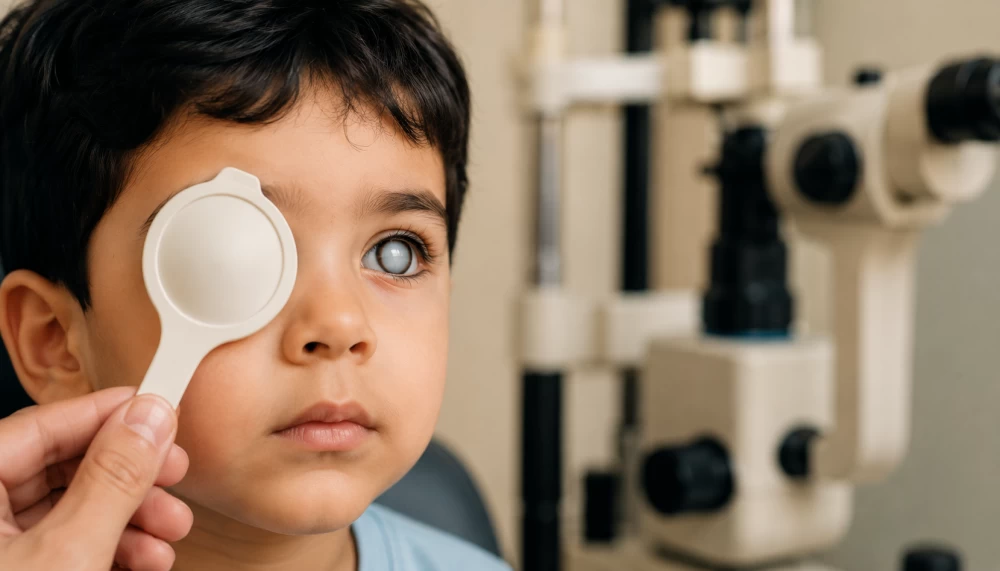
كشفت دراسة علمية سعودية، امتدت بياناتها على مدى 20 عاماً، تنوعاً جينياً واسعاً وراء إصابة الأطفال بإعتام عدسة العين (المياه البيضاء)، مع بروز زواج الأقارب في تفسير غلبة أنماط وراثية متنحية بين الحالات المؤكدة جينياً.
ونُشرت الدراسة في مجلة الطب السريري في 2026، بمشاركة باحثين من جامعة القصيم، وجامعة الأميرة نورة، ومستشفى الملك عبدالله التخصصي للأطفال، ومدينة الملك عبدالعزيز الطبية بالشؤون الصحية بوزارة الحرس الوطني، إلى جانب جهات بحثية دولية.
وراجع الباحثون 246 طفلاً شُخصوا بإعتام عدسة العين الخِلقي أو اليفعي خلال الفترة من 2000 إلى 2019، في مركزين مرجعيين بالرياض. وبعد استبعاد الحالات الثانوية والملفات غير المكتملة، شمل التحليل النهائي 28 طفلاً ثبت بالفحوص الجينية ارتباط إصابتهم بمتغيرات وراثية. وأظهرت النتائج، أن 82.13% من الحالات المؤكدة جينياً كانت من نوع إعتام عدسة العين الخِلقي، فيما شكل الذكور 57.14% مقابل 42.86% للإناث. وظهرت الإصابة في كلتا العينين لدى جميع الأطفال تقريباً باستثناء حالة واحدة.
وكشف التحليل 17 متغيراً جينياً موزعة على 13 جيناً مرتبطة بالمرض، إلى جانب رصد متغيرات جديدة. واستخدم الباحثون تسلسل الإكسوم والجينوم الكامل، وأدوات المعلوماتية الحيوية والذكاء الاصطناعي لتحليل المتغيرات وتقدير تأثيرها في البروتينات. وبرز زواج الأقارب في مناقشة النتائج؛ إذ كان نمط الوراثة الجسدية المتنحية هو الغالب، وحمل معظم المرضى متغيرات متماثلة الزيجوت. وأوضح الباحثون، أن هذه الصورة تتوافق مع نتائج دراسات من الشرق الأوسط وآسيا، حيث يزداد ظهور الجينات المتنحية المسببة لإعتام عدسة العين في المجتمعات التي يشيع فيها زواج الأقارب، مقابل غلبة الوراثة الجسدية السائدة في دراسات من أوروبا وأمريكا الشمالية. وسجل الباحثون تكرار المتغير لدى عدة مرضى غير مرتبطين عائلياً، وظهر بصورة متماثلة الزيجوت وبنمط وراثي متنحٍ، رغم ارتباط الجين في كثير من الدراسات بنمط وراثي سائد. وأشاروا إلى تسجيل حالات مشابهة في مجتمعات مرتفعة زواج الأقارب. كما كشفت الدراسة اختلاف الأعراض بين أطفال يحملون المتغير الجيني نفسه، وظهرت لدى بعضهم مشكلات إضافية مثل الحَوَل والجلوكوما. وحدد الباحثون جينات مرتبطة باضطرابات عصبية وهيكلية وأيضية، ما يشير إلى أن المياه البيضاء لدى بعض الأطفال قد تكون علامة على اضطراب وراثي أوسع. واستشهد الباحثون بدراسة سعودية سابقة وجدت أن العوامل الجينية شكلت 79% من حالات المياه البيضاء لدى الأطفال في عينتها، فيما قدرت دراسة سكانية سعودية أقدم انتشار المرض بـ14.7 حالة لكل 10 آلاف طفل بين عمر 5 و18 عاماً. وخلصت الدراسة إلى أهمية الفحص الجيني المبكر للأطفال المصابين، خصوصاً في المجتمعات مرتفعة زواج الأقارب، ودمج الاستشارة الوراثية في الرعاية العينية للمساعدة في التشخيص المبكر وتحديد نمط انتقال المرض ودعم الأسر في القرارات الإنجابية.
A Saudi scientific study, which spanned data over 20 years, revealed a wide genetic diversity behind the occurrence of cataracts (cataract) in children, with consanguineous marriages being prominent in explaining the prevalence of recessive genetic patterns among genetically confirmed cases.
The study was published in the Clinical Medicine Journal in 2026, with the participation of researchers from Qassim University, Princess Nourah University, King Abdullah Specialist Children's Hospital, and King Abdulaziz Medical City at the Ministry of National Guard Health Affairs, alongside international research entities.
The researchers reviewed 246 children diagnosed with congenital or juvenile cataracts during the period from 2000 to 2019 at two referral centers in Riyadh. After excluding secondary cases and incomplete files, the final analysis included 28 children whose condition was confirmed to be linked to genetic variants through genetic testing. The results showed that 82.13% of genetically confirmed cases were of the congenital cataract type, while males constituted 57.14% compared to 42.86% for females. The condition was found in both eyes in almost all children except for one case.
The analysis revealed 17 genetic variants distributed across 13 genes associated with the disease, in addition to identifying new variants. The researchers used exome and whole genome sequencing, along with bioinformatics tools and artificial intelligence to analyze the variants and estimate their impact on proteins. Consanguineous marriages were highlighted in the discussion of the results; the pattern of recessive Mendelian inheritance was predominant, and most patients carried homozygous variants. The researchers noted that this pattern aligns with findings from studies in the Middle East and Asia, where the emergence of recessive genes causing cataracts is more common in communities where consanguineous marriages are prevalent, in contrast to the predominance of dominant Mendelian inheritance in studies from Europe and North America. The researchers recorded the recurrence of the variant in several unrelated patients, appearing in a homozygous form and with a recessive genetic pattern, despite the gene being linked in many studies to a dominant inheritance pattern. They pointed out similar cases recorded in communities with high rates of consanguineous marriages. The study also revealed differences in symptoms among children carrying the same genetic variant, with some experiencing additional issues such as strabismus and glaucoma. The researchers identified genes associated with neurological, structural, and metabolic disorders, indicating that cataracts in some children may be a sign of a broader genetic disorder. They cited a previous Saudi study that found genetic factors accounted for 79% of cataract cases in children in its sample, while an earlier Saudi population study estimated the prevalence of the disease at 14.7 cases per 10,000 children aged 5 to 18 years. The study concluded the importance of early genetic testing for affected children, especially in communities with high rates of consanguineous marriages, and the integration of genetic counseling into eye care to assist in early diagnosis, determine the mode of disease transmission, and support families in reproductive decisions.