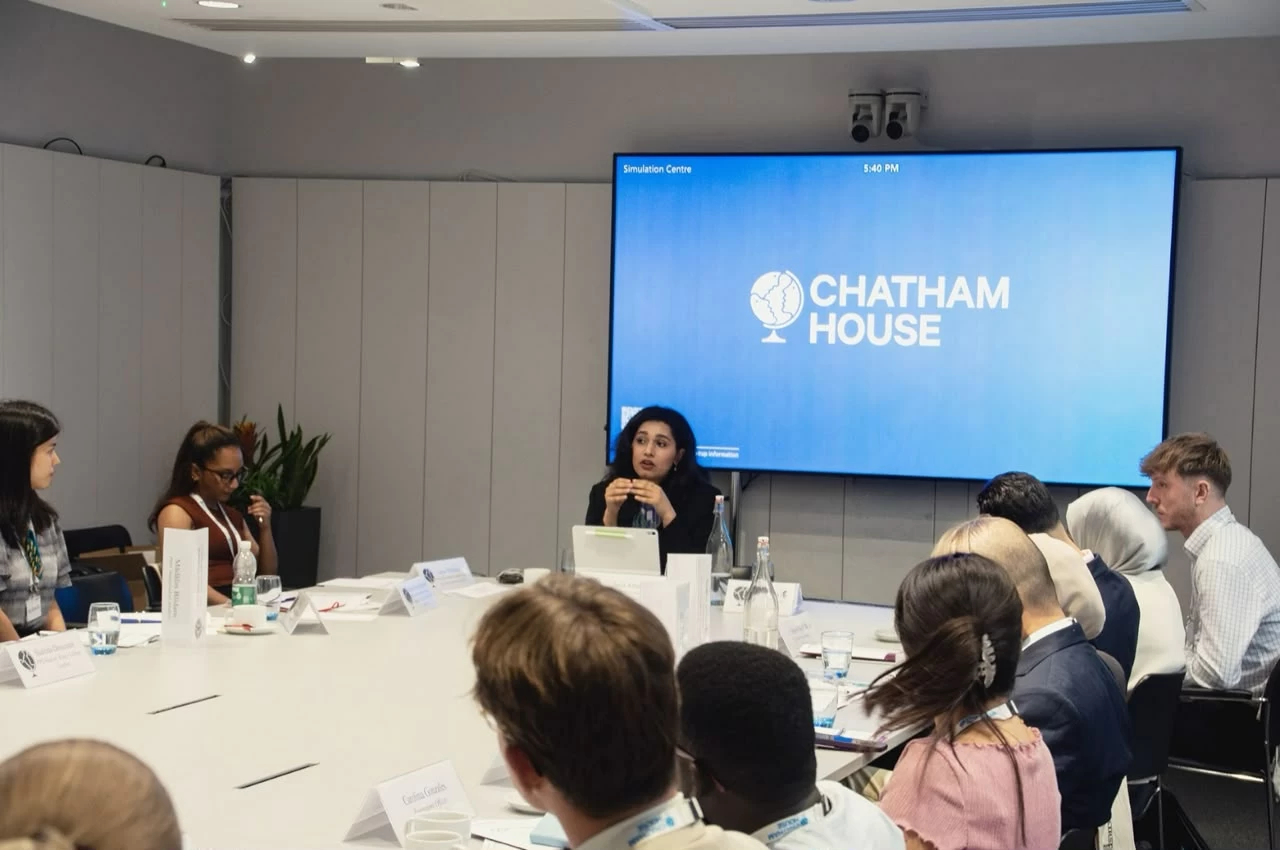
أكدت المحامية الدولية جود الحارثي أن منطقة الشرق الأوسط وشمال أفريقيا ابتعدت عن نموذج اتفاقات السلام الشاملة، واتجهت نحو صفقات ثنائية ذات طابع تبادلي بين الدول، معتبرةً أن الحرب الأخيرة بين الولايات المتحدة وإيران تمثل أحد أبرز تجليات هذا التحول.
جاء ذلك خلال محاضرة ألقتها ضمن برنامج القيادة في الشؤون الدولية في أكاديمية الملكة إليزابيث الثانية، الذي يديره المعهد الملكي للشؤون الدولية «تشاثام هاوس»، في لندن.
قوة ناعمة
وأوضحت الحارثي، وهي باحثة سعودية متخصصة في مشاريع بناء السلام، أن الوساطة لم تعد مجرد أداة لحل النزاعات، بل أصبحت إحدى أدوات القوة الناعمة، إذ تتنافس الدول على استضافة المفاوضات أكثر من تنافسها على إنهاء النزاعات نفسها، لما تمنحه استضافة المحادثات من مكانة ونفوذ دوليين، سواء انتهت تلك المفاوضات إلى اتفاقات سلام أم لم تنتهِ.
وأضافت أن هذا الواقع أسهم في خلق مشهد قد تمتد فيه العمليات التفاوضية وتتجاوز مدتها الحاجة الفعلية للوصول إلى تسوية.
تطور السياسات
واستعرضت جود الحارثي أبرز الدروس المستفادة من تطور سياسات الوساطة وتسوية النزاعات في منطقة الشرق الأوسط وشمال أفريقيا، مستندةً إلى خبرتها العملية في المكتب التنفيذي للأمين العام للأمم المتحدة وإدارة الشؤون السياسية وبناء السلام بالأمم المتحدة، إضافة إلى أبحاثها الميدانية في هذا المجال.
يُذكر أن جود الحارثي أكملت برنامج القيادة في تشاثام هاوس، الذي امتد على مدى 10 أشهر، وركز على استشراف مستقبل الحراك السياسي العالمي، إلى جانب سلسلة من اللقاءات القيادية التي شارك فيها مسؤولون وقادة بارزون من الحكومات وقطاع الأعمال والتقنية والسياسة من مختلف دول العالم، وتناولت موضوعات القيادة في مواجهة تحديات المستقبل، بما في ذلك السلام والأمن، والتغير المناخي، والتنمية، والذكاء الاصطناعي، والتقنيات الحديثة.
The international lawyer Joud Al-Harithi confirmed that the Middle East and North Africa have moved away from the model of comprehensive peace agreements and have shifted towards bilateral deals of a reciprocal nature between countries, considering that the recent war between the United States and Iran represents one of the most prominent manifestations of this transformation.
This was stated during a lecture she delivered as part of the Leadership in International Affairs program at the Queen Elizabeth II Academy, which is managed by the Royal Institute of International Affairs, Chatham House, in London.
Soft Power
Al-Harithi, a Saudi researcher specialized in peacebuilding projects, explained that mediation is no longer just a tool for resolving conflicts, but has become one of the tools of soft power, as countries compete to host negotiations more than they compete to end the conflicts themselves, due to the status and international influence that hosting talks provides, whether those negotiations lead to peace agreements or not.
She added that this reality has contributed to creating a scene where negotiation processes may extend beyond the actual need to reach a settlement.
Policy Development
Joud Al-Harithi reviewed the key lessons learned from the evolution of mediation and conflict resolution policies in the Middle East and North Africa, drawing on her practical experience in the Executive Office of the United Nations Secretary-General and the Department of Political Affairs and Peacebuilding at the United Nations, in addition to her field research in this area.
It is noteworthy that Joud Al-Harithi completed the leadership program at Chatham House, which lasted for 10 months and focused on anticipating the future of global political movements, alongside a series of leadership meetings that included prominent officials and leaders from governments, business, technology, and politics from various countries around the world, addressing topics of leadership in facing future challenges, including peace and security, climate change, development, artificial intelligence, and modern technologies.