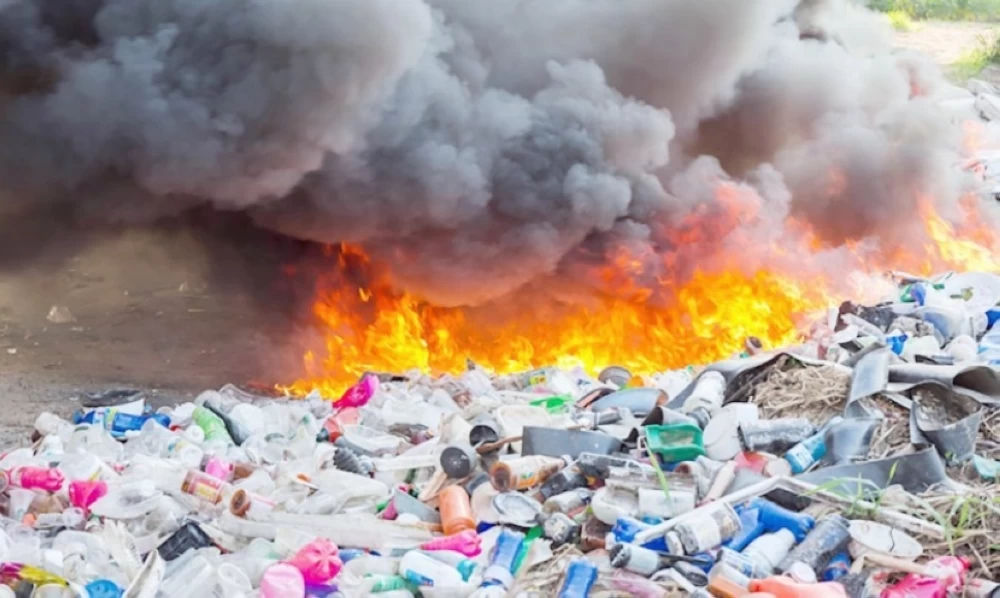
حدد المركز الوطني لإدارة النفايات ثماني فئات رئيسية للنفايات، تشمل: النفايات البلدية، الصناعية، البناء والهدم، الرعاية الصحية، النفايات البحرية، الخضراء، الحمأة، والنفايات الخاصة. وقد تم وضع آليات دقيقة لتصنيفها بحسب مصدرها وخصائصها الفيزيائية والكيميائية ودرجة خطورتها.
وأشار دليل صادر من المركز إلى أن التصنيف يعد الأساس الذي تُبنى عليه جميع مراحل إدارة النفايات، لتحديد ما إذا كانت المادة تعد نفاية أم لا، مروراً بتصنيفها إلى نفايات خطرة أو غير خطرة، وانتهاءً باختيار آليات النقل والمعالجة وإعادة الاستخدام أو التدوير أو التخلص منها نهائياً.
ويتحمل منتجو النفايات مسؤولية التأكد من صحة التصنيف وتوثيق بياناتها وإعداد التقارير الخاصة بها، فيما يلتزم مقدمو خدمات إدارة النفايات بالتحقق من دقة البيانات المصاحبة للنفايات قبل نقلها أو معالجتها أو التخلص منها. ومنح الدليل المركز الوطني لإدارة النفايات صلاحيات التحقق من الالتزام بالتصنيف، والتأكد من التراخيص، وإجراء عمليات التفتيش، وجمع العينات، وطلب السجلات والبيانات ذات الصلة عند الحاجة.
ووفقاً للدليل، فإن تصنيف النفايات الخطرة لا يقتصر على مصدرها، بل يتضمن سلسلة من الضوابط الفنية تبدأ بتقييم ما إذا كانت النفايات خطرة أو غير خطرة، وإجراء توصيف كيميائي لمكوناتها، وتحديد خطورة كل مادة، ثم تقييم خصائصها مثل السمية، والقابلية للاشتعال، والتآكل، والتفاعل.
وتخضع النفايات الخطرة لتقييم تفصيلي يعتمد على التوصيف الكيميائي وخصائص الخطورة، لضمان تطبيق إجراءات خاصة في تداولها ومعالجتها والتخلص منها، بما يحد من المخاطر على الإنسان والبيئة.
The National Center for Waste Management has identified eight main categories of waste, including: municipal waste, industrial waste, construction and demolition waste, healthcare waste, marine waste, green waste, sludge, and special waste. Precise mechanisms have been established to classify them according to their source, physical and chemical properties, and level of danger.
A guide issued by the center indicated that classification is the foundation upon which all stages of waste management are built, to determine whether a material is considered waste or not, passing through the classification of hazardous or non-hazardous waste, and ending with the selection of transportation, treatment, reuse, recycling, or final disposal methods.
Waste producers are responsible for ensuring the accuracy of the classification, documenting their data, and preparing related reports, while waste management service providers are obligated to verify the accuracy of the data accompanying the waste before transporting, treating, or disposing of it. The guide grants the National Center for Waste Management the authority to verify compliance with classification, ensure licensing, conduct inspections, collect samples, and request relevant records and data when necessary.
According to the guide, the classification of hazardous waste is not limited to its source, but includes a series of technical controls that begin with assessing whether the waste is hazardous or non-hazardous, conducting a chemical characterization of its components, determining the danger level of each material, and then evaluating its properties such as toxicity, flammability, corrosiveness, and reactivity.
Hazardous waste is subject to a detailed assessment based on chemical characterization and hazard properties, to ensure the application of special procedures in its handling, treatment, and disposal, thereby minimizing risks to humans and the environment.