الصرع اضطراب دماغي مزمن غير معدٍ، كما يوضح المختصون الصحيون، ويظهر على شكل نوبات متكررة من الحركات اللاإرادية قد تكون جزئية أو معممة، وقد يصاحبها فقدان الوعي أو فقدان التحكم في بعض وظائف الجسم. وتنشأ هذه النوبات نتيجة تفريغ كهربائي مفرط في خلايا الدماغ، وتتفاوت شدتها بين ارتعاشات بسيطة أو لحظات قصيرة من فقدان الانتباه وصولاً إلى تشنجات قوية، كما يختلف تكرارها بين نوبة واحدة في السنة وعدة نوبات في اليوم.
وتشير منظمة الصحة العالمية إلى أن الصرع يُعرّف بحدوث نوبتين أو أكثر غير مستثارة، والمرض من أقدم الاضطرابات العصبية الموثقة تاريخياً، ورغم التقدم الطبي ما تزال الوصمة وسوء الفهم تحيطان به في كثير من المجتمعات، ما يؤثر على جودة حياة المرضى وعائلاتهم. وتوضح أن الصرع يصيب نحو 50 مليون شخص حول العالم، وأن النوبة الواحدة لا تعني الإصابة بالمرض، إذ قد يتعرض ما يصل إلى 10% من الناس لنوبة واحدة خلال حياتهم دون أن يكونوا مصابين بالصرع.
وتشير التقديرات والإحصاءات الرسمية للجمعية السعودية لأمراض الصرع إلى وجود 180 ألف مصاب بالصرع في المملكة، بمعدل انتشار يبلغ نحو 6.54 إصابة لكل ألف شخص. وتوضح وزارة الصحة، التي تحرص على مشاركة العالم باليوم العالمي للصرع، أنه يصيب نحو 50 مليون شخص عالمياً، و80% من المصابين يعيشون في الدول منخفضة ومتوسطة الدخل، فيما تشير الدراسات إلى أن 70% منهم يمكنهم السيطرة على النوبات والعيش حياة طبيعية عند التشخيص والعلاج المناسبين. كما تشير الوزارة، إلى أن معدلات الوفاة المبكرة بين المصابين أعلى بثلاثة أضعاف مقارنة بعموم السكان، وأن كثيراً من المرضى يواجهون تحديات اجتماعية مثل الوصمة والتمييز.
وتوضح الصحة، أن الصرع ينتج عنه نوبات متكررة من الحركات اللاإرادية قد تشمل جزءاً من الجسم أو كامل الجسد، وقد يصاحبها فقدان مؤقت للإدراك أو الوعي، إضافة إلى اضطرابات في المزاج والحركة والإحساس وتشوش ذهني أو اهتزازات لا يمكن السيطرة عليها. كما تشير إلى أن الأدوية المضادة للتشنج قد تُسبب آثاراً جانبية مثل التعب والدوار وعدم الاتزان، وغالباً ما تظهر في بداية العلاج أو عند تعديل الجرعات ثم تتراجع تدريجياً، وتحث الوزارة على أهمية التواصل مع الطبيب عند ظهور أي أعراض غير مرغوبة.
وتوصي المرضى بالالتزام الدقيق بالدواء الموصوف، واستشارة الطبيب قبل تناول أي دواء أو مكمل غذائي، ومعالجة ارتفاع الحرارة فوراً، والحصول على نوم كافٍ، وإبلاغ الطبيب عند ملاحظة أي تغيرات في المزاج أو السلوك، إضافة إلى الحد من الإجهاد وتجنب التدخين.
وتشدد على ضرورة مراجعة المرأة المصابة بالصرع لطبيبها قبل التخطيط للحمل لضبط العلاج بما يضمن سلامة الجنين، مع الإشارة إلى أن الحمل لا يزيد عادةً من النوبات إلا في حال عدم الانتظام على الدواء أو نقص النوم، وأن الرضاعة الطبيعية ممكنة لمعظم الأمهات. وتبيّن الوزارة أن بعض أدوية الصرع قد تقلل فعالية حبوب منع الحمل، ما يستدعي استخدام وسيلة إضافية لضمان منع الحمل بشكل آمن.
لا سحر لا مسّ
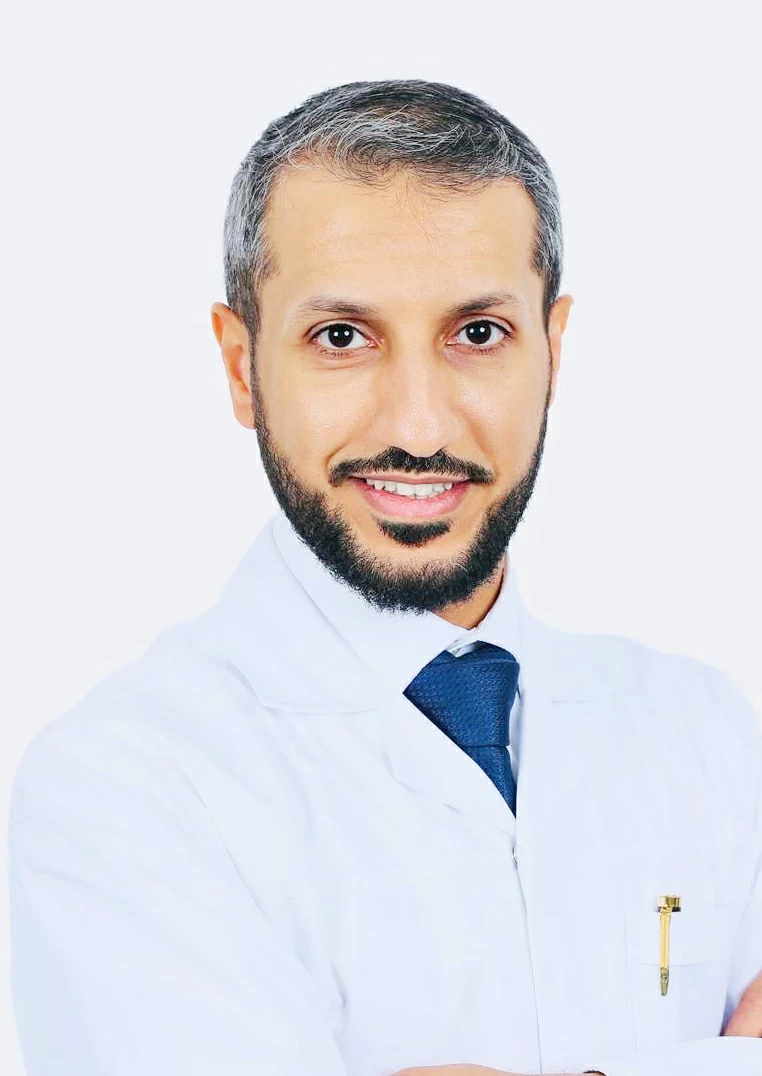
استشاري المخ والأعصاب في مستشفى الملك فيصل التخصصي ومركز الأبحاث، ورئيس جمعية الشرق الأوسط وشمال أفريقيا للسكتة الدماغية، البروفيسور عادل علي الهزاني قال: إن الصرع يُعد اضطراباً ناتجاً عن خلل مؤقت في النشاط الكهربائي للدماغ، يشبه في طبيعته «عاصفة كهربائية» عابرة تؤثر على طريقة تواصل خلايا المخ، ما يؤدي إلى ظهور نوبات صرعية تختلف في أشكالها ومظاهرها. وأكد الهزاني، أن الصرع ليس مرضاً نفسياً ولا يرتبط بأي مفاهيم خاطئة مثل السحر أو المسّ، بل هو اضطراب عضوي وظيفي يمكن التعامل معه طبياً مثل أي حالة تصيب أعضاء الجسم الأخرى. وأشار إلى أن النوبات لا تكون دائماً على هيئة تشنجات وسقوط، فقد تظهر على شكل فقدان مفاجئ للانتباه أو حركات متكررة غير هادفة، ما يستدعي الفهم والاحتواء بعيداً عن الخوف والوصمة.
وبيّن استشاري المخ والأعصاب الدكتور الهزاني، أن الخبر المطمئن هو أن معظم المصابين بالصرع قادرون على ممارسة حياتهم بشكل طبيعي، والنجاح دراسياً ومهنياً، بفضل العلاجات الحديثة التي تسيطر على النوبات لدى أغلب المرضى. السيطرة على المرض تعتمد على ركنين أساسيين، إلى جانب العلاج الدوائي، هما الالتزام المنتظم بمواعيد الدواء، والحصول على نوم كافٍ ومنتظم، إذ إن السهر واضطراب النوم يُعدّان من أبرز محفزات النوبات.
وشدد على أن الوعي المجتمعي يمثل نصف العلاج، فكلما زاد فهم المجتمع لطبيعة الصرع بعيداً عن الأوهام، ازدادت قدرة المصابين على الاندماج والتميز كأفراد فاعلين ومنتجين في المجتمع.
حركات لا إرادية في الوجه
استشاري المخ والأعصاب الدكتور صالح القرني قال: إن الصرع حالة عصبية تتمثل في قابلية الدماغ لإطلاق شحنات كهربائية غير طبيعية بشكل متكرر، فتظهر على شكل نوبات تختلف في الشكل والشدة من شخص لآخر، وغالباً يمكن التحكم فيها جيداً بالعلاج والمتابعة المنتظمة. وتتنوع النوبات بين نوبات معمّمة تؤثر على جانبي الدماغ منذ بدايتها، ونوبات بؤرية تبدأ في منطقة محددة ثم قد تبقى محصورة أو تنتشر. وتشمل النوبات المعممة النوبات التوترية الرمعية التي تُعرف بالتشنج والسقوط وفقدان الوعي، ونوبات الغياب القصيرة التي تظهر كتحديق مفاجئ ورمش سريع وانقطاع عن المحيط لثوانٍ، ونوبات الرمع العضلي التي تتصف بهزات قصيرة مفاجئة، إضافة إلى النوبات الارتخائية التي يحدث فيها فقدان مفاجئ لتوتر العضلات يؤدي إلى السقوط. أما النوبات البؤرية فقد تبدأ بإحساس غريب أو حركات لا إرادية في طرف أو في الوجه أو اضطراب في الكلام أو الإدراك، وقد يبقى المريض واعياً خلالها أو تتطور إلى ضعف في الاستجابة وحركات تلقائية، وأحياناً تنتشر لتظهر كنوبة معممة.
ربما إصابة في الرأس
وأشارالدكتور القرني إلى أن بعض حالات الصرع لا يظهر لها سبب واضح رغم التقييم الجيد، ويُعد ذلك صرعاً ذا منشأ غير محدد أو ذا قابلية وراثية محتملة، بينما تشمل الأسباب المعروفة إصابات الرأس والسكتات الدماغية والتشوهات البنيوية في الدماغ وبعض الأورام والتهابات الدماغ والسحايا واضطرابات النمو العصبي والاضطرابات الاستقلابية الشديدة. ويعتمد التشخيص على التاريخ المرضي المفصّل ووصف النوبات، والفحص العصبي الكامل، وتخطيط الدماغ الكهربائي، والتصوير بالرنين المغناطيسي المخصّص للصرع، إضافة إلى فحوصات الدم بحسب الحالة. وقد يحتاج بعض المرضى إلى فحوصات أكثر دقة مثل التخطيط المطول أو الفحوصات المناعية أو التقييم الجراحي إذا استمرت النوبات رغم العلاج أو وُجد سبب قابل للتدخل الجراحي.
ويؤكد أن هناك عوامل محفّزة للنوبات لا تُعد سبباً للصرع لكنها تزيد احتمال حدوثها، مثل قلة النوم والضغط النفسي ونسيان الدواء أو إيقافه دون استشارة، وبعض الأدوية، إضافة إلى الكحول والمخدرات والجفاف والحمى، وفي بعض المرضى الأضواء الومّاضة. لذلك فإن تنظيم النوم وتقليل التوتر والالتزام بالعلاج من أهم وسائل تقليل تكرار النوبات. ويُعرف نجاح العلاج باختفاء النوبات أو انخفاض عددها وشدتها ومدتها، وتحسن قدرة المريض على ممارسة حياته اليومية، وانخفاض المراجعات الطارئة، وتحمل الدواء دون آثار جانبية مزعجة. أما ظهور نوبات جديدة أو تغيّر نمطها أو حدوث أعراض جانبية مهمة فيستدعي مراجعة الطبيب.
لا تنسَ الجرعة
الدكتور القرني يقول: إن فترات المتابعة تختلف بحسب مرحلة العلاج؛ ففي البداية تكون الزيارات أقرب غالباً كل ثلاثة إلى ستة أشهر، ثم تتباعد بعد استقرار الحالة، وإذا لم تحدث أي نوبة لمدة سنة أو أكثر مع الالتزام بالعلاج فقد يناقش الطبيب إمكانية تخفيض الجرعة أو إيقاف العلاج تدريجياً. ويُعد تسجيل النوبات أداة مهمة لاتخاذ القرارات العلاجية، إذ يُسجَّل تاريخ ووقت النوبة ووصف ما حدث قبلها وأثناءها وبعدها والمحرضات المحتملة والأدوية وقت حدوثها، وقد يساعد تصوير بعض النوبات بالفيديو في تمييز أنواعها وفهم نمطها بدقة. ومن أبرز المحفزات التي ينبغي تجنبها قلة النوم ونسيان الجرعات والتوتر الشديد والكحول والمخدرات، إضافة إلى محفزات خاصة لدى بعض المرضى مثل الأضواء الومّاضة أو الحمى أو التغيرات الهرمونية. ويشير الدكتور القرني إلى أن معظم المصابين بالصرع يمكنهم ممارسة الرياضة بأمان، وهي مفيدة للصحة العامة والمزاج والنوم، وتشمل الأنشطة المناسبة المشي والجري الخفيف وتمارين اللياقة والقوة، بينما تحتاج بعض الأنشطة إلى حذر أكبر مثل السباحة دون مرافقة والغوص والتسلق المرتفع.
لا يمنع الزواج
يمكن للكثير من المصابين قيادة السيارة والعمل والدراسة بشكل طبيعي إذا كانت النوبات تحت السيطرة، وتعتمد القيادة على الأنظمة المحلية وغالباً يُشترط مرور ستة أشهر دون نوبات. أما العمل والدراسة فيمكن الاستمرار فيهما مع بعض التعديلات البسيطة عند الحاجة، مع أهمية الدعم النفسي والاجتماعي والتوعية بطريقة التصرف أثناء النوبة. ويؤكد الدكتور القرني أن بعض أنواع الصرع لها مكوّن وراثي لكن ذلك لا يعني انتقاله بالضرورة للأبناء، والصرع لا يمنع الزواج، بل يكفي الوعي بطبيعة الحالة والالتزام بالعلاج. أما الحمل فمعظم النساء المصابات يستطعن الحمل والولادة بأمان بشرط التخطيط المسبق والسيطرة على النوبات قبل الحمل واختيار العلاج المناسب وتناول حمض الفوليك ومتابعة مستويات الأدوية خلال الحمل. وعند فشل دواءين مناسبين في السيطرة على النوبات تُصنّف الحالة صرعاً مقاوماً للأدوية ويصبح التقييم الجراحي خياراً أساسياً، وتشمل الخيارات الاستئصال الجراحي للبؤرة المسببة وهو الأكثر فعالية، وجراحات الفصل مثل قطع الجسم الثفني لتخفيف نوبات السقوط، وأجهزة التحفيز العصبي مثل تحفيز العصب المبهم والتحفيز العميق والتحفيز العصبي المستجيب، إضافة إلى الحمية الكيتونية التي تُعد خياراً فعالاً خصوصاً لدى الأطفال. ويؤكد الدكتور القرني، أن الاعتقاد بأن جراحة الصرع خطرة على الدماغ غير دقيق، إذ إن مخاطر استمرار النوبات غالباً تفوق مخاطر الجراحة، والقرار يُتخذ بعد تقييم دقيق يوازن الفوائد والآثار المحتملة على الذاكرة أو اللغة أو الوظائف الدماغية المهمة.
Epilepsy is a chronic, non-contagious brain disorder, as health specialists explain, and it manifests as recurrent seizures of involuntary movements that may be partial or generalized, and may be accompanied by loss of consciousness or loss of control over certain bodily functions. These seizures arise from excessive electrical discharge in brain cells, and their intensity varies from simple twitching or brief moments of loss of attention to strong convulsions, with frequency ranging from one seizure a year to several seizures a day.
The World Health Organization indicates that epilepsy is defined by the occurrence of two or more unprovoked seizures, and it is one of the oldest documented neurological disorders in history. Despite medical advancements, stigma and misunderstanding still surround it in many communities, affecting the quality of life for patients and their families. It clarifies that epilepsy affects approximately 50 million people worldwide, and a single seizure does not mean a person has the disease, as up to 10% of people may experience a single seizure in their lifetime without being diagnosed with epilepsy.
Estimates and official statistics from the Saudi Epilepsy Society indicate that there are 180,000 people with epilepsy in the Kingdom, with a prevalence rate of about 6.54 cases per thousand people. The Ministry of Health, which is keen to participate in the World Epilepsy Day, states that it affects about 50 million people globally, with 80% of those affected living in low- and middle-income countries. Studies indicate that 70% of them can control their seizures and live a normal life with appropriate diagnosis and treatment. The Ministry also notes that the rates of premature death among those affected are three times higher compared to the general population, and many patients face social challenges such as stigma and discrimination.
The Ministry explains that epilepsy results in recurrent seizures of involuntary movements that may involve part of the body or the entire body, and may be accompanied by temporary loss of perception or consciousness, in addition to mood, movement, and sensory disturbances, as well as confusion or uncontrollable shaking. It also mentions that anticonvulsant medications may cause side effects such as fatigue, dizziness, and imbalance, which often appear at the beginning of treatment or when adjusting doses and then gradually subside, urging the importance of communicating with a doctor when any unwanted symptoms arise.
Patients are advised to strictly adhere to the prescribed medication, consult a doctor before taking any medication or dietary supplement, address fever immediately, ensure adequate sleep, and inform the doctor of any changes in mood or behavior, in addition to reducing stress and avoiding smoking.
It emphasizes the necessity for women with epilepsy to consult their doctor before planning for pregnancy to adjust treatment to ensure the safety of the fetus, noting that pregnancy typically does not increase seizures unless there is non-compliance with medication or lack of sleep, and that breastfeeding is possible for most mothers. The Ministry indicates that some epilepsy medications may reduce the effectiveness of contraceptive pills, necessitating the use of an additional method to ensure safe contraception.
No magic, no possession
Professor Adel Ali Al-Hazani, a consultant neurologist at King Faisal Specialist Hospital and Research Centre and president of the Middle East and North Africa Stroke Association, stated that epilepsy is considered a disorder resulting from a temporary malfunction in the brain's electrical activity, resembling a transient "electrical storm" that affects how brain cells communicate, leading to the emergence of seizures that vary in forms and manifestations. Al-Hazani confirmed that epilepsy is not a mental illness and is not associated with any misconceptions such as magic or possession; rather, it is an organic functional disorder that can be medically managed like any condition affecting other body organs. He pointed out that seizures do not always manifest as convulsions and falls; they may present as sudden loss of attention or repetitive purposeless movements, which requires understanding and containment away from fear and stigma.
Consultant neurologist Dr. Al-Hazani explained that the reassuring news is that most people with epilepsy are capable of living their lives normally and succeeding academically and professionally, thanks to modern treatments that control seizures in most patients. Control of the disease depends on two main pillars, in addition to medication: regular adherence to medication schedules and obtaining sufficient and regular sleep, as staying up late and sleep disturbances are among the most prominent seizure triggers.
He stressed that community awareness represents half of the treatment; the more the community understands the nature of epilepsy away from myths, the greater the ability of those affected to integrate and excel as active and productive individuals in society.
Involuntary movements in the face
Consultant neurologist Dr. Saleh Al-Qarni stated that epilepsy is a neurological condition characterized by the brain's susceptibility to release abnormal electrical charges repeatedly, manifesting as seizures that vary in form and intensity from person to person, and are often well controlled with treatment and regular follow-up. Seizures vary between generalized seizures that affect both sides of the brain from the outset and focal seizures that start in a specific area and may remain localized or spread. Generalized seizures include tonic-clonic seizures, known for convulsions and falls and loss of consciousness, short absence seizures that present as sudden staring and rapid blinking with a brief interruption of awareness, myoclonic seizures characterized by sudden brief jerks, in addition to atonic seizures where there is a sudden loss of muscle tone leading to falls. Focal seizures may begin with a strange sensation or involuntary movements in a limb or in the face or disturbances in speech or perception, and the patient may remain aware during them or they may develop into impaired responsiveness and automatic movements, and sometimes spread to present as generalized seizures.
Possible head injury
Dr. Al-Qarni pointed out that some cases of epilepsy do not have a clear cause despite thorough evaluation, which is considered epilepsy of unknown origin or with potential genetic predisposition, while known causes include head injuries, strokes, structural brain abnormalities, certain tumors, brain and meningitis infections, neurodevelopmental disorders, and severe metabolic disorders. Diagnosis relies on a detailed medical history and description of seizures, a complete neurological examination, electroencephalography, and MRI specifically for epilepsy, in addition to blood tests as needed. Some patients may require more precise tests such as prolonged EEG or immunological tests or surgical evaluation if seizures persist despite treatment or if an operable cause is found.
He confirms that there are seizure triggers that are not considered causes of epilepsy but increase the likelihood of their occurrence, such as lack of sleep, psychological stress, forgetting medication or stopping it without consultation, certain medications, as well as alcohol, drugs, dehydration, fever, and in some patients, flashing lights. Therefore, organizing sleep, reducing stress, and adhering to treatment are among the most important means of reducing seizure frequency. The success of treatment is defined by the disappearance of seizures or a decrease in their number, intensity, and duration, improvement in the patient's ability to carry out daily life, reduced emergency visits, and tolerating medication without bothersome side effects. However, the appearance of new seizures, changes in their pattern, or significant side effects necessitates consulting a doctor.
Don't forget the dose
Dr. Al-Qarni says that follow-up periods vary depending on the stage of treatment; initially, visits are often closer together, every three to six months, and then become spaced out after the condition stabilizes. If no seizures occur for a year or more while adhering to treatment, the doctor may discuss the possibility of reducing the dose or gradually stopping treatment. Keeping a record of seizures is an important tool for making treatment decisions, as the date and time of the seizure, a description of what happened before, during, and after it, potential triggers, and medications at the time of occurrence are recorded. Video recording of some seizures may help distinguish their types and understand their pattern accurately. Among the prominent triggers to avoid are lack of sleep, forgetting doses, severe stress, alcohol, and drugs, in addition to specific triggers for some patients such as flashing lights, fever, or hormonal changes. Dr. Al-Qarni indicates that most people with epilepsy can exercise safely, which is beneficial for overall health, mood, and sleep, with suitable activities including walking, light jogging, fitness, and strength training, while some activities require greater caution, such as swimming without supervision, diving, and high climbing.
Does not prevent marriage
Many people with epilepsy can drive, work, and study normally if their seizures are under control, and driving depends on local regulations, often requiring six months without seizures. Work and study can continue with some minor adjustments as needed, with the importance of psychological and social support and awareness of how to act during a seizure. Dr. Al-Qarni confirms that some types of epilepsy have a genetic component, but this does not necessarily mean it will be passed on to children. Epilepsy does not prevent marriage; awareness of the nature of the condition and adherence to treatment is sufficient. Regarding pregnancy, most women with epilepsy can conceive and give birth safely, provided there is prior planning, control of seizures before pregnancy, selection of appropriate treatment, taking folic acid, and monitoring medication levels during pregnancy. When two suitable medications fail to control seizures, the condition is classified as drug-resistant epilepsy, and surgical evaluation becomes a primary option. Surgical options include resection of the seizure focus, which is the most effective, and separation surgeries such as corpus callosotomy to reduce drop seizures, as well as neurostimulation devices like vagus nerve stimulation, deep brain stimulation, and responsive neurostimulation, in addition to the ketogenic diet, which is considered an effective option, especially in children. Dr. Al-Qarni emphasizes that the belief that epilepsy surgery is dangerous to the brain is inaccurate, as the risks of ongoing seizures often outweigh the risks of surgery, and the decision is made after a thorough evaluation that balances benefits and potential effects on memory, language, or important brain functions.