حذّرت هيئة الصحة العامة (وقاية) المسافرين إلى الخارج من التهاون في الالتزام بالإرشادات الصحية والوقائية أثناء السفر، خصوصاً خلال موسم الصيف الذي يشهد ارتفاعاً في حركة السفر والتنقل، وما قد يصاحبه من زيادة احتمالات التعرض لبعض الأمراض المعدية في عدد من دول العالم.
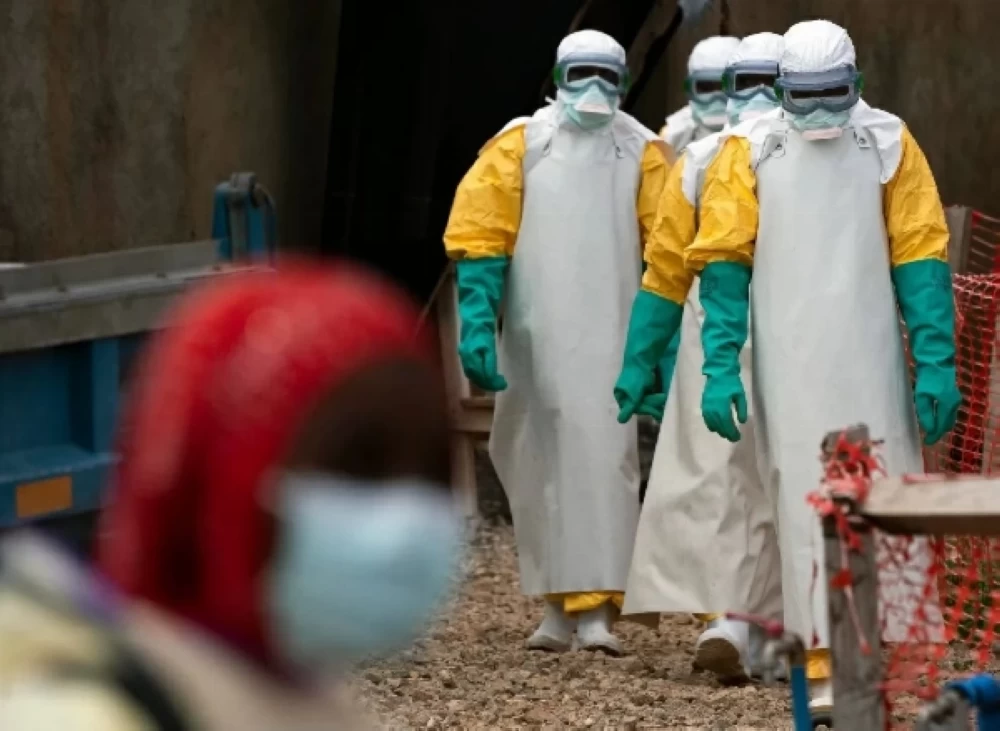
وأكدت «وقاية» متابعتها المستمرة بالتنسيق مع المنظمات الصحية الدولية لمستجدات الوضع الوبائي العالمي، وما يُسجل من حالات أو فاشيات لأمراض معدية في بعض الدول، ومنها فايروس هانتا، وفايروس الإيبولا، والحمى الصفراء، والإنفلونزا الموسمية، مشيرةً إلى أن التقييم المستمر للمخاطر يسهم في تعزيز جاهزية منظومة الصحة العامة، ورفع مستوى الوعي الصحي لدى المسافرين.
وشددت «وقاية» على أهمية أن يتحقق المسافرون قبل مغادرة السعودية من الوضع الصحي في وجهات سفرهم، والاطلاع على التنبيهات والاشتراطات الصحية المعتمدة، بما في ذلك متطلبات التطعيم للدول التي تستلزم ذلك، وعلى رأسها لقاح الحمى الصفراء عند السفر إلى بعض المناطق الموبوءة أو الدول التي تشترط شهادة التطعيم.
وأوضحت الهيئة أن الأمراض المعدية تختلف في طرق انتقالها ومستوى خطورتها؛ إذ يرتبط فايروس هانتا غالباً بالتعرض لإفرازات القوارض المصابة أو البيئات الملوثة بها، بينما ينتقل فايروس الإيبولا عبر الملامسة المباشرة لدم أو سوائل جسم الشخص المصاب أو المتوفى أو الحيوانات المصابة، أما الحمى الصفراء فتنتقل بواسطة لدغات البعوض في المناطق الموبوءة، في حين تنتقل الإنفلونزا عبر الرذاذ التنفسي والمخالطة المباشرة للمصابين.
ودعت «وقاية» المسافرين إلى تجنّب مخالطة الأشخاص الذين تظهر عليهم أعراض مرضية، والابتعاد عن ملامسة الحيوانات البرية أو القوارض أو أماكن وجودها، وتجنب زيارة المناطق التي تشهد فاشيات أو ارتفاعاً في حالات الأمراض المعدية إلا للضرورة، مع الالتزام بالتعليمات الصادرة عن السلطات الصحية في بلد الوجهة.
استخدموا وسائل الوقاية من اللدغات
نصحت وقاية المسافرين بالمحافظة على النظافة الشخصية، وغسل اليدين بانتظام، والحرص على سلامة الغذاء والماء، واستخدام وسائل الوقاية من لدغات البعوض مثل طاردات الحشرات والملابس المناسبة، إضافةً إلى التأكد من وجود تغطية صحية مناسبة أثناء السفر.
وأوصت المسافرين بمراجعة أقرب منشأة صحية عند ظهور أعراض مرضية أثناء السفر أو بعد العودة إلى السعودية، خصوصاً في حال وجود تاريخ سفر إلى مناطق تشهد فاشيات، أو حدوث مخالطة مباشرة لمرضى أو حيوانات أو بيئات عالية الخطورة، مع إبلاغ الممارس الصحي بتاريخ السفر وأي تعرض محتمل، بما يسهم في سرعة التشخيص واتخاذ الإجراءات الصحية اللازمة.
ودعت هيئة الصحة العامة الجميع إلى استقاء المعلومات من مصادرها الرسمية، وتجنّب تداول الشائعات أو المعلومات غير الموثوقة، والاستفادة من تنبيهات السفر عبر موقع هيئة الصحة العامة الإلكتروني، بما يسهم في حماية المسافرين والمجتمع من مخاطر الأمراض المعدية.
The Public Health Authority (Weqaya) has warned travelers going abroad not to be lax in adhering to health and preventive guidelines while traveling, especially during the summer season, which sees an increase in travel and mobility, and the accompanying heightened risk of exposure to certain infectious diseases in various countries around the world.
Weqaya confirmed its continuous monitoring in coordination with international health organizations regarding the latest developments in the global epidemiological situation, including reported cases or outbreaks of infectious diseases in some countries, such as the Hantavirus, Ebola virus, yellow fever, and seasonal influenza. It indicated that ongoing risk assessments contribute to enhancing the readiness of the public health system and raising health awareness among travelers.
Weqaya emphasized the importance for travelers to verify the health situation in their travel destinations before leaving Saudi Arabia, and to review the approved health alerts and requirements, including vaccination requirements for countries that mandate them, with yellow fever vaccination being a priority when traveling to certain endemic areas or countries that require vaccination certificates.
The authority clarified that infectious diseases vary in their modes of transmission and levels of danger; for instance, the Hantavirus is often associated with exposure to the excretions of infected rodents or contaminated environments, while the Ebola virus is transmitted through direct contact with the blood or bodily fluids of an infected or deceased person or infected animals. Yellow fever is transmitted through mosquito bites in endemic areas, whereas influenza spreads through respiratory droplets and direct contact with infected individuals.
Weqaya urged travelers to avoid close contact with individuals showing symptoms of illness, to refrain from touching wild animals or rodents or their habitats, and to avoid visiting areas experiencing outbreaks or increases in infectious disease cases unless absolutely necessary, while adhering to the instructions issued by health authorities in the destination country.
Use Bite Prevention Measures
Weqaya advised travelers to maintain personal hygiene, wash their hands regularly, ensure food and water safety, and use mosquito bite prevention measures such as insect repellents and appropriate clothing, in addition to ensuring adequate health coverage while traveling.
Travelers were also recommended to visit the nearest health facility if they experience any symptoms of illness during their trip or after returning to Saudi Arabia, especially if they have a travel history to outbreak areas or have had direct contact with patients, animals, or high-risk environments, and to inform the healthcare provider of their travel history and any potential exposure, which aids in prompt diagnosis and necessary health measures.
The Public Health Authority called on everyone to obtain information from official sources, to avoid circulating rumors or unreliable information, and to benefit from travel alerts available on the Public Health Authority's website, which contributes to protecting travelers and the community from the risks of infectious diseases.