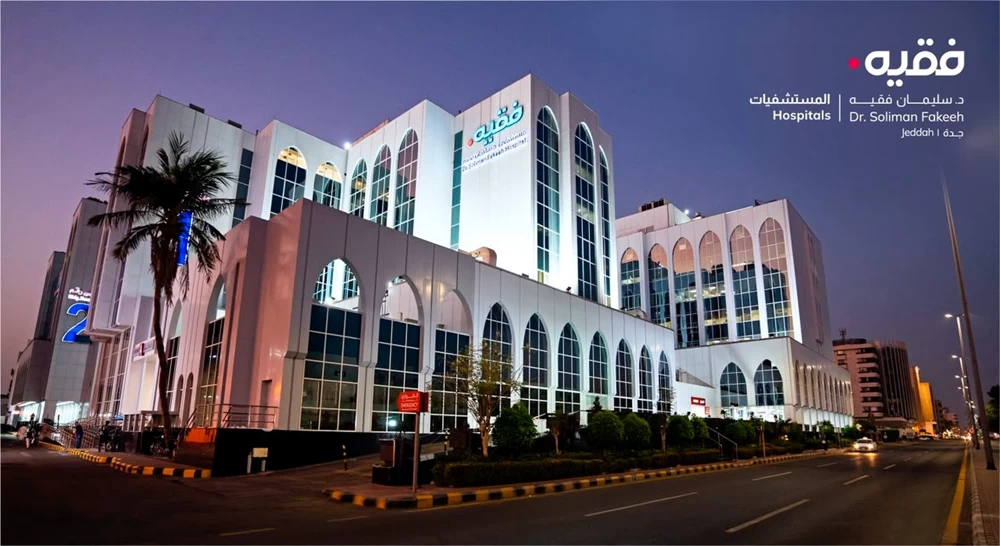
حقق مستشفى د. سليمان فقيه – جدة، إنجازًا طبيًا جديدًا بإجراء أول عملية زراعة خلايا دم جذعية ذاتية في القطاع الخاص بالمملكة العربية السعودية، لمريض يبلغ من العمر 55 عامًا مصاب بالورم النقوي المتعدد، في خطوة تعكس تطور الخدمات التخصصية في علاج أمراض الدم والأورام، وتعزز مكانة المستشفى كمركز رائد للرعاية الصحية المتقدمة.
وشهد برنامج زراعة الخلايا الجذعية والعلاج الخلوي في المستشفى انطلاق أولى عملياته بإجراء زراعة خلايا دم جذعية ذاتية للمريض، وقد تكللت العملية بالنجاح، بما يؤكد جاهزية البرنامج لتقديم هذا النوع من العلاجات الدقيقة وفق أحدث المعايير والبروتوكولات الطبية العالمية.
وأكد الدكتور مازن فقيه، رئيس مجموعة فقيه للرعاية الصحية، أن هذا الإنجاز يمثل خطوة نوعية في مسيرة المجموعة نحو تقديم أحدث الخدمات الطبية التخصصية، ويعكس التزامها المستمر بتوفير رعاية صحية متقدمة وفق أفضل الممارسات العالمية، بما يسهم في تعزيز جودة الرعاية الصحية داخل المملكة.
وتُعد زراعة الخلايا الجذعية الذاتية إحدى الركائز الأساسية في علاج مرضى الورم النقوي المتعدد المؤهلين طبيًا، حيث تعتمد على جمع الخلايا الجذعية من المريض بعد العلاج الأولي، ثم إعطائه جرعات عالية من العلاج الكيميائي للقضاء على أكبر قدر ممكن من الخلايا السرطانية، قبل إعادة حقن الخلايا الجذعية لإعادة بناء نخاع العظم وتسريع تعافي إنتاج خلايا الدم. وتسهم هذه التقنية في تعميق الاستجابة للعلاج، وإطالة فترة السيطرة على المرض، وتحسين النتائج العلاجية وجودة حياة المرضى.
من جانبه، أوضح الدكتور أحمد السعيد، استشاري أمراض الدم وزراعة نخاع العظم في مستشفى د. سليمان فقيه – جدة، أن نجاح أول عملية زراعة خلايا دم جذعية ذاتية ضمن برنامج زراعة الخلايا الجذعية والعلاج الخلوي يعكس جاهزية المستشفى من حيث الكفاءات الطبية والتجهيزات المتخصصة، ويتيح للمرضى الحصول على هذا النوع من العلاج المتقدم داخل المملكة وفق أعلى المعايير العالمية.
ويُذكر أن مركز الأورام في مستشفى د. سليمان فقيه – جدة يُعد من المراكز المتقدمة في تقديم رعاية شاملة ومتكاملة لمرضى السرطان، بدءًا من التشخيص المبكر، مرورًا بالعلاج، وصولًا إلى المتابعة. ويضم المركز فريقًا متعدد التخصصات من استشاريي جراحة الأورام، والأورام الطبية، والعلاج الإشعاعي، والتشخيص النسيجي، إلى جانب كوادر التمريض المتخصصة وخدمات الدعم النفسي والتغذية العلاجية، ويعمل الفريق ضمن نموذج مجلس الأورام، حيث تتم مناقشة كل حالة لوضع الخطة العلاجية الأنسب.
ويقدم المركز مجموعة واسعة من الخدمات المتقدمة تشمل جراحات الأورام المعقدة والدقيقة، وجراحات الأورام بالمنظار والروبوت، والعلاج الكيميائي، والعلاج المناعي، والعلاج الموجّه، والعلاج الإشعاعي بأحدث التقنيات، إضافة إلى برامج الكشف المبكر والفحوصات الشاملة، وخدمات الدعم النفسي والتأهيلي لمرضى السرطان وذويهم.
ويؤكد هذا الإنجاز المكانة المتقدمة لمستشفى د. سليمان فقيه – جدة في تقديم الرعاية التخصصية لمرضى الأورام وأمراض الدم، ويعكس جاهزية بنيته التحتية وكفاءاته الطبية لتقديم علاجات متقدمة وفق أفضل الممارسات العالمية، بما يعزز جودة الرعاية الصحية المقدمة للمرضى.
Dr. Sulaiman Al-Faqeeh Hospital – Jeddah has achieved a new medical milestone by performing the first autologous stem cell transplant in the private sector in the Kingdom of Saudi Arabia for a 55-year-old patient suffering from multiple myeloma. This step reflects the advancement of specialized services in the treatment of blood diseases and tumors and enhances the hospital's position as a leading center for advanced healthcare.
The stem cell transplant and cellular therapy program at the hospital witnessed the launch of its first operations by performing an autologous stem cell transplant for the patient, and the procedure was successful, confirming the program's readiness to provide this type of precise treatment according to the latest global medical standards and protocols.
Dr. Mazen Al-Faqeeh, Chairman of the Faqeeh Healthcare Group, confirmed that this achievement represents a qualitative leap in the group’s journey towards providing the latest specialized medical services, reflecting its ongoing commitment to delivering advanced healthcare according to the best global practices, contributing to enhancing the quality of healthcare within the Kingdom.
Autologous stem cell transplantation is one of the essential pillars in treating medically eligible patients with multiple myeloma, as it relies on collecting stem cells from the patient after initial treatment, then administering high doses of chemotherapy to eliminate as many cancer cells as possible before reinjecting the stem cells to rebuild the bone marrow and accelerate the recovery of blood cell production. This technique helps deepen the response to treatment, prolong the period of disease control, and improve therapeutic outcomes and the quality of life for patients.
For his part, Dr. Ahmed Al-Saeed, a consultant in hematology and bone marrow transplantation at Dr. Sulaiman Al-Faqeeh Hospital – Jeddah, explained that the success of the first autologous stem cell transplant within the stem cell and cellular therapy program reflects the hospital's readiness in terms of medical competencies and specialized equipment, allowing patients to access this type of advanced treatment within the Kingdom according to the highest global standards.
It is worth noting that the Oncology Center at Dr. Sulaiman Al-Faqeeh Hospital – Jeddah is considered one of the advanced centers in providing comprehensive and integrated care for cancer patients, starting from early diagnosis, through treatment, to follow-up. The center includes a multidisciplinary team of consultants in surgical oncology, medical oncology, radiation therapy, and histopathology, along with specialized nursing staff and psychological and nutritional support services. The team operates within a tumor board model, where each case is discussed to develop the most suitable treatment plan.
The center offers a wide range of advanced services including complex and precise tumor surgeries, laparoscopic and robotic tumor surgeries, chemotherapy, immunotherapy, targeted therapy, and radiation therapy using the latest technologies, in addition to early detection programs and comprehensive examinations, as well as psychological and rehabilitative support services for cancer patients and their families.
This achievement confirms the advanced position of Dr. Sulaiman Al-Faqeeh Hospital – Jeddah in providing specialized care for patients with tumors and blood diseases, reflecting its infrastructure readiness and medical competencies to offer advanced treatments according to the best global practices, thereby enhancing the quality of healthcare provided to patients.