يواصل معهد خادم الحرمين الشريفين لأبحاث الحج والعمرة بجامعة أم القرى أداء دوره العلمي والاستشاري في دعم منظومة الحج والعمرة من خلال تقديم حلول تطبيقية للتحديات الميدانية في ظل التطوير المتسارع الذي تشهده خدمات ضيوف الرحمن.
وفي حديث خاص لـ«عكاظ»، أكد عميد المعهد الدكتور خالد الغامدي، أن البحث العلمي أصبح اليوم جزءاً أساسياً في منظومة الحج والعمرة، وليس مجرد مسار موازٍ لها، مشيراً إلى أن المعهد أنجز نحو 4000 دراسة، وأسهم في تدريب أكثر من 100 ألف مستفيد، وشارك في مشاريع كبرى مثل النقل الترددي، ومشروع الأضاحي، وجسر الجمرات.
وأوضح الدكتور الغامدي أن دور المعهد يتجاوز إعداد الدراسات إلى تحليل التحديات الميدانية وقراءة احتياجات المنظومة، وتقديم حلول قابلة للتطبيق تسهم في رفع كفاءة التشغيل وتحسين جودة الخدمات المقدمة للحجاج والمعتمرين. وأضاف أن هذا التراكم العلمي يعكس الدور المحوري الذي تؤديه جامعة أم القرى عبر هذا الصرح البحثي المتخصص.
انخفاض الإجهاد الحراري
بين 1445 و1446هـ
وأشار الدكتور الغامدي إلى أن الموسم البحثي 1446هـ، شهد تنفيذ دراسات ذات أثر مباشر؛ من أبرزها دراسة الإدارة اللوجستية لنقاط توزيع المواد التموينية الخيرية، التي أسهمت في خفض الفائض بأكثر من 50%، وتحسين مستوى النظافة، ورفع رضا الحجاج. كما كشفت دراسة عبوات المياه فاقداً مركباً بلغ 31.1%، وأظهرت أن متوسط التوزيع بلغ 18.5 عبوة للحاج مقابل استهلاك فعلي 14.3 عبوة، ما يؤكد الحاجة لإعادة هيكلة سياسات التوزيع. وفي الجانب البيئي، أظهرت دراسة الإجهاد الحراري انخفاضاً ملحوظاً في المؤشرات بين موسمي 1445 و1446هـ، حيث تراجعت أعلى قيمة من 51.55 إلى 43 درجة مئوية.
تحديات الخدمة والتنظيم
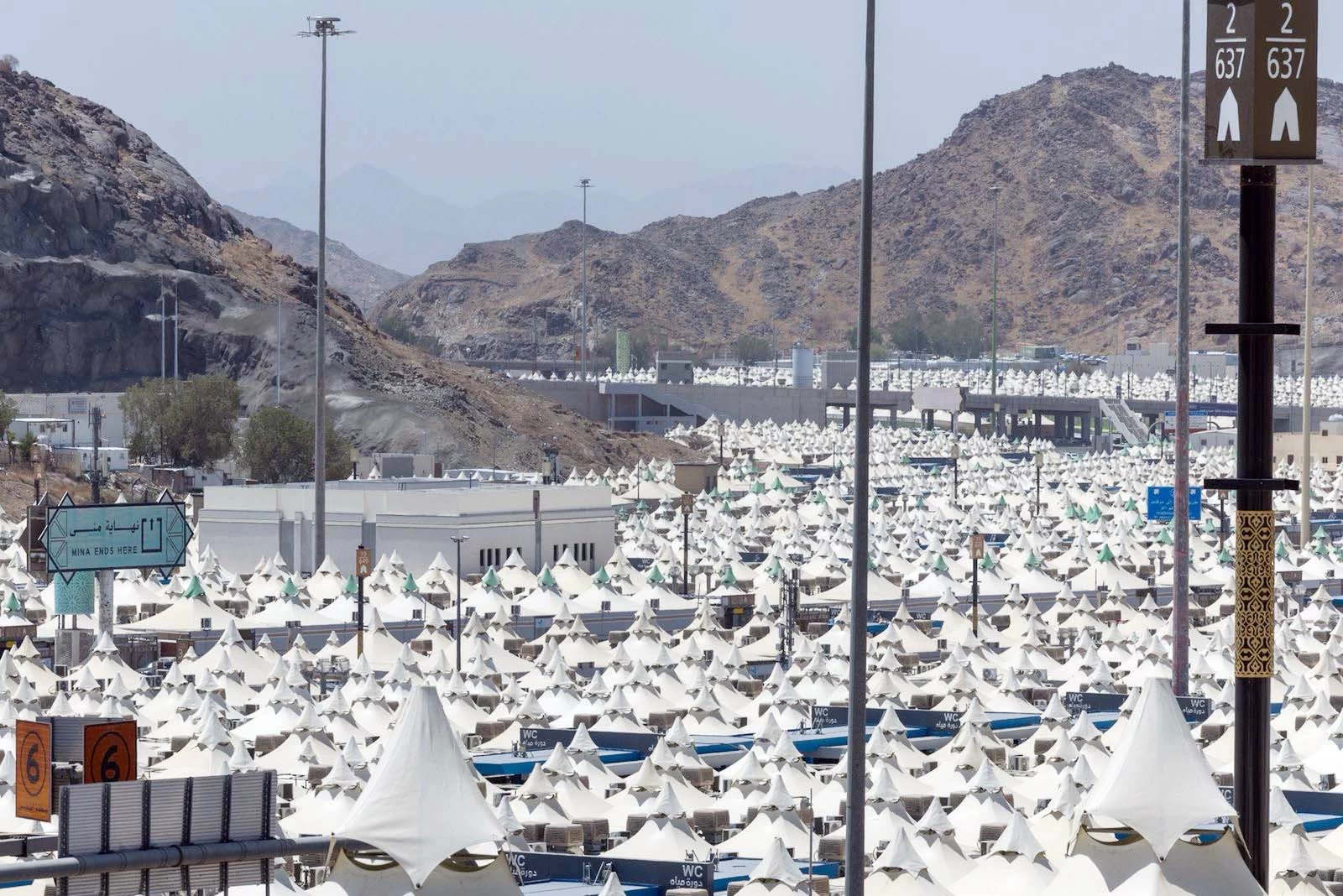
وبيّن الدكتور الغامدي أن فرق المعهد رصدت، خلال الموسم الماضي، عدداً من التحديات التشغيلية والبيئية والخدمية؛ من بينها الهدر في توزيع المواد التموينية والمياه، وارتفاع الإجهاد الحراري على طرق المشاة، وتأثير الانبعاثات والروائح في مشعر منى، إضافة إلى تحديات تتعلق بجودة الخدمة والتنظيم وراحة المستفيدين.
16 دراسة لتعزيز الجاهزية
وفي ما يتعلق بالاستعداد لموسم الحج القادم، أوضح أن المعهد يعمل على 16 دراسة نوعية يشارك فيها 20 باحثاً متخصصاً، تغطي مكة المكرمة والمدينة المنورة والمشاعر المقدسة، وتشمل مجالات بيئية وصحية وهندسية وإدارية وإنسانية ومعلوماتية. وتهدف هذه الدراسات إلى تعزيز الجاهزية المبكرة وتحسين كفاءة التشغيل وجودة الخدمات، وتشمل 13 دراسة للحج وستاً أخرى لرمضان.
الحد من انتشار العدوى أثناء الحلاقة في الحج
وكشف عن دراسات مبتكرة يجري تنفيذها هذا الموسم؛ منها الحد من انتشار العدوى أثناء الحلاقة، وفعالية المطهرات في تقليل التلوث الميكروبي على لحوم الأضاحي، ورصد المخاطر البيئية ومدى الالتزام بمعايير السلامة في منطقة الحرم، وتحليل توزيع مراكز الطوارئ في المشاعر، ورسم خريطة رقمية لمواقع تسربات المياه في منى، إضافة إلى مشاريع ابتكارية ناتجة عن الهاكثونات والفعاليات العلمية التي ينظمها المعهد.
وأكد الغامدي أن المعهد يولي التقنيات الحديثة اهتماماً كبيراً، حيث يعمل على تأسيس بنك معلومات شامل عن الحج، وإعداد نماذج محاكاة حسابية لعمليات الحج، وتوظيف الذكاء الاصطناعي والتحليل المكاني والنمذجة في تقييم الخدمات وإدارة المخاطر وتحسين الحركة التشغيلية. وأشار إلى أن التقنية أصبحت ركيزة أساسية في بناء المعرفة واتخاذ القرار، وليست مجرد أداة مساندة.
مشاريع مفصلية لرفع كفاءة التشغيل والخدمات
وأضاف بأن المعهد يقدم منظومة متكاملة من الخدمات العلمية والاستشارية للجهات الحكومية والقطاعين الخاص وغير الربحي، ويغطي نطاقات مكة المكرمة والمدينة المنورة والمشاعر المقدسة والمنافذ والمواقيت. كما كان له حضور بارز في مشاريع مفصلية مثل النقل الترددي، مشروع الأضاحي، جسر الجمرات، والمخيم الأخضر، وهي مشاريع أسهمت في رفع كفاءة التشغيل وتحسين إدارة الحركة وتعزيز مستوى السلامة.
خفض الهدر ورفع كفاءة الخدمات في المشاعر
واختتم الدكتور الغامدي بالإشارة إلى الأثر الواضح لدراسات المعهد، حيث أسهمت دراسة الإدارة اللوجستية في خفض الفائض التمويني بأكثر من 50%، وقدمت دراسة عبوات المياه إطاراً أدق لتحديد الاحتياج الفعلي وتقليل الهدر، فيما دعمت دراسة الإجهاد الحراري تطوير المعالجات المرتبطة ببيئة المشاة والحد من المخاطر البيئية.
The King Abdulaziz Research Institute for Hajj and Umrah at Umm Al-Qura University continues to fulfill its scientific and advisory role in supporting the Hajj and Umrah system by providing practical solutions to field challenges amidst the rapid development of services for the guests of Allah.
In a special interview with "Okaz," the Dean of the Institute, Dr. Khalid Al-Ghamdi, confirmed that scientific research has become an essential part of the Hajj and Umrah system, not just a parallel track. He pointed out that the Institute has completed around 4,000 studies, contributed to training more than 100,000 beneficiaries, and participated in major projects such as shuttle transportation, the sacrificial project, and the Jamarat Bridge.
Dr. Al-Ghamdi explained that the role of the Institute goes beyond preparing studies to analyzing field challenges, assessing the needs of the system, and providing applicable solutions that contribute to enhancing operational efficiency and improving the quality of services provided to pilgrims and Umrah performers. He added that this scientific accumulation reflects the pivotal role played by Umm Al-Qura University through this specialized research edifice.
Reduction of Thermal Stress
Between 1445 and 1446 AH
Dr. Al-Ghamdi noted that the research season of 1446 AH witnessed the implementation of studies with direct impact; among the most notable is the study on the logistical management of distribution points for charitable food supplies, which contributed to reducing surplus by more than 50%, improving cleanliness levels, and increasing pilgrim satisfaction. Additionally, a study on water bottles revealed a compound loss of 31.1% and showed that the average distribution was 18.5 bottles per pilgrim against an actual consumption of 14.3 bottles, confirming the need to restructure distribution policies. On the environmental side, a study on thermal stress showed a significant decrease in indicators between the 1445 and 1446 AH seasons, with the highest value dropping from 51.55 to 43 degrees Celsius.
Service and Organizational Challenges
Dr. Al-Ghamdi indicated that the Institute's teams observed several operational, environmental, and service challenges during the last season, including waste in the distribution of food supplies and water, increased thermal stress on pedestrian pathways, the impact of emissions and odors in the Mina area, in addition to challenges related to service quality, organization, and the comfort of beneficiaries.
16 Studies to Enhance Readiness
Regarding preparations for the upcoming Hajj season, he clarified that the Institute is working on 16 qualitative studies involving 20 specialized researchers, covering Mecca, Medina, and the holy sites, and encompassing environmental, health, engineering, administrative, humanitarian, and informational fields. These studies aim to enhance early readiness and improve operational efficiency and service quality, including 13 studies for Hajj and six others for Ramadan.
Limiting the Spread of Infection During Shaving in Hajj
He revealed innovative studies being conducted this season, including limiting the spread of infection during shaving, the effectiveness of disinfectants in reducing microbial contamination on sacrificial meat, monitoring environmental risks and compliance with safety standards in the Haram area, analyzing the distribution of emergency centers in the holy sites, and mapping water leak locations in Mina, in addition to innovative projects resulting from hackathons and scientific events organized by the Institute.
Al-Ghamdi emphasized that the Institute places great importance on modern technologies, as it works to establish a comprehensive information bank about Hajj, prepare computational simulation models for Hajj operations, and utilize artificial intelligence, spatial analysis, and modeling in evaluating services, managing risks, and improving operational movement. He noted that technology has become a fundamental pillar in building knowledge and making decisions, not just a supporting tool.
Pivotal Projects to Enhance Operational Efficiency and Services
He added that the Institute provides a comprehensive system of scientific and advisory services to government entities and the private and non-profit sectors, covering the areas of Mecca, Medina, the holy sites, and the entry points and timings. It has also had a prominent presence in pivotal projects such as shuttle transportation, the sacrificial project, the Jamarat Bridge, and the Green Camp, which have contributed to enhancing operational efficiency, improving traffic management, and increasing safety levels.
Reducing Waste and Increasing Service Efficiency in the Holy Sites
Dr. Al-Ghamdi concluded by pointing out the clear impact of the Institute's studies, as the logistical management study contributed to reducing food surplus by more than 50%, while the water bottle study provided a more accurate framework for determining actual needs and reducing waste, and the thermal stress study supported the development of treatments related to pedestrian environments and mitigating environmental risks.