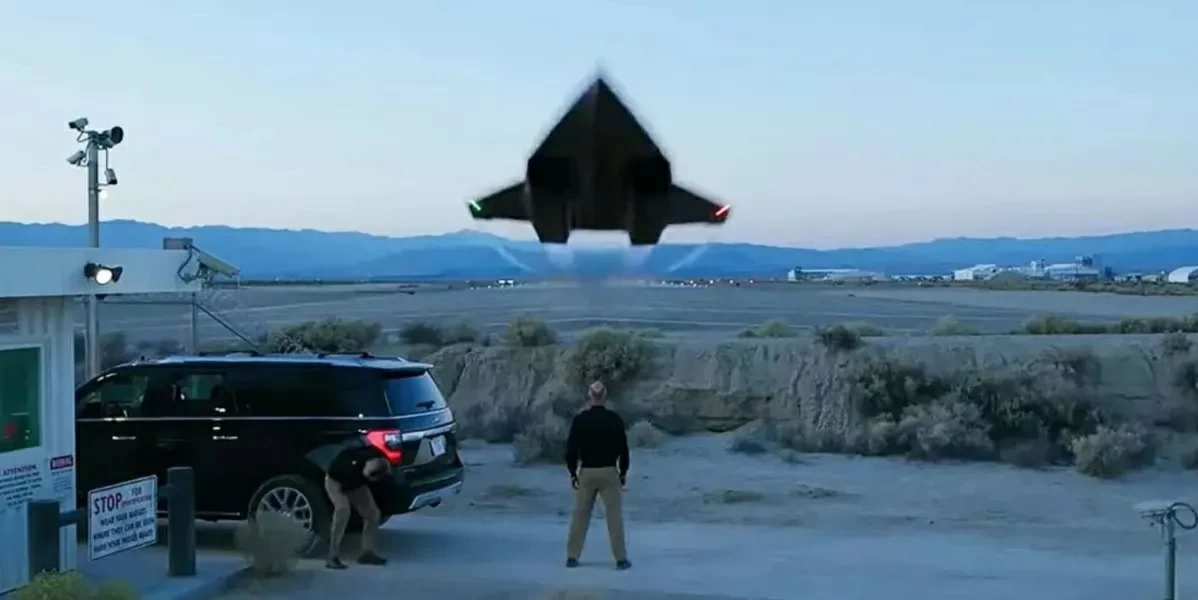
كشفت محاكاة رقمية افتراضية إمكانية قطع أطول مسار طيران دائري حول الأرض، الذي يبلغ نحو 28 ألف كيلومتر، خلال ساعتين و38 دقيقة فقط، باستخدام طائرة خيالية تتجاوز سرعة الصوت بـ10 أضعاف، في تصور يعيد طرح التساؤلات حول مستقبل السفر الجوي فائق السرعة.
واعتمدت التجربة، التي نشرتها قناة Flight Simulator المتخصصة في المحاكاة الرقمية، على نموذج طائرة افتراضية أطلق عليها اسم «دارك ستار» (Dark Star)، وهي مستوحاة من الطائرة الخيالية التي ظهرت في فيلم «توب غان: مافريك» للنجم توم كروز.
وأظهرت المحاكاة انطلاق الطائرة من مدينة نيويورك والعودة إليها بعد إتمام دورة كاملة حول الكوكب، دون التوقف للتزود بالوقود أو خفض السرعة، في زمن يقترب من المدة التي تحتاجها محطة الفضاء الدولية لإكمال دورة حول الأرض، والتي تتراوح بين 90 و93 دقيقة.
ورغم أن التجربة لا تأخذ في الاعتبار العديد من التحديات الواقعية، مثل الإجهاد الحراري الناتج عن السرعات الهائلة، والقيود الهندسية، ومتطلبات السلامة والتشغيل، إلا أنها تقدم تصورًا بصريًا لما قد تصل إليه تقنيات الطيران في المستقبل.
وتزامنت هذه المحاكاة مع جهود فعلية في قطاع الطيران المدني لتطوير طائرات ذات مدى أطول وقدرات أكثر كفاءة، حيث تعمل شركة إيرباص على تطوير طائرة A350-1000ULR المخصصة للرحلات فائقة المدى، بهدف تشغيل رحلات مباشرة بين وجهات بعيدة مثل سيدني ولندن دون الحاجة إلى محطات توقف.
ولا تزال مسألة زيادة مدى الطائرات التجارية مرتبطة بتحديات كبيرة، أبرزها سعة الوقود والكفاءة التشغيلية، فيما يبقى التزود بالوقود في الجو تقنية معقدة ومكلفة تستخدم بشكل أساسي في المجال العسكري.
وعلى الرغم من التطورات المستقبلية المتوقعة، تظل طائرة الاستطلاع الأمريكية SR-71 بلاك بيرد صاحبة أحد أبرز الإنجازات الواقعية في تاريخ الطيران، بعدما سجلت أرقامًا قياسية في السرعة منذ أول تحليق لها عام 1964 وحتى خروجها من الخدمة في أواخر تسعينات القرن الماضي.
وفي عام 1974، تمكنت «بلاك بيرد» من قطع المسافة بين نيويورك ولندن، البالغة نحو 3461 ميلًا، خلال ساعة و54 دقيقة و56 ثانية فقط، متفوقة بفارق كبير على الطائرات التجارية التي كانت تحتاج إلى ساعات أطول لعبور المحيط الأطلسي.
كما حققت الطائرة إنجازًا آخر عام 1971 عندما قطعت نحو 15 ألف ميل، أي ما يقارب 24 ألف كيلومتر، دون توقف خلال 10 ساعات و30 دقيقة، بمتوسط سرعة تجاوز 2298 كيلومترًا في الساعة، لتبقى حتى اليوم نموذجًا بارزًا لقدرات التكنولوجيا الجوية المتقدمة.
A virtual digital simulation revealed the possibility of covering the longest circular flight path around the Earth, which is about 28,000 kilometers, in just 2 hours and 38 minutes, using a fictional aircraft that exceeds the speed of sound by 10 times, in a scenario that raises questions about the future of supersonic air travel.
The experiment, published by the Flight Simulator channel specializing in digital simulation, relied on a virtual aircraft model named "Dark Star," inspired by the fictional plane that appeared in the movie "Top Gun: Maverick" starring Tom Cruise.
The simulation showed the aircraft taking off from New York City and returning there after completing a full circuit around the planet, without stopping for refueling or reducing speed, in a time close to that required by the International Space Station to complete an orbit around the Earth, which ranges between 90 and 93 minutes.
Although the experiment does not take into account many real-world challenges, such as thermal stress resulting from immense speeds, engineering constraints, and safety and operational requirements, it provides a visual concept of what aviation technologies may achieve in the future.
This simulation coincided with actual efforts in the civil aviation sector to develop aircraft with longer ranges and more efficient capabilities, as Airbus is working on developing the A350-1000ULR aircraft designed for ultra-long-haul flights, aiming to operate direct flights between distant destinations like Sydney and London without the need for stopovers.
The issue of increasing the range of commercial aircraft remains linked to significant challenges, primarily fuel capacity and operational efficiency, while in-flight refueling remains a complex and costly technology primarily used in the military field.
Despite the anticipated future developments, the American reconnaissance aircraft SR-71 Blackbird remains one of the most notable achievements in the history of aviation, having set speed records since its first flight in 1964 until its retirement in the late 1990s.
In 1974, the "Blackbird" managed to cover the distance between New York and London, approximately 3,461 miles, in just 1 hour, 54 minutes, and 56 seconds, significantly outperforming commercial aircraft that required longer hours to cross the Atlantic Ocean.
The aircraft also achieved another milestone in 1971 when it covered about 15,000 miles, or nearly 24,000 kilometers, non-stop in 10 hours and 30 minutes, with an average speed exceeding 2,298 kilometers per hour, remaining to this day a prominent example of advanced aerial technology capabilities.