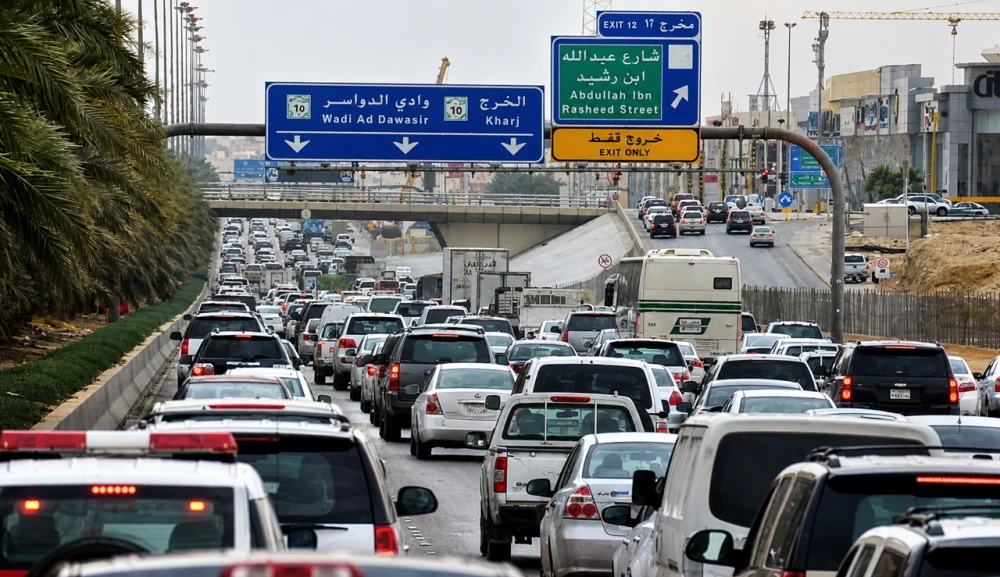
أكدت الهيئة الملكية لمدينة الرياض لـ«عكاظ» أن مبادرة ساعات العمل المرنة في العاصمة الرياض، تستهدف تقليص ضغط الحركة خلال ساعات الذروة عبر توزيع أوقات الحضور والانصراف على فترات زمنية مختلفة، بما يعزز كفاءة التنقل ويرفع الاستفادة من البنية التحتية وشبكات النقل، دون أي تغيير في عدد ساعات العمل المعتمدة.
وأوضحت أنه جرى تطبيق المبادرة فعليا بالتعاون مع وزارة الموارد البشرية والتنمية الاجتماعية في أكثر من 50 جهة عمل موزعة على 6 من أبرز مراكز الأعمال بالعاصمة، تشمل مركز الملك عبدالله المالي (كافد)، والمدينة الرقمية، وحي السفارات، وليسن فالي، وغرناطة بزنس، وواجهة روشن، بما يدعم تحقيق توزيع أكثر توازناً للحركة اليومية ويرفع كفاءة الاستفادة من منظومة النقل والبنية التحتية.
وأشارت الهيئة إلى أن المبادرة تمثل أحد الحلول التنظيمية الحديثة الهادفة إلى تعزيز مرونة أوقات العمل من خلال توسيع نافذة الحضور إلى 4 ساعات، بما يسهم في الحد من تركز الرحلات اليومية وتحسين انسيابية الحركة المرورية، دون أي تغيير في عدد ساعات العمل المعتمدة.
وأضافت أن المبادرة تأتي ضمن جهود تطوير حلول تنظيمية مستدامة تسهم في تحسين جودة الحياة ورفع كفاءة المدينة، وتتكامل مع مشاريع النقل العام والحلول الحديثة الرامية إلى تعزيز انسيابية الحركة المرورية في الرياض.
وتتيح المبادرة مرونة في أوقات الحضور والانصراف تصل إلى 4 ساعات، بما يساعد على توزيع الحركة المرورية على فترات زمنية مختلفة والحد من تركز الرحلات خلال ساعات الذروة، إلى جانب رفع كفاءة بيئات العمل وتحسين إنتاجية الموظفين.
ويرى المفكر الاقتصادي المتخصص في اقتصاد المستقبل والتحولات العالمية البروفيسور محمد بن دليم القحطاني أن المبادرة تمثل تحولاً نوعياً في الفكر الإداري الحديث، وتعكس انتقال بيئات العمل من التركيز على ساعات الحضور إلى التركيز على الإنتاجية والنتائج الفعلية.
وقال لـ«عكاظ»: «ما قامت به الهيئة الملكية لمدينة الرياض بالتعاون مع وزارة الموارد البشرية والتنمية الاجتماعية يعد خطوة متقدمة تنسجم مع الممارسات العالمية الحديثة التي أثبتت نجاحها في رفع الإنتاجية وتحسين جودة الحياة في الوقت ذاته».
وأضاف القحطاني أن الدراسات الدولية تؤكد الجدوى الاقتصادية لهذا النموذج، مشيراً إلى أن دراسة أجرتها جامعة ستانفورد على إحدى الشركات الكبرى في الصين أظهرت أن الموظفين الذين عملوا وفق نماذج مرنة حققوا زيادة في الإنتاجية بلغت نحو 13%، إلى جانب تحسن مستويات الرضا الوظيفي وانخفاض معدلات الاستقالة.
وأوضح القحطاني أن انعكاسات المبادرة تمتد إلى الاقتصاد الحضري من خلال تحسين انسيابية الحركة اليومية وتقليل الهدر الزمني ورفع كفاءة استغلال البنية التحتية، فضلاً عن تعزيز التوازن بين الحياة المهنية والشخصية وتحسين الصحة النفسية والاستقرار الأسري.
وأشار إلى أن التجارب العالمية أثبتت كذلك قدرة أنظمة العمل المرنة على خفض معدلات الغياب الوظيفي والاستقالات، وزيادة قدرة الجهات على استقطاب الكفاءات والاحتفاظ بها، خصوصاً في القطاعات التقنية والمعرفية والخدمية.
من جانبه، أكد الخبير الاقتصادي عبدالعزيز الأحمري أن المبادرة تمثل أحد النماذج الحديثة التي تجمع بين الكفاءة الاقتصادية وتحسين جودة الحياة، مبيناً أن المؤسسات الأكثر تنافسية عالمياً أصبحت تقيس نجاحها بمستوى الإنجاز وجودة المخرجات أكثر من ارتباطه بأنماط الحضور التقليدية.
وقال لـ«عكاظ» إن المرونة في أوقات العمل تسهم في بناء مناخ عملي أكثر صحة واستدامة، وتمنح الموظفين قدرة أكبر على إدارة التزاماتهم الأسرية والشخصية، كما تساعد على تخفيف الضغوط المرتبطة بالتنقل اليومي خلال فترات الذروة، الأمر الذي ينعكس إيجاباً على مستويات التركيز والإبداع والقدرة على الإنجاز.
وأضاف أن العديد من الدراسات الحديثة تربط بين بيئات العمل المرنة وانخفاض معدلات الإرهاق الوظيفي والاحتراق المهني، وارتفاع مستويات الرضا الوظيفي والولاء المؤسسي، ما يساعد الجهات على الاحتفاظ بالكفاءات الوطنية واستقطاب المزيد من المواهب في سوق عمل يشهد منافسة متزايدة على الخبرات المتخصصة.
وأشار الأحمري إلى أن المبادرة تتجاوز كونها تنظيماً إدارياً لساعات العمل، لتصبح أداة تنموية تدعم مستهدفات جودة الحياة وتعزز جاذبية الرياض كمدينة عالمية للعيش والعمل والاستثمار، لافتاً إلى أن نجاحها سيسهم في رفع كفاءة الاقتصاد الحضري وتحسين استثمار الوقت وتعزيز التوازن بين متطلبات العمل والحياة اليومية للسكان.
وتأتي المبادرة ضمن الجهود الرامية إلى تطوير أنماط العمل الحديثة في مدينة الرياض، بما يسهم في تحسين جودة الحياة، وتعزيز الاستفادة من منظومة النقل العام، ورفع جاذبية بيئة العمل، وتحقيق مستهدفات رؤية المملكة 2030 الهادفة إلى بناء مدينة أكثر كفاءة واستدامة وتنافسية في الوقت ذاته.
The Royal Commission for Riyadh City confirmed to "Okaz" that the flexible working hours initiative in the capital, Riyadh, aims to reduce traffic congestion during peak hours by distributing attendance and departure times over different time periods, thereby enhancing mobility efficiency and increasing the utilization of infrastructure and transport networks, without any change in the approved working hours.
It clarified that the initiative has been effectively implemented in collaboration with the Ministry of Human Resources and Social Development across more than 50 workplaces distributed among six of the most prominent business centers in the capital, including King Abdullah Financial Center (KAFD), the Digital City, the Diplomatic Quarter, Lyson Valley, Granada Business, and Roshan Front, supporting a more balanced distribution of daily traffic and improving the efficiency of the transport system and infrastructure.
The Commission indicated that the initiative represents one of the modern organizational solutions aimed at enhancing flexibility in working hours by expanding the attendance window to four hours, which contributes to reducing the concentration of daily trips and improving traffic flow, without any change in the approved working hours.
It added that the initiative is part of efforts to develop sustainable organizational solutions that contribute to improving quality of life and enhancing the efficiency of the city, complementing public transport projects and modern solutions aimed at promoting smooth traffic flow in Riyadh.
The initiative allows flexibility in attendance and departure times of up to four hours, helping to distribute traffic over different time periods and reduce the concentration of trips during peak hours, in addition to improving workplace environments and enhancing employee productivity.
The economic thinker specialized in future economics and global transformations, Professor Mohammed bin Dulaim Al-Qahtani, believes that the initiative represents a qualitative shift in modern management thinking, reflecting the transition of work environments from focusing on attendance hours to focusing on productivity and actual results.
He told "Okaz": "What the Royal Commission for Riyadh City has done in collaboration with the Ministry of Human Resources and Social Development is an advanced step that aligns with modern global practices that have proven successful in increasing productivity while improving quality of life at the same time."
Al-Qahtani added that international studies confirm the economic feasibility of this model, pointing out that a study conducted by Stanford University on a major company in China showed that employees who worked under flexible models achieved a productivity increase of about 13%, along with improved job satisfaction levels and reduced resignation rates.
Al-Qahtani explained that the implications of the initiative extend to urban economics by improving the flow of daily traffic, reducing time waste, and enhancing the efficiency of infrastructure utilization, as well as promoting a balance between professional and personal life and improving mental health and family stability.
He noted that global experiences have also proven the ability of flexible work systems to reduce absenteeism and resignation rates, and to increase organizations' capacity to attract and retain talents, especially in the technical, knowledge, and service sectors.
For his part, economic expert Abdulaziz Al-Ahmari confirmed that the initiative represents one of the modern models that combine economic efficiency and improved quality of life, indicating that the most competitive institutions globally have started measuring their success by the level of achievement and quality of outputs rather than their adherence to traditional attendance patterns.
He told "Okaz" that flexibility in working hours contributes to building a healthier and more sustainable work environment, granting employees greater ability to manage their family and personal commitments, and helping to alleviate the pressures associated with daily commuting during peak periods, which positively reflects on levels of focus, creativity, and productivity.
He added that many recent studies link flexible work environments to lower rates of job burnout and professional exhaustion, and higher levels of job satisfaction and organizational loyalty, which helps organizations retain national talents and attract more talents in a labor market witnessing increasing competition for specialized expertise.
Al-Ahmari pointed out that the initiative goes beyond being an administrative organization of working hours to become a developmental tool that supports quality of life objectives and enhances Riyadh's attractiveness as a global city for living, working, and investing, noting that its success will contribute to improving urban economic efficiency, optimizing time investment, and enhancing the balance between work requirements and the daily lives of residents.
The initiative comes as part of efforts to develop modern work patterns in the city of Riyadh, contributing to improving quality of life, enhancing the utilization of the public transport system, increasing the attractiveness of the work environment, and achieving the objectives of Saudi Vision 2030 aimed at building a more efficient, sustainable, and competitive city at the same time.